

Nail Clipper Export from China: Practical Supplier Insights for Buyers
Nail clippers are small products, but sourcing them well requires more than comparing unit prices. For importers, wholesalers, private label grooming brands, hotel amenity buyers, pharmacies, and beauty retailers, the right nail clipper supplier must combine consistent cutting performance, clean finishing, practical packaging, and export-ready communication. China remains a major sourcing market for nail clippers because it has an established manufacturing base for personal grooming tools, metal processing, assembly, packaging, and international logistics support.
This guide explains how buyers can evaluate nail clipper export from China with a practical lens. It focuses on product details, supplier selection, quality control, sourcing questions, and shipment preparation. Olimor Beauty supplies beauty and grooming tools for international buyers, and you can explore related beauty tool products or review broader product collections when building a purchasing plan.
Why China Is a Key Source for Nail Clippers
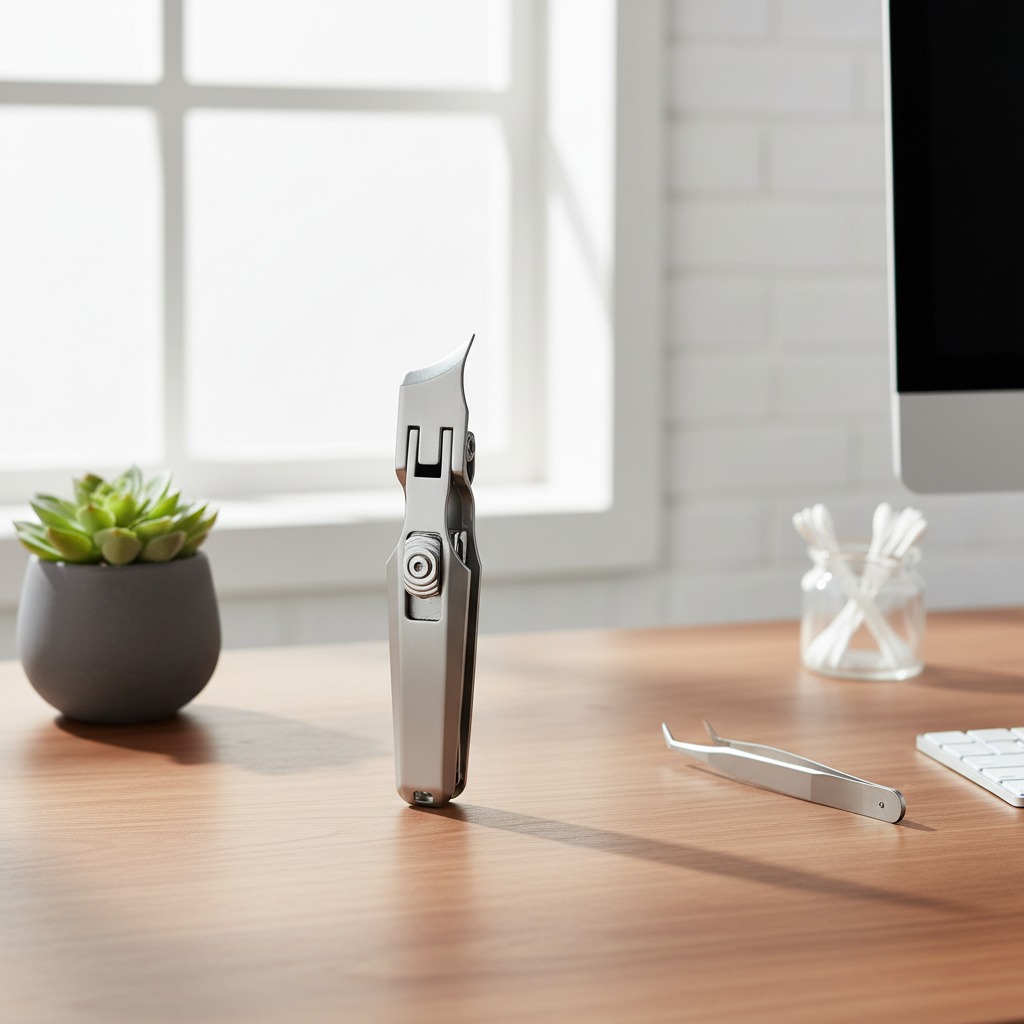
China’s role in the international nail clipper trade is closely linked to its mature supply chain. Nail clippers require several coordinated processes: metal forming, blade sharpening, polishing, surface finishing, lever assembly, spring or pivot adjustment, inspection, packaging, and carton preparation. When these processes are available close together, suppliers can respond to different order requirements more efficiently.
For buyers, this means China can be suitable for several sourcing scenarios. A distributor may need a basic but reliable stainless steel clipper for everyday retail. A beauty brand may need a cleaner-looking product that fits a personal care set. A travel goods company may prioritize compact size and protective packaging. A hotel or promotional buyer may focus on simple presentation and stable repeat supply. The same product category can serve many channels, so it is important to define the target market before requesting quotations.
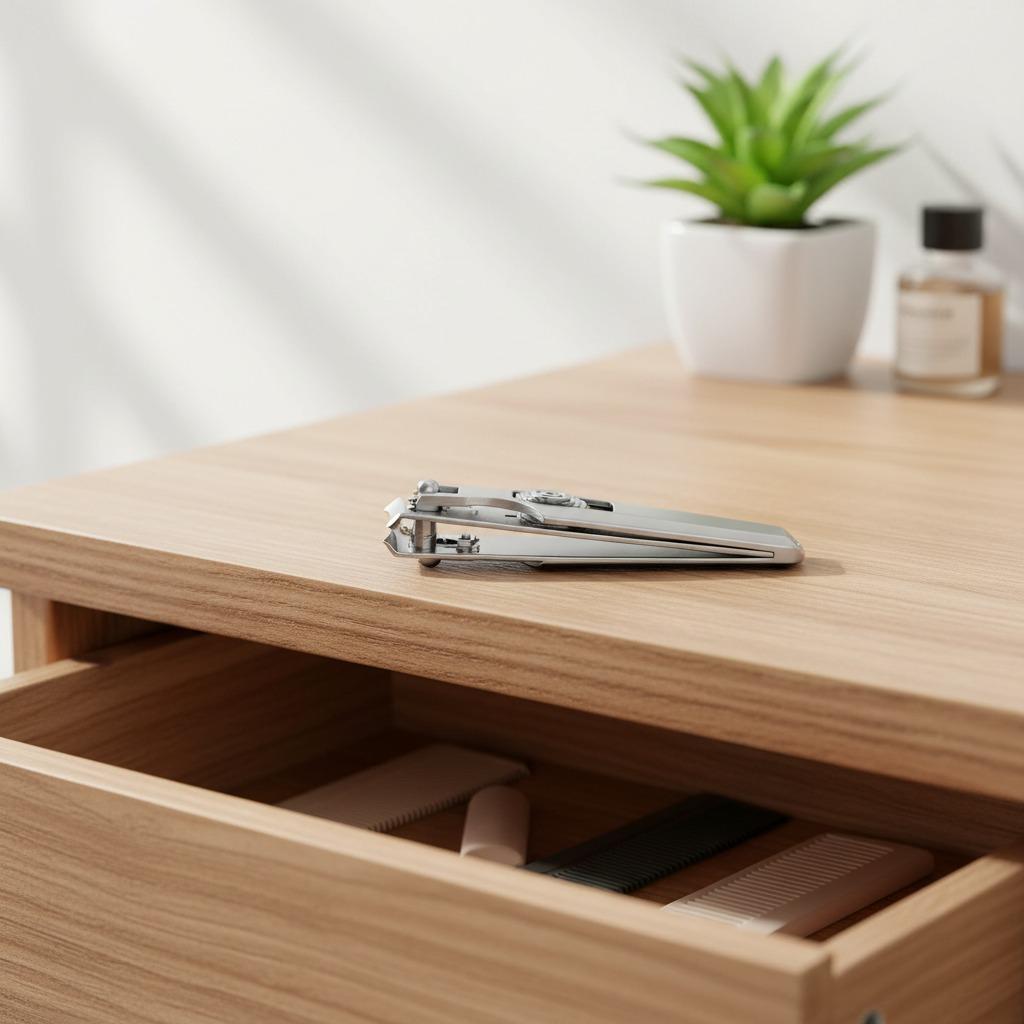
The supplied Olimor Beauty nail clipper information highlights a stainless steel construction and a compact profile. The listed product dimensions are 99 mm in length and 16 mm in width, with a weight of 49 grams. These facts help buyers assess handling, portability, and packaging fit. A 99 mm clipper is generally more substantial than miniature travel clippers, while still remaining compact enough for personal grooming kits, retail display cards, or pouch packaging.
Product Features Buyers Should Evaluate Before Importing
A nail clipper looks simple, but small differences affect user satisfaction. Buyers should examine the clipper as a functional tool rather than treating it as a commodity. The most important test is the cut: the blades should meet evenly, cut cleanly, and avoid crushing or tearing the nail edge. Poor blade alignment can lead to splitting, user discomfort, and returns.
Material is also important. Stainless steel construction is valued because it offers durability, a clean appearance, and suitability for grooming environments. However, buyers should still check finishing consistency, surface smoothness, and whether the product feels comfortable in the hand. A clipper with rough edges, uneven polishing, or a loose lever can reduce perceived value even if the basic material is acceptable.
- Cutting performance: Check blade sharpness, blade alignment, and whether the clipper cuts smoothly across different nail thicknesses.
- Lever action: The lever should press down without excessive force and return reliably after each cut.
- Grip and handling: At 99 mm long and 49 grams, the clipper should feel controlled in adult hands without being bulky.
- Edge finishing: Outer edges should be smooth enough for safe handling and retail confidence.
- Blade shape: Curved blades can support a natural nail shape and help create a cleaner trim when properly sharpened.
- Appearance: Surface finish should match the sales channel, whether retail, travel, salon, or promotional use.
How to Compare a Nail Clipper Global Supplier
When comparing suppliers, buyers often begin with price, but a reliable nail clipper global supplier should be assessed across communication, production control, sampling, packaging capability, and export experience. The lowest quotation may not be the best option if it results in inconsistent blade quality, unclear packaging details, or slow issue resolution.
A structured comparison helps keep the decision objective. Before confirming an order, request samples that represent the intended production standard. Test the samples repeatedly, photograph any issues, and record observations in a simple scoring sheet. If several team members test the clipper, compare their feedback on sharpness, comfort, and finishing.
| Evaluation Area | What to Check | Why It Matters |
|---|---|---|
| Sample consistency | Blade alignment, lever firmness, surface finish | Shows whether the product can meet your expected retail standard |
| Product details | Size, weight, material, blade shape, packaging method | Prevents misunderstandings before production begins |
| Inspection process | Incoming material checks, in-process checks, final inspection | Reduces the risk of defective or inconsistent shipments |
| Export communication | Clear quotation, lead time, carton details, document support | Helps importers plan shipping, customs, and launch timing |
Olimor Beauty emphasizes precision engineering, ergonomic design, and quality checks from raw material selection to final assembly. For buyers, these points should translate into practical documentation and sample review. Rather than relying only on general claims, align with the supplier on measurable requirements: approved sample, packaging artwork, inspection criteria, and acceptable defect definitions.
Quality Control Points for International Nail Clipper Trade
Quality control is especially important because nail clippers are used directly on the body. Even when a product is inexpensive, users expect it to feel safe, sharp, and clean. A shipment with dull blades or rough edges can create customer complaints and damage a retailer’s reputation.
Buyers can use a simple inspection checklist before shipment. This does not require revealing proprietary technical standards; it simply defines what an acceptable product should look and feel like. Inspection can include visual checks, function checks, packaging checks, and carton checks. For higher-risk orders, a third-party inspection or buyer-arranged pre-shipment inspection may be considered.
- Confirm the approved sample: Keep one signed or documented reference sample for comparison with production goods.
- Check blade closure: The cutting edges should meet cleanly without visible gaps or misalignment.
- Test cutting action: The clipper should cut smoothly without requiring uncomfortable pressure.
- Review surface finish: Look for scratches, burrs, discoloration, rough edges, or inconsistent polishing.
- Inspect assembly: The lever, pin, and moving parts should feel secure during repeated use.
- Verify packaging: Confirm barcode placement, language, artwork, count per inner box, and carton marks where applicable.
- Check carton condition: Export cartons should be suitable for handling and transport to the destination market.
Packaging, Branding, and Channel Fit
Packaging decisions should match where the nail clipper will be sold or distributed. A pharmacy product may need a clear retail presentation with barcode and hanging hole. A grooming set may require insert packaging that protects the clipper and keeps it aligned with other tools. A hotel or travel product may use simpler packaging, but the clipper still needs to arrive clean, secure, and easy to distribute.
If you plan to import nail clippers from China for private label use, prepare packaging requirements early. Artwork, color references, barcode files, warning text, and destination-market labeling should be confirmed before mass production. Even when the clipper itself is approved, packaging delays can affect the shipment schedule.
Buyers should also consider how the product feels when first opened. A stainless steel clipper with a minimalist appearance can work well in many channels, but the presentation should match the price point. Overly fragile packaging may reduce shelf appeal, while excessive packaging may increase cost, freight volume, and waste. The best option balances protection, clarity, and commercial practicality.
Import Planning: Questions to Settle Before an Order
Strong sourcing starts with clear questions. Before placing an order, define the intended user, sales channel, expected packaging, inspection standard, and delivery timeline. This avoids vague negotiations and helps the supplier recommend a suitable product configuration.
- Is the clipper intended for retail sale, grooming kits, travel kits, salons, hotels, or promotional distribution?
- Should the product prioritize compact portability, heavier hand feel, premium finish, or basic daily use?
- What packaging format is required for the destination channel?
- What product dimensions, weight, and appearance should be used as the approved reference?
- How will blade sharpness, lever action, and surface finish be evaluated before shipment?
- What shipping documents, carton marks, and labeling details are needed for import clearance?
These questions are useful whether you are sourcing a single nail clipper or building a broader grooming tool range. If your purchase includes several tools, review compatibility across the set: finish color, packaging size, branding placement, and perceived quality should feel consistent.
Working with Olimor Beauty on Nail Clipper Sourcing
For buyers comparing nail clipper export options from China, Olimor Beauty offers a practical starting point for stainless steel grooming tools with attention to precision, ergonomic handling, and inspection control. The nail clipper described here is compact, with a 99 mm length, 16 mm width, and 49 gram weight, making it suitable for daily grooming, travel use, and retail-oriented personal care assortments.
The best sourcing outcome comes from matching product selection to the buyer’s market. A distributor may care most about repeatable quality and carton efficiency. A brand owner may focus on finishing, packaging design, and customer experience. A retailer may need consistent presentation and fewer returns. By defining these priorities before sampling, importers can make better comparisons between products and suppliers.
To discuss nail clipper sourcing, packaging requirements, or broader grooming tool assortments, you can contact Olimor. If you are ready to provide product requirements, packaging notes, or order planning details, you may also send an inquiry for follow-up. Clear specifications, approved samples, and agreed inspection points will help turn a small grooming product into a dependable import program.
Tag: