

Nail Clipper Export from China: A Practical Guide for Import Buyers
Nail clippers are small products, but they carry high expectations. A customer notices immediately if the cutting edge pulls, the lever feels loose, the finish stains, or the tool is uncomfortable to hold. For importers, distributors, private-label buyers and grooming tool retailers, sourcing nail clippers from China is not only about finding a competitive unit cost. It is about building a stable supply of tools that feel precise, look consistent and arrive ready for sale in the intended market.
China remains an important global supply hub for personal care and grooming tools because of its mature manufacturing base, component sourcing network and export experience. For buyers comparing nail clipper export from China, the strongest results come from reviewing the product itself, the quality control process, packaging requirements and trade documentation before placing a larger order.
Olimor Beauty supplies beauty and grooming tools for business buyers who need practical product options and export support. If you are reviewing broader categories, you can browse beauty tool products or compare related product collections before preparing an inquiry.
What Makes a Nail Clipper Suitable for Export Markets?
A nail clipper for export needs to satisfy different users, retail formats and climate conditions. It may be sold as a standalone grooming essential, included in a travel kit, bundled with other manicure items, or supplied for salon and personal care channels. In each case, the buyer should evaluate the product from the end user's perspective.
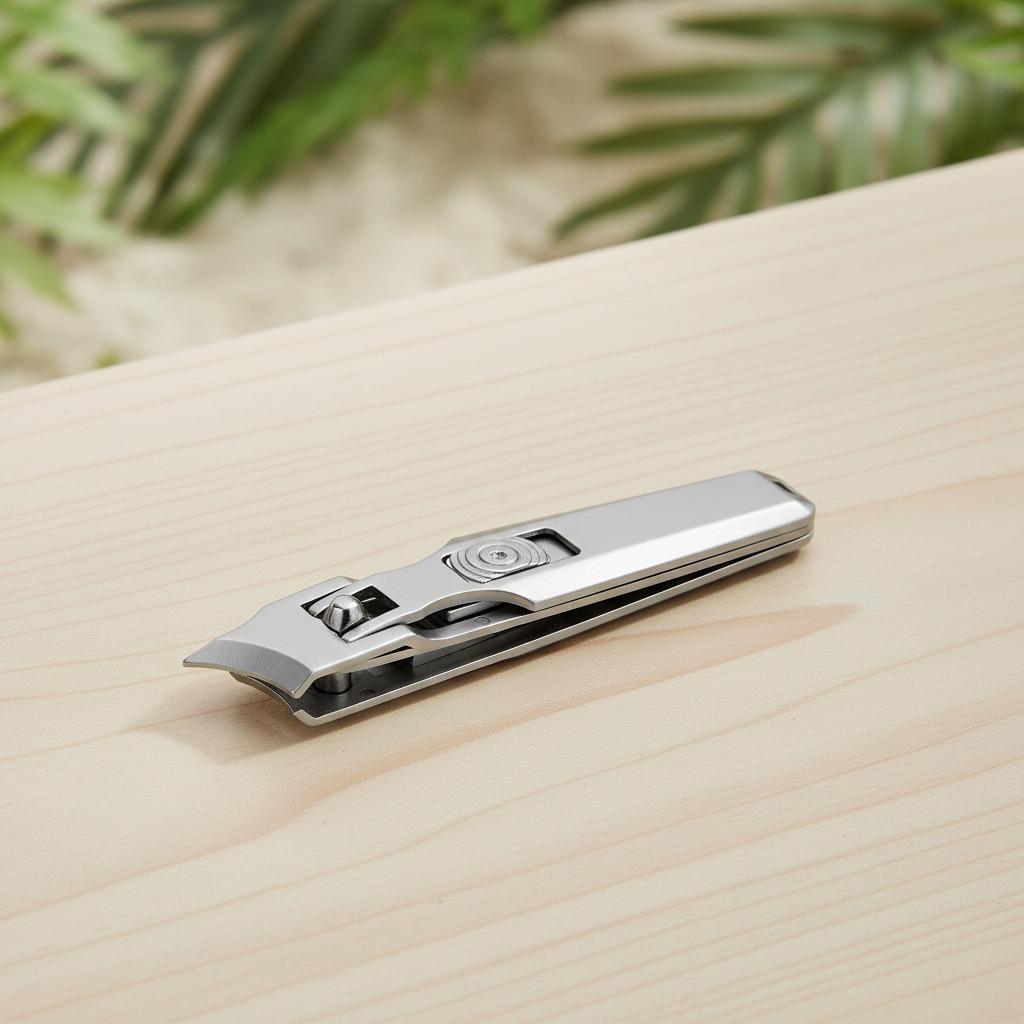
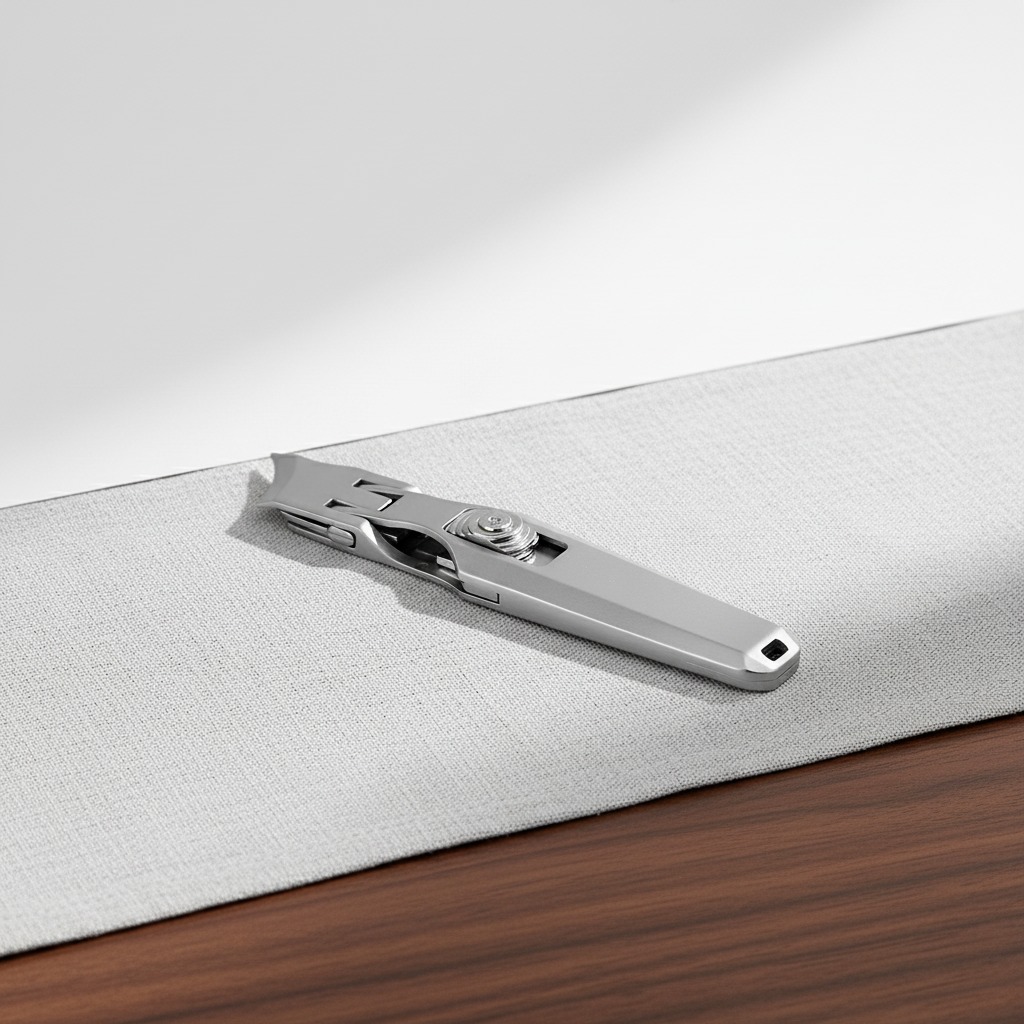
The nail clipper described for this page is a compact stainless steel grooming tool measuring 99 mm in length and weighing 49 grams. Those details matter. A 99 mm clipper is large enough to provide a stable grip for many adult users while remaining portable for home, travel and kit-based sales. A 49 gram weight gives the product a substantial feel without making it bulky. Stainless steel construction is also valuable because it supports durability and helps resist corrosion when the tool is used in bathrooms, travel bags or humid environments.
For import buyers, the right question is not simply whether a clipper looks good in a product photo. The better question is whether the same feel, finish and cutting performance can be maintained across a full shipment.
Key Product Criteria to Check Before Ordering
When sourcing stainless steel nail clippers, the most useful evaluation is hands-on. Photos show the shape and finish, but a sample review reveals cutting smoothness, comfort and assembly quality. Before approving a bulk order, buyers should create a clear checklist that can be used by purchasing, quality and merchandising teams.
- Cutting edge alignment: The two blades should meet cleanly and consistently. Poor alignment can cause tearing, splitting or uneven cuts.
- Sharpness and cutting feel: A good clipper should cut cleanly without requiring excessive pressure. Test on different nail thicknesses where appropriate.
- Lever stability: The lever should move smoothly and return properly. It should not wobble excessively during use.
- Grip comfort: The 99 mm length should provide enough leverage for controlled trimming. Check whether the shape feels secure in dry and slightly damp hands.
- Surface finish: The metallic finish should look uniform, without obvious scratches, stains, burrs or sharp unfinished edges.
- Corrosion resistance expectations: Stainless steel helps resist corrosion, but buyers should still define storage, packaging and market-use expectations.
- Portability: At 49 grams, the clipper is practical for travel kits, retail peg displays, countertop grooming assortments and personal care sets.
- Packaging fit: The product should sit securely in its packaging so movement during transit does not damage the finish or cutting edge.
This type of checklist helps buyers avoid vague approval standards. It also makes supplier communication clearer because concerns can be tied to observable product features rather than subjective comments.
Why Stainless Steel Matters for Nail Clipper Buyers
Stainless steel is a common and practical material choice for nail clippers because the tool is regularly exposed to moisture, skin oils and bathroom storage conditions. For importers, the value of stainless steel is not only in the product description. It also affects customer perception. A clean metallic finish, balanced weight and durable surface can help the clipper feel more reliable in the hand.
However, buyers should avoid treating the words “stainless steel” as a complete quality guarantee. The product still needs good forming, sharpening, polishing, assembly and inspection. A stainless steel clipper with a rough edge or inconsistent lever action will not satisfy users. The best sourcing approach is to evaluate material, workmanship and performance together.
For retail buyers, stainless steel clippers can suit several positioning strategies. They may be presented as everyday personal care tools, travel grooming accessories, manicure kit components, or practical add-ons for health and beauty aisles. The compact size and portable weight support these use cases, while the corrosion-resistant nature of stainless steel helps the product meet everyday grooming expectations.
Quality Control Points for International Nail Clipper Trade
International nail clipper trade requires consistency. A buyer may approve a sample, but the shipment must match that approved standard. Quality control should be considered in stages: incoming materials, production, finishing, assembly, packaging and final inspection. Even when buyers do not manage factory inspection directly, they can define the attributes that matter most for acceptance.
The following table outlines practical inspection points for nail clipper imports:
| Inspection area | What to review | Why it matters |
|---|---|---|
| Blade alignment | Check whether cutting edges meet evenly | Prevents pulling, tearing and uneven trimming |
| Sharpness | Test cutting action with controlled sample checks | Confirms the clipper performs its core function |
| Lever movement | Open, close and press repeatedly | Identifies looseness, stiffness or unstable assembly |
| Surface condition | Inspect for scratches, burrs, stains and rough edges | Protects product appearance and user comfort |
| Size and weight | Confirm the 99 mm length and 49 g weight where required | Maintains consistency with the approved product profile |
| Packaging | Check fit, labeling area and transit protection | Reduces damage and supports retail readiness |
For buyers handling multiple SKUs, it is useful to create an approved sample record. Keep a reference sample, product photos, packaging artwork, agreed inspection points and any special labeling requirements in one place. This reduces confusion when reordering or when different team members manage the project.
Packaging and Market Fit for Imported Nail Clippers
Packaging decisions should match the sales channel. A nail clipper sold in a supermarket, pharmacy, online marketplace or manicure kit may need different presentation. The product itself is compact, so packaging has to provide visibility while protecting the cutting edge and surface finish during shipping and storage.
Important packaging considerations include product orientation, barcode placement, hang-hole requirements, instruction space, language requirements and the durability of the package during long-distance transport. If the nail clipper is part of a set, buyers should also confirm how it fits with other tools so that metal surfaces do not rub against each other and cause scratches.
For online sales, product photography and descriptions should accurately reflect the tool. The 99 mm length and 49 gram weight can be useful details because they help customers understand scale and hand feel. For wholesale and retail distribution, outer carton labeling, inner pack quantities and carton strength should be planned early so receiving warehouses can process the goods smoothly.
How to Compare a Nail Clipper Global Supplier
Choosing a nail clipper global supplier should involve more than a price comparison. Unit cost matters, but inconsistent quality, unclear packaging, late corrections or poorly defined specifications can create greater costs later. Importers should compare suppliers using a balanced view of product capability, communication and export readiness.
A practical supplier review can include these questions:
- Can the supplier provide a sample that represents the intended bulk shipment?
- Are product details such as length, weight, material and finish clearly confirmed?
- Is there a defined process for checking blade alignment, surface finish and lever function?
- Can packaging requirements be discussed before production approval?
- Are export documents, carton marks and shipment instructions handled clearly?
- Is communication specific enough to resolve technical issues before the order moves forward?
Olimor Beauty focuses on beauty and grooming tools for business buyers, including stainless steel nail clippers designed for everyday use, travel and retail grooming assortments. Buyers who are preparing a sourcing project can send an inquiry with target product details, packaging needs and destination market information. For broader sourcing discussions, you can also contact Olimor.
Import Planning: From Sample Review to Repeat Orders
A well-managed import process starts before the purchase order. Begin with a product brief that defines the nail clipper type, intended retail channel, packaging format, target market and any labeling needs. Then request samples and evaluate them against a checklist. If changes are required, document them clearly and confirm a revised sample before moving to bulk production.
During order planning, align your internal teams around the same approval criteria. Merchandising may focus on appearance and packaging, while quality teams focus on cutting performance and durability. Logistics teams need carton and shipping information. When these requirements are gathered early, the project is easier to manage.
For repeat orders, keep records of approved samples, previous shipment feedback and customer comments. If customers praise the cutting feel, portability or stainless steel finish, preserve those features. If there are complaints about packaging damage, lever looseness or surface marks, include corrective checkpoints in the next order review.
Final Thoughts for Buyers Importing Nail Clippers from China
Importing nail clippers from China can be an efficient choice when the buyer treats the product as a precision grooming tool rather than a simple commodity. The best purchasing decisions consider material, cutting performance, hand feel, finish quality, packaging and export coordination together.
The stainless steel nail clipper featured here offers a practical profile: 99 mm in length, 49 grams in weight, portable enough for travel and substantial enough for everyday grooming. For importers, that combination can fit many retail and distribution needs when supported by clear specifications and consistent inspection standards.
If you are building a nail care assortment or comparing grooming tool suppliers, review the product criteria carefully, prepare a focused inquiry and confirm samples before scaling up. This approach helps protect your brand, reduce avoidable quality issues and support smoother international trade.
Tag: