


Tweezers Export from China: A Practical Sourcing Guide for Beauty Resellers
Tweezers are small tools, but they can have a large effect on customer satisfaction. A pair that grips cleanly, aligns well, and resists corrosion can become a repeat-purchase item for beauty retailers, salon suppliers, online stores, and distributors. A pair that feels weak or uneven can quickly create returns and negative reviews. For buyers researching tweezers export from China, the goal is not simply to find the lowest unit price. The better approach is to understand the product details that influence performance, packaging, reorder consistency, and total landed cost.
China remains an important sourcing base for beauty tools because of its established supply chain, manufacturing experience, and ability to support volume orders. Olimor Beauty focuses on beauty tools for professional and retail channels, including tweezers made for grooming and precision tasks. If you are comparing beauty tool products for resale, use this guide to structure your sourcing decisions and avoid common purchasing mistakes.
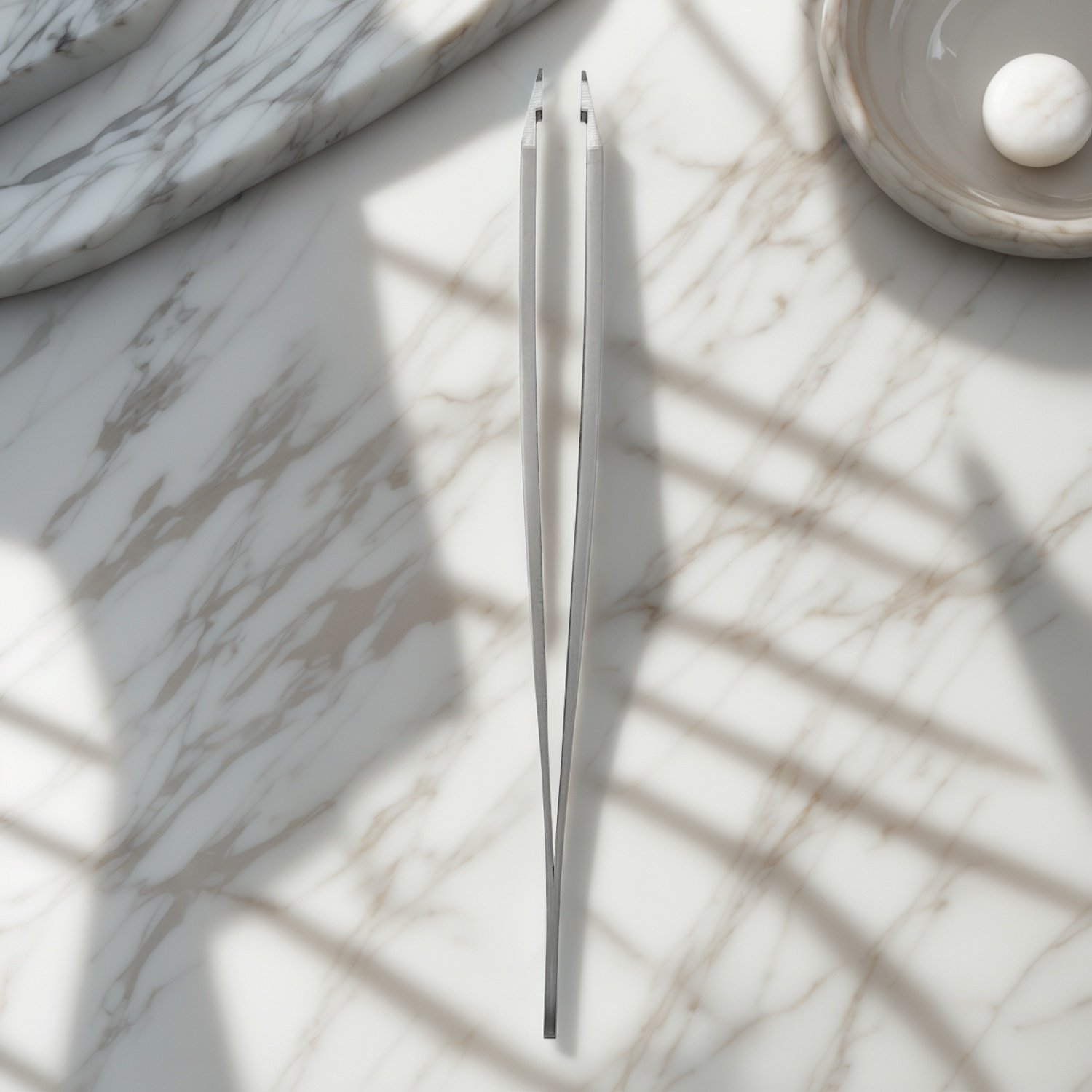
Why Tweezers Are a Strong Category for Resellers
Tweezers are practical, compact, and easy to merchandise across many beauty channels. They fit into eyebrow care kits, lash application sets, nail tool assortments, travel grooming ranges, and point-of-sale displays. For resellers, this makes tweezers useful both as a stand-alone product and as a complementary item that increases average order value.
Distributors also benefit from the simple logistics of the category. Tweezers are lightweight, do not require complex instruction manuals, and can be packed in retail sleeves, boxes, pouches, or sets depending on the sales channel. Because the product is small, buyers can test different tip styles, finishes, and packaging formats without the storage burden of larger beauty equipment.
However, the simplicity of the product can be misleading. Customers judge tweezers by very specific details: whether the tips meet evenly, whether they can grip fine hair, whether the edge feels too sharp, whether the spring tension is comfortable, and whether the finish stays clean after repeated use. These details should guide your sourcing process from the beginning.
Key Product Features to Evaluate Before Ordering
When comparing tweezers for resellers or distributors, start with performance rather than appearance. A polished finish and attractive packaging help sales, but the tool must first work reliably. The original product focus includes stainless steel tweezers, with attention to durability, precision, ergonomic handling, rust resistance, and finely aligned tips. These are the features buyers should verify through samples before confirming a bulk order.
- Tip alignment: The two sides should meet evenly at the gripping point. Misalignment is one of the most common reasons tweezers fail to pick up fine hairs.
- Grip performance: Test the tweezers on different hair thicknesses or fine fibers. A good pair should grip without excessive squeezing.
- Material and finish: Stainless steel is widely used in beauty tweezers because it is durable and suitable for repeated handling. Confirm the material stated for the product you intend to purchase.
- Edge feel: The tip should be precise but not rough. Overly sharp edges can feel uncomfortable for grooming use.
- Hand comfort: Tension should feel controlled. If the arms are too stiff, customers may find the tool tiring; if too loose, it may feel weak.
- Surface quality: Check for scratches, burrs, discoloration, uneven coating, or visible finishing marks that could affect retail presentation.
For distributors building a broader beauty tool assortment, it can be helpful to compare tweezers alongside related product collections. This makes it easier to plan consistent packaging, finish options, and retail positioning across multiple tools.
Choosing Tweezers for Different Sales Channels
The best tweezer specification depends on where and how the product will be sold. A professional salon supplier may prioritize grip accuracy and long service life, while an e-commerce brand may also need strong packaging, clear product photography, and low defect rates to protect review scores. A supermarket or chain retailer may care most about barcode labeling, shelf-ready packaging, and consistent replenishment.
For beauty salons, precision and comfort should be the main criteria. Salon users often handle tools throughout the day, so a balanced grip and dependable alignment matter more than decorative finishes. For online retail, consider how the product will be explained in images and bullet points. Customers cannot test the tweezer before purchase, so clear descriptions of tip type, use case, material, and care instructions can reduce confusion.
For distributors, assortment planning is especially important. Instead of buying only one style, many buyers consider a small range that covers common needs: a general eyebrow tweezer, a precision tip for detail work, and a broader retail pack for everyday grooming. The exact assortment should be based on your market, but the principle is the same: each SKU should have a clear reason to exist.
What Affects Bulk Tweezers Price?
Bulk tweezers price is influenced by more than the base cost of the tool. Buyers often compare quotes without checking whether the same assumptions are included. A lower unit price may exclude packaging, labeling, surface finishing, inspection requirements, or export documentation support. Before comparing suppliers, create a consistent quotation checklist.
| Price Factor | Why It Matters | Buyer Checkpoint |
|---|---|---|
| Material | Material choice affects durability, corrosion resistance, and perceived value. | Confirm the stated material for the exact item and sample. |
| Tip finishing | Accurate tip grinding and alignment affect grip performance. | Test multiple samples, not just one display piece. |
| Packaging | Retail packaging changes cost, carton volume, and shelf presentation. | Compare plain bulk packing versus retail-ready options. |
| Order quantity | Larger orders may reduce unit cost but increase inventory risk. | Balance price breaks with realistic sell-through. |
| Customization | Logo, color, finish, or packaging changes may add setup and lead-time considerations. | Clarify artwork, approval samples, and repeat-order consistency. |
For new buyers, the safest path is often to validate the product and packaging before expanding order volume. This approach may not deliver the lowest starting unit cost, but it helps reduce the risk of holding inventory that does not match customer expectations.
Quality Control Points for Export Orders
Quality control for tweezers should be practical and repeatable. Because each tool is small, defects can be missed if inspection only focuses on carton counts. A good inspection plan should include visual review, functional testing, and packaging checks. Olimor Beauty emphasizes quality assurance from materials to packaging, and buyers can support this by defining what acceptable quality means for their own market.
- Approve a reference sample: Keep an approved sample that defines the expected shape, finish, tension, and packaging.
- Check tip contact: Inspect whether the tips close evenly and grip cleanly.
- Review surface finish: Look for visible scratches, stains, burrs, or inconsistent coating.
- Test handling comfort: Open and close the tweezers repeatedly to evaluate tension and spring feel.
- Confirm packaging details: Verify barcode placement, labels, language, item description, and carton marks where applicable.
- Inspect assortment accuracy: If ordering multiple styles, confirm that each SKU is packed and labeled correctly.
These steps are especially useful for online sellers because small defects can lead to oversized customer service costs. For distributors, they help maintain consistency across multiple retail accounts and repeat shipments.
Packaging and Positioning for Retail Success
Packaging should match the price point and sales environment. A professional supply channel may prefer simple protective packaging that keeps the tool clean and easy to identify. A retail shelf may require a hanging card, blister pack, box, or pouch that presents the tool clearly and protects the tip. E-commerce sellers should think about both the retail pack and the shipping pack, because damage during delivery can affect reviews even when the tool itself was manufactured correctly.
Product positioning should be specific. Instead of describing every tweezer as suitable for everything, identify the main use case: eyebrow shaping, fine hair removal, lash placement, grooming kits, or professional salon resale. Clear positioning helps customers select the right tool and reduces disappointment caused by mismatched expectations.
How to Communicate Your Requirements Clearly
Strong sourcing results usually begin with clear product communication. Before requesting a quotation, prepare the information that affects cost and production planning. Include the intended use, target sales channel, estimated quantity, packaging preference, labeling needs, and any market-specific requirements you already know. If you are still comparing options, separate your questions into product performance, packaging, and commercial terms so the discussion stays organized.
Buyers who need help comparing options can contact Olimor with their sourcing goals, or send an inquiry for product and order discussion. A focused inquiry saves time for both sides and makes it easier to receive a relevant response.
Building a Better Long-Term Tweezer Program
A profitable tweezer program is built on consistency, not one-time purchasing. Track customer feedback after the first order: Are users satisfied with grip strength? Are returns related to alignment, packaging damage, or unclear product descriptions? Which finish or pack format sells fastest? This information helps refine future orders and improves your negotiating position because you can make decisions based on actual market demand.
For resellers and distributors, tweezers export from China can support a reliable beauty tool category when sourcing is handled carefully. Focus on sample testing, tip performance, packaging suitability, and clear communication before scaling volume. With the right selection criteria, tweezers can become a dependable addition to a beauty assortment rather than a commodity chosen only by price.
Tag: