

Beauty Tools Wholesale Buying Guide for Salon Profit
Beauty tools wholesale purchasing can directly affect a salon’s service quality, retail margins, and daily operating efficiency. For salon owners, spa managers, lash studios, nail technicians, and personal care resellers, buying tools in bulk is not simply about finding the lowest unit price. The better goal is to build a dependable tool supply that supports hygiene, technician comfort, repeatable results, and sensible inventory control.
Wholesale beauty tools may include eyelash curlers, manicure sets, tweezers, nail files, pedicure implements, and other personal care essentials used for professional services or retail add-on sales. When these items are selected carefully, they help reduce last-minute purchasing, improve consistency across workstations, and give clients confidence in the salon’s standards. When they are selected poorly, they can create hidden costs through breakage, customer complaints, sanitation problems, or slow-moving stock.
Start With the Services That Drive Tool Demand
Before comparing wholesale offers, map your tool purchasing to actual services and retail demand. A lash-focused salon may need eyelash curlers in bulk for professional use and retail display. A nail salon may prioritize manicure sets, nail files, cuticle tools, tweezers, and pedicure-related tools. A general beauty retailer may need a balanced mix of personal care tools that are easy for consumers to understand and purchase.
Use service volume as your starting point. If your salon performs many lash appointments each week, eyelash curlers should be evaluated for pad fit, hinge smoothness, hand comfort, and durability under repeated use. If manicures and pedicures represent the core of your business, the more important questions may involve grip, precision, cleaning process, and how the tools hold up in a busy appointment schedule.
Wholesale purchasing becomes more profitable when each category has a clear purpose. Avoid ordering a wide variety only because the unit price looks attractive. Instead, group tools into practical roles: tools used by technicians, tools sold to clients, replacement items, and seasonal or promotional products. This keeps your inventory focused and prevents cash from being tied up in items that do not move.
Key Wholesale Categories for Salons and Resellers
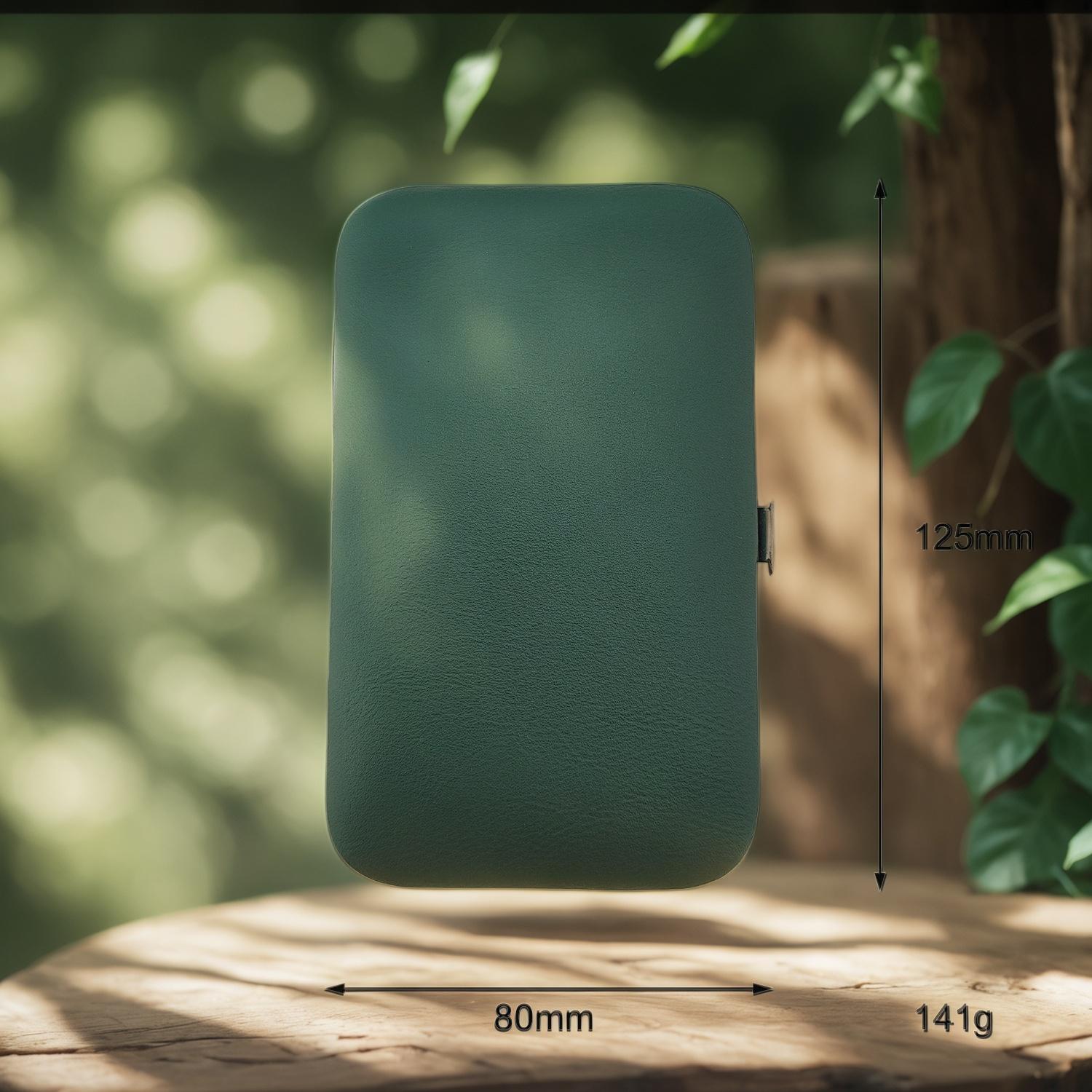
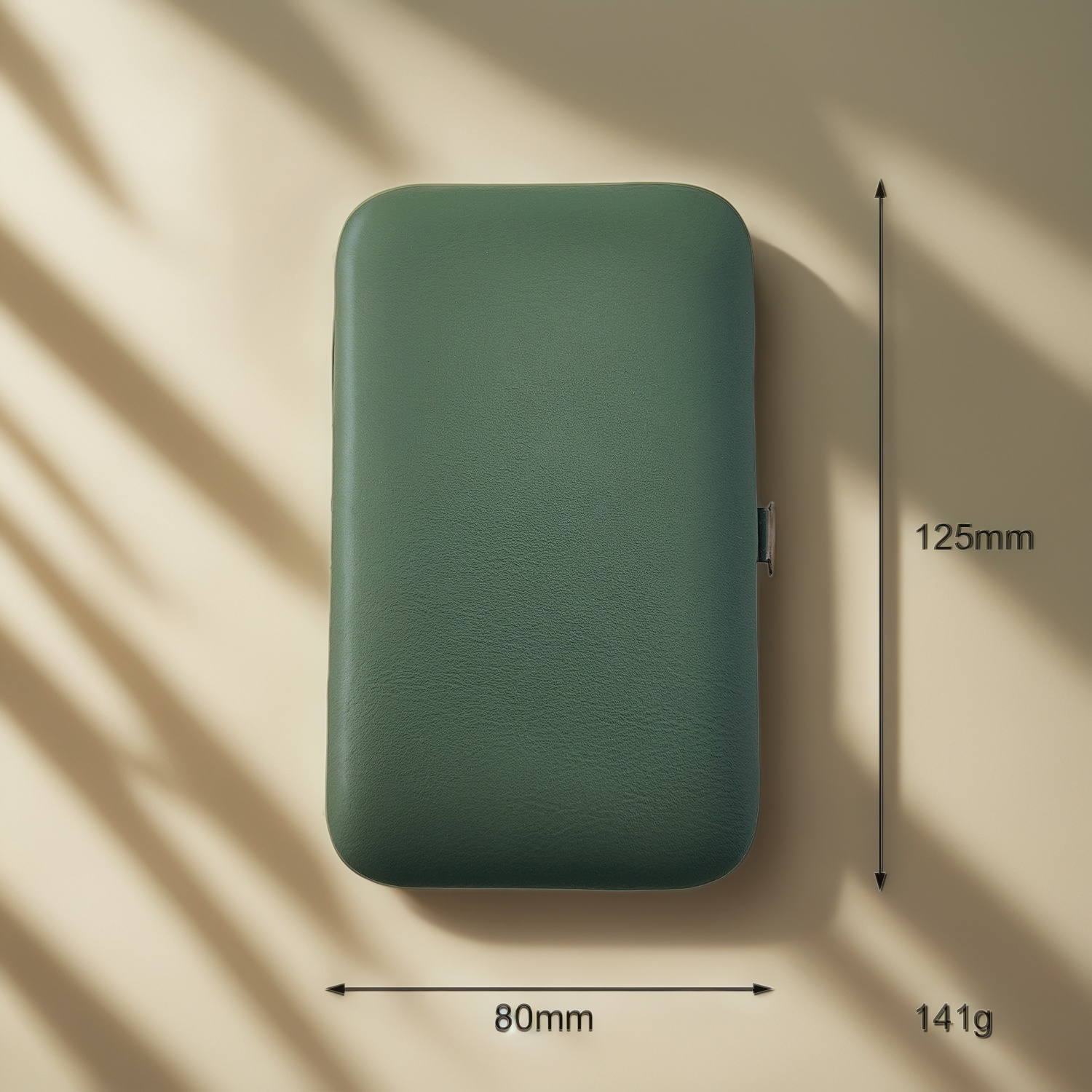
Beauty tools wholesale usually works best when the order is built around a few reliable categories. The right mix depends on your salon menu, customer expectations, and whether you also sell take-home products. Olimor Beauty offers beauty tool options for professional and personal care use, including items such as manicure sets with precision tweezers and nail files. When comparing product groups, consider both the technician’s workflow and the customer’s end use.
- Eyelash curlers bulk: Useful for lash services, makeup stations, and retail displays. Check the curve, pressure control, pad quality, and comfort of the handle.
- Manicure sets: Practical for nail studios, gift sets, retail shelves, and personal grooming kits. Review whether the included items match your clients’ needs rather than choosing by piece count alone.
- Tweezers: Commonly used for brow, lash, and grooming services. Precision tips, alignment, and grip comfort are more important than decorative appearance.
- Nail files: Needed in high quantities for nail services. Consider grit type, size, sanitation approach, and whether the file is intended for professional or personal use.
- Pedicure tools: Relevant for foot care menus and retail add-ons. Prioritize safe handling, easy cleaning, and suitability for your service standards.
You can review broader category options through Olimor’s beauty tool products or browse related product collections when planning a wholesale assortment. A structured review helps you avoid overlap and makes it easier to compare similar tools across categories.
How to Evaluate Quality Before Buying in Bulk
Quality evaluation is the most important step in beauty tools wholesale because small design differences become large operational issues when repeated across many appointments. A tool that feels acceptable for occasional personal use may not perform well in a salon where it is handled several times a day. For that reason, assess each item from three angles: material and construction, ergonomic design, and cleaning practicality.
Stainless steel is commonly valued in beauty tools because it can offer strength, a clean appearance, and practical maintenance. The original Olimor Beauty product information highlights ergonomic stainless steel tools and quality checks, which are relevant factors for professional buyers. However, every buyer should still examine whether a specific tool fits the intended use. Look for smooth surfaces, secure joints, clean edges, and consistent finishing.
For eyelash curlers, test how smoothly the hinge opens and closes, whether the pressure feels controlled, and whether the pad sits evenly. For tweezers, inspect tip alignment and whether the grip allows fine control without excessive hand strain. For nail files and manicure tools, consider whether the shape works comfortably for technicians and clients. If a tool is likely to be sold at retail, packaging clarity and product presentation also matter because customers need to understand the item quickly.
| Buying Factor | What to Check | Why It Matters |
|---|---|---|
| Material and finish | Smooth edges, clean surfaces, secure construction | Supports safety, hygiene, and perceived quality |
| Ergonomics | Grip comfort, hand position, pressure control | Reduces technician fatigue during repeated use |
| Function | Tip alignment, hinge movement, file performance | Improves consistency of salon results |
| Maintenance | Easy-to-clean shapes and simple storage | Helps maintain hygiene and tool lifespan |
| Retail suitability | Clear use case, attractive but practical presentation | Improves sell-through for take-home products |
Balance Unit Price With Real Salon Cost
Low unit price is only one part of wholesale value. The real cost of a beauty tool includes replacement frequency, time lost to inconsistent performance, storage space, staff frustration, and the risk of disappointing clients. A slightly higher-quality tool may be more profitable if it lasts longer, performs more consistently, or sells more easily as a retail item.
When comparing suppliers, calculate expected use rather than focusing only on the purchase invoice. For example, if a nail file category is used in high volume, even a small difference in durability or user experience can affect monthly cost. If tweezers are part of precision services, poor alignment can slow down appointments or reduce service quality. If eyelash curlers are sold to customers, returns or dissatisfaction can damage trust more than the initial margin is worth.
A practical approach is to divide your buying plan into core tools and test items. Core tools are the items you know your salon uses regularly. These should meet a higher standard because they affect everyday work. Test items are new categories, seasonal retail products, or alternative designs. Keep test quantities controlled until you understand how technicians and clients respond.
Hygiene, Maintenance, and Tool Lifespan
Wholesale purchasing should always be connected to a clear hygiene and maintenance process. Even well-made personal care tools can fail to deliver value if they are cleaned improperly, stored carelessly, or used outside their intended purpose. Salons should create a simple tool-care routine that staff can follow consistently during busy days.
- Separate professional-use and retail stock. Tools used in services should never be mixed with packaged products intended for sale.
- Clean tools promptly after use. Residue left on tools can affect hygiene and shorten useful life.
- Inspect working parts regularly. Check hinges, tips, edges, pads, and file surfaces for wear or damage.
- Store tools safely. Avoid loose storage that causes tips to bend, edges to dull, or surfaces to scratch.
- Replace tools before performance declines. Waiting until a tool fails during service can affect client experience.
Maintenance also supports purchasing decisions. If a tool requires too much staff time to clean or store, it may not be the right fit for a high-volume salon. Conversely, a tool that is easy to maintain can deliver better value even when its initial cost is not the lowest.
Inventory Planning for Profitable Wholesale Orders
Good inventory planning prevents two common problems: running out of essential tools and overbuying products that do not sell. Start by recording how many tools are used, replaced, or sold each month. Even a simple spreadsheet can reveal which categories deserve larger wholesale orders and which should remain limited.
For professional-use tools, plan around workstation count, service volume, replacement cycles, and backup needs. For retail tools, plan around shelf space, customer profile, and sales history. A salon that serves many regular manicure clients may sell take-home nail files or manicure sets more easily than a salon focused only on occasional event makeup. A lash studio may find better retail potential in eyelash curlers if staff can explain correct use and suitable aftercare.
Wholesale orders should also consider storage conditions. Tools that are packed too tightly can be damaged before use, while disorganized storage makes it harder for staff to rotate inventory. Labeling boxes by category and arrival date can help your team use older stock first and keep retail displays neat.
Supplier Questions That Help Protect Your Margin
A dependable wholesale relationship should make purchasing easier, not more confusing. When evaluating beauty tool suppliers, focus on practical questions that help you compare product suitability and order reliability. You do not need to know every manufacturing detail before making a purchase, but you should understand enough to judge whether the tools fit your business.
- Which tool categories are best suited for professional salon use, retail sale, or personal care kits?
- What materials and design features are used for the specific tool you are considering?
- How should the product be cleaned, stored, and maintained in a salon environment?
- Can the assortment support the mix of lash, manicure, pedicure, or grooming services you provide?
- How are tools packed to reduce damage during transport and storage?
- Are product images, descriptions, and category information clear enough for retail or online resale use?
If you are comparing options or preparing a category list, you can contact Olimor for product communication or send an inquiry with your intended tool categories and use cases. A clear inquiry that lists your target services, product types, and expected sales channels will usually lead to a more useful recommendation.
Build a Wholesale Assortment Around Repeatable Value
The most profitable beauty tools wholesale strategy is built on repeatable value: tools that technicians can rely on, clients can understand, and the business can reorder with confidence. Instead of chasing every new item, build a focused assortment around your strongest services and retail opportunities. Then review performance regularly and adjust based on actual use, replacement needs, and client feedback.
For salons, this means selecting tools that support professional standards every day. For resellers, it means choosing products with clear use cases, practical quality, and presentation that matches the target buyer. For both groups, the strongest wholesale decisions come from balancing price with durability, ergonomics, hygiene, and inventory movement.
Beauty tools may be small, but they influence service speed, customer comfort, retail sales, and brand perception. With a structured buying process, salons and personal care businesses can reduce waste, maintain a stronger product supply, and protect margins without compromising the client experience.
Tag: