

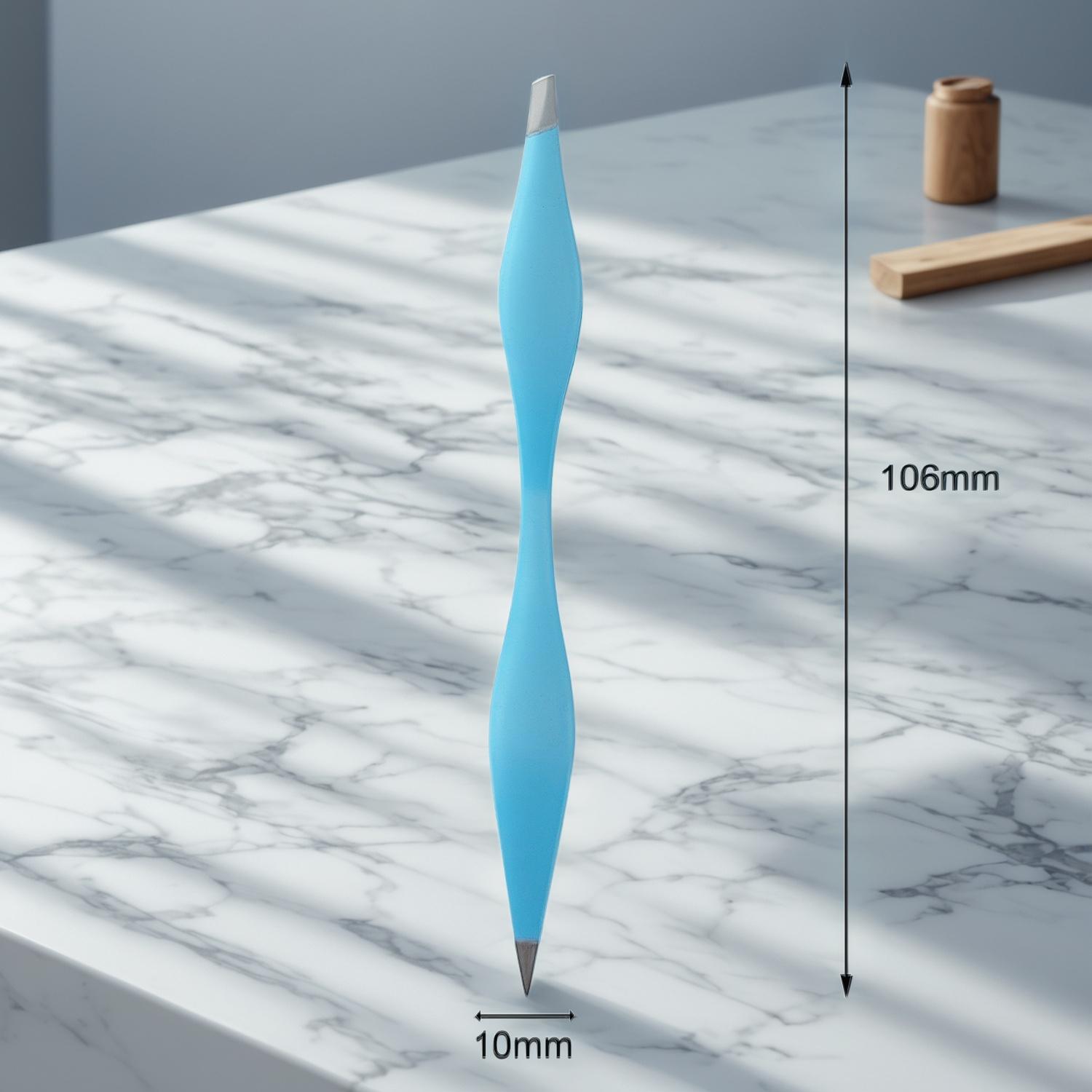
Tweezers Wholesale Buying Guide for Beauty Businesses
Buying tweezers wholesale is not simply a matter of finding the lowest unit price. For salons, beauty retailers, grooming kit brands and online sellers, tweezers are small tools that customers judge immediately by feel, alignment and reliability. A tweezer that looks good in packaging but fails to grip fine hair can lead to returns, poor reviews and a weaker brand reputation. A well-chosen bulk order, on the other hand, can support repeat purchases, professional service quality and consistent retail margins.
Olimor Beauty supplies beauty tools for professional and retail use, and tweezers are a practical category for businesses that want compact inventory, broad customer appeal and opportunities for branded presentation. Whether you are building a salon back-bar supply, assembling manicure and grooming kits, or exploring private label manicure tools, the right sourcing process helps you avoid common problems before an order reaches your customers.
Why Tweezers Are a Strong Wholesale Category
Tweezers have a simple purpose, but they serve many buyer groups. Brow technicians need dependable precision. Nail salons use tweezers for nail art placement, decals and small grooming tasks. Retail customers buy them as daily personal care items. Travel kits, gift sets and beauty tool bundles often include at least one pair because tweezers are lightweight, familiar and easy to explain.
For wholesale buyers, this creates several advantages. Tweezers do not require complex user education, they fit into small packaging formats, and they can be sold individually or as part of a broader tool assortment. You can also coordinate tweezers with other beauty tool products to create a more complete retail or professional offer.
The challenge is that customers often notice quality issues quickly. Poorly aligned tips, rough edges, weak tension, slippery grip surfaces and inconsistent finishing can make a product feel cheap even when the packaging is attractive. That is why selection should focus on usable performance first, then branding and cost optimization.
Match Tweezer Types to Real Use Cases
Before requesting samples or comparing quotations, define what the tweezers are expected to do. Different tip shapes serve different tasks, and a single design may not be ideal for every channel. A brow bar, a nail art retailer and a general grooming kit may each need a different assortment.
| Tweezer type | Common use | Buyer considerations |
|---|---|---|
| Slant tip | General eyebrow shaping and everyday grooming | Most versatile option for retail and salon use; check that the angled tips meet evenly. |
| Point tip | Precision work and isolating very fine hairs | Requires careful finishing and protective packaging because tips are delicate. |
| Flat tip | Holding larger items, applying nail accessories or general utility tasks | Useful for manicure and craft-adjacent beauty kits; grip surface should be even. |
| Curved tip | Specialized placement tasks, including some nail art applications | Best when the customer understands the intended use; less universal than slant tips. |
For many wholesale programs, slant-tip tweezers are the safest starting point because they are familiar to end users and suitable for broad grooming needs. If your business sells nail tools or beauty kits, adding a flat or curved option can make sense. If your audience includes professionals who perform detailed brow work, point-tip tweezers may be valuable, but they require stricter inspection and careful packaging to protect the tips.
Quality Checks That Matter in Bulk Orders
A tweezer can look acceptable in a product photo but perform poorly in hand. Wholesale buyers should evaluate samples with the same attention their customers will use at home or in a treatment room. Focus on fit, finish and repeatable function rather than cosmetic appearance alone.
- Tip alignment: The two tips should meet evenly without a gap or crossing. Misalignment is one of the most common causes of weak grip.
- Gripping performance: Test the tweezers on fine hair, a thin thread or other small material. The tips should hold without excessive pressure.
- Tension: The arms should flex smoothly and return to position. Too much tension feels tiring; too little tension feels uncontrolled.
- Edge finishing: Check for sharp unwanted edges, burrs or rough corners that could scratch skin or damage packaging.
- Surface consistency: Polished, matte or coated finishes should be even across the order sample. Inconsistent finishing can make retail stock look mixed.
- Cleanliness and packaging: Tools should arrive clean, protected and ready for the next stage of packaging or distribution.
When comparing a manicure tools supplier, also consider whether the supplier understands how the tool will be sold. A professional salon may prioritize grip and long service life, while a retail brand may also need color consistency, barcode space, compact packaging and clear consumer instructions. Both are valid, but they require different sourcing decisions.
Packaging and Private Label Planning
Private label manicure tools can help a retailer or beauty brand create a consistent product line, but branding should not be treated as an afterthought. Tweezers are small, so every packaging decision affects how the product is perceived. A protective sleeve, backing card, pouch or box can change the customer’s first impression and also reduce the risk of tip damage during shipping.
Start by deciding where the tweezers will be sold. For e-commerce, compact protective packaging that photographs clearly and survives parcel handling is important. For salon supply, simple functional packaging may be enough if the buyer values efficiency. For retail display, hang holes, readable labels and clean product visibility may be more important.
Brand owners should prepare the basic elements before ordering: logo files, preferred colors, product name, care instructions, barcode requirements and any market-specific labeling text. If sustainability is part of your retail positioning, consider packaging volume, material choices and whether the design avoids unnecessary layers. The original product claim should always match what is actually supplied; do not rely on vague eco-language unless the packaging and tool details support it.
How to Compare Wholesale Suppliers
A low quote may not be the best quote if it creates rework, delays or inconsistent quality. When reviewing wholesale options, compare suppliers on the full buying process, not only the unit price. Olimor Beauty works in the beauty tools field, and buyers can explore related product collections when planning a broader assortment.
Use a structured checklist before placing a bulk tweezer order:
- Define the target customer. Identify whether the tweezers are for salons, brow professionals, nail art users, retail customers or kit assembly.
- Select the tip shape and finish. Match the tool to its use case before discussing packaging or branding.
- Request and test samples. Evaluate alignment, grip, tension, finish and packaging protection under real handling conditions.
- Confirm customization scope. Clarify what can be customized, such as logo placement, packaging format or color, without assuming unconfirmed options.
- Review inspection expectations. Establish the quality points that matter most for your order, especially tip alignment and surface finish.
- Plan logistics and labeling. Make sure carton markings, retail labels and import requirements are considered before production is completed.
For export buyers, communication clarity is especially important. If you are sourcing from a beauty tools exporter in Guangdong or another manufacturing region, provide reference photos, packaging dielines when available, and written approval standards. This reduces misunderstandings and gives both sides a clearer basis for sample approval.
Building a Profitable Tweezer Assortment
A wholesale tweezer program does not need to include every possible style. In many cases, a focused assortment performs better because it is easier to manage, explain and replenish. A practical starter range might include a general slant-tip option for everyday grooming, a precision point-tip option for detail work, and a flat or curved option for nail art or placement tasks. The exact mix should follow your sales channel.
If your business sells to salons, consider how tools are used repeatedly throughout the day. Comfort, grip and easy cleaning are important. If you sell through retail or online marketplaces, customer reviews may focus on whether the tweezers remove fine hair cleanly and whether the product received matches the photos. If you assemble grooming kits, consistency across all tools in the set becomes important because one weak item can affect the perceived value of the whole kit.
Pricing should also reflect positioning. A very inexpensive tweezer may work for promotional kits, but it may not suit a premium brow-care brand. A higher-spec presentation may make sense for giftable products, but only if the tool itself performs well. Always test the relationship between product cost, packaging cost, expected selling price and return risk.
Care, Handling and After-Sales Guidance
Good after-sales information can reduce complaints and help customers use the tool correctly. Even a well-made tweezer can lose performance if dropped on the tip, stored loosely with heavier tools or used for tasks outside its intended purpose. Include simple guidance where appropriate: keep tips protected, wipe clean after use, avoid twisting the arms, and store the tool in a dry place.
For professional settings, salons may want multiple pairs available so tools can be cleaned and rotated between services according to their own hygiene procedures. For retail customers, a small sleeve or cap can help protect the tip and preserve alignment. These details are inexpensive compared with the cost of dissatisfied customers.
Next Steps for Wholesale Buyers
Tweezers wholesale can be a strong category when the buying decision is based on real use, not just appearance. Choose the tip type for the target customer, test samples carefully, define packaging needs early and compare suppliers on consistency as well as price. A reliable manicure tools supplier should help you move from concept to practical product planning without encouraging unsupported claims or unnecessary complexity.
If you are preparing a retail line, salon supply order or private label grooming kit, review Olimor Beauty’s available beauty tool products and related product collections. For project-specific questions, you can send an inquiry or contact Olimor with your target market, preferred tweezer type and packaging requirements.
Tag: