

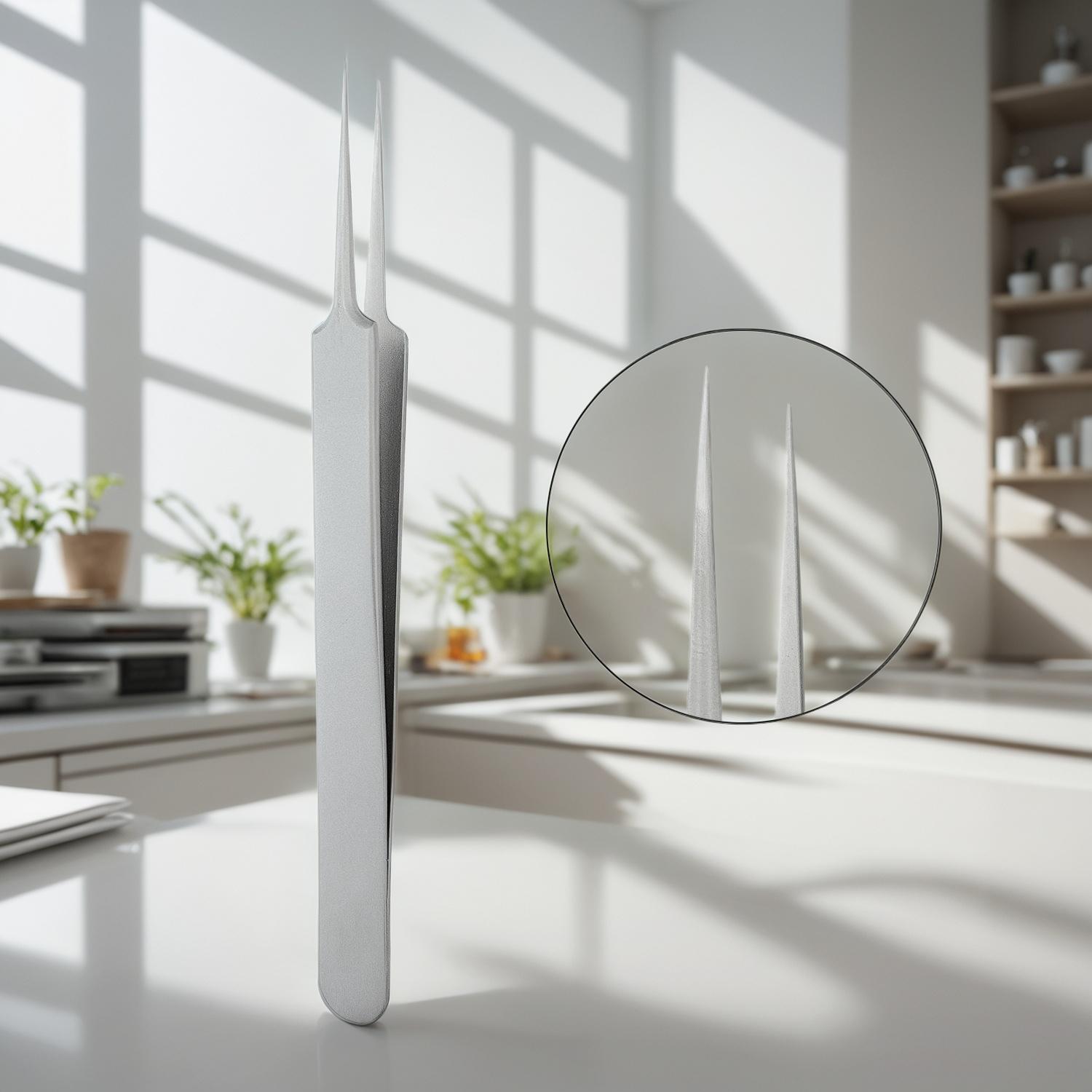
Importing Tweezers from China: Quality Checks for Beauty Tool Buyers
Importing tweezers from China can be straightforward when you are buying a basic, disposable-style tool. It becomes more demanding when your customers expect clean tip alignment, consistent tension, safe finishing and a professional feel in the hand. Beauty retailers, salon suppliers, lash brands, nail brands, electronics distributors and crafting tool buyers may all search for tweezers, but they do not always need the same product. The first sourcing decision is not simply “which supplier is cheapest?” It is “which supplier can make the tweezer suitable for the way it will actually be used?”
For beauty tool buyers, tweezers are small products with a high visibility problem: every flaw is easy for the end user to feel. A rough edge can scratch skin. Tips that do not meet evenly can miss fine hair. Weak spring tension can make the tool feel imprecise. Overly stiff tension can fatigue the hand during repeated use. These details are why a professional sourcing process should compare manufacturing standards, product purpose, sample consistency and packaging requirements before moving to a larger order.

Start With the Use Case, Not the Catalog Photo
A tweezer that looks acceptable in a product image may still be wrong for the customer. Before comparing quotations, define the use case in practical terms. A general eyebrow tweezer, an ultra-fine tweezer for delicate work and an ESD tweezer set for electronics-related applications should be evaluated differently. Even within beauty, a salon buyer may prioritize control and durability, while a promotional kit buyer may prioritize a clean appearance and stable unit cost.
When building your inquiry, describe the intended buyer and task. For example, beauty retailers may need tweezers for brow shaping and occasional facial hair removal. Lash professionals may need finer tips for handling small items with accuracy. Electronics repair users may need anti-static considerations. Crafting users may value grip and tip access in tight spaces. This positioning helps prevent a supplier from recommending a generic item when a more specialized instrument is needed.
Olimor Beauty’s beauty tool products include tools intended for different levels of precision, so buyers should match the product type to the end user rather than sourcing one tweezer for every channel.
Standard Tweezers vs. Professional Precision Tools
The global tweezer market includes mass-produced standard tools and more carefully finished professional instruments. Standard tweezers can be useful for non-critical general use, especially where the product is part of a low-cost kit. However, they may not offer the same durability, control or refined accuracy expected by professional users. The difference often appears in the small details: how evenly the tips close, whether the tip edges feel smooth, whether the arms return consistently after pressure and whether the finish holds up during normal handling.
Professional-grade tweezers should be assessed as working tools rather than simple accessories. High-grade stainless steel is commonly valued in this category because buyers look for a balance of strength, corrosion resistance and clean finishing. Ergonomic design also matters. A tweezer that is technically sharp but uncomfortable to use will still create complaints in salon or repeat-use settings. Precise engineering is especially important for ultra-fine tips, where small misalignment can make the tool ineffective.
If you are comparing a generic supplier with a dedicated manufacturer, ask for evidence through samples, photos of the actual batch style and clear product descriptions. The goal is not to collect marketing claims, but to verify that the tool’s construction matches your customer’s expectations.
Key Quality Checks Before You Confirm an Order
Quality control for tweezers should be practical and repeatable. A buyer does not need a complicated laboratory process for every order, but should establish clear checks that can be applied to samples and pre-shipment inspections. The following checklist is useful for importers evaluating beauty or precision tweezers:
- Tip alignment: The two tips should meet cleanly and evenly without visible crossing, gaps or twisting.
- Grip performance: Test the tweezer on fine hair, thin paper or another suitable sample material to see whether it grips without slipping.
- Edge comfort: Areas near the tip and handle should not feel sharp against the fingers or skin unless the design intentionally requires a fine point.
- Tension consistency: The arms should open and close smoothly. Compare several samples, not just one hand-selected piece.
- Surface finish: Look for scratches, uneven polishing, discoloration, burrs or coating defects.
- Symmetry: Check whether the arms are balanced and whether the tool sits straight when viewed from the top and side.
- Packaging fit: The tweezer should not move excessively inside the package, and the tips should be protected during transport.
- Label accuracy: Product name, barcode, warnings and country-of-origin information should match your sales channel requirements.
These checks should be written into your internal buying notes. If your team sources multiple products, a simple pass/fail form helps keep decisions consistent across different suppliers and batches.
Questions That Separate a Supplier From a Trading Listing
Many online listings use similar product photos, so buyers need a better way to compare suppliers. A useful supplier conversation should cover process, customization boundaries and inspection expectations. Instead of asking only for a price list, request specific information that affects the final customer experience.
| Buyer question | Why it matters |
|---|---|
| What tweezer types are suitable for beauty, electronics or crafting applications? | Confirms whether the supplier understands different use cases rather than treating all tweezers as the same. |
| How are tip alignment and closing tension checked? | Shows whether quality is controlled through inspection, not only visual appearance. |
| What material and finish options are available for this product? | Helps compare durability, appearance and customer positioning without assuming specifications. |
| Can samples come from normal production stock? | Reduces the risk of approving a perfect sample that does not reflect bulk quality. |
| What packaging formats can protect the tips during shipping? | Prevents damage that may occur after production but before the customer receives the product. |
This type of discussion is especially important when you need specialized items such as an Ultra-Fine Precision Tweezer or an ESD Tweezer Set. These products are purchased for accuracy and task-specific performance, so the sourcing process should be more detailed than it would be for a simple low-cost accessory.
Sample Testing for Beauty and Precision Applications
Sample testing should simulate real use. For beauty tweezers, test on fine hair, short hair and different angles of approach. Check whether the tips can grip without cutting the hair and whether the tool remains comfortable after repeated use. If the tweezer is intended for retail sale, also evaluate how it appears in the package under normal store or online photography conditions.
For ultra-fine precision tweezers, pay close attention to tip protection. Fine points can be damaged by rough packaging, loose bulk packing or careless handling. If the tool arrives with a bent tip, the user will judge the entire product as defective even if the material is otherwise good. For ESD tweezers, confirm that the supplier’s product description and intended use align with your buyers’ expectations for static-sensitive work. Do not rely on assumptions from the product name alone.
Testing more than one sample is important. A single good piece can hide variation. Request several pieces where possible and compare them side by side. Differences in tension, finish or alignment can reveal whether the manufacturing process is stable enough for your target market.
Packaging and Shipping Details That Protect the Tool
Tweezers are lightweight, but they can still be damaged during storage and transport. The most vulnerable area is usually the tip. A protective sleeve, insert card, blister, pouch or box may be appropriate depending on the sales channel. Retail packaging needs to present the product clearly and protect it from handling. Professional kits may need compact storage that keeps multiple tools separated. E-commerce packaging should reduce movement because parcels may be compressed or dropped during delivery.
Packaging also affects perceived value. A premium beauty tweezer in weak packaging can look less reliable, while a basic tweezer in overbuilt packaging may add unnecessary cost. The best choice depends on whether you are selling through salons, retail shelves, online marketplaces or private-label kits. Buyers reviewing product collections should compare not only the tool shape but also the way the product will be stored, displayed and shipped.
Making a Confident Import Decision
A strong tweezer sourcing decision balances price with product purpose. For a low-risk general-use item, a standard option may be enough. For professional beauty, lash, electronics or crafting applications, the value of precision becomes much higher. Importers should pay close attention to tip alignment, material description, finishing quality, tension, packaging and batch consistency before confirming a larger order.
Olimor Beauty works with buyers who need beauty tools that fit a defined use case rather than a generic catalog match. If you are comparing tweezer options for a retail line, salon supply range or specialized kit, prepare your target market, preferred style, packaging needs and inspection priorities before requesting a quotation. To discuss a sourcing project, contact Olimor or send an inquiry with your product requirements.
Importing tweezers from China is not only about finding a supplier. It is about choosing a tool that performs reliably in the customer’s hand. When buyers define the application clearly, test samples carefully and document quality expectations, they reduce risk and build a stronger product range.
Tag: