

How to Shape and Maintain Clean Eyebrows with Slant-Tip Tweezers
Clean eyebrows are not created by removing as much hair as possible. They come from respecting the natural brow boundary: where the brow begins, where it lifts, where it ends and which stray hairs can be removed without weakening the overall shape. A well-aligned slant-tip eyebrow tweezer is one of the most practical tools for this work because it helps isolate individual hairs while keeping the brow line visible.
Olimor Beauty offers eyebrow tweezers in classic black and polished stainless steel finishes for controlled hair removal around the brow area. For home grooming, salon finishing, retail assortments and beauty-tool sourcing, the key value is simple: the slanted gripping edge should meet evenly so users can remove stray hairs with better control and less guesswork.
This guide explains how to map brows before tweezing, how to use slant-tip tweezers correctly, what to remove and what to leave, how to maintain the tool, and what B2B buyers should check when evaluating eyebrow tweezers for retail, kits or private-label planning.
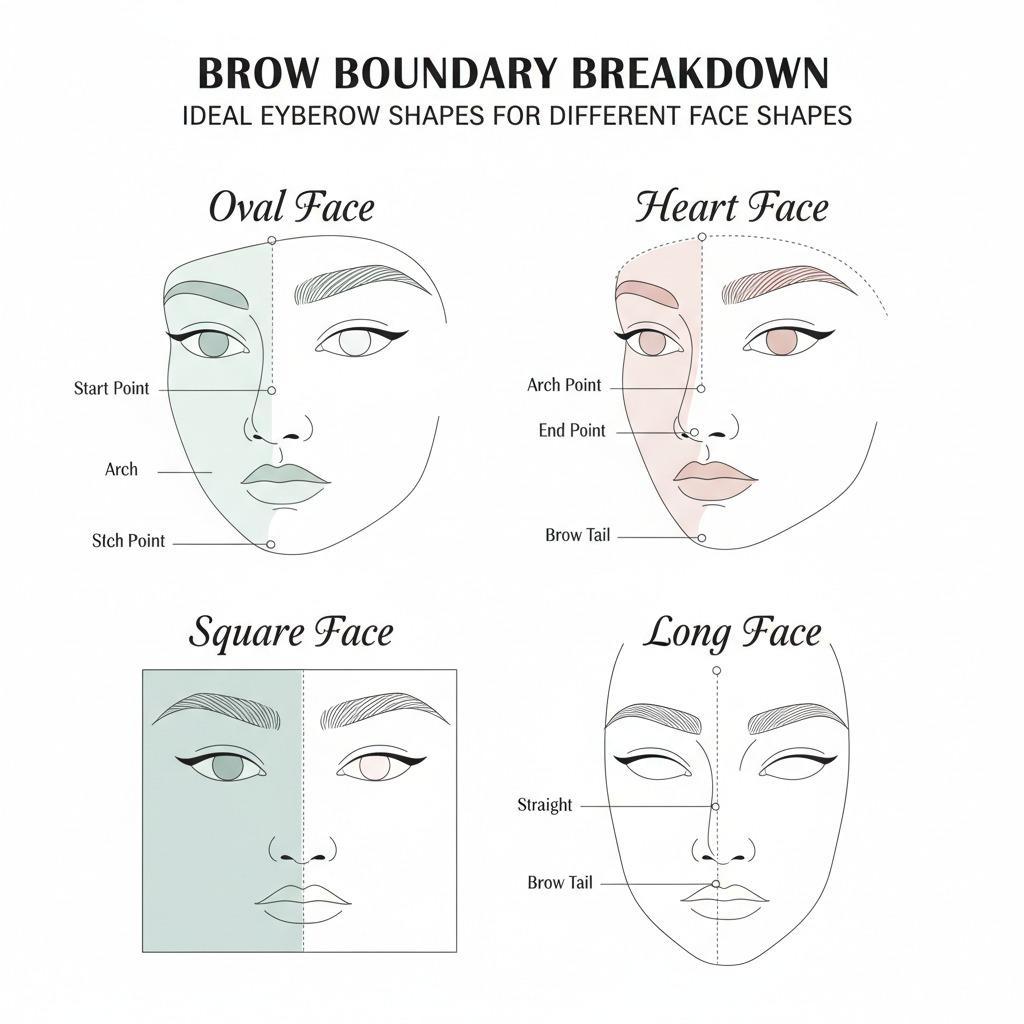
What Brow Boundaries Mean
Brow boundaries are the visible limits between the desired eyebrow shape and the surrounding stray hair. They do not need to be sharp, thin or heavily altered. The most natural-looking brow boundary usually follows the existing growth pattern and removes only the hairs that blur the outline.
Think of the eyebrow in four working zones. The front of the brow affects balance near the bridge of the nose. The lower line creates most of the visible definition. The arch adds lift, but it should not be forced too high. The tail completes the brow and should taper cleanly without disappearing. Treating these zones separately prevents random plucking and helps preserve the brow body.
A slant-tip tweezer is useful because the angled edge can sit close to the skin while leaving the user a clear view of the hair being gripped. The broader side of the slant can catch slightly longer hairs, while the finer corner can help isolate smaller strays near the lower boundary. This balance makes slant-tip tweezers especially suitable for detailed brow maintenance.
How to Map Eyebrows Before Tweezing
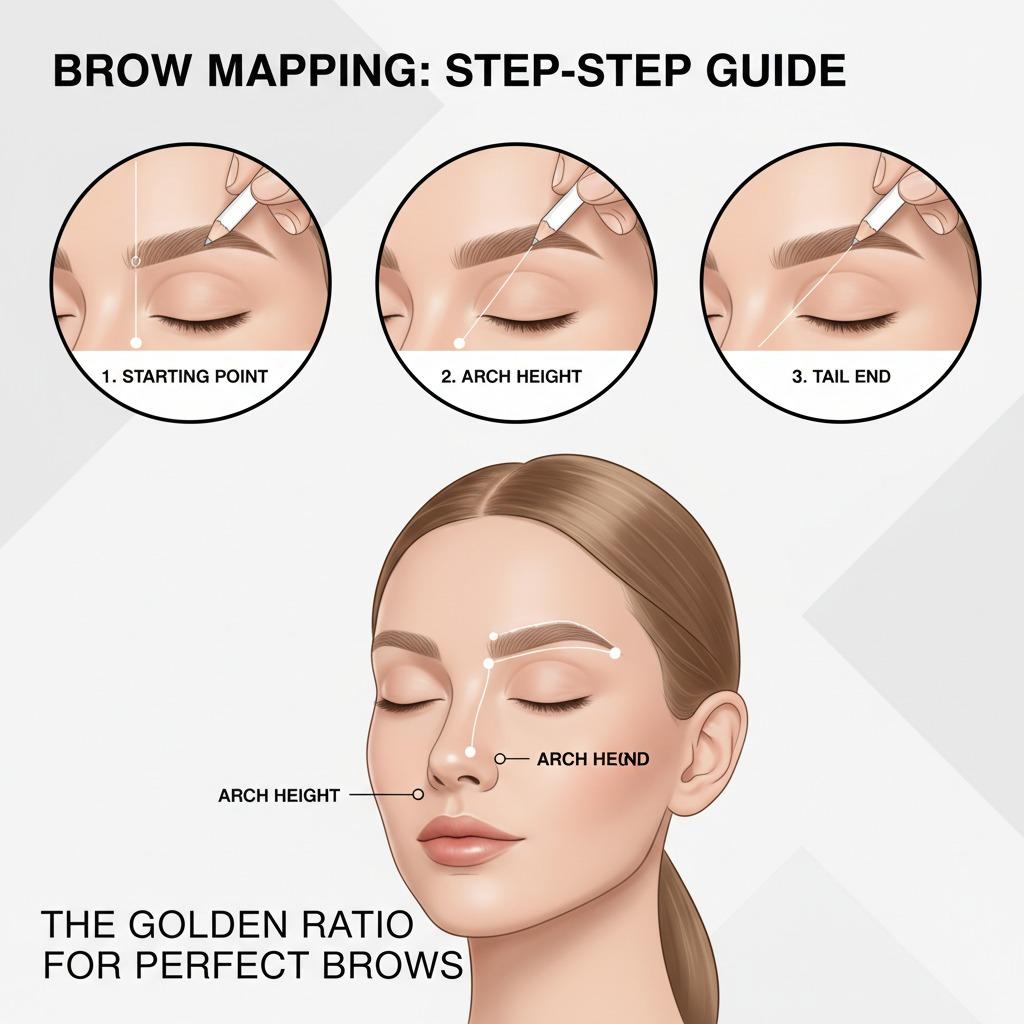
Mapping gives the user a plan before any hair is removed. It reduces over-plucking and helps both brows look related, even when they are not perfectly identical. A clean brow pencil, makeup brush handle or similar straight edge can be used to create simple guide points.
- Find the start. Hold the straight edge vertically from the side of the nose toward the inner brow. Hairs far beyond this point may make the center look heavy, but avoid creating an overly wide gap.
- Locate the arch area. Angle the guide from the side of the nose through the outer part of the iris while looking straight ahead. This indicates where the brow may naturally lift.
- Mark the tail. Angle the guide from the side of the nose to the outer corner of the eye. A tail that drops too far below this line can make the eye area look visually pulled down.
- Check the lower boundary. Brush brow hairs upward and identify isolated hairs below the main brow body. This is usually the safest place to create definition.
- Review the top line carefully. The upper brow boundary affects thickness and expression. Remove only obvious stray hairs unless a trained professional is shaping the brow.
After marking the guide points, step back from the mirror. Close-up mirrors help with gripping fine hairs, but they can make small strays look more important than they are. A full-face view protects proportion and prevents excessive removal.
Using Slant-Tip Tweezers for Precise Hair Removal
Good tweezing technique depends on clean skin, a steady hand and a tweezer tip that grips evenly. Before starting, clean the brow area and remove heavy oil, lotion or makeup residue. If the hair or skin is slippery, the tweezer may slide instead of gripping the hair securely.
Brush the brows into place, then hold the skin gently taut with one hand. Grip one hair at a time near the base and pull in the direction of hair growth. Pulling straight upward can increase breakage. If a hair breaks repeatedly, reposition the tweezer closer to the root area and check whether the two slanted edges close flush.
The alignment of the slant tip is the main feature to evaluate. If the tips do not meet evenly, fine hairs can slip. If the tip feels too bulky, it may be difficult to work under the brow. If it feels too sharp for the user’s skill level, beginners may hesitate or press too hard. Buyers comparing eyebrow tweezer products should consider tip contact, hand feel and how the tool supports both broad gripping and fine detail work.
What to Tweeze and What to Leave Alone
The most common brow mistake is removing hairs that belong to the structure of the brow. A safer rule is to clean first and reshape second. Remove obvious strays below the brow, between the brows and outside the tail before changing the thickness of the brow body.
- Tweeze: isolated hairs below the mapped lower boundary that make the brow line look uneven.
- Tweeze carefully: hairs between the brows, while keeping the starting points balanced and not too far apart.
- Usually leave: dense hairs inside the main brow body, even if they grow in slightly different directions.
- Be cautious: hairs along the top line, because removing too many can flatten the brow or make it look thin.
- Do not chase perfect symmetry: brows should look balanced, not identical. Overcorrecting one side often leads to thinning both.
For beginners, remove two or three hairs and then check the result from a normal distance. This slower method protects the natural shape and is useful for people growing brows back after over-plucking.
Slant-Tip Tweezers Compared with Other Brow Tools
Different brow tools serve different purposes. A slant-tip tweezer is not a replacement for every grooming tool, but it is often the most controlled option for removing individual stray hairs. Retailers and beauty brands can use this distinction when building a brow-care assortment.
| Tool | Best use | Buyer consideration |
|---|---|---|
| Slant-tip tweezers | Removing individual hairs along the brow boundary | Check tip alignment, grip comfort and finish quality |
| Point-tip tweezers | Targeting very fine or short hairs with high precision | May feel less beginner-friendly and requires careful handling |
| Brow scissors | Trimming long brow hairs without removing them from the root | Works well in grooming kits with a brush or comb |
| Brow brush or spoolie | Positioning hairs before shaping or trimming | Useful as a companion item for retail sets |
| Wax or thread service | Removing multiple hairs quickly in a defined area | Often better suited to trained service providers |
For a simple brow-care set, slant-tip tweezers can pair naturally with scissors, brow brushes and other grooming accessories. Buyers can review broader beauty-tool options through Olimor product collections when planning a coordinated assortment.
Selection Checklist for Retailers, Salons and Beauty Brands
Eyebrow tweezers are small products, but small differences have a large effect on user satisfaction. The finish, tip contact, tension and packaging fit all matter. A polished stainless steel finish can suit professional or minimalist assortments, while a classic black finish can create strong visual contrast in retail displays.
Use the following checklist when evaluating slant-tip eyebrow tweezers:
- Tip alignment: Close the tweezer and check whether the two slanted edges meet evenly without a visible gap.
- Tip finish: The gripping edge should support precise contact without feeling rough or poorly finished.
- Hand feel: The body should feel stable, not slippery, and the tension should allow controlled squeezing.
- Slant angle: The angle should allow visibility along the lower brow line and be usable for both fine and slightly longer hairs.
- Surface finish: Compare classic black and polished stainless steel according to brand style, display needs and cleaning expectations.
- Packaging compatibility: Confirm whether the tool can be protected in the intended retail pack, kit, sleeve or insert.
- Assortment fit: Decide whether the tweezer will be sold alone, paired with other brow tools or included in a wider grooming kit.
- Supplier communication: Ask how samples, customization, inspection and shipment details are handled before placing an order.
Cost depends on factors such as finish, order quantity, packaging, customization requirements and inspection expectations. Avoid comparing only by unit price. A low-cost tweezer that slips, bends or arrives with inconsistent tips can create returns and customer complaints. For sourcing projects, request product details and evaluate samples before confirming a larger order.
Care, Hygiene and Storage
Clean tools perform better and are more pleasant to use. After each grooming session, remove hair and visible residue from the tweezer tips. Wipe the gripping area with a suitable cleaning method for cosmetic tools and dry the tweezer before storage. Moisture left on metal tools is not ideal, even when the tool is made for repeated beauty use.
Tip protection is equally important. Dropping tweezers onto a hard surface can affect alignment. Storing them loosely in a crowded makeup bag can dull or damage the slanted edge. A cap, sleeve or dedicated compartment helps protect the contact surface.
Users should also keep eyebrow tweezers dedicated to grooming. Using them to open packages, pull labels or grip hard objects can bend the tip and reduce precision. For salons and professional settings, establish a written cleaning, storage and replacement procedure so tools are checked before use on clients.
Where hygiene or consumer-product obligations apply, buyers should verify the current requirements for their market. For example, U.S. consumer products may involve expectations from the Consumer Product Safety Commission, while cosmetic and beauty-tool retailing in the European Union may be affected by the General Product Safety Regulation. Always confirm current versions, local rules and supplier documents rather than relying on assumptions.
Common Tweezing Problems and Practical Fixes
If the tweezer slips, first clean the tips and the brow area. Oil, sunscreen and makeup residue can reduce grip. If slipping continues, check whether the slanted edges close evenly. Uneven tip contact is a common reason fine hairs are not held securely.
If hairs keep breaking, grip closer to the base and pull in the direction of growth. Do not yank upward. Broken hairs can make the area look uneven and may be harder to remove until they grow out slightly.
If the brow starts looking too thin, stop shaping and switch to maintenance only. Remove only obvious strays for a while and allow the main brow body to recover. For retail education, this is an important message: tweezers should support controlled grooming, not aggressive reshaping.
If users feel unsure about the arch, they should avoid removing hairs inside the brow body. The lower boundary can be cleaned conservatively, while major reshaping is better handled by a trained brow professional.
How to Evaluate an Eyebrow Tweezer Supplier
For business buyers, supplier evaluation is as important as tool shape. A good sourcing process should make product expectations clear before production. Discuss the intended market, finish preference, packaging direction, customization needs and inspection points at the beginning of the project.
Useful questions include: How are samples requested? What finish options are available for this tweezer style? Can packaging be matched to a retail or kit concept? How should tip alignment be checked during inspection? What information will be provided before order confirmation?
Olimor Beauty focuses on practical beauty tools for grooming routines and product assortments. Buyers reviewing beauty tool products can compare eyebrow tweezers with related grooming items to build a cohesive range. For project discussion, finish options or assortment planning, send details through the inquiry page or contact the team via Olimor contact support.
FAQ
Can I request eyebrow tweezer samples before ordering?
Sample availability should be confirmed directly with Olimor. For evaluation, check tip alignment, hand feel, finish appearance and packaging compatibility before moving forward.
Is there a fixed MOQ for slant-tip eyebrow tweezers?
MOQ can depend on the product style, finish, customization and packaging plan. Business buyers should confirm current order requirements with the supplier before quoting a project.
Can eyebrow tweezers be customized for retail or private-label projects?
Customization may involve finish direction, packaging or branding details depending on the project. Share the target market, sales channel and packaging concept so the supplier can respond accurately.
How should quality be checked before shipment?
Important inspection points include slant-tip alignment, gripping contact, surface finish, body tension, cleanliness and packaging protection. Buyers should agree on inspection expectations in writing.
How long does production or delivery take?
Lead time depends on order details, customization, packaging and logistics. Confirm the current schedule with Olimor after product requirements are defined.
Key Takeaway
Clean brow boundaries come from a careful process, not aggressive plucking. Map the brow first, remove only the hairs that fall outside the desired shape, protect the natural brow body and maintain the tool properly. For buyers, a good slant-tip tweezer should combine even tip contact, comfortable handling, suitable finish options and reliable packaging fit. With the right tool and a conservative technique, eyebrows can look polished, balanced and natural.
Tag: