

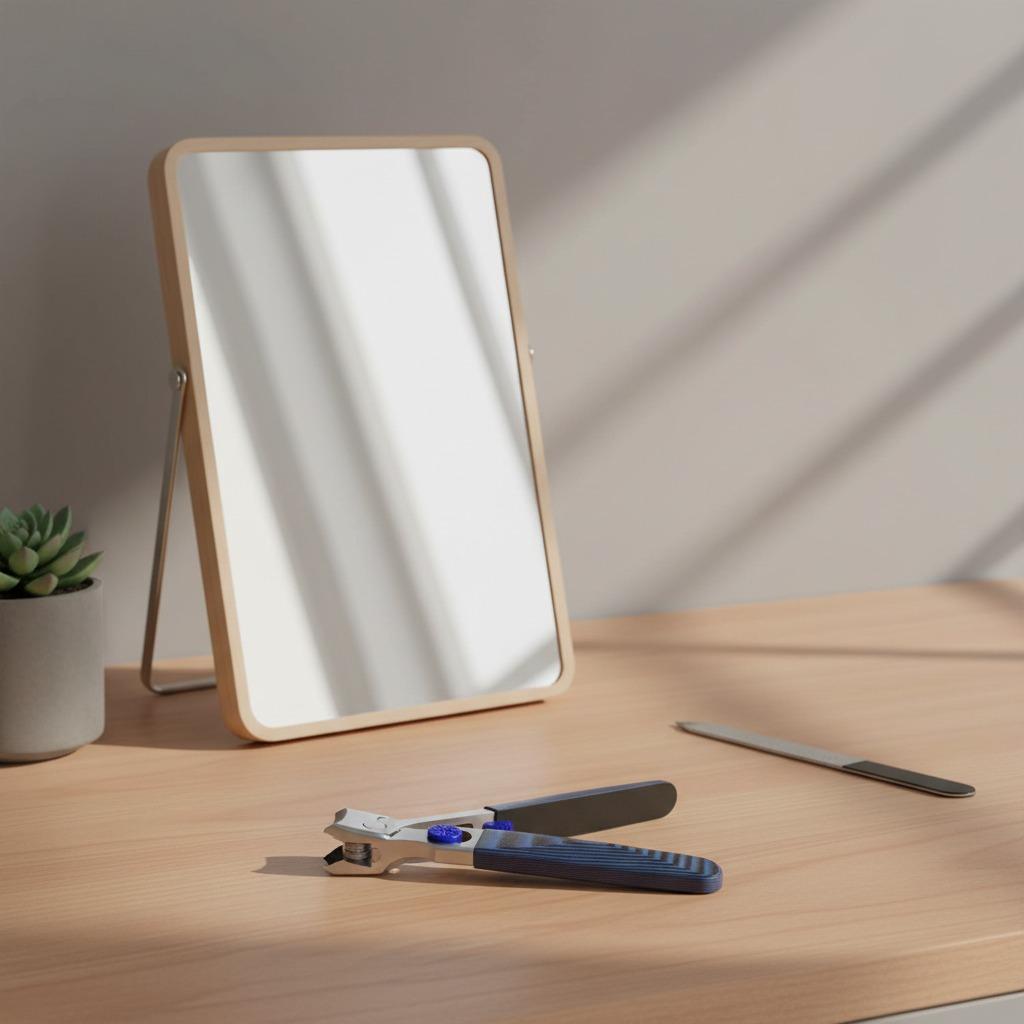
How to Source B2B Nail Clippers for Grooming Supply and Retail Distribution
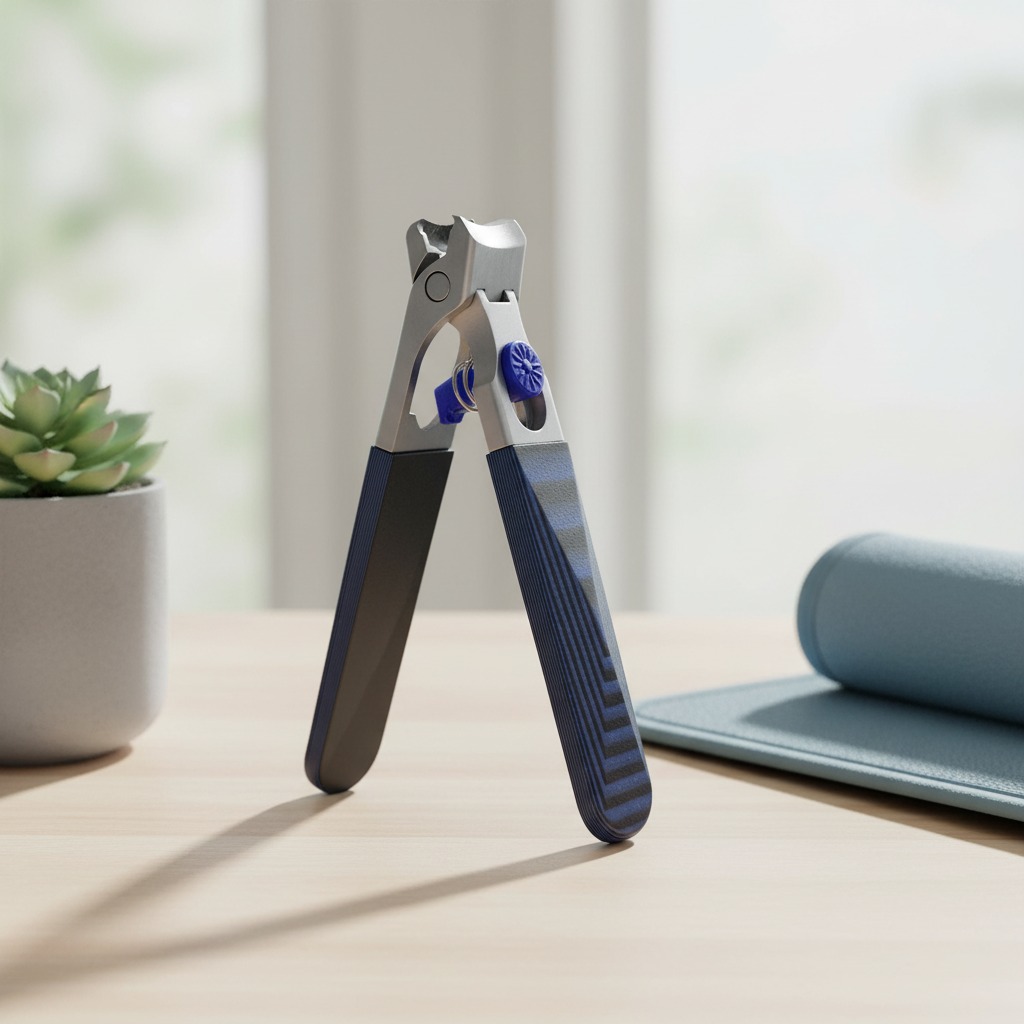
For distributors, grooming supply companies and retail buyers, a B2B nail clipper is a small product with a large impact on customer satisfaction. A clipper that feels comfortable, cuts cleanly and stores safely can become a repeat-order item for salons, pet grooming counters, e-commerce stores and personal care ranges. A poorly selected clipper, however, can create complaints around dull blades, uncomfortable handling or inconsistent packaging.
This guide focuses on practical sourcing decisions for nail clippers used in business-to-business supply. It is especially relevant if you are evaluating stainless steel blade options, ergonomic handles, compact formats, custom branding or bulk purchasing. Olimor Beauty offers beauty and grooming tools for business buyers, and this article explains how to compare product features, pricing factors and supplier communication before committing to a purchase plan.
Start With the End Customer and Sales Channel
Before comparing suppliers, define where the nail clipper will be sold and who will use it. A product for professional pet groomers may need a different positioning than one for a retail grooming kit, promotional bundle or marketplace listing. The same B2B nail clipper can perform well in multiple channels, but the buying criteria will change.
For professional grooming supply, buyers often prioritize grip comfort, cutting accuracy, repeat use and safe storage. For retail shelves, packaging, product appearance and clear feature communication become more important. For online distribution, consistent product photos, concise specifications and stable reorder availability help reduce friction. If your business supplies multiple customer groups, consider whether one versatile clipper can cover the range or whether you need several variants.
- Professional grooming buyers: focus on blade sharpness, hand comfort, control and durability.
- Retail and e-commerce buyers: focus on appearance, packaging readiness, consumer-friendly descriptions and price positioning.
- Distributors: focus on reorder stability, carton planning, SKU clarity and margin protection.
- Private label buyers: focus on logo placement, surface finish, packaging customization and inspection standards.
Key Product Features to Evaluate in a B2B Nail Clipper
The original appeal of a nail clipper is simple: it should trim cleanly and feel safe in the hand. For business sourcing, that simple requirement should be broken into measurable checkpoints. Olimor Beauty’s Precision Pet Nail Clippers, for example, are described with stainless steel blades, ergonomic handles, non-slip grips, a locking mechanism and a compact 86mm size. Those details give buyers a useful starting point for sample evaluation.
Stainless steel blades are important because the blade edge is the part of the tool that most directly affects user experience. During sample review, inspect blade alignment, the smoothness of opening and closing, and whether the cutting edges meet evenly. A clean cut reduces pressure on the nail and helps create confidence for groomers and end users.
Handle shape should also be tested by different users. An ergonomic handle may feel comfortable for short sessions, but professional buyers will want to know how it performs after repeated use. Non-slip grips can help improve control, especially in grooming environments where hands may be damp. A locking mechanism is useful for safer storage and transport, particularly when the clipper is included in kits or shipped in bulk.
Customization Choices That Support Business Positioning
A custom nail clipper for business should do more than carry a logo. Customization needs to support the way the product will be sold, displayed and reordered. In the supplied product description, the clipper is associated with a sleek metallic finish with blue accents, as well as dark blue and black variants. When reviewing such options, consider how color and finish fit your customer base and whether the product will sit within a broader grooming line.
Logo engraving or printed branding can be appropriate for distributors, salons, promotional kits and private label retail. However, buyers should confirm practical details before finalizing artwork. These include the logo position, maximum printable or engravable area, contrast against the surface, packaging artwork requirements and whether the branding remains legible after regular handling.
Packaging is another part of customization that affects buyer perception. A clipper for a professional supply catalog may need efficient bulk packing and clear product codes. A retail product may need consumer-facing packaging with safety notes, product features and scannable inventory labels. Businesses can review related beauty tool products to understand how different tools may be grouped into a coherent line before choosing colors or packaging direction.
How to Compare Bulk Nail Clipper Pricing Without Looking Only at Unit Cost
Bulk nail clipper price matters, but the lowest unit price is not always the best commercial result. A sourcing decision should include the landed cost, quality consistency, defect risk, packaging needs, customization work and reorder reliability. A cheaper clipper that produces returns or negative reviews can cost more over time than a slightly higher-priced option with better consistency.
When comparing quotes, organize information in a consistent format. This makes it easier to see which supplier is truly aligned with your business model. The table below shows a simple evaluation structure for B2B buyers.
| Pricing factor | Why it matters | What to compare |
|---|---|---|
| Base unit price | Directly affects margin and wholesale positioning | Same quantity, same specification and same packaging level |
| Customization cost | Logo, color and packaging choices can change total cost | Setup charges, artwork handling and per-unit customization fees |
| Packaging method | Retail packaging costs more than simple bulk packing | Carton quantity, inner packing, labeling and barcode needs |
| Freight and handling | Small tools can still vary in shipping cost by packing density | Carton dimensions, gross weight and shipping terms |
| Quality inspection | Reduces the risk of inconsistent blades or finish problems | Inspection process, sample approval and defect handling |
Because nail clippers are compact and often ordered in quantity, even small differences in packaging and handling can affect total cost. Buyers should also consider resale channel expectations. A distributor selling to professional groomers may value bulk efficiency, while a retailer may need shelf-ready packaging that costs more but improves conversion.
Sample Testing Checklist for Distributors
Samples should be tested in conditions that reflect real use. Do not rely only on appearance. A nail clipper for distributors should be assessed for mechanical feel, safety, handling and consistency across multiple sample units. If you plan to sell to grooming professionals, ask experienced users to handle the sample and provide practical feedback.
- Check blade alignment: open and close the clipper several times and confirm the edges meet evenly.
- Test cutting control: evaluate whether the cut feels clean and whether the handle provides stable pressure.
- Review grip comfort: test the ergonomic handle with different hand sizes and repeated motions.
- Inspect the locking mechanism: confirm it engages and releases smoothly for storage.
- Assess finish consistency: compare color, surface marks and logo placement across samples.
- Measure packaging fit: ensure the clipper does not shift excessively during transport.
- Confirm product data: keep confirmed details such as size, weight, color and material wording consistent in sales listings.
The supplied product information references a compact 86mm clipper and a weight of 28 grams. If those details are used in your product page, catalog or marketplace listing, make sure they match the approved production sample and packaging documentation. Consistency between samples, listings and delivered goods protects your reputation with downstream buyers.
Supplier Questions That Help Prevent Sourcing Problems
Good sourcing depends on clear communication. Instead of asking only for the best price, prepare a structured buying brief. Include your target sales channel, expected packaging style, preferred color direction, logo requirements, inspection expectations and shipping destination. This helps a supplier respond with relevant options rather than a generic quotation.
Useful sourcing questions include: What blade and handle features are included in the quoted version? Is the locking mechanism standard for the model being offered? Which colors are available for the same clipper design? What artwork format is needed for logo customization? How are finished goods inspected before shipment? What packing details are available for freight planning? These questions do not require inventing specifications; they simply help confirm what will be supplied.
If you are building a wider personal care or grooming range, it may also help to review Olimor’s product collections and compare how a nail clipper could be positioned alongside other tools. For project-specific communication, buyers can send an inquiry with quantity plans, branding needs and destination market details.
Building a Repeatable Nail Clipper Sourcing Process
The strongest B2B sourcing programs are repeatable. Once a clipper is approved, keep a clear record of the product images, confirmed specifications, packaging files, sample approval notes and inspection criteria. This is especially important for distributors managing multiple SKUs or selling through several channels. A small change in color, grip material, packaging label or blade finish can create confusion if the product is reordered months later without proper documentation.
Create an internal checklist for each new nail clipper project. Include the target customer, selling price range, approved sample date, final artwork file, packaging type, carton information, quality checkpoints and responsible contact person. This reduces mistakes and makes future reorders faster. It also helps sales teams answer customer questions accurately.
For buyers comparing B2B nail clipper options, the best choice is the one that aligns product performance with channel expectations. Stainless steel blades, ergonomic handles, non-slip grips, compact sizing and safe locking are all meaningful features when they are verified through samples and supported by consistent supply. By evaluating customization, pricing and quality control together, your business can source nail clippers that are easier to sell, reorder and distribute with confidence. To discuss a project or clarify suitable options, you can contact Olimor directly.
Tag: