

How to Source and Customize B2B Nail Clippers for Your Business
For beauty tool distributors, retailers, gift suppliers, and personal care brands, a nail clipper looks simple at first glance. In practice, it is a product where small details directly affect customer satisfaction: blade sharpness, hand feel, spring tension, surface finish, packaging, and long-term consistency. A low-quality clipper can create rough edges, require too much pressure, or feel uncomfortable in the hand. A well-selected B2B nail clipper, however, can become a reliable repeat-purchase item for retail shelves, salon supply channels, travel kits, grooming sets, and promotional programs.
This guide focuses on practical sourcing decisions for business buyers. It explains how to assess the product, what to consider before customization, how to compare bulk nail clipper price offers, and which questions matter when preparing an order with Olimor Beauty or another beauty tool manufacturer. If you are building a wider personal care assortment, you can also review Olimor beauty tool products to compare related tools and plan a more complete category offer.
Start with the Use Case, Not Just the Unit Price
Before comparing suppliers, define where the nail clipper will be sold and how it will be used. A distributor supplying supermarkets may need a cost-efficient clipper with clear retail packaging and strong shelf appeal. A beauty brand developing a gift kit may prioritize color coordination, logo placement, and a premium hand feel. A salon supply buyer may care most about repeatable cutting performance and easy handling for frequent use.
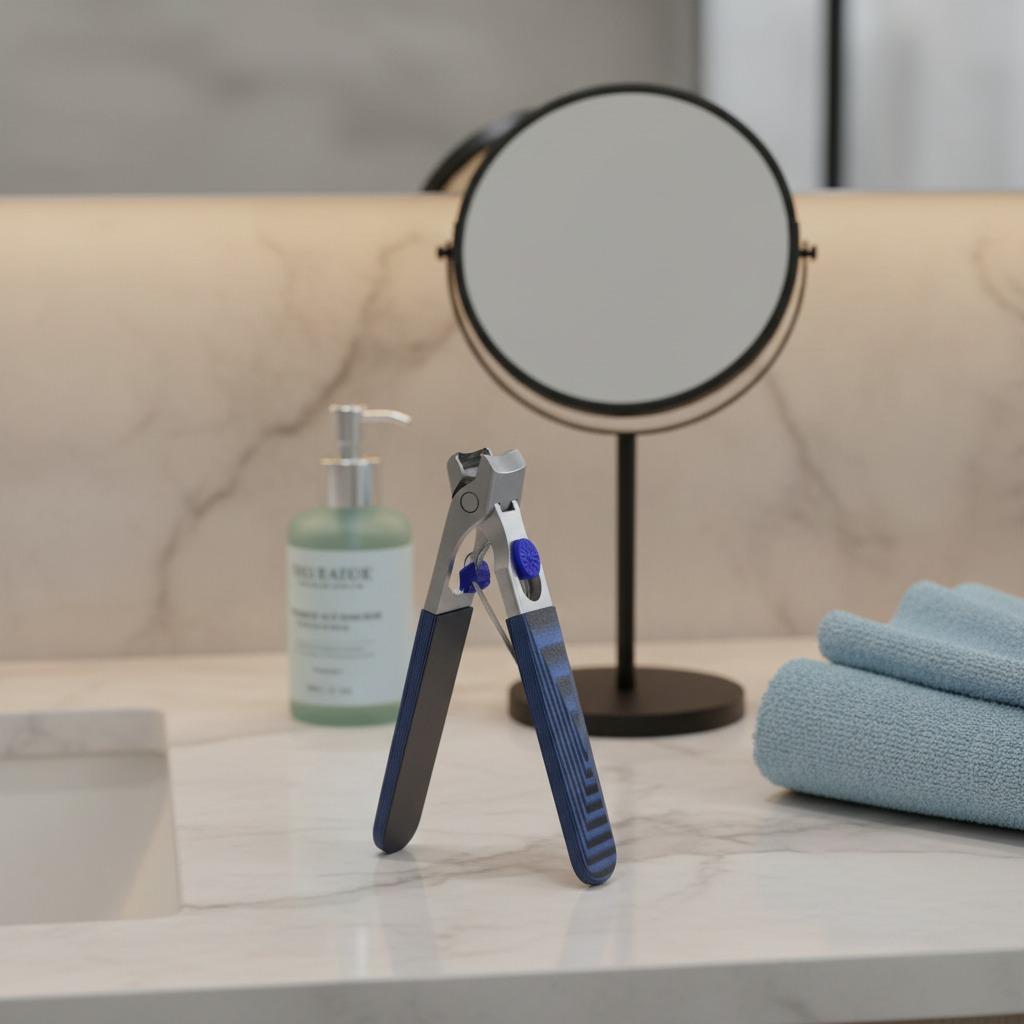
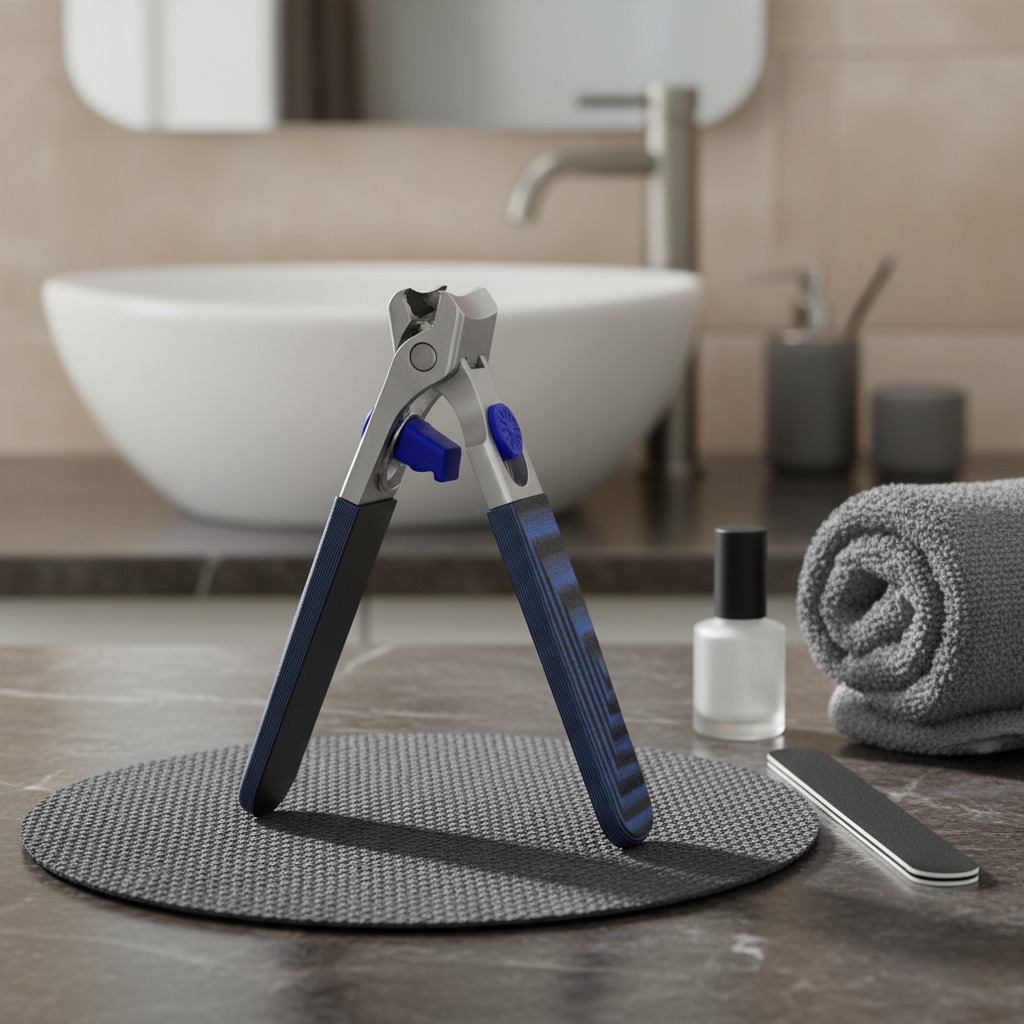
The original product details highlight several features that are relevant to B2B buyers: durable stainless steel construction, sharp and precise cutting, ergonomic handles, a blue and black pattern, textured grips, and a compact 28-gram weight. The model is also described as 86 mm in length, which makes it suitable for everyday grooming, retail packs, travel kits, and personal care sets. These facts are useful because they help buyers position the item: it is not an oversized professional tool, but a compact, lightweight clipper with visual design elements that can support branded or promotional presentation.
When reviewing any B2B nail clipper, avoid treating all options as interchangeable. Two clippers can look similar in a catalog photo but perform differently after repeated use. The hinge, blade alignment, handle leverage, and surface finish all influence perceived quality. For distributors, that difference can affect returns, reviews, and the willingness of retailers to reorder.
Key Product Criteria for B2B Nail Clipper Evaluation
A structured evaluation process helps purchasing teams compare samples more accurately. The goal is not only to find a nail clipper that cuts well once, but one that can be supplied consistently across larger orders. Use the checklist below when examining samples or preparing internal buying notes.
- Cutting edge alignment: The upper and lower cutting edges should meet evenly. Uneven alignment can cause tearing, squeezing, or incomplete cuts.
- Sharpness and control: The clipper should cut cleanly without requiring excessive hand pressure. Buyers should test both fingernail and thicker nail use cases where appropriate.
- Material and finish: Stainless steel is valued for durability and appearance. Check whether the finish is smooth, clean, and free from visible defects.
- Grip comfort: Ergonomic handles and textured grips can make the tool easier to control, especially for daily users or older customers.
- Weight and size: At 28 grams and 86 mm in length, the described clipper is lightweight and compact. Confirm that this size fits your target channel, whether retail, travel, salon, or promotional use.
- Pattern and color appeal: A blue and black geometric pattern can help the clipper stand out compared with plain metal tools, especially in transparent packaging or gift sets.
- Packaging compatibility: Confirm whether the tool will be sold individually, bundled with other grooming tools, or included in a private-label kit.
For a broader assortment strategy, distributors can compare this nail clipper with other Olimor product collections. A coordinated range may help retailers build better shelf stories, especially when nail care, facial tools, and grooming accessories are merchandised together.
Customization Options That Matter for Business Buyers
Custom nail clipper sourcing is often about more than putting a logo on a tool. The best customization plan supports the buyer’s sales channel, margin structure, and brand positioning. For example, a promotional buyer may need a clean logo area and simple individual packaging. A retailer may want a distinctive pattern, scannable retail pack, and product information that is easy for customers to understand. A private-label grooming brand may focus on color consistency across multiple tools.
The supplied product information mentions a sleek model with geometric blue patterns and an 86 mm length. This kind of visual detail can be helpful when building a product that needs shelf appeal. However, before approving a customized run, buyers should confirm which customization elements are technically suitable for the specific clipper design. Common areas to evaluate include handle decoration, logo placement, surface color accents, packaging artwork, barcode requirements, instruction wording, and whether the product will be sold alone or as part of a set.
When planning customization, prepare a short specification file instead of relying only on email descriptions. Include artwork files, color references, packaging dimensions if available, quantity targets, destination market, and any labeling requirements from your sales channel. This reduces misunderstandings and helps the supplier confirm feasibility before samples or production arrangements begin.
How to Compare Bulk Nail Clipper Price Offers
Bulk nail clipper price comparison should include more than the quoted unit cost. A very low price can become expensive if the finish is inconsistent, packaging is weak, or rework is needed before the goods can be sold. For distributors, the more useful question is: what is the total landed value of a clipper that your customers will reorder?
When reviewing price offers, separate the main cost factors so your team can compare suppliers on the same basis. The following table shows the practical items to check before making a buying decision.
| Cost factor | Why it matters | What to clarify |
|---|---|---|
| Product specification | Material, size, handle design, and finish affect cost and positioning. | Confirm the exact clipper design, weight, length, and visible finish details. |
| Customization | Logo, color accents, and packaging artwork may change setup and production needs. | Identify which elements are standard and which require additional work. |
| Packaging | Retail-ready packaging can increase sell-through but also affects cost and shipping volume. | Define whether the item needs individual retail pack, bulk pack, or kit packaging. |
| Inspection expectations | Quality checks reduce the risk of inconsistent cutting performance or appearance. | Clarify inspection points from raw materials to packaging. |
| Logistics | Carton size, weight, and shipping method influence landed cost. | Compare quotes using the same delivery terms and destination assumptions. |
The original information notes that Olimor Beauty applies quality assurance through inspections from raw materials to packaging. For B2B buyers, this is an important part of price evaluation because inspection work supports consistency. A price that includes appropriate quality control may offer better long-term value than a lower quote with unclear checking procedures.
Quality Control Points Before Approving a Nail Clipper Order
Sample approval should be hands-on. A photo cannot show cutting pressure, blade feel, grip comfort, or hinge smoothness. Buyers should test the sample repeatedly and, when possible, involve people who represent the final user group. A retail buyer, for instance, may ask staff to test grip comfort and compare packaging appearance. A distributor serving salons may focus on cutting consistency and durability during repeated use.
Useful quality control points include blade alignment, opening and closing movement, spring or lever function, surface scratches, grip texture, printed pattern consistency, logo placement, and packaging seal strength. If the clipper includes an adjustment wheel or other functional detail, confirm that it moves as intended and does not feel loose or rough. For customized packaging, check spelling, barcode placement, carton markings, and whether the product is protected during handling.
It is also wise to keep an approved reference sample. This gives both buyer and supplier a shared standard for appearance, feel, and packaging. For repeat orders, the reference sample can help identify changes in finish, color, weight, or cutting performance before the goods enter your distribution channel.
Sourcing Questions for Distributors and Retail Buyers
A good sourcing process turns vague interest into a clear order plan. Before you send an inquiry, prepare the information a manufacturer needs to evaluate your request properly. This does not mean every detail must be final, but the more complete your brief is, the more useful the response will be.
- What sales channel will the nail clipper serve: retail, salon supply, e-commerce, gift set, hotel amenity, or promotion?
- Do you need the existing blue and black geometric look, a custom decoration plan, or a simpler finish?
- Will the clipper be sold individually or bundled with other personal care tools?
- What packaging format is required for your market: hanging card, box, pouch, bulk pack, or kit insert?
- Do you have logo files, color references, and labeling text ready for review?
- What inspection points are most important for your customers: sharpness, finish, packaging, or all of these?
- What destination market and delivery schedule should be considered during quotation?
If your project requires discussion of artwork, packaging, or assortment planning, you can contact Olimor with your product brief. Clear early communication helps prevent avoidable revisions later in the sourcing process.
Building a Better Nail Clipper Program
A B2B nail clipper program works best when product selection, customization, packaging, and quality expectations are planned together. The 86 mm, 28-gram stainless steel clipper described here offers practical features for distributors: compact size, lightweight handling, sharp cutting performance, ergonomic grips, and a distinctive blue and black geometric appearance. Those features can support retail display, travel grooming, promotional use, and private-label personal care ranges when matched with the right packaging and quality checks.
For business buyers, the strongest sourcing decision is rarely the cheapest option on paper. It is the option that fits the target customer, can be customized without unnecessary complexity, and can be supplied with consistent workmanship. By testing samples carefully, defining customization needs early, and comparing bulk price offers on a full-value basis, distributors can build a nail clipper assortment that is easier to sell and easier to reorder.
Tag: