

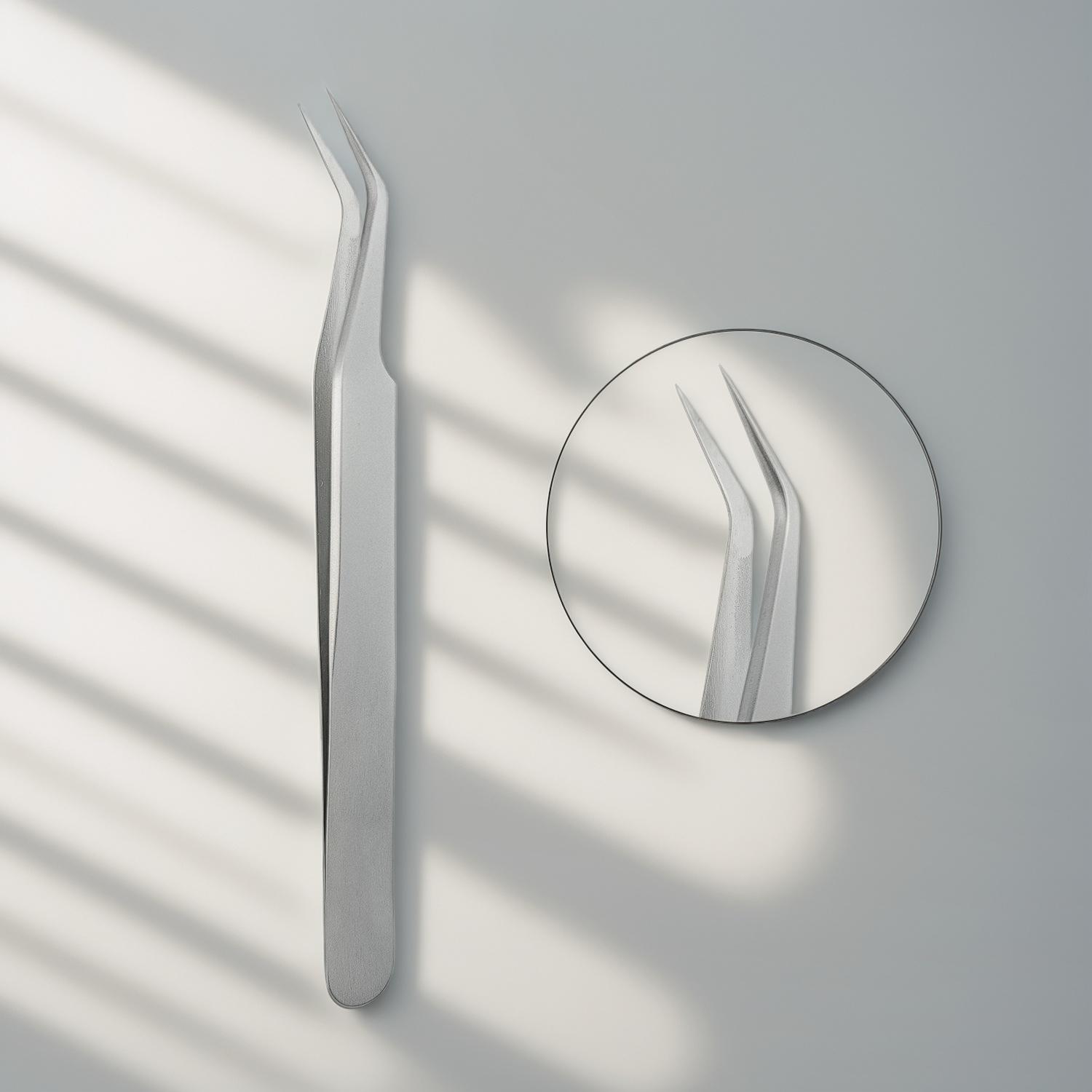
Precision Eyelash Extension Tweezers for Salon and B2B Buyers
Eyelash extensions depend on small, repeatable movements: isolating a natural lash, picking up an extension, positioning adhesive and releasing at the correct angle. A tool that feels slightly imprecise during a short demonstration can become a major problem during a full day of salon work. For beauty professionals, purchasing teams and distributors, the right eyelash extension tweezers are not just an accessory. They influence application speed, client comfort, hygiene routines and long-term operating cost.
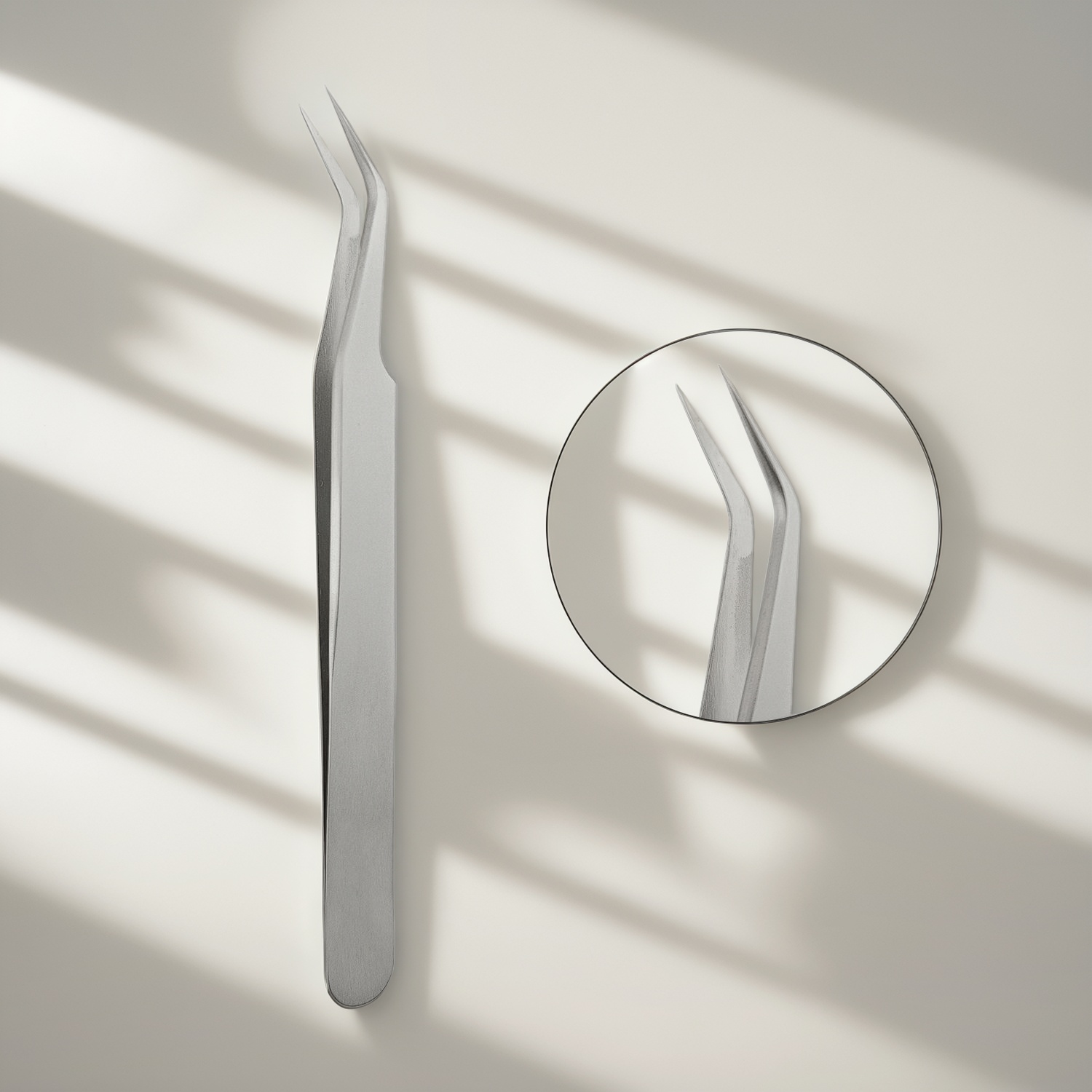
The Stainless Steel Curved Fine Tip Tweezers from Olimor Beauty are designed for precision tasks such as eyelash extension application. Their curved fine tip helps the user approach lashes at a controlled angle, while stainless steel construction supports durability and resistance to corrosion during repeated salon use. This guide explains how to evaluate this type of tool, where it fits in a professional workflow and what B2B buyers should consider before placing repeat or bulk orders.
Why Tweezers Matter in Eyelash Extension Results
Clients usually judge eyelash extensions by the final appearance: clean separation, comfortable wear, consistent direction and a natural-looking lash line. Behind that result is tool control. Tweezers must allow the lash artist to handle delicate fibers without crushing them, separate individual natural lashes without tugging and maintain a steady grip through repetitive motions.
Curved fine tip tweezers are especially useful when the working area is narrow or when the artist needs a clear view of the lash line. The curve can help keep the hand out of the direct line of sight, while the fine tip supports more accurate contact with individual lashes. For salons, this matters because a smoother application process can reduce interruptions, corrections and unnecessary strain during appointments.
In B2B beauty supplies, the discussion often focuses on quantity and price. Those points matter, but eyelash extension tools also require close attention to feel, balance and reliability. A bulk purchase is only valuable if the tool performs consistently across different technicians, treatment rooms and service styles.
Key Features to Check in Curved Fine Tip Tweezers
When selecting tweezers for eyelash extension work, buyers should look beyond the product name and inspect practical performance details. The Stainless Steel Curved Fine Tip Tweezers described here combine a curved shape, fine tip and stainless steel body, all of which are relevant for professional beauty use. The following criteria help determine whether this type of tool is suitable for a salon or distribution catalog.
- Tip alignment: The two tips should meet cleanly so the user can grip lashes or extensions without repeated attempts.
- Tip shape: A fine tip supports controlled contact, especially during isolation and placement in dense lash lines.
- Curved working angle: A curved profile can improve visibility and allow a more comfortable hand position during detailed application.
- Material choice: Stainless steel is valued in salon tools because it is durable and resistant to corrosion during repeated handling and cleaning.
- Hand comfort: Ergonomic design helps reduce hand fatigue during intricate tasks, particularly when technicians perform multiple appointments per day.
- Surface finish: Smooth surfaces are easier to wipe and maintain, which supports a cleaner professional workspace.
These points are also helpful when comparing samples from different suppliers. Even if two tweezers look similar in photos, small differences in tip closure, tension or angle can change the user experience significantly.
How Professionals Use Curved Tweezers During Lash Application
Eyelash extension work requires coordination between tool, adhesive, extension material and technician technique. Curved fine tip tweezers can be used in several stages of the service depending on the artist’s preference and the lash style being applied.
- Preparation: The technician organizes tools, checks the tweezer tips and ensures the work area is clean before the client’s appointment begins.
- Isolation: A fine tip helps separate one natural lash from neighboring lashes, reducing the chance of multiple lashes being bonded together.
- Pick-up: The tweezer should grip the extension securely enough for transfer, but not so aggressively that the extension is bent or damaged.
- Placement: The curved profile can help the technician approach the natural lash at a controlled angle while maintaining visibility.
- Release and check: Clean tip closure and consistent tension help the artist release the extension accurately and inspect the final direction.
For training academies and salon chains, tool consistency is particularly important. When students or staff members work with inconsistent tweezers, it becomes harder to teach repeatable technique. A reliable tweezer design can make training more focused on skill development rather than compensating for poor tool behavior.
Maintenance Practices That Protect Tool Performance
Even well-made stainless steel tweezers need proper maintenance. Lash work involves adhesive exposure, frequent handling and contact with other tools. If residue builds up at the tip, the tweezer may lose precision, slip during pick-up or fail to close evenly. A simple maintenance routine helps extend usable life and keeps the tool ready for detailed work.
Salons should establish a clear cleaning and storage process that fits their local hygiene requirements and service procedures. After use, remove visible residue promptly and avoid scraping the fine tip with hard objects that may affect alignment. Dry tools fully before storage, especially when they have been exposed to liquids during cleaning. Store tweezers in a protective case, tray or designated holder so the fine tips are not knocked against heavier instruments.
Technicians should also check the tip alignment before each appointment. If the tips no longer meet evenly, the tool may still look acceptable but perform poorly during isolation or pick-up. In a busy salon, small performance issues can slow down every appointment. For B2B buyers handling hair salon supplies bulk, it is practical to plan for periodic tool inspection and replacement rather than waiting until a tool fails during service.
B2B Sourcing Considerations for Salons and Distributors
Buying eyelash extension tools for one technician is different from purchasing for a salon team, training program or resale channel. B2B beauty supplies require repeatable quality, sensible packaging and clear communication about product characteristics. Olimor Beauty applies internal quality checks from raw materials to final packaging, which is relevant for buyers who need confidence in repeated orders.
Before placing a larger order, purchasing teams should define how the tweezers will be used. A salon that specializes in detailed lash extension services may prioritize tip precision and comfort. A distributor may focus on whether the tool fits a broader beauty tool assortment. A training organization may need consistent handling across multiple students. The right sourcing decision depends on matching the tool to the actual user environment.
| Buyer type | Main concern | What to evaluate |
|---|---|---|
| Salon owner | Daily service reliability | Grip control, hand comfort, cleaning routine and replacement planning |
| Distributor | Product consistency | Tip finish, packaging condition and fit within existing beauty tool products |
| Training provider | Repeatable student experience | Uniform tension, easy handling and suitability for basic lash techniques |
| Procurement team | Bulk purchasing control | Sample review, reorder process and supplier communication |
For buyers comparing options, Olimor offers a broader selection of beauty tool products and organized product collections that can help build a more complete supply list. If you are preparing a salon launch, expanding a lash service menu or adding tools to a wholesale catalog, reviewing related items at the same time can make procurement more efficient.
Questions to Settle Before a Bulk Purchase
A good bulk purchase starts with clear internal requirements. Instead of selecting tweezers only by appearance, define what the end user needs to accomplish. This reduces the risk of buying tools that look suitable online but do not match the practical demands of eyelash extension work.
- Will the tweezers be used mainly for isolation, pick-up, placement or general detailed beauty tasks?
- Do technicians prefer curved tweezers for visibility and working angle?
- How will tools be cleaned, dried and stored between appointments?
- Who will inspect tip alignment and decide when tools should be replaced?
- Does the packaging need to support salon storage, training kits or resale presentation?
- Will the order be part of a broader hair salon supplies bulk purchasing plan?
These questions are useful whether you are testing a first sample or standardizing tools across several locations. They also make communication with suppliers more precise. For project-specific needs, you can contact Olimor or send an inquiry with your intended use, target quantity range and any packaging or assortment considerations.
Choosing Tools That Support Better Lash Work
Successful eyelash extension services rely on technical skill, clean procedures and dependable tools. Stainless Steel Curved Fine Tip Tweezers support the detail work involved in isolating, gripping and placing lashes with control. Their stainless steel construction, corrosion resistance, curved fine tip and ergonomic design make them a practical option for professional beauty environments that value precision and repeated use.
For salons, the right tweezers can make appointments smoother and reduce avoidable frustration for technicians. For distributors and B2B buyers, they can serve as a focused beauty tool product with clear relevance to the growing demand for eyelash extension services. By evaluating tip alignment, comfort, maintenance needs and sourcing consistency before ordering, buyers can choose tools that support both everyday performance and long-term supply planning.
Tag: