

Choosing Quality Tweezers for Eyelash Extension Services
Eyelash extensions depend on control. A skilled technician can select the right curl, isolate a natural lash and place an extension cleanly, but that precision becomes much harder when the tool is poorly balanced, misaligned or uncomfortable during long appointments. For salons, lash studios, training schools and beauty distributors, tweezers are not a small accessory. They are one of the core tools that affect application speed, technician comfort and the client’s final result.
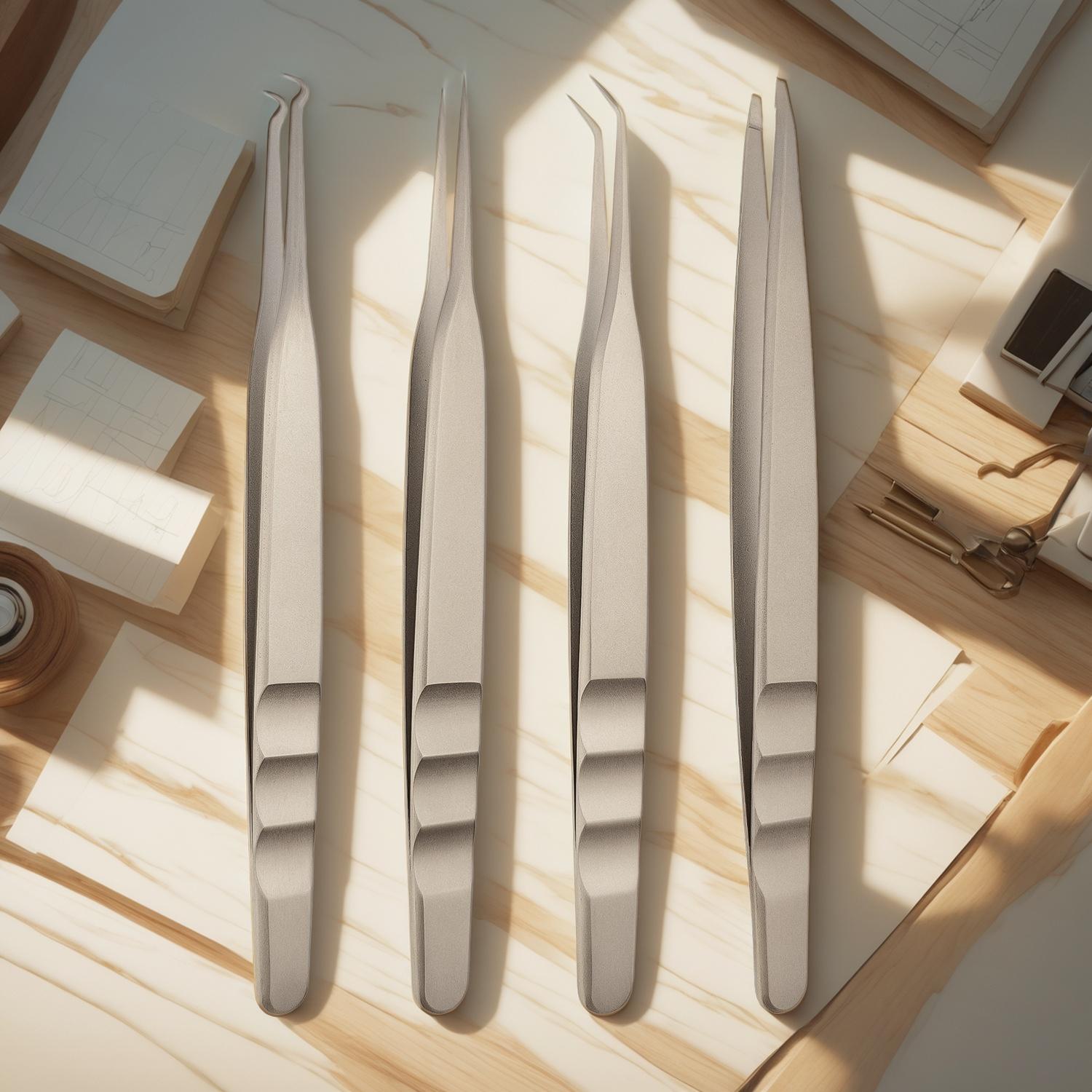
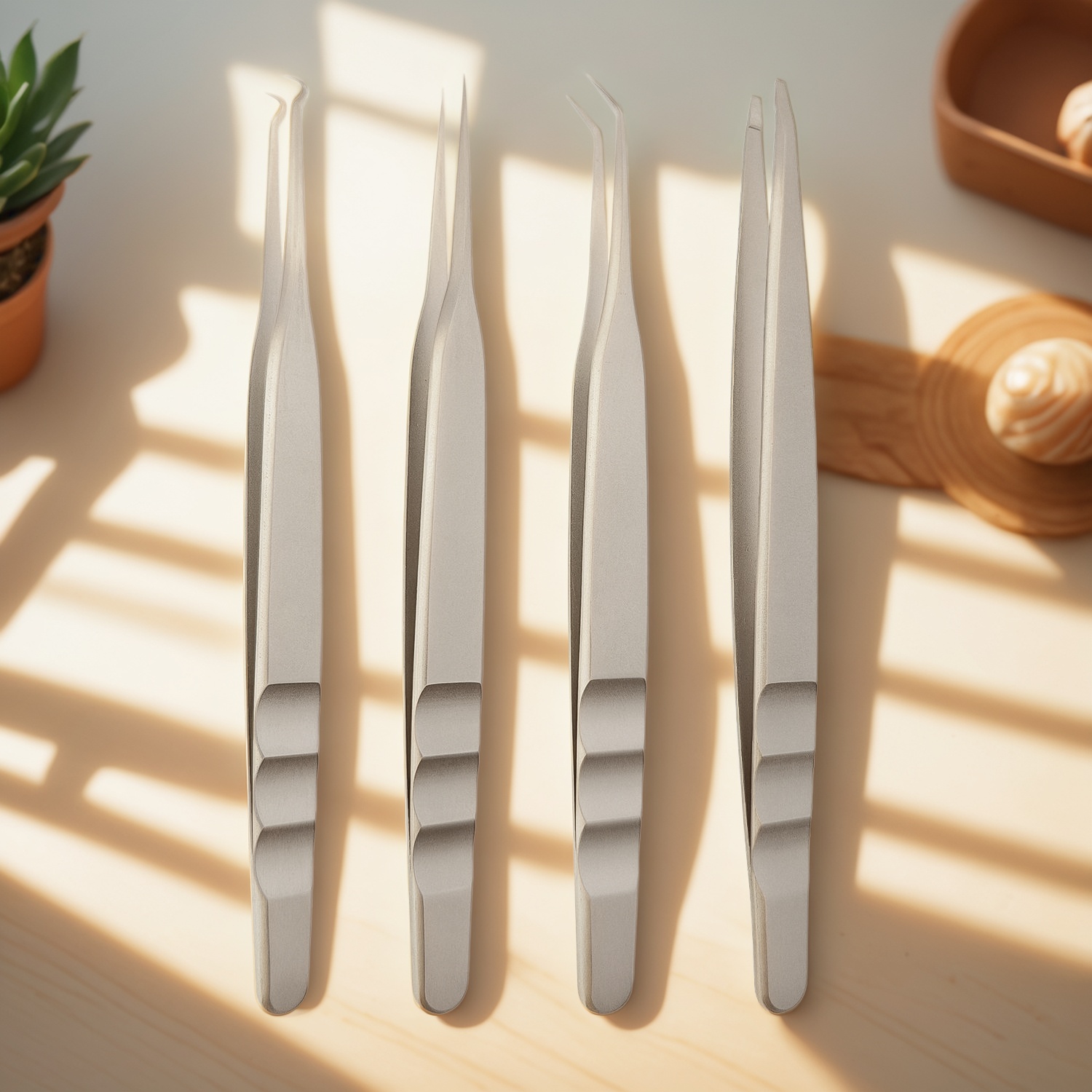
Olimor Beauty supplies stainless steel tweezers designed for professional eyelash extension work, including options with fine-point tips and curved styles for different handling needs. For B2B buyers, the goal is not simply to purchase tweezers in bulk; it is to select tools that fit real salon workflows, are easy to maintain and support consistent service quality across multiple technicians.
Why Tweezers Matter in Eyelash Extension Application
During an extension service, tweezers are used for more than picking up a lash. They help separate natural lashes, hold an extension at the correct angle, control adhesive contact and place the fiber with minimal disturbance to nearby lashes. Small differences in tip alignment, grip pressure and hand feel can change how confidently a technician works.
For classic lash sets, isolation accuracy is essential because one extension is applied to one natural lash. For fuller styles, technicians still need dependable control when handling lighter extensions or creating a clean placement. If a tweezer tip does not close evenly, the technician may apply extra pressure, slow down or discard more lashes. Over a full day of appointments, that can lead to fatigue and inconsistency.
Quality stainless steel tweezers are also valuable because lash extension work requires frequent sanitation. A professional tool should be durable enough for repeated cleaning and should maintain its function over time. Olimor Beauty focuses on corrosion-resistant stainless steel construction, which is a practical advantage for salons that need tools to remain hygienic and service-ready.
Matching Tweezer Shapes to Lash Tasks
No single tweezer style is ideal for every step of an eyelash extension service. A salon may use different tools for isolation, pickup and placement depending on the technician’s preferred technique. The most useful purchasing approach is to think about the task first, then choose the shape and tip style that supports it.
| Tool feature | Best used for | What buyers should check |
|---|---|---|
| Fine-point tips | Delicate separation, close work and accurate placement | Tips should meet evenly and feel controlled without excessive pressure |
| Curved styles | Better access around the eye area and controlled angles | The curve should suit the technician’s hand position and service method |
| Ergonomic design | Long appointments and repeated daily use | Grip should feel stable without forcing the hand into tension |
| Stainless steel body | Professional hygiene routines and repeated handling | Surface should be easy to clean and resistant to corrosion |
When buying for a team, it can be helpful to offer a small range of tweezer shapes rather than one universal option. Experienced lash artists often develop specific preferences, while newer technicians may need to try different shapes before finding the tool that supports steady movement. Buyers reviewing beauty tool products can compare available tweezer options with the services their clients or staff provide most often.
Selection Criteria for Salon Owners and B2B Buyers
Professional purchasing decisions should go beyond appearance. A tweezer may look polished in a product photo but still perform poorly if the tip alignment, grip tension or finish is inconsistent. For salon owners, tool consistency helps ensure that different stations can deliver a similar service experience. For distributors, consistency also affects customer trust and repeat orders.
Use the following checklist when evaluating eyelash extension tweezers for salon or wholesale supply:
- Tip alignment: The working ends should close cleanly so technicians can pick up and position lashes without slipping.
- Handling comfort: Ergonomic design matters because lash appointments can require long periods of controlled hand movement.
- Material choice: Stainless steel is appropriate for professional beauty tools because it supports durability and easy maintenance.
- Corrosion resistance: Tools used in salon environments must tolerate regular cleaning without quickly losing surface quality.
- Style variety: Fine-point and curved options allow technicians to choose tools for different techniques and comfort preferences.
- Bulk suitability: For B2B orders, packaging, repeatability and product availability should align with the buyer’s supply plan.
These criteria are especially important when sourcing hair salon supplies in bulk. A lower-quality tweezer may appear acceptable at first but can create hidden costs through technician frustration, slower service times or earlier replacement. A better approach is to test tools in the same way they will be used: with real lash pickup, isolation movements and cleaning routines.
How Quality Tools Support Better Lash Results
Clients may not notice which tweezer a technician uses, but they do notice the result: neat lash direction, comfortable wear and a polished finish. Quality tools help technicians work with less resistance, which can support cleaner placement and more consistent spacing. This is particularly important for clients who want a natural appearance as well as those seeking a more dramatic look for events or everyday wear.
Good tweezers also reduce unnecessary movement. When the technician can grip an extension reliably, there is less need to reposition the lash repeatedly. That can make the appointment feel smoother and help maintain a professional pace. For busy salons, small improvements in tool performance can add up across multiple appointments each day.
For training environments, dependable tweezers are just as important. New lash artists are already learning isolation, adhesive control and safe placement. If the tool is inconsistent, it becomes harder to identify whether a mistake comes from technique or equipment. Supplying quality stainless steel tweezers gives learners a more stable foundation while they develop skill.
Cleaning, Storage and Daily Maintenance
Even a well-made tweezer needs proper care. Lash extension work is performed close to the eye area, so salons should follow hygiene procedures that protect clients and maintain tool condition. Stainless steel and corrosion-resistant materials make maintenance easier, but rough handling or poor storage can still damage fine tips.
- Clean after use: Remove visible residue according to the salon’s hygiene procedure before storage or the next service.
- Protect the tips: Fine-point tweezers should not be dropped into drawers with heavier tools, as tip damage can affect precision.
- Store by function: Keep isolation, placement and curved tweezers organized so technicians can quickly choose the right tool.
- Inspect regularly: Check whether the tips still meet evenly and whether grip tension remains comfortable.
- Replace when performance changes: If a tweezer no longer holds lashes reliably, replacement is safer than forcing extra pressure.
For larger teams, a simple tool rotation system can help. Assigning tools to stations, keeping spare tweezers available and recording replacement needs reduces last-minute disruption during fully booked days.
Sourcing Stainless Steel Tweezers for Professional Supply
B2B buyers often need more than a single tool; they need a dependable supply source that understands professional beauty use. Olimor Beauty provides beauty supplies for business customers, including stainless steel tweezers for eyelash extension services. The practical advantage is the ability to build a tool assortment around real use cases, such as fine detail work, curved access and ergonomic handling.
Before placing a bulk order, define the buyer profile clearly. A lash studio may prioritize daily service durability and technician comfort. A beauty school may need easy-to-maintain tools for repeated practice. A distributor may need a balanced range that can serve different salon customers. Buyers can browse related product collections to consider how lash tools fit with the rest of their professional beauty supply assortment.
If you are preparing a wholesale purchase, document the number of technicians or customer accounts to support, the tweezer styles required and any packaging or replenishment needs. This makes sourcing discussions more efficient and reduces the risk of ordering tools that do not match daily service requirements. To discuss available options or business purchasing needs, you can contact Olimor or send an inquiry.
Building a More Reliable Lash Tool Kit
Mastering eyelash extensions is not only about artistic skill. It is also about choosing tools that allow that skill to show clearly and consistently. Stainless steel tweezers with precise tips, ergonomic handling and corrosion-resistant construction can support cleaner application, easier maintenance and more reliable salon workflows.
For professional buyers, the best decision is based on how the tools will be used every day: the techniques your team performs, the comfort technicians require and the hygiene standards your business follows. With the right selection process, eyelash extension tweezers become a dependable part of a salon’s service quality rather than an afterthought in the supply order.
Tag: