

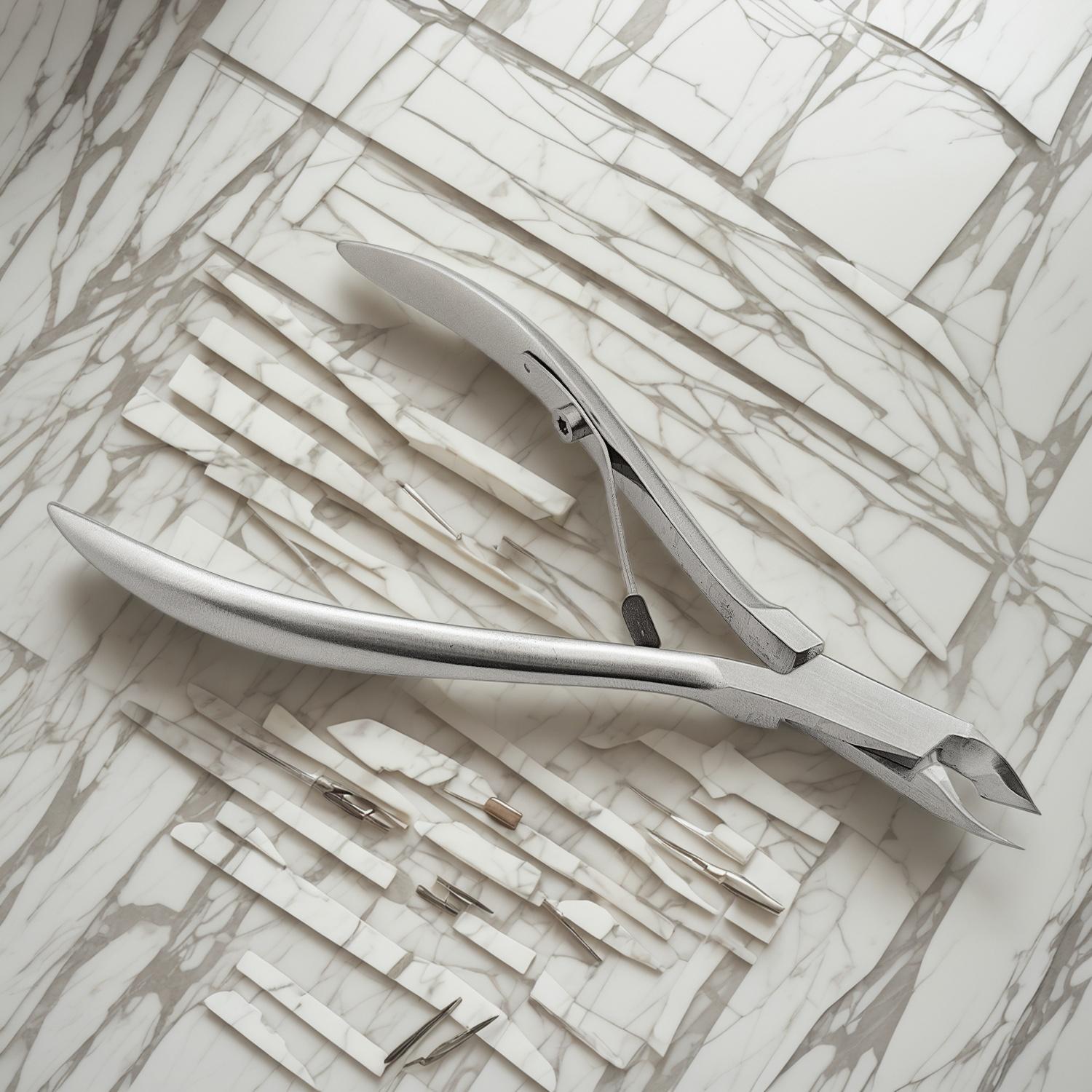
Manicure Pedicure Tool Kits for Professional Spa Sourcing
For salons, spas, nail studios, and beauty product distributors, manicure pedicure tools are not simply small accessories. They influence service consistency, technician comfort, hygiene routines, client confidence, and long-term purchasing costs. A low-price kit may seem attractive during procurement, but professional nail care environments need tools that can withstand repeated use, cleaning procedures, storage, and daily handling by different technicians.
The market has shifted toward more selective sourcing. Buyers are now looking for premium wholesale manicure kits that support precise work and professional presentation, rather than disposable implements or loosely assembled assortments. The right kit should help technicians complete common services efficiently while reflecting the quality standard of the business. This guide explains how to evaluate manicure and pedicure tool kits with a practical sourcing mindset, especially when purchasing for salon, spa, or distribution use.
Why Tool Quality Matters in Manicure and Pedicure Services
Professional nail care depends on control. Whether trimming, shaping, cleaning, or preparing nails, technicians need tools that feel stable in the hand and perform predictably. Inconsistent edges, weak alignment, awkward grips, or poor finishing can slow down services and create frustration for both the technician and the client.
Quality also affects how a salon is perceived. Clients often notice whether tools are clean, organized, and professional-looking. A well-curated manicure pedicure kit suggests that the business takes service standards seriously. For spa owners and salon managers, this is part of the overall client experience: reliable tools help create smoother appointments, fewer interruptions, and a more confident service flow.
Durability is another important factor. Professional tools are handled repeatedly throughout the day. If implements bend easily, lose their working feel quickly, or show visible wear after limited use, replacement costs can rise. Long-lasting tools, particularly those made from materials such as stainless steel, are preferred because stainless steel is associated with resistance to rust and corrosion when properly cared for. For high-use environments, this can be more valuable than focusing only on the lowest purchase price.
What a Professional Manicure Pedicure Kit Should Include
The exact kit composition depends on the service menu and local hygiene practices, but a professional buyer should look for a balanced assortment rather than a random collection. A kit for spa or salon use should cover routine nail preparation, trimming, shaping, and detail work without overloading the set with rarely used pieces.
- Core trimming tools: Nail clippers or nippers should be selected for clean control and comfortable handling.
- Cuticle care tools: Pushers and related implements should have smooth finishing and practical shapes for careful work.
- Shaping and finishing tools: Files, buffers, or compatible accessories should match the intended service style and replacement routine.
- Pedicure-focused implements: Pedicure tools may need stronger handling characteristics because toenail services often require more leverage and stability.
- Storage or packaging: A case, pouch, tray, or organized packaging can improve presentation and make inventory control easier.
For wholesalers and distributors, kit structure is especially important because different customers may serve different segments. A day spa may value a refined, compact presentation, while a high-volume nail salon may focus on durability, easy identification, and fast replacement planning. Reviewing the broader range of beauty tool products can help buyers compare kit types against individual tools and decide which format best suits their customer base.
Material, Finish, and Hygiene Considerations
Material choice is one of the first details buyers should review. The original industry trend toward stainless steel tools is practical: stainless steel is widely used in professional beauty implements because it can offer good resistance to rust and corrosion under appropriate care. However, buyers should still evaluate the finish, edges, joints, and general workmanship rather than relying on a material name alone.
A professional manicure pedicure kit should be easy to clean according to the salon’s standard procedure. Tools with rough surfaces, uneven joints, or difficult-to-access crevices may be harder to maintain. Smooth finishing also matters for client comfort, especially in services involving cuticle areas or detailed nail preparation.
When comparing spa tools wholesale options, use a clear inspection checklist:
- Surface finish: Check for smoothness, visible defects, sharp burrs, or uneven polishing.
- Working alignment: Moving parts should open and close consistently without excessive looseness.
- Grip and balance: Tools should feel stable, not slippery or awkward, during repeated hand movements.
- Edge quality: Cutting or trimming tools should be assessed for clean action and control.
- Cleaning compatibility: Confirm that the tool design supports the hygiene routines used by the salon or market.
- Packaging practicality: Wholesale kits should be protected during shipping and easy to store before distribution.
These details may seem small, but they determine whether a kit is suitable for repeated professional use or better suited only for occasional personal care.
Ergonomics for Technicians and Service Consistency
Technicians may perform many manicure and pedicure services in a single working day. Tools that are too small, too heavy, poorly balanced, or uncomfortable to control can contribute to fatigue. Ergonomic design does not need to be complicated; it means the tool supports natural hand movement and reduces unnecessary strain.
For salons, technician comfort is also a business issue. When tools are easier to handle, technicians can maintain better consistency across appointments. This is particularly relevant for precise cuticle work, toenail trimming, and detailed finishing. A tool that performs well in the first service but becomes tiring after several uses may not be ideal for a busy spa environment.
During sourcing, it is useful to have experienced technicians handle sample tools when possible. They can quickly identify whether a grip feels secure, whether leverage is adequate, and whether the tool supports common movements used in daily service. Distributors can also use this feedback to choose kit assortments that make sense for professional buyers rather than selecting products only by appearance.
Wholesale Sourcing Criteria for Salons, Spas, and Distributors
Buying manicure pedicure kits at wholesale scale requires more than choosing a nice-looking set. Procurement teams should evaluate product consistency, packaging, assortment logic, and the supplier’s ability to communicate clearly about product options. The goal is to reduce uncertainty before placing larger orders or adding a kit to a retail or professional catalog.
| Evaluation Area | Why It Matters | What to Review |
|---|---|---|
| Tool assortment | Ensures the kit matches real manicure and pedicure services | Core tools, duplicate items, service relevance |
| Material and finish | Affects durability, cleaning, and perceived quality | Stainless steel use, smooth surfaces, visible workmanship |
| Ergonomics | Supports technician comfort and precision | Grip, weight, balance, handling feel |
| Packaging | Influences storage, presentation, and shipping protection | Case style, labeling space, protective layout |
| Quality control approach | Helps maintain consistency across batches | Inspection points, product samples, communication process |
Salon wholesale distributors should also consider how the kit fits within existing product lines. A professional kit may be paired with individual replacement tools, travel-friendly sets, or broader spa implements. Browsing Olimor Beauty product collections can help buyers think through category planning and product positioning before making a purchasing decision.
Packaging and Presentation for Professional Buyers
Packaging is often overlooked, but it plays an important role in wholesale manicure kits for spas. A kit may be purchased for back-bar salon use, technician station organization, retail resale, gift programs, or distributor inventory. Each use case has different packaging priorities.
For professional salon use, packaging should protect tools and make them easy to organize. For retail or resale, presentation becomes more important because the buyer may judge quality before touching the tools. For distributors, packaging should also support efficient storage and minimize confusion when handling multiple SKUs or kit variations.
Neutral, well-organized packaging can make a kit feel more professional without relying on exaggerated claims. Buyers should review whether each tool is held securely, whether the kit is easy to open and close, and whether the packaging aligns with the intended market level. If private label or customized packaging is being considered, focus first on whether the underlying tool assortment and quality are suitable for the target customer.
Maintenance Practices That Protect Tool Value
Even well-made manicure pedicure tools require proper care. Salons should establish a clear routine for cleaning, drying, storage, and inspection. Moisture left on metal tools can shorten their useful life, and improper storage may damage edges or surfaces. Technicians should also be trained to identify tools that need replacement, adjustment, or removal from service.
A practical maintenance routine may include wiping tools after use, following the salon’s approved sanitation process, allowing tools to dry fully, and storing them in a clean, protected place. Moving parts should be checked for smooth operation. Cutting tools should be monitored for performance because dull or misaligned tools can affect service quality.
For wholesale buyers, maintenance instructions and clear product handling guidance can reduce complaints and improve customer satisfaction. A professional kit is not only the set of tools inside the package; it is also the way those tools are selected, explained, stored, and used over time.
Making a Better Purchasing Decision
The strongest manicure pedicure sourcing decisions are based on the complete service environment. A luxury spa, a neighborhood nail salon, a training program, and a wholesale distributor may all need different kit structures. Instead of asking only which kit is cheapest, buyers should consider which kit supports consistent services, practical hygiene routines, technician comfort, and long-term value.
When comparing professional beauty tools suppliers, look for clear product communication, sensible assortments, and attention to quality control. Avoid purchasing based only on photos or broad claims. Review the actual tools, packaging, and suitability for your market. If you are planning a wholesale purchase or comparing options for salon and spa use, you can send an inquiry with your requirements or contact Olimor to discuss suitable beauty tool sourcing directions.
Professional manicure pedicure kits are small in size but significant in impact. With thoughtful selection, salons and distributors can choose tools that support precise work, organized services, and a more dependable nail care experience for every client.
Tag: