

Manicure Pedicure Kits for Spas: How to Choose Wholesale Tools for Professional Services
Manicure and pedicure services are core treatments for many spas, salons, nail bars and beauty retailers because they combine visible grooming with ongoing hand, foot and nail care. For professional buyers, the challenge is not simply finding a low-cost kit. The better question is whether the tools support consistent service quality, safe hygiene practices, comfortable handling and repeat use in a busy treatment environment.
A well-planned manicure pedicure kit helps technicians work in an organized way. It can reduce service delays, support cleaner preparation and help create a more reliable client experience. For spa owners and purchasing teams, choosing wholesale tools also affects staff training, inventory control and replacement planning. This guide explains what to look for when sourcing manicure and pedicure tools for spa use, including kit contents, tool performance, maintenance expectations and practical supplier questions.
What Professional Manicure and Pedicure Services Need From Their Tools
Manicure and pedicure treatments usually include nail shaping, cuticle care, surface smoothing, callus or rough-skin care, cleaning and finishing. Each step requires tools that are appropriate for the service style and for the technician’s workflow. A compact retail kit may be suitable for personal care, but spa service tools often need better durability, more comfortable handling and easier cleaning between clients.
For professional environments, the most important qualities are consistency and control. Nail clippers should cut cleanly without crushing the nail edge. Files should provide predictable abrasion. Pushers and other precision tools should be shaped carefully enough for controlled use around the nail area. Foot care tools should help smooth dry skin effectively without encouraging aggressive overuse.
Olimor Beauty focuses on professional beauty tools for buyers who need dependable product options for beauty and spa services. Buyers comparing beauty tool products should evaluate how each item fits into real treatment steps rather than judging a kit only by the number of pieces included.
Core Tools to Include in a Spa Manicure Pedicure Kit
The ideal kit depends on whether it will be used for basic grooming, premium spa services, retail resale or staff workstations. However, several categories appear frequently in professional manicure and pedicure setups.
- Nail clippers and cutters: Used for shortening fingernails and toenails. Buyers should check cutting alignment, grip comfort and whether the tool feels stable in the hand.
- Nail files: Used to shape the nail edge and refine the finish. File type and texture should match the intended service, from natural nail shaping to final smoothing.
- Cuticle tools: Pushers, trimmers or related tools should be selected with care because they are used close to sensitive skin. Smooth edges and controlled shapes are important.
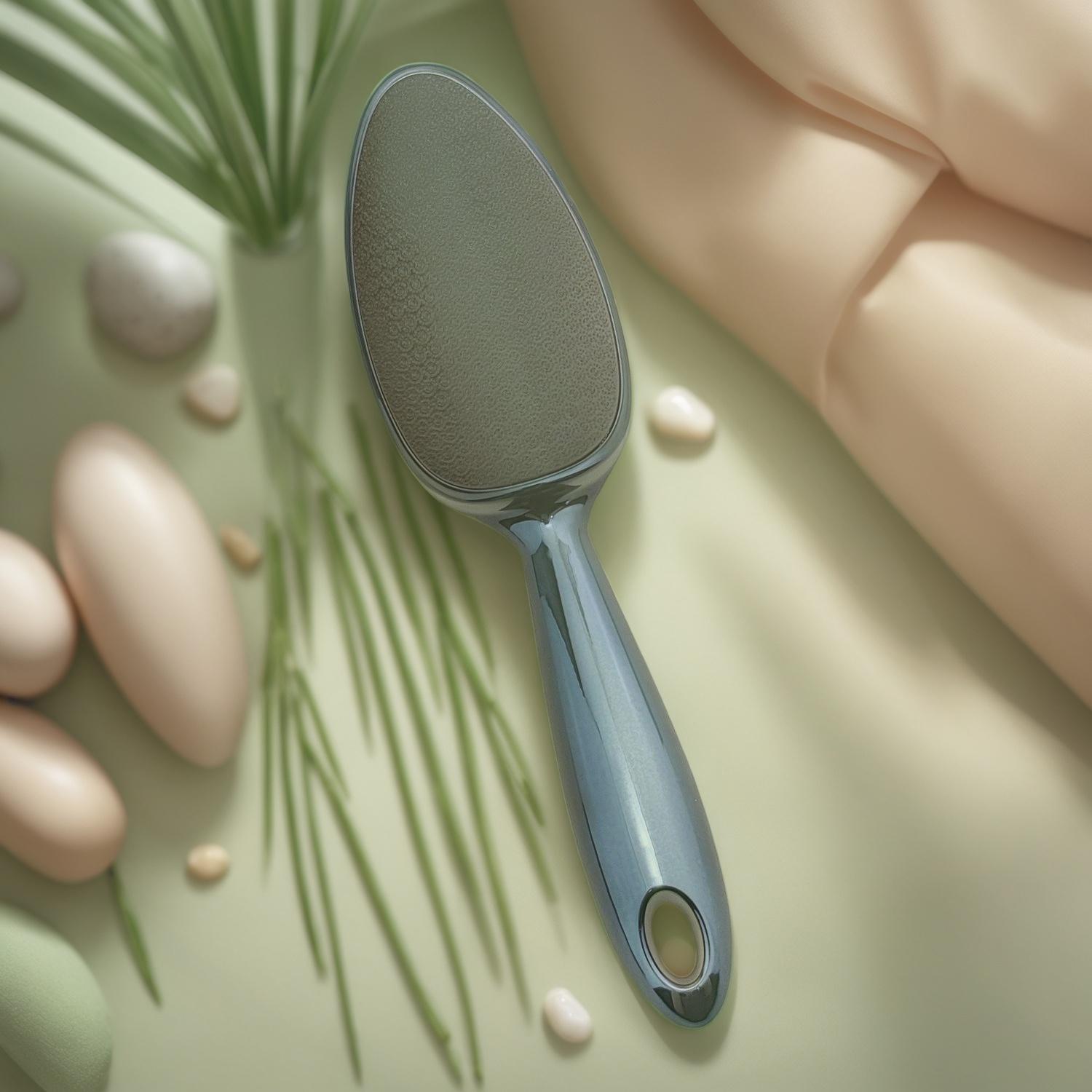
- Foot files: Pedicure services often require tools for dry or rough skin. The original product information highlights a luxury glass foot file as an example of Olimor Beauty’s focus on design and functionality.
- Cleaning and finishing accessories: Brushes, buffers and similar items can help technicians complete a tidy service when appropriate for the treatment menu.
- Storage components: Cases, trays or pouches help keep tools organized and reduce the chance of missing pieces during service preparation.
More tools do not automatically create a better kit. A smaller set of well-matched tools can be more useful than a large assortment that includes items technicians rarely use. Spa buyers should map tools to service steps, identify what must be disposable, what must be disinfected and what should be replaced regularly.
Wholesale Buying Criteria for Spas and Salons
When sourcing manicure pedicure tools wholesale, buyers often compare price, appearance and delivery options first. Those points matter, but long-term satisfaction usually depends on more specific details. A product that looks good in photos may still be unsuitable if it is hard to clean, uncomfortable for technicians or inconsistent from batch to batch.
Use the following checklist when reviewing manicure and pedicure kits for spa use:
- Define the service use: Separate tools for manicure, pedicure, retail kits, travel kits and premium treatment rooms. Each use may require a different mix.
- Check tool feel and handling: Tools should be easy to hold, not slippery during normal use and comfortable for repeated treatments.
- Review edges and surfaces: Look for clean finishing, smooth touch points and no rough burrs that could affect user control.
- Consider cleaning workflow: Tools used in professional services must fit the spa’s hygiene procedures. Avoid designs with unnecessary crevices if they complicate cleaning.
- Assess packaging needs: Wholesale kits may be used by staff, sold to clients or included in promotional bundles. Packaging should match the business purpose.
- Plan replacements: Identify which tools are long-lasting, which are consumable and which should be stocked as backups.
- Request clear product information: Confirm item list, dimensions where relevant, packaging format and any available documentation before committing to a bulk order.
This approach helps purchasing teams compare value in a practical way. Instead of asking only which kit is cheapest, buyers can identify which tool set reduces service friction and supports consistent client care.
Why Ergonomics Matter in Spa Tool Selection
Technicians may repeat similar movements many times a day. A tool that is awkward for a single home user can become a daily source of fatigue in a professional setting. Ergonomic design is therefore not just a comfort feature; it can affect treatment speed, control and technician confidence.
For clippers and cutters, buyers should look for a stable grip and a lever action that does not require excessive force. For files, shape and thickness can influence how easily the technician reaches around nail edges or foot contours. For pushers and similar precision tools, balance matters because the user needs fine control rather than brute pressure.
Ergonomics is also connected to training. When a spa uses consistent tool types across workstations, staff can follow standard procedures more easily. This can be especially helpful for multi-location operators, new staff onboarding or treatment menus with defined service steps. If a kit is intended for retail sale to spa clients, comfort is still important because customers may not have professional technique.
Glass Foot Files and Pedicure Tool Considerations
Foot care is one area where tool selection deserves special attention. Pedicure clients often want smoother heels and softer-looking feet, but professional providers need to balance visible results with safe, controlled use. The supplied product information specifically notes Olimor Beauty’s luxury glass foot file, described for sophisticated design and functionality. In a spa context, a glass foot file may appeal to buyers looking for a refined tool presentation and a smooth handling experience.
When comparing any foot file, consider the intended level of exfoliation, the feel of the handle, the working surface, ease of cleaning and how the tool fits into the pedicure sequence. A foot file should support careful smoothing rather than encourage harsh scrubbing. It should also be easy for the technician to rinse, inspect and store according to the spa’s hygiene process.
Pedicure tools are often highly visible to clients, so appearance can influence perceived professionalism. However, appearance should not replace practical evaluation. The best choice combines a clean look, reliable handling and compatibility with the service environment.
Quality Control and Sourcing Questions for Wholesale Buyers
The original product information notes Olimor Beauty’s technical commitment, stringent quality controls and rigorous inspection. For wholesale buyers, this type of focus is important because inconsistent tools can create operational problems: uneven cutting, irregular file surfaces, packaging errors or tools that do not match the intended service experience.
Before choosing a manicure pedicure kit, create a sourcing review that covers both product and business requirements. Useful questions include: What exact tools are included in the kit? Are the tools intended for professional use, retail resale or both? How are the tools packaged? Can the kit contents be reviewed before bulk purchasing? What maintenance guidance is available for the tool types being considered? Are there related items in the same product range that can support future replenishment?
It is also helpful to compare individual products and kit formats. Some spas prefer complete kits for each workstation, while others buy tools separately to create a customized setup. Buyers can review available product collections to understand how different beauty tool categories may fit together across manicure, pedicure and other grooming services.
Maintenance, Hygiene and Storage Practices
Even a good tool can perform poorly if it is stored carelessly or used beyond its practical lifespan. Spas should create clear internal procedures for cleaning, drying, inspection and storage. The exact process depends on the tool type and local hygiene requirements, but the principle is the same: tools should be ready for service, visually clean and organized before each treatment.
After use, tools should be handled according to the spa’s sanitation protocol. Items should be dried fully where applicable, because moisture left in storage can create problems for many tool types. Cutting edges and abrasive surfaces should be inspected regularly. If a tool no longer performs smoothly, it should be removed from service rather than forcing technicians to compensate with more pressure or repeated passes.
Storage also affects professionalism. Dedicated trays, pouches or workstation organizers help staff prepare faster and reduce lost items. For wholesale kits intended for resale, packaging should protect the tools and make the contents easy to understand. For in-house spa use, packaging may be less important than durability, access and inventory labeling.
Building a Practical Purchase Plan
A strong wholesale purchase plan starts with the spa’s actual service menu. List each manicure and pedicure treatment, identify the tools needed for every step and separate professional-use tools from retail products. Then decide whether complete kits or individual tool purchasing will be more efficient.
For a smaller spa, complete kits may simplify ordering and keep workstations consistent. For a larger salon or distributor, a mixed purchasing strategy can work better: core tools in bulk, specialty items selected separately and retail-friendly kits packaged for customer sale. Businesses preparing a new sourcing project can send an inquiry with their intended use, preferred kit structure and packaging expectations. For broader questions about tool options or collaboration needs, buyers can also contact Olimor.
Manicure pedicure tools are a daily part of spa service quality. Choosing carefully helps technicians work with confidence, supports cleaner treatment organization and gives clients a more consistent experience. By focusing on tool function, ergonomics, hygiene compatibility and sourcing clarity, spa buyers can build kits that serve the business well beyond the first order.
Tag: