

How to Source Manicure Pedicure Tools for Professional Spa and Salon Services
Manicure and pedicure services depend on skill, hygiene, timing, and the quality of the tools used at the table. A well-trained technician can work more safely and consistently when nippers align cleanly, pushers feel balanced, files are appropriate for the service, and each instrument can be cleaned and stored without confusion. For spas, salons, nail studios, hotel amenities, and beauty distributors, sourcing manicure pedicure tools is therefore not only a purchasing task. It is a service quality decision.
The right buying approach starts with a clear understanding of the tools your team actually uses, the level of durability required, and the checks needed before a product becomes part of a professional service setup. Price matters, but it should be considered alongside materials, finish, ergonomics, packaging suitability, and supplier communication. Olimor Beauty supports professional buyers looking for practical beauty tools and sourcing clarity. You can explore broader beauty tool products or review related product collections when planning a salon or wholesale assortment.
Start With the Service Menu, Not the Catalog
Before comparing manicure kits or pedicure tools, review the services you provide. A quick express manicure, a detailed cuticle care service, and a spa pedicure do not place the same demands on tools. If your team performs many detailed cuticle services, the quality and consistency of cuticle nippers become especially important. If you offer high-volume basic services, ease of cleaning, replacement planning, and technician comfort may matter just as much as precision.
Professional buyers should map tools to real workstations. List the instruments needed for each treatment, then identify which items are reusable, which are consumable, and which require stricter inspection before every service. This approach helps avoid overbuying mixed kits that include rarely used items while underestimating the tools technicians reach for every day.
- Core manicure tools: cuticle nippers, pushers, nail files, buffers, clippers, and small cleaning brushes where appropriate.
- Core pedicure tools: clippers, files, foot care implements, cuticle tools, and support accessories suitable for the service level.
- Operational items: trays, storage sleeves, labeling systems, and replacement stock for damaged or worn tools.
- Buyer documents: product photos, material notes, packaging details, care instructions, and inspection criteria for incoming shipments.
Material, Finish, and Construction: What to Check
The original purchasing priority should be quality over quantity. For metal implements, professional buyers often look for premium stainless steel because it is associated with durability and easier sterilization. However, the material name alone is not enough. A tool also needs clean finishing, stable construction, and consistent geometry. Rough edges, uneven surfaces, weak springs, poor alignment, or inconsistent tension can make a tool uncomfortable or unsafe in a professional environment.
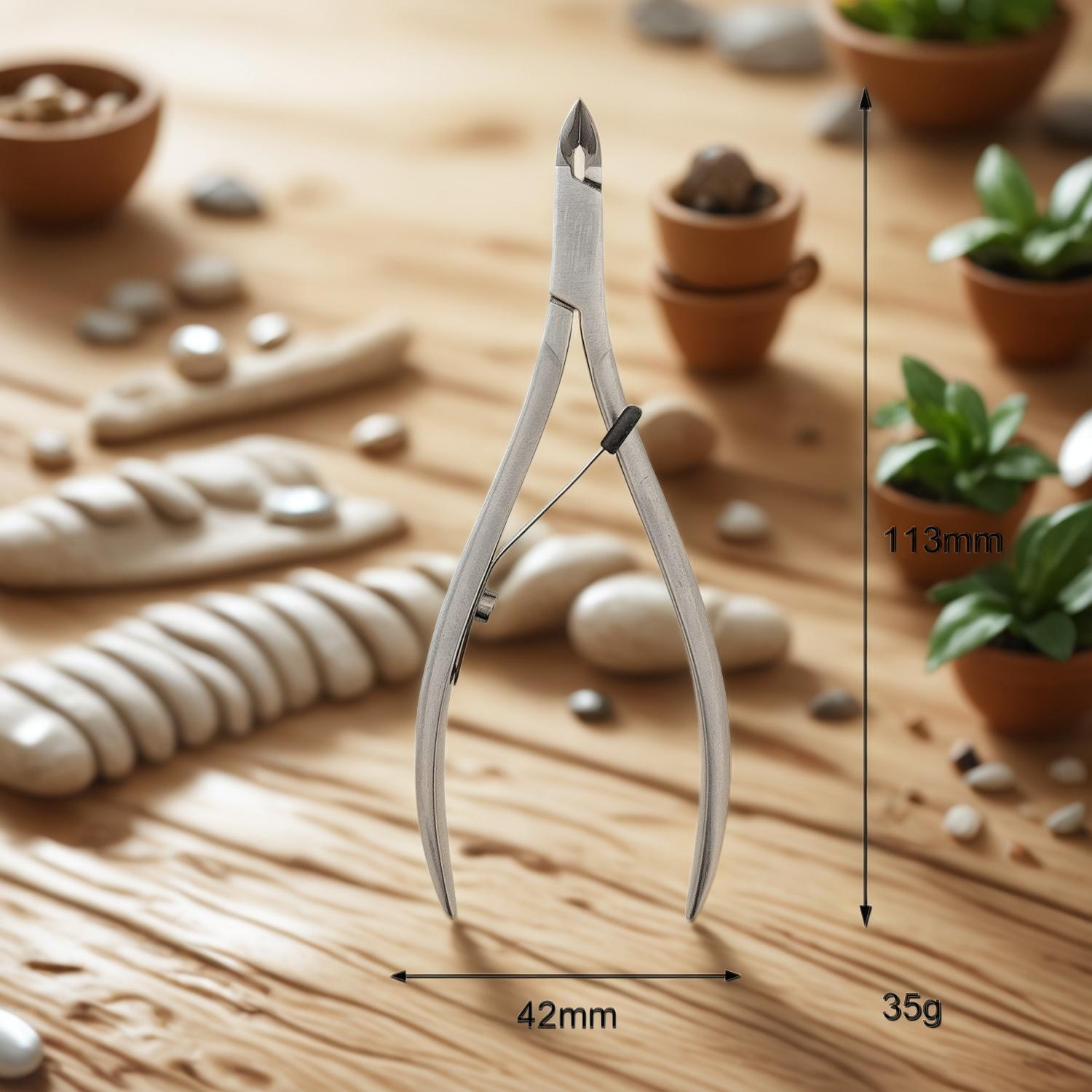
When reviewing manicure and pedicure instruments, look closely at contact points. A cuticle nipper should open and close smoothly, and the blade tips should meet evenly. A pusher should have a comfortable working edge without burrs. Clippers should cut cleanly without excessive force. If a tool has a handle texture or grip area, it should improve control without creating hard-to-clean crevices.
| Tool feature | Why it matters | What buyers can inspect |
|---|---|---|
| Blade alignment | Affects precision and reduces tearing or uneven cutting | Close the blades slowly and check whether the tips meet evenly |
| Surface finish | Supports comfort, cleaning, and professional presentation | Look for burrs, scratches, rough seams, or residue |
| Handle ergonomics | Reduces hand fatigue during repeated services | Test grip comfort, balance, and opening resistance |
| Spring or hinge action | Influences technician control and tool lifespan | Open and close repeatedly to check smoothness and consistency |
| Packaging protection | Prevents damage during transport and storage | Confirm sharp or delicate parts are protected before shipment |
Ergonomics Matter in High-Volume Nail Services
Salon tools are handled repeatedly throughout the day, so comfort is not a small detail. A tool that feels acceptable for one use may become tiring during a full appointment schedule. Ergonomics affect speed, precision, and technician confidence. For nippers and clippers, check how much pressure is needed to cut. For pushers, consider the handle diameter, balance, and whether the tool can be controlled with light pressure. For files and buffers, ensure the format fits the service and does not force awkward wrist angles.
When possible, let technicians participate in evaluation. A buyer may notice packaging and cost, while a technician immediately feels whether a tool drags, slips, or requires too much force. Their feedback is especially useful before placing larger wholesale orders. If different technicians have different preferences, you may need more than one handle style or tool size in your standard setup.
How to Evaluate Spa Product Wholesalers and Tool Suppliers
Choosing a supplier is a business decision that affects service consistency, inventory planning, and customer satisfaction. Reputable spa product wholesalers and salon wholesale distributors should be able to communicate clearly about product construction, packaging, quality control steps, and order handling. Buyers should look beyond the lowest unit price and assess whether the supplier can support repeat orders with consistent product quality.
A practical supplier review should include product samples when possible, inspection of finishing quality, packaging checks, and communication about acceptable tolerances. You do not need exaggerated claims to make a sound decision. Instead, build a checklist that compares suppliers in the same way each time.
- Define the service use: identify whether the tool is for professional daily service, retail resale, promotional kits, or backup inventory.
- Review product details: compare material information, dimensions if available, finish, grip design, and packaging format.
- Inspect samples: test opening action, cutting feel, surface smoothness, and visible consistency between pieces.
- Check packaging suitability: confirm whether items are protected, easy to identify, and practical for storage or resale.
- Confirm reorder expectations: discuss how future orders will be matched to the approved sample or agreed quality standard.
- Document issues: keep photos and notes so quality discussions are based on evidence rather than general impressions.
If your team is building a new salon tool program or comparing wholesale options, you can send an inquiry with your intended use, target assortment, and packaging needs. For more specific sourcing questions, you may also contact Olimor.
Maintenance and Hygiene Planning After Purchase
Good sourcing does not end when tools arrive. Manicure and pedicure implements need a maintenance plan that fits your local hygiene requirements and salon procedures. Reusable tools should be cleaned, disinfected, dried, and stored according to applicable rules and the tool type. Poor drying or rough handling can reduce service life, while mixed storage can damage cutting edges.
Create a simple station-level process. Technicians should know where used tools go, who performs cleaning, how clean tools are separated from used ones, and when a tool should be removed from service. For sharp implements, edge protection and careful storage are important. A high-quality nipper can still be damaged if it is dropped into a drawer with heavier tools.
Replacement planning is also part of professional maintenance. Do not wait until a tool fails during an appointment. Schedule regular inspections for blade sharpness, alignment, tension, corrosion signs, and handle comfort. If a tool no longer performs cleanly or cannot be cleaned confidently, remove it from professional use.
Building a Practical Wholesale Assortment
For distributors and salons buying in volume, the strongest assortment is usually focused rather than crowded. Include dependable core tools first, then expand based on service demand. A manicure pedicure kit for professional use should be easy to understand, easy to replenish, and appropriate for the buyer's customer base. If you serve spas, presentation and storage may be important. If you serve nail technicians, tool feel and durability may lead the decision. If you sell to retail customers, packaging clarity and basic care guidance become more important.
Olimor Beauty understands that precision and reliability are important for professional beauty tools. The purchasing goal is not simply to add more items to a shelf, but to choose tools that support safe, consistent, and efficient service. By reviewing materials, ergonomics, supplier practices, and maintenance expectations together, buyers can create a manicure and pedicure tool program that works in real daily use.
Whether you are refreshing salon stations, preparing a spa opening, or selecting wholesale manicure pedicure tools for distribution, start with the way the tools will be used. Then compare options with clear inspection criteria. This practical approach helps protect service quality, technician comfort, and long-term purchasing value.
Tag: