

Manicure Pedicure Tools: A Salon Buyer’s Guide
For a salon or spa, manicure pedicure quality is shaped by much more than polish color or chair comfort. The tools in a technician’s hand affect precision, hygiene, speed and the client’s confidence in the service. A cuticle nipper that cuts cleanly, a pusher that feels controlled and a toolkit that can withstand repeated cleaning all help create predictable results from one appointment to the next.
Buying professional manicure and pedicure tools wholesale is therefore a business decision, not just a purchasing task. The right tools can support smoother appointments, reduce unnecessary hand fatigue for technicians and help standardize service quality across multiple stations or locations. The wrong tools may look acceptable at first but can dull quickly, feel awkward in the hand or require replacement sooner than expected.
This guide is written for salon owners, spa managers, purchasing teams and private-label beauty buyers who want to choose manicure pedicure implements more carefully. It focuses on practical selection criteria, how to review suppliers and what to consider before adding tools to your salon operation.
Why Professional Manicure Pedicure Tools Matter
In nail care, small details are highly visible. Uneven trimming, rough cuticle work or tools that slip during use can weaken a client’s trust in the service. Professional tools are intended for frequent handling, repeated sanitation and controlled use by trained technicians. They should feel stable, allow precise movement and maintain functional integrity over time.
Consumer-grade tools are often designed for occasional home use. They may not be built for a full schedule of daily appointments or regular disinfection procedures. For a salon, the difference becomes clear after weeks of use: edge retention, joint stability, spring response and hand comfort all influence how consistently a technician can work.
Olimor Beauty focuses on professional beauty tools and applies internal quality control to help maintain consistency. For buyers comparing options, the goal should be to select tools that support both client safety and efficient service flow. You can review broader sourcing options through Olimor’s beauty tool products or compare categories within the product collections.
Key Tools to Review in a Salon Manicure Pedicure Kit
A manicure pedicure toolkit may vary by salon concept, technician preference and service menu, but several implements deserve close attention during purchasing. These tools are handled frequently and have a direct effect on the appearance and comfort of the finished service.
- Cuticle nippers: Used for precise trimming of excess cuticle or loose skin when appropriate. Blade alignment, sharpness, spring action and handle balance are critical.
- Cuticle pushers: Designed to gently prepare the nail area. Buyers should consider edge smoothness, grip comfort and whether the shape suits the salon’s technique.
- Nail clippers and trimmers: Important for both manicure and pedicure services. A clean cut helps reduce filing time and improves client comfort.
- Files and buffers: These affect nail shaping and surface preparation. Selection should match hygiene protocols and service positioning.
- Cleaning and storage accessories: Tool organization supports hygiene, technician efficiency and easier inventory control.
When evaluating kits, avoid choosing based only on the number of pieces included. A compact set of well-made implements can be more useful than a larger kit filled with tools that technicians do not trust. For salons, the best kit is one that matches real service steps and can be replenished or standardized over time.
How to Assess a Professional Cuticle Nipper
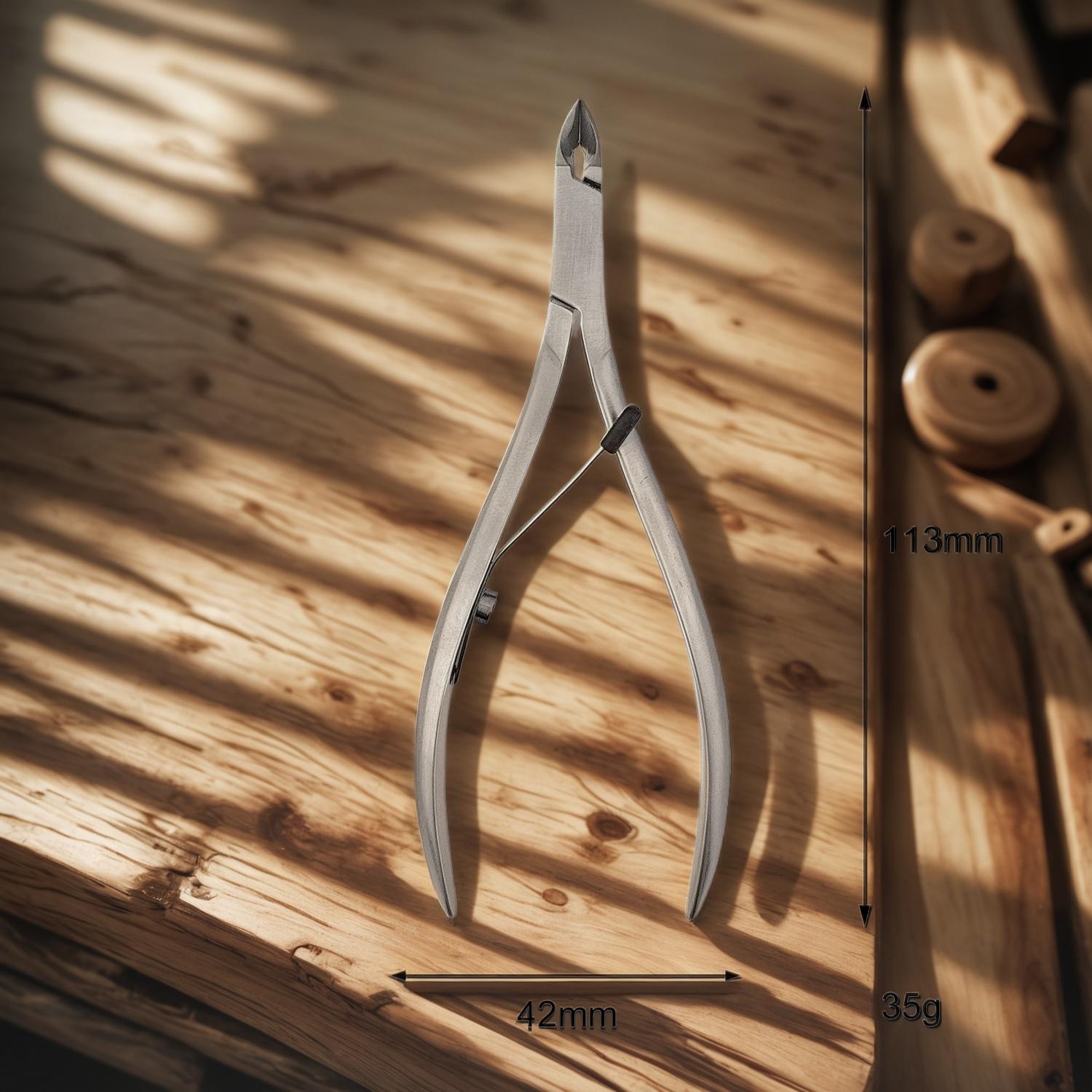
The cuticle nipper is one of the most important tools in a manicure pedicure setup because it requires accuracy and control. A poor nipper can pull or tear instead of cutting cleanly, while a well-made nipper helps the technician work with confidence. Olimor Beauty’s cuticle nipper is described as being crafted from high-quality stainless steel, with a lightweight, balanced design intended to reduce user fatigue. The model information also notes a weight of 35g, finely honed blades and an efficient spring mechanism.
Those features are useful because a nipper is used repeatedly throughout the day. A tool that is too heavy or poorly balanced can make long service schedules more tiring. A spring mechanism that feels uneven can interrupt rhythm and precision. Blades that are not finely finished may require extra pressure, which is not ideal for detailed cuticle work.
When comparing cuticle nippers for salon purchasing, review these points carefully:
- Blade meeting point: The tips should align cleanly so the cut is controlled and predictable.
- Sharpness and finish: Finely honed blades should cut without forcing or dragging.
- Spring response: The opening and closing action should feel smooth and consistent.
- Handle balance: A lightweight, stable feel helps technicians work longer with less strain.
- Material suitability: Stainless steel is commonly preferred for professional nail tools because it supports durability and routine hygiene practices.
- Packaging consistency: For wholesale buying, final packaging should protect the tool and support clean inventory handling.
Hygiene, Durability and Daily Salon Workflow
Manicure pedicure tools must fit into the salon’s hygiene workflow. Even a precise tool is not suitable if it cannot handle the cleaning and handling standards required in a professional environment. Buyers should think about the full life cycle of a tool: receiving, inspection, daily use, cleaning, drying, storage and replacement.
Durability is especially important for salons that operate multiple workstations. A tool may pass an initial visual check but still become difficult to use after repeated service cycles if the joint loosens, the cutting edge dulls quickly or the spring weakens. Consistency across batches also matters. If one station has a smooth tool and another has a stiff one, technicians may experience different working conditions, which can affect service consistency.
Before making a larger wholesale order, purchasing teams can create a simple internal trial. Give sample tools to experienced technicians, ask them to use the tools under normal appointment conditions and collect structured feedback. Focus on control, comfort, cutting performance, ease of cleaning and whether the tool remains stable after repeated use. This practical trial is often more valuable than relying only on appearance.
Wholesale Sourcing Criteria for Salons and Spas
Choosing a supplier involves more than finding a low unit cost. Salon wholesale tools need to be consistent, serviceable and suitable for the way your team works. A reliable purchasing decision balances tool performance, packaging quality, replenishment planning and communication.
Use the following checklist when comparing manicure pedicure tool suppliers:
| Buying factor | What to review | Why it matters |
|---|---|---|
| Tool construction | Material, joint stability, blade finish and spring action | Supports safe, accurate and repeated salon use |
| Ergonomics | Weight, balance and grip comfort | Helps reduce technician fatigue during busy schedules |
| Quality control | Inspection process from raw materials to final packaging | Improves consistency across wholesale orders |
| Service fit | Whether the tool matches your manicure pedicure steps | Prevents buying pieces your team will not use |
| Replenishment planning | Availability of repeat orders and stable product presentation | Helps maintain the same client experience over time |
Olimor Beauty emphasizes reliability from raw materials to final packaging, which is important for professional buyers who need repeatable quality. If you are planning a new salon setup, refreshing existing workstations or comparing wholesale spa tools, you can send an inquiry with your intended use, target quantity and preferred tool types.
Matching Tools to Your Service Positioning
Not every salon needs the same manicure pedicure kit. A fast-service nail bar, a hotel spa and a training academy may all require different tool combinations. Before purchasing, define how the tools will be used. Will they support express manicures, detailed cuticle care, pedicure services, retail kits or technician training? This decision helps prevent overbuying and makes supplier comparison clearer.
For premium salon services, technician comfort and precision may be the priority. For training environments, consistency across multiple identical tools may be more important. For spa buyers, packaging, storage and sanitation workflow may carry extra weight. For distributors, the key issue may be whether a tool line is easy to explain to professional customers and stable enough for repeat ordering.
It can also help to separate essential tools from optional add-ons. Start with the core implements that every technician uses daily, then expand the kit only when there is a clear service need. This approach keeps inventory practical and makes quality control easier.
Maintenance Habits That Protect Tool Performance
Even well-made manicure pedicure tools need proper care. Salons should create clear procedures for handling, cleaning, drying and storing implements. Tools should not be thrown loosely into drawers where blades can collide or tips can become damaged. After cleaning, they should be dried properly and stored in a way that protects cutting edges and working surfaces.
Technicians should also be trained to identify when a tool is no longer suitable for service. Warning signs can include misaligned tips, rough movement, a weak spring, visible damage or a cutting edge that requires too much pressure. A replacement schedule or inspection log can help managers avoid using tools past their practical service life.
Good maintenance supports both client safety and purchasing efficiency. When tools are cared for properly, salons can evaluate product performance more accurately and avoid blaming premature wear on manufacturing when the real issue is storage or handling.
Building a Better Manicure Pedicure Purchasing Process
A strong manicure pedicure service depends on skill, hygiene and the right implements. For salon and spa buyers, the best purchasing process starts with the service menu, then considers tool design, material, ergonomics, quality control and replenishment needs. A professional cuticle nipper, for example, should not simply look sharp; it should feel balanced, cut cleanly and remain dependable through repeated salon use.
Olimor Beauty offers professional beauty tool options for buyers who want to review manicure and pedicure implements with a practical wholesale mindset. To discuss suitable tools for your salon, spa or distribution needs, contact Olimor and share the service context you are sourcing for. Clear requirements at the start make it easier to choose tools that support consistent results, technician comfort and a more reliable client experience.
Tag: