

Manicure and Pedicure Kits for Spa Buyers: What to Check Before You Source
Manicure and pedicure services depend on small tools that have to perform consistently every day. A nail clipper that pulls instead of cuts, a file that wears out too quickly, or a poorly finished cuticle tool can slow down service and affect the client experience. For spas, salons, beauty retailers and distributors, choosing the right manicure pedicure kit is not only about appearance. It is about selecting tools that match the service menu, can be cleaned properly, feel controlled in the hand and arrive in packaging suitable for professional presentation.
Olimor Beauty supplies beauty tools for manicure, pedicure and foot-care programs, including manicure kits and pedicure tools such as the Luxury Glass Foot File mentioned in the product range. This guide explains how buyers can evaluate a manicure pedicure kit for practical use, wholesale planning and long-term customer satisfaction without relying on vague claims or decorative packaging alone.
Start with the Service Setting: Spa, Salon, Retail or Home Kit
The best kit format depends on where the tools will be used. A spa may need tools that support repeated professional treatments, while a retail buyer may prioritize gift-ready presentation and simple tool combinations. A salon wholesale distributor may need a balanced range that appeals to different accounts instead of one oversized kit.
Before comparing options, define the intended use clearly. A professional pedicure station may require a durable foot file, nail clippers, cuticle care tools and toe separators or accessory items depending on the treatment. A compact manicure kit for retail may focus on nail trimming, shaping and travel convenience. A mixed manicure pedicure kit should avoid unnecessary items that add cost but do not improve the service.
Buyers reviewing beauty tool products should think in terms of service flow. Tools should support the order in which technicians work: trim, shape, smooth, clean and finish. If the kit interrupts that flow or includes tools that are rarely used, it may look complete on the shelf but perform poorly in practice.
Core Tools That Make a Manicure Pedicure Kit Useful
A good kit does not need to include every possible beauty accessory. It should include the right tools for controlled nail and foot care. When details such as material grade or tool dimensions are not provided, buyers can still evaluate the kit by its function, finish and handling.
- Nail clippers: Check that the cutting edges align cleanly and operate smoothly without excessive force. Separate sizes for fingernails and toenails may improve usability.
- Nail file or shaping tool: The surface should be even and appropriate for shaping natural nails without leaving rough, irregular edges.
- Cuticle care tools: Edges should be smooth, controlled and free from burrs. Tools used near the cuticle area require careful finishing because comfort and safety are essential.
- Pedicure file: For foot-care services, the file should provide effective smoothing while remaining easy to rinse, clean and store.
- Case or storage format: A kit should hold tools securely, protect edges and allow quick visual checking before and after service.
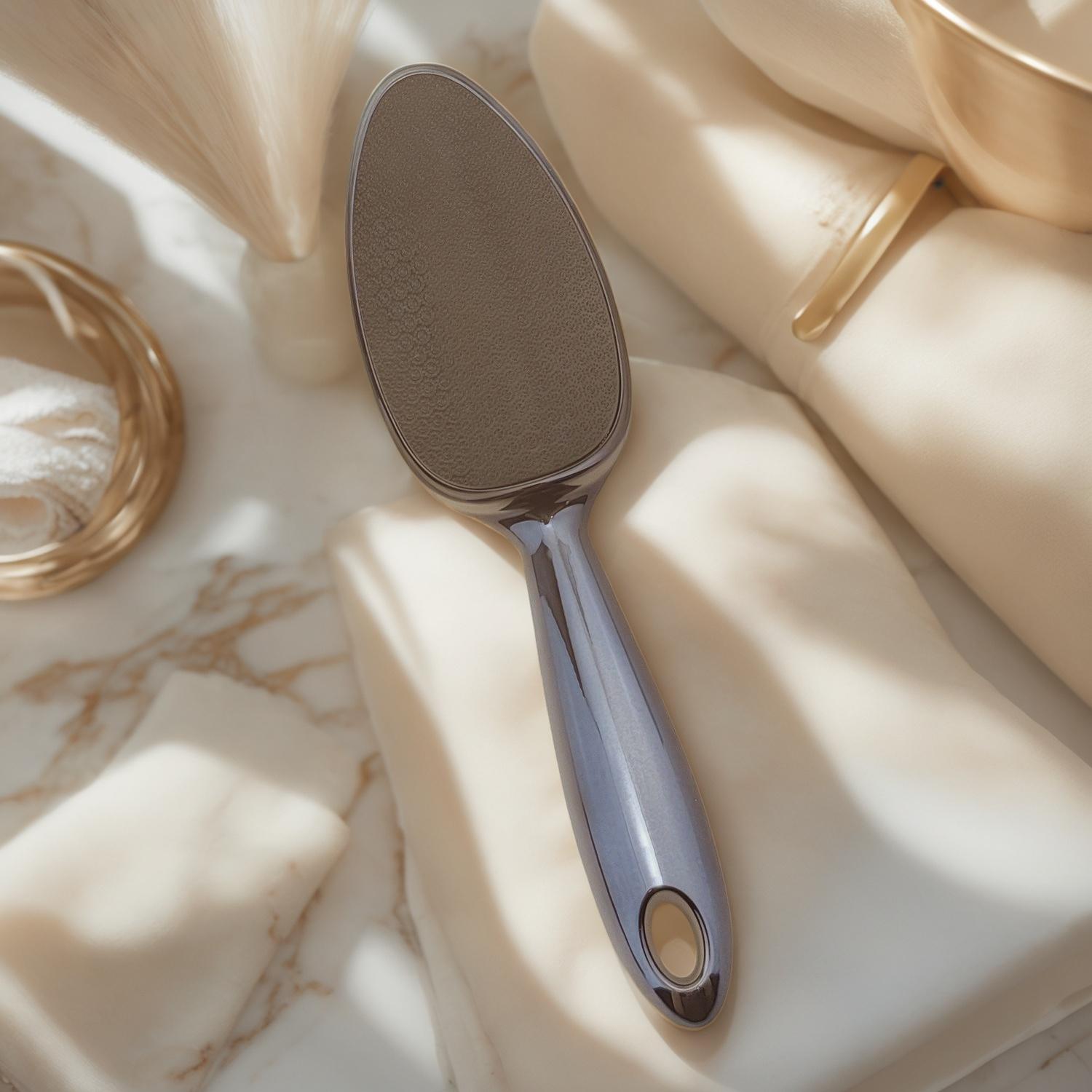
The Luxury Glass Foot File is a useful example of a pedicure tool that buyers may consider when planning a higher-quality foot-care offering. Glass foot files are often selected for their smooth surface, clean appearance and suitability for controlled exfoliation. When evaluating any glass foot file, look for consistent surface texture, comfortable grip, protected edges and packaging that reduces damage during shipping and storage.
Why Ergonomics Matter in Professional Treatments
In a professional setting, a tool is held repeatedly throughout the day. Even a small design issue can become noticeable after several appointments. Ergonomics should therefore be part of the purchasing decision, especially for salons and spas buying in quantity.
For clippers and cuticle tools, the hand position should feel natural. A tool that is too slippery, too sharp along the handle or difficult to control can reduce technician confidence. For foot files, the handle or gripping area should allow stable movement across curved surfaces of the heel and sole. A visually attractive tool is not enough if it causes wrist strain or requires awkward pressure.
When comparing samples, have more than one person test the tool. A buyer, a nail technician and a retail sales associate may notice different issues. The technician may focus on control, while the retail associate may notice presentation and explanation value. A distributor may evaluate how easily the product fits into an existing catalog or display plan.
Hygiene, Cleaning and Storage Considerations
Manicure and pedicure tools are closely associated with hygiene in the mind of the client. Even when a tool performs well, it must also support clean handling and organized storage. Professional users should follow their local salon sanitation rules and service protocols, but sourcing decisions can make those routines easier or harder.
Choose kit formats that allow tools to be removed and returned without scraping against each other. Storage should not hide moisture or debris. Smooth surfaces, well-finished edges and simple shapes are generally easier to wipe and inspect than overly decorative designs with unnecessary grooves.
For retail kits, hygiene communication matters as well. Packaging should make the contents easy to understand without implying medical or unrealistic results. Clear product naming and care instructions help end users keep the tools in better condition. For wholesale programs, consistent packaging also makes it easier for staff to check incoming stock and present items neatly on shelves or treatment trolleys.
Quality Checks Buyers Can Use Before Placing a Larger Order
When buying manicure pedicure kits for spas or wholesale distribution, a practical inspection checklist is more valuable than broad promises. Buyers do not need to know every factory detail to make a better decision; they need to know what to examine and document.
| Inspection area | What to look for | Why it matters |
|---|---|---|
| Tool finish | No burrs, rough seams, sharp unintended edges or loose parts | Improves comfort and reduces service interruptions |
| Cutting action | Clippers close evenly and cut cleanly without twisting | Supports efficient nail trimming |
| File surface | Even texture with no peeling, cracking or weak spots | Helps provide predictable shaping or smoothing |
| Case fit | Tools stay in place during handling and transport | Protects tools and improves presentation |
| Packaging consistency | Labels, inserts and cartons match the ordered product | Reduces confusion for salons, retailers and distributors |
It is also helpful to create a retained sample. Keep one approved kit as a reference for future shipments. This makes it easier to compare finish, packaging, color consistency and tool arrangement over time. For distributors managing several product collections, a reference sample system can prevent small changes from becoming unnoticed quality problems.
Choosing Kits for Wholesale and Spa Programs
Wholesale manicure kits for spas should be selected with both the professional user and the purchasing manager in mind. A technician wants reliability and comfort. A purchasing manager wants consistency, clear packaging and a product that fits the spa’s positioning. A distributor wants a kit that can be explained simply to different customer types.
For spa backbar use, prioritize function and durability over decorative excess. For retail resale, presentation becomes more important, but the tools still need to feel credible when the customer opens the kit. For hotel spa amenities or gift programs, compact storage and a clean visual style may be more relevant than a large number of tools.
Buyers should also consider how the kit will be replenished. If a kit includes a foot file that is used more frequently than other tools, can that item be purchased separately within the broader product range? If a salon wants to upgrade pedicure services, would a dedicated pedicure tool such as a glass foot file be a better addition than a larger general-purpose kit? These questions help prevent overbuying and make the product selection more useful.
Sourcing Questions to Settle Before Final Approval
Before confirming a manicure pedicure kit for a spa or wholesale channel, prepare a focused list of requirements. The goal is not to collect unnecessary paperwork; it is to make sure the product matches the intended use and can be supplied consistently.
- Confirm the exact tool list included in the kit and whether substitutions are allowed.
- Review sample tools for finish, cutting performance, file texture and case fit.
- Check whether packaging is suitable for professional storage, retail display or both.
- Clarify labeling, care instructions and any customization needs before production.
- Define how products should be packed to reduce movement or breakage in transit.
- Keep an approved sample and written specification for future comparison.
If your team is comparing options for salon, spa or distributor use, you can send an inquiry with your intended channel, kit type and packaging expectations. For broader sourcing discussions or project coordination, you may also contact Olimor.
Building a Better Manicure and Pedicure Offering
A manicure pedicure kit should make nail and foot-care work easier, cleaner and more consistent. The strongest choices are not always the largest kits or the most decorative ones. They are the tools that match the service, feel controlled in the hand, can be inspected easily and arrive in packaging that supports the buyer’s sales or treatment environment.
Olimor Beauty’s manicure and pedicure tool range, including options such as manicure kits and the Luxury Glass Foot File, is suited to buyers who want practical beauty tools for spa, salon, retail and wholesale programs. By evaluating tool function, ergonomics, hygiene, packaging and quality checks before ordering, buyers can build a more dependable product selection and give end users tools that are comfortable to use repeatedly.
Tag: