

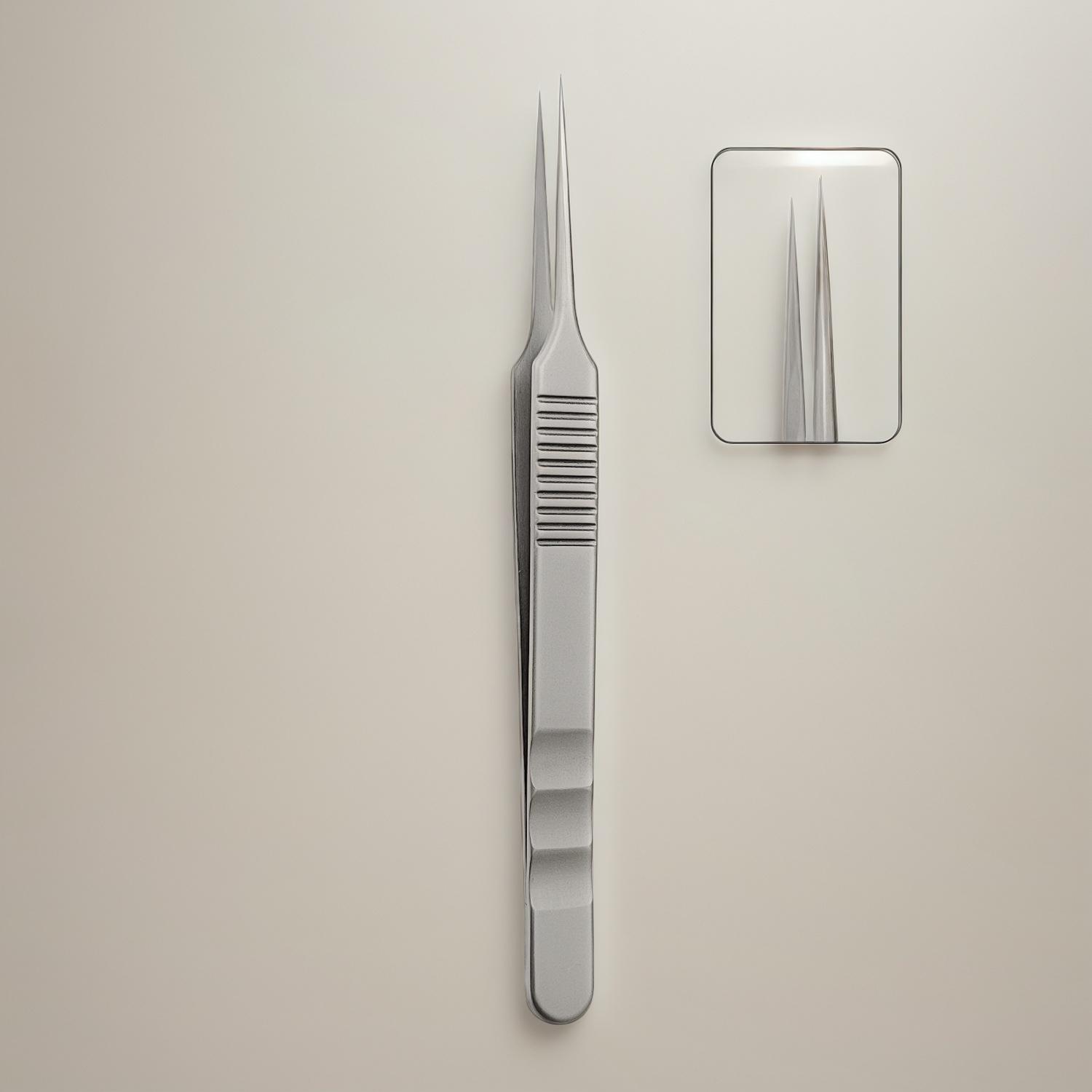
Low MOQ Tweezers for Lash and Beauty Brands
Low MOQ tweezers can be the difference between launching a beauty tool line with confidence and tying up too much capital in inventory before the market has responded. For lash artists, beauty startups, salon retailers, and growing private-label brands, tweezers are a practical first product: they are compact, used frequently, easy to merchandise, and closely connected to professional results. The challenge is finding a manufacturing partner that supports smaller opening orders without treating them as an afterthought.
For Olimor Beauty customers, the main goal is not simply buying fewer units. It is sourcing tweezers that feel precise in the hand, align properly at the tips, support clean lash placement, and present well under your own brand. The Precision False Lash Tweezer mentioned in the existing product context is a useful example of the features buyers often look for: durable stainless steel construction, a slip-resistant satin finish, ultra-fine tips, and an ergonomic design intended for controlled handling. This guide explains how to evaluate low MOQ tweezer sourcing so your first order supports both brand quality and future growth.
Why Low MOQ Matters for Tweezers
Minimum order quantity influences cash flow, inventory risk, launch speed, and how much freedom you have to test different product directions. A lower starting quantity can be especially helpful when you are introducing a new lash accessory, building a curated salon retail shelf, or comparing different tweezer shapes before committing to a larger run.
For established businesses, low MOQ orders are also useful for seasonal packaging, limited promotional sets, regional market testing, influencer sampling, and retail channel trials. Instead of making one large purchase based only on assumptions, you can gather feedback from technicians and customers, refine branding, and reorder the version that performs best.
However, low MOQ should not be confused with low standards. Tweezers are precision tools. A small defect at the tip, an inconsistent grip surface, or poor alignment can affect the user experience immediately. When reviewing beauty tool products, buyers should evaluate whether the supplier has a realistic process for maintaining quality across both smaller and larger orders.
What Makes a Good False Lash Tweezer?
False lash tweezers are judged by feel, control, and consistency. A tweezer can look attractive in a catalog photo but still perform poorly if the tips do not meet evenly or the tension is uncomfortable during repeated use. For lash technicians, small handling differences become obvious during isolation, pickup, placement, and adjustment.
When comparing low MOQ tweezers, focus on the features that directly affect daily use:
- Tip alignment: The tips should close cleanly and predictably, without crossing, leaving a visible gap, or meeting only at one point.
- Grip reliability: Ultra-fine tips should hold lash fibers or small beauty components without crushing them or slipping.
- Hand comfort: The spring tension should support control without causing fatigue during long appointments or repeated retail demonstrations.
- Surface finish: A slip-resistant satin finish can help with handling while also giving the tool a professional appearance.
- Material durability: Stainless steel is commonly valued for beauty tools because it supports strength, cleanability, and a polished retail look.
- Edge and point safety: Fine tips should be precise, but they should also be finished consistently to avoid rough edges or uneven points.
The Precision False Lash Tweezer from Olimor Beauty is described with several of these relevant characteristics: stainless steel construction, a satin slip-resistant finish, ultra-fine tips, and an ergonomic design. For a brand buyer, these are not just product claims to repeat in marketing. They are inspection points to verify through samples, user trials, and order specifications.
How to Choose a Low MOQ Tweezers Manufacturer
A direct relationship with a tweezers manufacturer can offer advantages over buying from a reseller, especially when you want private-label control. Manufacturers are usually better positioned to discuss production feasibility, finishing options, packaging structure, and the practical limits of customization. A reseller may be convenient for ready stock, but it may not provide the same flexibility when your brand needs consistent repeat orders.
When evaluating a tweezers factory or supplier, use a structured checklist rather than relying only on price. A clear comparison helps avoid hidden problems that appear after packaging is printed or inventory arrives.
| Evaluation area | What to check | Why it matters |
|---|---|---|
| Sample performance | Tip closure, grip, tension, surface feel, and comfort during real lash handling | Confirms whether the tool works for the intended audience |
| Customization support | Logo placement, packaging format, finish options, and artwork requirements | Helps your tweezer look consistent with your brand identity |
| Quality control process | Inspection of alignment, finish, cleanliness, and packing before shipment | Reduces the risk of receiving tools that vary from unit to unit |
| Communication | Clear answers about timelines, sample approval, and order documentation | Prevents misunderstandings during first production |
| Scalability | Ability to repeat approved specifications when order volume grows | Supports brand continuity after a successful test run |
If you are still defining your assortment, browse Olimor product collections to think about how tweezers may fit beside other beauty tools. A low MOQ tweezer order can be the first step in a wider tool program, but it should be planned with repeatability in mind.
OEM Branding Without Losing Product Discipline
Tweezers OEM services can help a new or growing brand look established from the first shipment. Typical branding decisions may include logo marking, retail card design, protective sleeve or pouch, outer packaging style, and product copy. These details matter because tweezers are often purchased as both a working tool and a branded beauty accessory.
Still, customization should never distract from function. A heavily branded tweezer that does not grip correctly will damage trust faster than a simple tool that performs well. Start by approving the physical tweezer, then build packaging around it. For false lash tweezers, the order of priority should usually be performance first, protective packaging second, and decorative branding third.
Before confirming an OEM order, prepare practical brand assets and decision rules. This may include your logo file, preferred colors, packaging text, barcode or labeling needs if relevant, and clear instructions for how the product should be named. Avoid adding technical claims that have not been verified. It is better to describe the tool accurately than to overpromise with language that customers cannot confirm in use.
Quality Control Points for Small and Repeat Orders
Quality control is especially important when working with low MOQ tweezers because your first batch may be used to judge whether customers will reorder. Even a small order should have a defined approval path. That path may include sample review, written confirmation of the chosen design, production inspection, and packaging verification.
For tweezers, useful inspection points include:
- Tip matching: Check whether the two sides meet evenly from the user’s natural holding angle.
- Closing tension: Confirm that the tweezer is neither too stiff nor too loose for precise lash work.
- Surface consistency: Look for scratches, uneven finishing, stains, or rough areas that could affect appearance or handling.
- Logo and packaging accuracy: Compare the finished order with approved artwork and placement instructions.
- Clean presentation: Review how each tweezer is packed, protected, and arranged for retail or professional delivery.
A disciplined first order creates a reference point for future production. Keep approved samples, packaging proofs, and specification notes so the next order can match the version your customers already know.
Inventory Planning for Beauty Startups and Salons
Low MOQ sourcing works best when it is connected to a realistic selling plan. Before ordering, estimate where the tweezers will go: professional back-bar use, salon retail, online sales, event kits, training kits, or wholesale bundles. Each channel may need different packaging and reorder timing.
For example, a lash training business may value simple, protective packaging and consistent grip across every student kit. A retail-focused beauty brand may need more attention to shelf appearance, product description, and unboxing presentation. A salon may prefer a smaller opening quantity to test whether clients purchase tools after appointments. These scenarios all benefit from flexibility, but they do not require the same packaging or launch strategy.
It is also wise to plan how feedback will be collected. Ask technicians whether the tip shape supports their application style. Track customer comments about comfort and presentation. Note whether returns or complaints are related to function, packaging, or expectations set by product copy. This information helps you decide whether to reorder the same tweezer, adjust branding, or expand into related tools.
Working With Olimor Beauty on Low MOQ Tweezers
Olimor Beauty supports beauty businesses looking for professional tweezers with flexible sourcing goals. For buyers interested in low MOQ tweezers, the strongest approach is to define the use case first: false lash application, salon retail, training kits, gift sets, or private-label launch. From there, you can evaluate product feel, branding options, packaging direction, and repeat-order needs.
The Precision False Lash Tweezer reflects the type of product detail that matters in this category: stainless steel construction, a slip-resistant satin finish, ultra-fine tips, and an ergonomic form for controlled handling. If those qualities fit your audience, the next step is to align the product with your brand presentation and order plan.
To discuss a tweezer project or compare options for your beauty tool program, you can contact Olimor or send an inquiry. Share your intended market, preferred branding direction, packaging expectations, and the way the tweezers will be sold or used. Clear project details make it easier to build a sourcing plan that balances flexibility, precision, and long-term brand consistency.
Tag: