

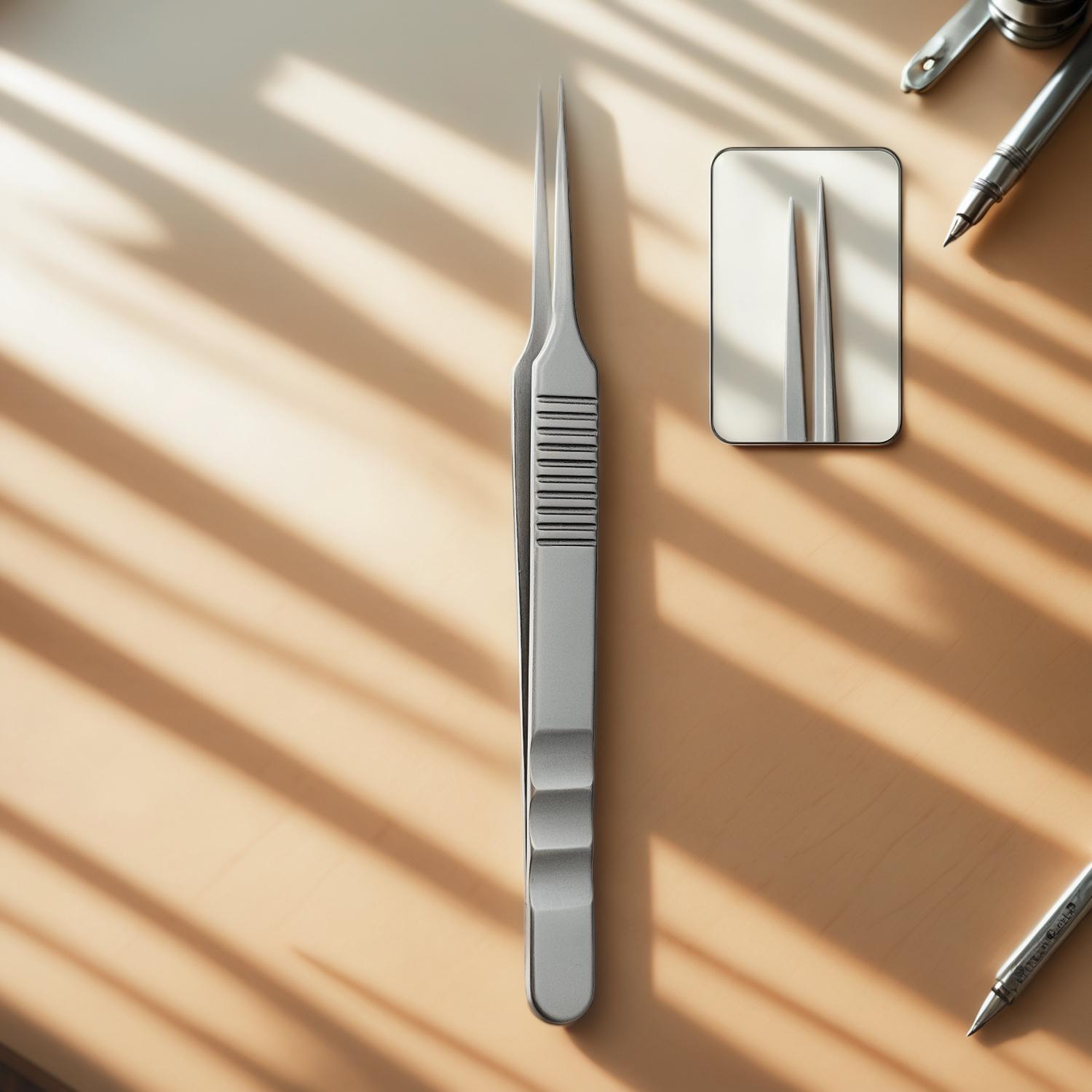
Low MOQ Tweezers for Beauty Brands: How to Source with Flexibility
Low MOQ tweezers are important for beauty brands that want to test a market, launch a private label tool, add a lash accessory, or expand a professional retail range without taking on unnecessary inventory risk. For many buyers, the goal is not simply to find the cheapest tweezer. The goal is to find a reliable manufacturing partner that can deliver consistent grip, clean finishing, comfortable handling, and packaging suitable for the intended sales channel.
Olimor Beauty works with beauty tool buyers who need flexible sourcing for professional-quality tweezers, including tools such as the False-Lash Tweezer. Whether you are preparing a first product launch or adding tweezers to an existing catalog, it helps to understand what actually affects usability, perceived quality, and repeat orders. This guide explains how to evaluate low MOQ tweezers from a practical buyer’s perspective.
Why Low MOQ Matters for Tweezers Sourcing
Minimum order quantity affects cash flow, product testing, and launch speed. A low MOQ option gives a beauty brand more room to validate a product before placing larger repeat orders. This can be especially useful for lash brands, salon distributors, brow professionals, e-commerce sellers, and start-up beauty labels that need to monitor customer response before expanding inventory.
Low MOQ sourcing is also helpful when a brand wants to compare tweezer types. A lash-focused business may need a curved or angled tool for false lash application, while a brow-focused business may prioritize a slanted tweezer with accurate hair removal performance. A flexible supplier makes it easier to evaluate shape, finish, grip feel, and packaging direction before committing to a broader range.
However, low MOQ should not mean low standards. Even in smaller batches, buyers should pay close attention to consistency from piece to piece. The tweezer should feel balanced in the hand, close evenly, align at the tip, and arrive with a finish that reflects the brand’s positioning.
Key Product Details to Check Before Ordering
Tweezers look simple, but small differences in alignment and finishing can have a major effect on performance. A professional tool needs reliable tension, accurate tip contact, and a surface finish that feels comfortable during repeated use. Olimor Beauty emphasizes professionally crafted tools, high-grade stainless steel, lightweight handling, ergonomic use, and internal quality control throughout production, from raw materials to final packaging.
Before selecting low MOQ tweezers, buyers should review the following criteria:
- Material: Stainless steel is widely used for beauty tweezers because it supports durability, clean finishing, and repeated handling. Confirm that the material fits your product positioning and care instructions.
- Tip alignment: The two tips should meet evenly. Poor alignment can reduce grip and make the tool frustrating for lash or brow work.
- Edge feel: Tips should be precise without feeling unsafe or roughly finished. The intended use should guide the sharpness and shape.
- Grip tension: Tension should be firm enough for control but not so stiff that it causes hand fatigue during professional use.
- Surface finish: Polishing, coating, or coloring should look consistent across the batch and support the desired retail appearance.
- Ergonomics: A lightweight, comfortable shape is important for lash technicians, brow artists, and frequent users.
- Packaging compatibility: Packaging should protect the tips and present the product clearly for retail, salon, or online sales.
Choosing the Right Tweezer Type for Your Customers
The right tweezer depends on the customer’s task. A product selected for false lash placement is not always ideal for brow shaping, and a retail gift set may need a different feel than a professional salon tool. Because the original product range includes the False-Lash Tweezer, lash application is a key use case to consider.
For false lashes, control and visibility matter. The tool should allow the user to hold lash clusters, strip lashes, or delicate lash pieces without crushing them. A comfortable grip helps users position lashes close to the lash line with better control. For brow work, tip contact and hair-gripping performance become more important. For general beauty kits, buyers may prioritize versatile shapes that are easy for everyday consumers to understand and use.
Brands should also consider where the tool will be sold. A salon professional may judge the tweezer by repeated performance during services. A retail shopper may first judge the design, packaging, and perceived value. An online customer may focus on product images, clear descriptions, and reviews. Good sourcing decisions balance all of these factors.
OEM and Wholesale Options for Beauty Brands
Olimor Beauty provides tweezers OEM and wholesale solutions for brands that want tools aligned with their product image and marketing goals. OEM sourcing can help a brand create a more cohesive product line, especially when tweezers are sold alongside lashes, brow tools, nail tools, or cosmetic accessories.
Useful OEM decisions may include product shape, surface appearance, handle feel, logo placement, packaging format, and retail presentation. The best choices depend on your target customer and price position. A minimalist professional line may need clean, understated packaging and a durable finish. A lash-focused e-commerce brand may want packaging that clearly communicates the tool’s purpose and protects the tweezer tips in transit.
Wholesale sourcing is useful when a buyer needs consistent supply across multiple sales channels. If you are expanding from a small batch into larger distribution, consistency becomes increasingly important. Buyers should keep reference samples, confirm packaging artwork carefully, and define acceptance criteria for appearance and function before production moves forward.
You can browse broader beauty tool products to compare how tweezers may fit within a larger accessory range, or review product collections when planning a more complete beauty tool offering.
Quality Control Questions That Protect Your Brand
A tweezer is a small product, but quality problems can quickly affect customer satisfaction. Common issues include uneven tips, inconsistent tension, rough finishing, scratched surfaces, poor logo placement, and packaging that does not protect the tool during shipping. A dependable tweezers manufacturer should be able to explain how quality is checked during production and before shipment.
Olimor Beauty states that its team conducts internal inspections throughout the production process, from raw materials to final packaging. For buyers, it is still useful to create a clear quality checklist so expectations are understood before ordering. The following table can help organize the review process.
| Checkpoint | What to Review | Why It Matters |
|---|---|---|
| Material and finish | Confirm stainless steel use, surface appearance, and consistency | Supports durability, product image, and customer trust |
| Tip alignment | Check whether both tips meet evenly when closed | Directly affects gripping accuracy and usability |
| Tension | Test opening and closing feel across samples | Helps prevent hand fatigue and inconsistent performance |
| Logo and branding | Review placement, clarity, and durability expectations | Protects brand presentation in retail and online sales |
| Packaging | Check fit, tip protection, labeling, and visual appeal | Reduces transit damage and improves customer experience |
| Final inspection | Define acceptable appearance and function standards | Reduces disputes and supports repeatable purchasing |
How to Plan a Low MOQ Tweezer Launch
A low MOQ order is most valuable when it is part of a clear launch plan. Instead of ordering a random style, start with your customer profile and sales channel. Lash technicians, brow artists, beauty retailers, subscription boxes, and online consumers may all prefer different product details.
- Define the use case. Decide whether the tweezer is mainly for false lashes, brows, general grooming, or a beauty kit.
- Select the product direction. Choose the shape, grip feel, and finish that match your audience and retail price level.
- Review samples carefully. Test tip alignment, tension, comfort, and packaging before moving forward.
- Prepare branding assets. Confirm logo files, color direction, packaging text, and any required product information.
- Set inspection standards. Write down the functional and cosmetic points that matter most to your brand.
- Collect launch feedback. Use the first batch to learn what customers like, what they return, and what should be adjusted for the next order.
This approach helps buyers use low MOQ flexibility strategically. A small starting order can become a controlled test, not just a smaller purchase. When feedback is positive, the brand can move toward larger wholesale orders with greater confidence.
Working with a Tweezers Factory Partner
Choosing a tweezers factory is a business decision as much as a product decision. The right partner should understand beauty industry expectations, communicate clearly about production choices, and support consistency from sample approval through finished packaging. For buyers comparing suppliers, it is helpful to look beyond a single unit price and consider reliability, quality control, customization support, and long-term fit.
Olimor Beauty positions itself as a tweezers supplier and manufacturer serving both growing brands and established companies. Its manufacturing focus includes professional tools, stainless steel construction, ergonomic handling, OEM customization, wholesale supply, and inspections across the production process. These points are especially relevant for brands that need flexibility without losing control over product presentation.
If you are preparing a low MOQ tweezer project, organize your target use, branding requirements, packaging expectations, and inspection checklist before requesting details. To discuss a sourcing plan, you can send an inquiry or contact Olimor for guidance on the next step.
Final Thoughts for Buyers
Low MOQ tweezers allow beauty brands to source with less inventory pressure while still building a professional product line. The key is to treat the first order as a quality and market test. Focus on material, tip precision, ergonomic feel, finishing, branding, and packaging protection. When those details are managed carefully, a simple tweezer can become a dependable accessory that supports lash services, brow routines, retail sales, and private label growth.
For brands developing a focused tool range, Olimor Beauty offers a practical starting point for low MOQ tweezers, OEM customization, and wholesale sourcing. With clear requirements and careful sample evaluation, buyers can move from concept to finished product with better control and fewer avoidable surprises.
Tag: