

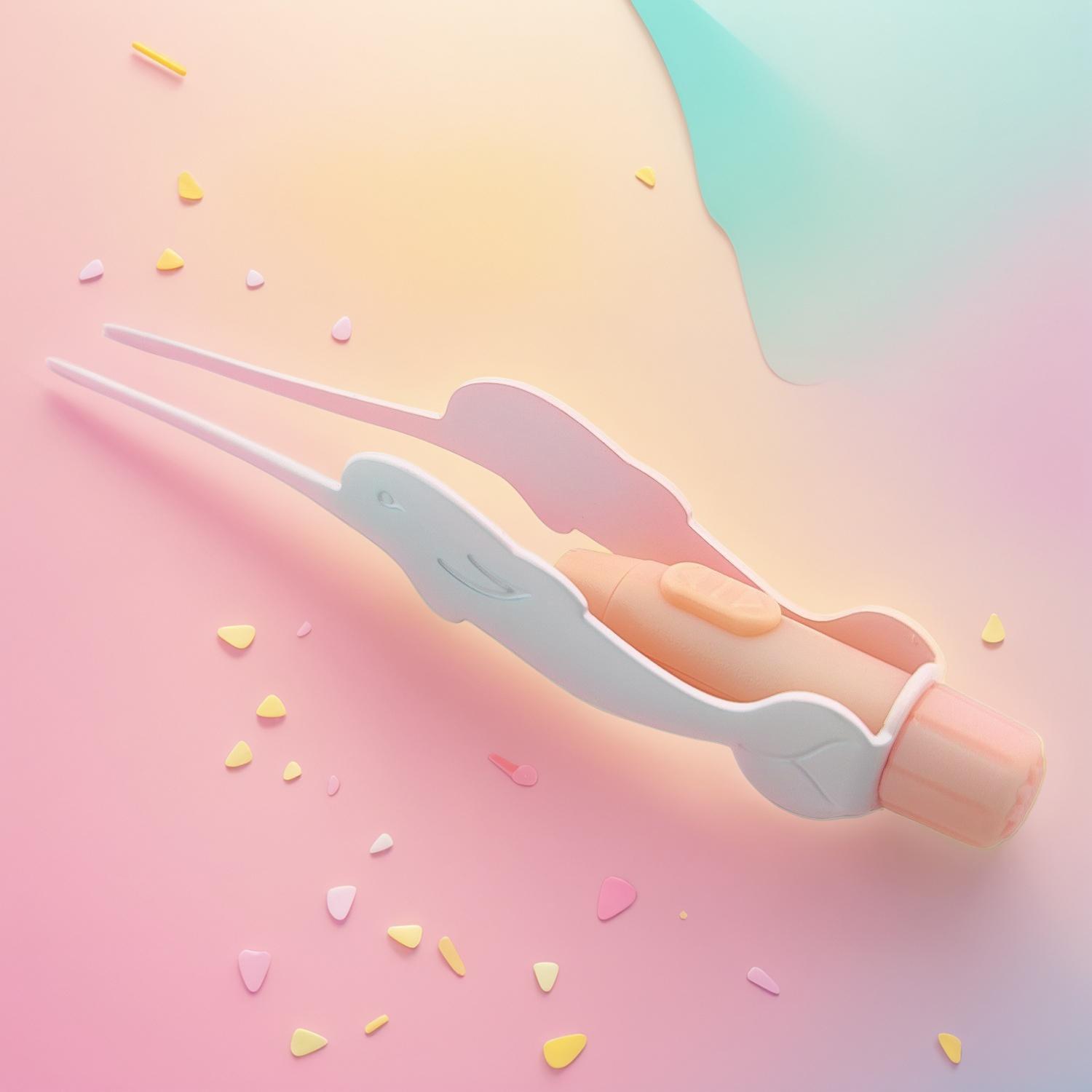
Choosing a Tweezers Exporter for Precise, Retail-Ready Beauty Tools
For beauty retailers, private-label brands, distributors, and salon supply buyers, tweezers are small products with large quality expectations. A customer may not notice the factory behind a pair of tweezers, but they will immediately notice poor grip, uneven tips, rough edges, weak tension, or packaging that looks inconsistent on the shelf. Selecting the right tweezers exporter is therefore not only a purchasing decision; it affects repeat sales, product reviews, brand trust, and after-sales issues.
Olimor Beauty supports buyers looking for personal grooming tools that balance precision, usability, and export-ready presentation. The goal is not simply to ship tweezers, but to help buyers define what a good tweezer should do for their market: shape brows cleanly, remove fine hairs without excessive pressure, feel comfortable in the hand, and arrive in packaging suitable for retail or kit assembly.
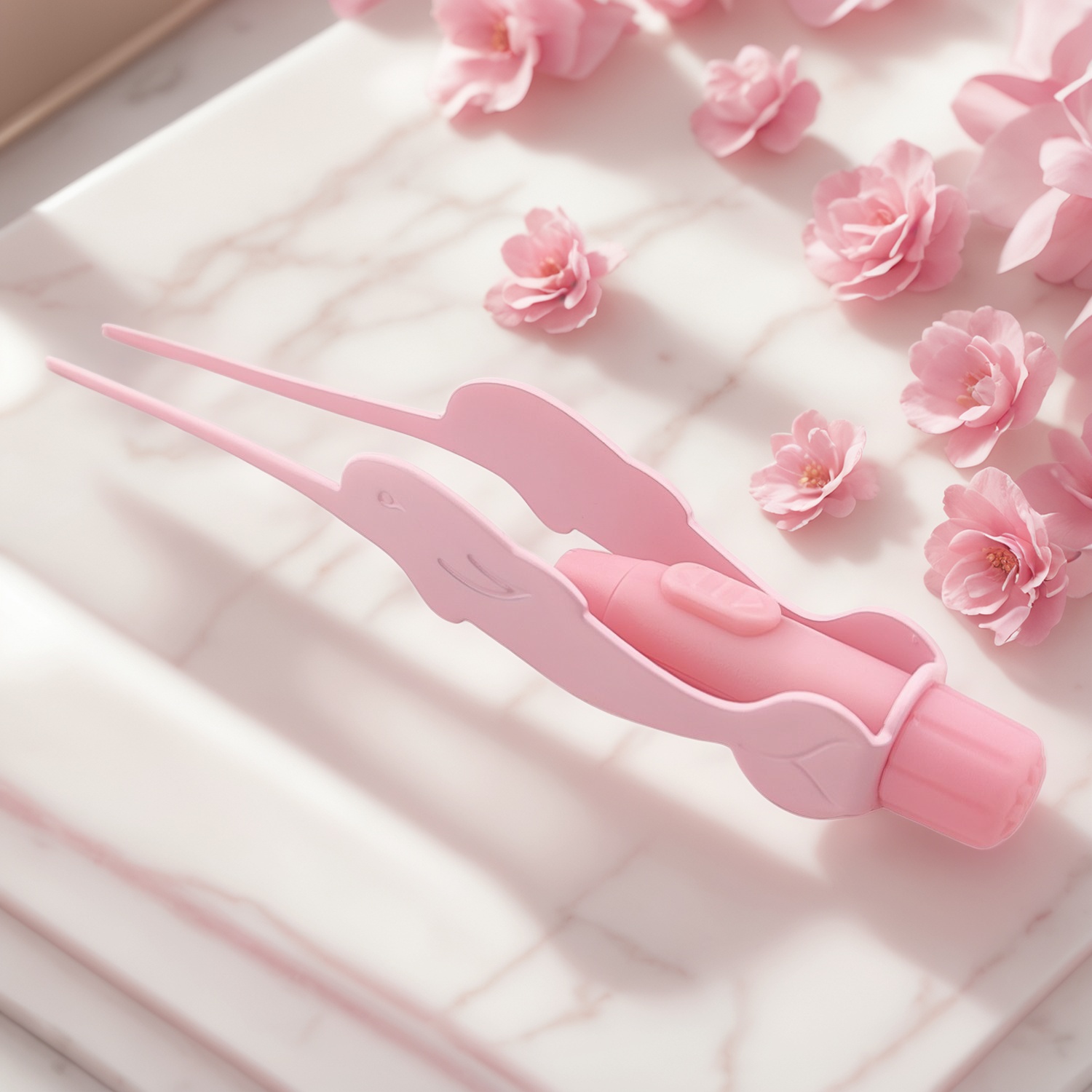
What Makes a Tweezers Exporter Worth Evaluating?
A qualified tweezers exporter should be able to discuss the product as a precision tool, not as a generic accessory. The smallest details decide whether a pair of tweezers performs well: the contact between the two tips, the surface finishing, the spring tension, the edge safety, and the consistency from one batch to the next. Buyers should look for a supplier that can translate these details into sampling, inspection, packaging, and shipment procedures.
For beauty brands, this is especially important because tweezers are often sold as part of a broader grooming range. A brow tool may sit beside eyelash curlers, facial razors, manicure tools, or compact beauty kits. If the tweezer does not match the quality level of the rest of the line, the whole set can feel less reliable. When reviewing beauty tool products, compare the tweezer’s appearance, finishing, and handling with the rest of the category to ensure a consistent customer experience.
Key Tweezer Features Buyers Should Define Before Sourcing
Before requesting samples or discussing customization, buyers should clarify the intended use. A tweezer for everyday brow shaping may require a different tip profile from one intended for fine facial hair, false eyelash placement, salon work, or travel kits. Clear product positioning helps prevent vague sampling and reduces revisions later.
- Tip type: Slanted tips are commonly used for eyebrow shaping, pointed tips for fine or precise removal, flat tips for broader grip, and rounded safety-oriented tips for limited-use or beginner-friendly tools.
- Tip alignment: The two sides should meet evenly without visible gaps. Misalignment reduces grip and can cause hair to slip.
- Grip tension: The tool should close firmly without requiring uncomfortable force. Too much stiffness can fatigue the hand; too little can feel weak.
- Edge finishing: Outer edges should feel smooth enough for safe handling, while the working tips must remain precise.
- Handle comfort: Buyers should consider length, width, coating, texture, and whether the tool is used occasionally or by professionals throughout the day.
- Packaging role: A tweezer sold alone needs different packaging from a tweezer included in a brow kit, gift set, or travel grooming pouch.
Material, Finish, and Practical Durability
Stainless steel construction is a common and practical choice for tweezers because it supports durability, cleanability, and a refined appearance. However, the material name alone does not guarantee performance. Buyers should evaluate how the material is shaped, finished, and inspected. A polished tweezer, matte tweezer, coated tweezer, or color-finished tweezer may each suit a different market segment, but the finish should not interfere with closing accuracy or create rough spots near the hand.
When choosing a finish, consider how the product will be displayed and used. A high-shine finish may look premium in clear packaging but can show fingerprints. A matte or coated finish may feel warmer and more modern, but color consistency should be reviewed across samples. If the tweezer is part of a coordinated beauty set, the finish should match nearby tools so the collection looks intentional rather than assembled from unrelated parts. Buyers exploring broader product collections can use color, finish, and packaging themes to build a more coherent retail range.
OEM/ODM Tweezers: What Can Be Customized?
OEM/ODM tweezers can help a retailer or brand create a more targeted product without building a tool from the ground up. Customization may involve visible design elements, functional preferences, or packaging presentation. The most efficient projects usually begin with a clear buyer brief: target customer, selling channel, expected use case, preferred visual direction, and packaging format.
Typical areas to discuss during OEM/ODM development include tweezer shape, length, tip style, surface finish, logo placement, color direction, retail card design, box structure, protective sleeves, and kit combination. If the tool will be sold online, packaging must also protect the tips during storage and delivery. If it will be sold in physical retail, shelf impact, barcode placement, hang-hole design, and multilingual labeling may be relevant.
Customization should not compromise function. A logo should not be placed where it affects finger comfort. A coating should not make the tweezer slippery. A decorative package should still protect the tip alignment. Good OEM/ODM work balances brand expression with the basic reason the product exists: clean, controlled gripping.
Quality Control Points for Precision Tweezers
Because tweezers are precision grooming tools, inspection should focus on repeatable performance rather than appearance alone. Buyers can use the following checklist when reviewing samples or confirming batch expectations:
- Visual review: Check for scratches, uneven color, burrs, stains, and inconsistent finishing.
- Tip closure: Close the tweezer against light and look for even contact between the two sides.
- Grip test: Test on fine fibers or sample hair to see whether the tool grips without slipping.
- Tension feel: Open and close the tweezer repeatedly to judge hand comfort and spring response.
- Edge safety: Run a cautious fingertip check along non-working edges to identify roughness.
- Packaging fit: Confirm the tweezer is held securely and that the tips are protected from pressure during transport.
- Batch consistency: Compare multiple pieces, not only one approved sample, to understand variation.
For buyers managing multiple SKUs, it is useful to create a standard inspection sheet. This allows internal purchasing, quality, and sales teams to evaluate samples consistently instead of relying on subjective comments such as “feels good” or “looks premium.”
Export Readiness: Packaging, Labeling, and Communication
A tweezers exporter must think beyond the product itself. Export orders require practical coordination: cartons, inner packaging, product protection, labeling information, shipment preparation, and communication about timelines. Even a well-made tweezer can create problems if the tips are damaged in transit or if packaging does not suit the buyer’s sales channel.
Retailers should define whether the tweezer will be sold in blister packaging, a paper card, a box, a pouch, or as part of a kit. E-commerce sellers may prioritize compact protective packaging that photographs well and reduces damage during delivery. Salon distributors may prefer packaging that is simple, durable, and easy to store. Gift-oriented beauty brands may need a more polished presentation, but the packaging should still be efficient enough for handling and replenishment.
Communication is another important part of export readiness. Product drawings, sample notes, approved artwork, color references, packaging dielines, and inspection points should be organized before production begins. This reduces misunderstandings and helps both sides confirm what has been approved.
How Beauty Brands Can Compare Tweezers Suppliers
When comparing suppliers, price is only one factor. A lower unit cost may not be worthwhile if it leads to higher defect rates, inconsistent packaging, or customer complaints. A more useful comparison includes product performance, responsiveness, sampling accuracy, customization capability, packaging support, and ability to understand the buyer’s market.
| Evaluation Area | What to Check | Why It Matters |
|---|---|---|
| Precision | Tip alignment, grip, tension | Directly affects hair removal performance |
| Finish | Smooth edges, coating consistency, surface quality | Influences comfort and perceived value |
| Customization | Logo, color, packaging, tip style options | Supports private-label positioning |
| Packaging | Tip protection, retail display, labeling space | Reduces damage and improves shelf appeal |
| Communication | Clear sample notes and order documentation | Helps prevent production and delivery errors |
Working With Olimor Beauty on Tweezers Projects
Olimor Beauty is positioned for buyers who need a practical sourcing partner for tweezers and related personal grooming tools. Whether the goal is a simple retail tweezer, a private-label brow tool, or a coordinated grooming set, the best results come from clear product requirements and careful sample review.
To prepare for a project, gather your target market, preferred tip type, finish direction, packaging idea, logo files if available, and any retail requirements you already know. If you are still defining the range, start with use cases: brow shaping, facial hair removal, salon resale, travel kits, gift sets, or entry-level beauty accessories. From there, it becomes easier to narrow the material finish, shape, and packaging structure.
Buyers can contact Olimor to discuss sourcing questions or send an inquiry with project details for review. A well-planned tweezers order should deliver more than a small metal tool; it should give end users accurate grip, comfortable handling, and confidence in the beauty brand behind it.
Tag: