

How to Source Export-Ready Tweezers for Retail and Wholesale
Tweezers are small tools, but they can create large customer service problems when the quality is inconsistent. A pair that does not grip cleanly, feels uncomfortable in the hand or loses alignment quickly can lead to returns, poor reviews and weak repeat orders. For beauty retailers, distributors, salon suppliers and private label buyers, sourcing tweezers is not only about finding a low unit price. It is about selecting a tool that performs predictably across bulk shipments.
Olimor Beauty supplies beauty tools for buyers who need practical product options for retail, wholesale and customized programs. If you are comparing a tweezers exporter or reviewing a potential OEM/ODM project, this guide explains what to check before placing an order. It focuses on product fit, manufacturing considerations, customization choices and quality expectations so you can build a tweezer range with fewer surprises.
What Buyers Should Expect From a Tweezers Exporter
A reliable tweezers exporter should help buyers match product design to the intended sales channel. A supermarket beauty aisle, a salon supply catalog, an online grooming set and a private label cosmetics collection may all need different tweezer features. The most suitable option depends on customer expectations, packaging format, price positioning and how the tool will be used.
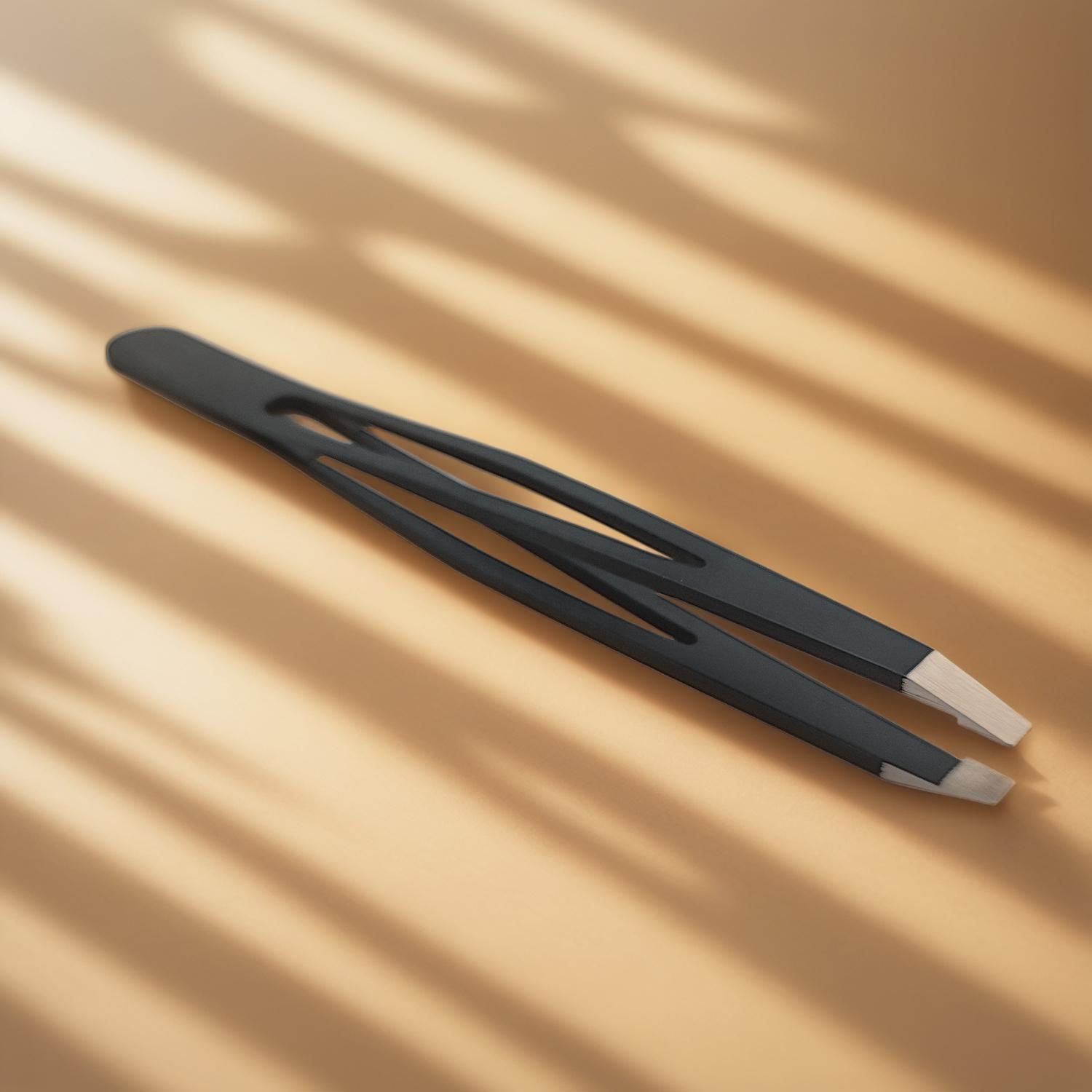
For example, a slanted-tip tweezer is often selected for brow shaping because the angled edge can help users reach individual hairs with better visibility. A lightweight tweezer can be useful for travel kits, starter grooming sets or lower-weight e-commerce bundles. The original Olimor range references include Matte Black Precision Tweezers with slanted tips and SleekSlim Tweezers at 9 grams, including a 96mm size option. These details show how small differences in weight, length and tip style can affect the way buyers position a product.
Before comparing quotations, buyers should define the role of the tweezer in the assortment. Is it a single hero product, an accessory in a multi-piece beauty kit, a salon counter item or a promotional add-on? Clear positioning makes it easier to evaluate design, finish, packaging and inspection requirements.
Key Tweezer Selection Criteria for Wholesale Orders
Bulk sourcing requires more structure than buying a sample for personal use. The sample may look acceptable, but wholesale orders need repeatable performance across many pieces. When reviewing tweezers for export, focus on the areas that affect user satisfaction most directly: tip alignment, grip, hand feel, surface finish and packaging protection.
- Tip alignment: The two tips should meet evenly. Poor alignment makes it harder to grasp fine hairs and can cause the tool to slip.
- Edge finish: Tips should be cleanly finished without rough edges that may scratch skin during normal grooming use.
- Grip tension: The tweezer should close with controlled pressure. If it is too stiff, users may experience hand fatigue; if too loose, gripping accuracy may suffer.
- Material choice: The supplied article identifies stainless steel as the material used in the manufacturer process. For buyers, material consistency is an important point to confirm for repeat orders.
- Surface finish: Matte, polished or coated finishes can change the visual style, retail positioning and grip feel. The Matte Black Precision Tweezers are an example of a finish-led product direction.
- Weight and length: Lightweight tools such as the 9-gram SleekSlim Tweezers may appeal to travel, compact beauty kits and buyers seeking easy handling.
- Packaging compatibility: Confirm whether the tweezer shape and length fit the planned card, pouch, box or kit tray without movement that could damage tips.
These criteria are useful whether you are purchasing from existing beauty tool products or developing a customized product line. A strong sourcing decision comes from testing how the tweezer performs in the hand, not only how it appears in a product photo.
Comparing Matte Black Precision Tweezers and SleekSlim Tweezers
Two product directions mentioned in the existing Olimor information are Matte Black Precision Tweezers and SleekSlim Tweezers. Buyers can use these examples to think through assortment planning. The right choice is not always the most premium-looking item; it is the one that fits the end customer and price tier.
| Consideration | Matte Black Precision Tweezers | SleekSlim Tweezers |
|---|---|---|
| Known features from supplied details | Slanted tips, matte black finish, moisture-resistant grip | 9 grams, 96mm size mentioned, lightweight control |
| Likely buyer focus | Retail presentation, brow grooming, professional-looking finish | Compact handling, travel sets, minimalist beauty kits |
| Selection question | Does the matte surface match the target packaging and brand style? | Does the lightweight feel suit the customer’s expected hand control? |
| Bulk order check | Inspect finish consistency, tip contact and grip comfort | Inspect length consistency, weight feel, tip alignment and packaging fit |
This type of comparison helps prevent assortment overlap. If your line already includes a visually bold tweezer, a slim lightweight option may add variety. If your range is built around simple grooming basics, a matte slanted tweezer may provide a stronger retail display point.
OEM/ODM Tweezers: What Can Be Customized Thoughtfully
OEM/ODM tweezers can help retailers and distributors create a more differentiated beauty tool line. However, customization should be guided by customer needs rather than decoration alone. A finish, size, grip feel or packaging change should support how the product will be marketed and used.
Common customization discussions for tweezers may include surface finish, overall size, packaging format and brand presentation. The supplied information references customization of a chic matte finish and size adjustments such as the 96mm SleekSlim model. These are practical starting points because they affect both appearance and handling.
Before starting an OEM/ODM tweezer project, prepare a clear brief. Include the target customer, desired price position, sales channel, packaging preference, color direction, logo placement needs and any compliance or labeling requirements for your market. If the tweezer will be sold online, also consider whether the finish photographs clearly and whether the packaging protects the tips during parcel shipping.
For buyers building a broader beauty range, it may be useful to compare tweezers with other product collections so the line has consistent visual language. A tweezer that looks disconnected from the rest of the range may be harder to merchandise, even if the tool itself performs well.
How to Balance Wholesale Price and Quality
Searching for the cheapest wholesale tweezers can be reasonable when margins are tight, but the lowest price is not always the lowest cost. Poorly aligned tips, inconsistent finish or weak packaging can create hidden expenses through returns, replacements, repacking and lost customer trust. A better approach is to define the minimum acceptable quality level first, then compare wholesale pricing within that standard.
Cost can be influenced by material selection, production steps, finishing process, packaging complexity, customization requirements and inspection needs. A simple bulk tweezer with standard packaging will usually be evaluated differently from a private label tweezer with a special finish and custom retail box. Buyers should avoid comparing these as if they are the same product.
- Start with the intended retail price: Work backward from your target selling price and channel margin.
- Set non-negotiable quality points: Tip alignment, safe edge finish and consistent grip tension should not be sacrificed.
- Choose packaging based on risk: Export cartons and retail packaging should protect the tweezer tips from bending or rubbing.
- Review samples in real use: Test on fine hair, packaging removal, hand comfort and repeated opening and closing.
- Confirm the final sample before bulk production: The approved sample should represent finish, size, packaging and functional expectations.
This process keeps the conversation focused on value rather than price alone. It also makes quotation comparisons more accurate because each supplier is responding to the same quality and packaging expectations.
Quality Control Points Before Shipment
For tweezers, small defects are easy to miss until the customer opens the package. A structured inspection plan helps reduce that risk. Olimor Beauty’s supplied information mentions inspections from raw materials to packaging and internal quality checks. Buyers can support this process by defining the points that matter most for their market.
Practical inspection points include checking whether the tips close evenly, whether the surface finish is consistent, whether the tweezer sits correctly in its packaging and whether labels or printed elements are positioned correctly. If the item is part of a set, each component should be checked for fit inside the tray, pouch or box. For export orders, cartons should also be evaluated for durability and clear identification.
It is also wise to keep approved pre-production samples and packaging references on file. These references make it easier to compare future shipments and maintain consistency over repeat orders.
When to Contact Olimor Beauty
If you are planning a retail tweezer program, expanding a wholesale catalog or reviewing OEM/ODM beauty tool options, Olimor Beauty can help you compare product directions and prepare a sourcing brief. The most efficient inquiries include the target market, approximate order purpose, packaging idea, preferred finish, expected sales channel and any branding requirements.
You can contact Olimor to discuss product suitability or send an inquiry with your project details. A clear brief helps shorten the sampling process and makes it easier to match tweezers to your price point, packaging plan and customer expectations.
The best tweezer for export is not simply the lowest-cost option or the most decorative design. It is the tool that combines clean gripping performance, suitable finish, consistent manufacturing and packaging that protects the product until it reaches the end user. By evaluating these details early, buyers can source tweezers that support stronger retail presentation and more reliable repeat sales.
Tag: