

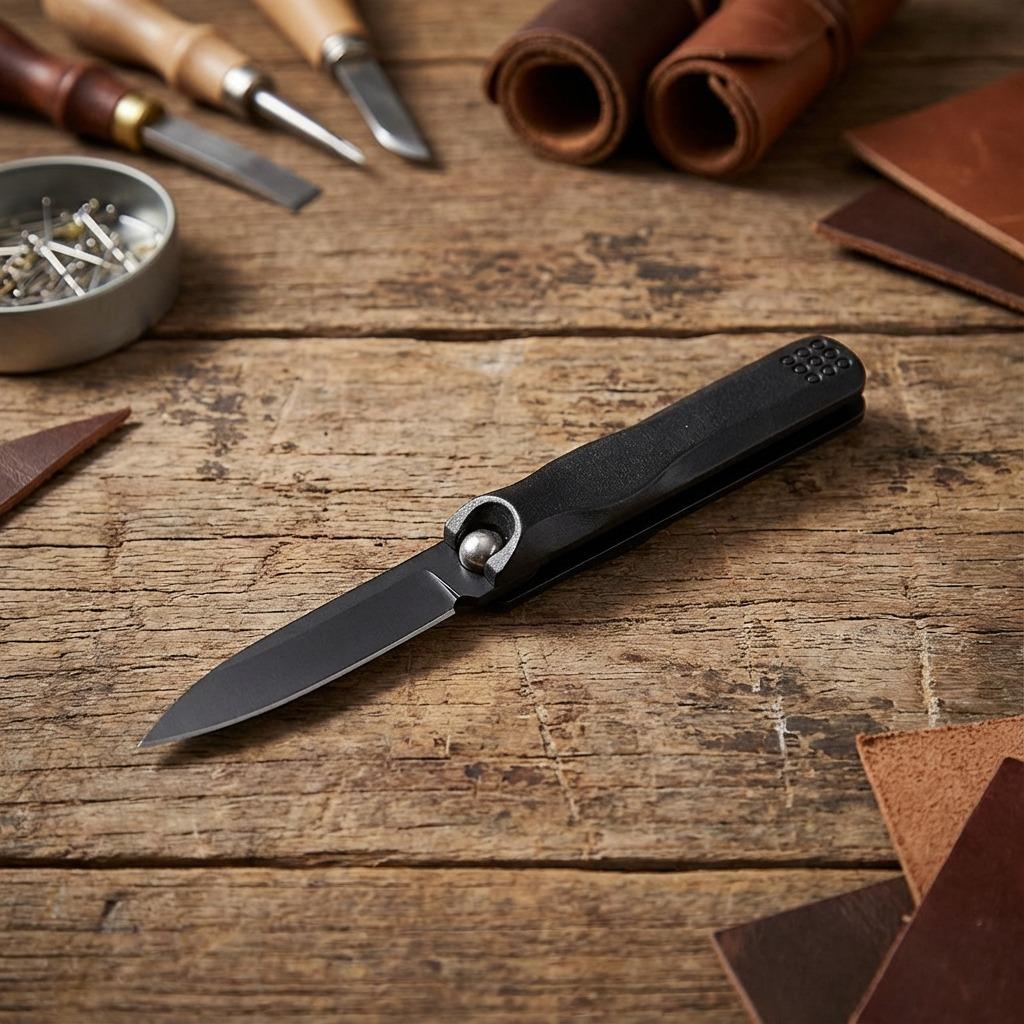
Choosing a Nail Clipper Manufacturer for Precision, Quality, and Wholesale Supply
A nail clipper looks simple, but buyers know that small differences in blade alignment, lever tension, edge sharpness, surface finish, and packaging can affect customer satisfaction. For retailers, private-label brands, salon suppliers, and grooming accessory distributors, selecting the right nail clipper manufacturer is not only about finding a factory that can produce volume. It is about choosing a manufacturing partner that understands everyday usability, repeatable quality, and the details that make a grooming tool feel reliable in the hand.
Olimor Beauty works in the beauty tools category, where nail clippers are often sourced alongside other personal care and grooming accessories. Whether you are comparing standard wholesale nail clippers or exploring OEM customization, this guide explains what to review before placing an order, how to evaluate supplier capability, and which product details matter most for long-term performance.
What Makes a Nail Clipper Worth Sourcing?
End users usually judge a nail clipper within seconds. If the blades crush instead of cut, if the lever feels weak, or if the edges leave rough nails, the product is unlikely to earn repeat sales. A good sourcing decision begins with the features that directly affect the clipping experience.
- Blade alignment: The upper and lower cutting edges should meet evenly across the width of the jaw. Poor alignment can cause splitting or require repeated pressure.
- Cutting edge consistency: Sharp, clean edges help create a smoother trim. The edge should not feel visibly uneven or dull on sample inspection.
- Lever strength: The lever should open and close smoothly, with enough resistance to feel controlled but not stiff.
- Ergonomic handling: A comfortable shape and stable grip are important for daily use, especially when clipping thicker toenails or working with wet hands.
- Surface finish: Finishes such as matte black or polished metal can change the product’s market positioning, but they must be even, clean, and resistant to obvious handling marks.
- Added functions: Some nail clippers include built-in nail files or textured grip areas. These features should be practical rather than decorative only.
For a buyer, these points become the foundation for sample testing. Instead of judging only by appearance, test the clipper on different nail thicknesses, review how smoothly it cuts, and check whether the lever returns to position without looseness.
Manufacturer, Supplier, Wholesaler, or OEM Partner: What Do You Need?
The phrase “nail clipper manufacturer” is often used broadly, but buyers may need different types of cooperation depending on the order. Before comparing options, define the business model you need.
| Partner Type | Best For | Key Questions to Review |
|---|---|---|
| Manufacturer | Buyers who need direct production support and stable product quality | How are samples checked, how consistent is blade alignment, and what finish options are available? |
| Supplier | Retailers or distributors sourcing ready-to-sell grooming tools | Are product details, packaging, and delivery expectations clearly documented? |
| Wholesaler | Businesses that need assortment planning and repeat bulk purchasing | Which nail clipper styles are available, and how are cartons, labeling, and replenishment handled? |
| OEM Partner | Brands developing private-label or customized grooming tools | Which parts can be customized, such as finish, handle texture, packaging, or logo placement? |
If you are building a wider grooming assortment, it may help to review related beauty tool products and compare how nail clippers fit with your existing product line. A consistent material look, packaging style, and price tier can make the final retail presentation more coherent.
Quality Checks to Use When Comparing Nail Clipper Samples
Sample review should be structured. A nail clipper can look acceptable in photos but perform poorly during use. Create a simple internal inspection checklist so that every sample is judged by the same criteria.
- Visual inspection: Check for scratches, uneven coating, burrs, sharp non-cutting edges, or inconsistent color. Matte finishes should look uniform, especially around corners and pivot areas.
- Blade meeting test: Close the clipper slowly and look at whether both cutting edges meet at the same time. Uneven contact can lead to weak cutting performance.
- Lever movement: Open and close the lever repeatedly. It should not wobble excessively, jam, or feel loose after a few uses.
- Cutting performance: Test on nails of varying thickness when possible. A clean cut with moderate pressure is the target.
- Grip comfort: Hold the clipper in dry and slightly damp hands. Non-slip textures or shaped levers should improve control, not create uncomfortable pressure points.
- Built-in file review: If the product includes a file, check whether it is positioned safely and whether the surface is usable for light smoothing.
- Packaging fit: Confirm that the product is protected during transport and presented clearly for retail, gifting, salon resale, or e-commerce fulfillment.
These checks do not replace formal inspection, but they help buyers identify obvious problems early. They also give your purchasing team a clearer way to compare multiple suppliers without relying only on unit price.
Design Details That Influence Customer Perception
In the grooming category, the product’s perceived quality is shaped by both function and feel. A nail clipper with a smooth lever action, neat finish, and clean packaging is more likely to be viewed as a dependable personal care item. Design decisions should support the target channel.
For everyday retail, a standard compact nail clipper may need broad appeal, simple packaging, and a practical price position. For a men’s grooming set, a matte black finish, stronger visual profile, and non-slip texture may fit the category better. For salon supply or travel kits, compactness and durable packaging may matter more than decorative design.
When considering OEM nail clipper projects, avoid customization that adds visual appeal but weakens usability. A heavy coating should not interfere with the pivot. A logo position should not make the lever uncomfortable. A built-in file should not create rough edges that scratch the user’s hand. Each design change should be checked against the actual grooming experience.
OEM Nail Clipper Customization: Practical Decisions Before Production
Private-label nail clippers can help a brand create a consistent grooming line, but OEM work requires clear decisions. Buyers should prepare a product brief that separates essential requirements from optional preferences. This avoids confusion during sampling and helps the supplier understand the intended market.
- Target user: Is the clipper for general household use, travel kits, salon retail, men’s grooming, or promotional sets?
- Product type: Decide whether you need a fingernail clipper, toenail clipper, compact style, or a mixed grooming set.
- Finish direction: Confirm whether the look should be polished, matte, dark, bright, or neutral.
- Grip and lever design: Consider whether textured surfaces, wider levers, or shaped handles are needed for better control.
- Branding method: Plan the logo location carefully so it is visible but does not affect comfort or cutting performance.
- Packaging format: Choose packaging based on the sales channel, such as retail display, e-commerce protection, gift set presentation, or wholesale cartons.
- Inspection standard: Define what counts as acceptable for finish marks, blade alignment, lever movement, and packaging condition.
If you are preparing a custom order, you can send an inquiry with your preferred finish, packaging direction, branding needs, and target market. Clear sourcing details reduce revision time and make sample evaluation more efficient.
Sourcing from a China Nail Clipper Factory: What Buyers Should Clarify
Many global buyers consider China-based nail clipper manufacturing because of the established supply chain for beauty tools and grooming accessories. However, sourcing successfully still depends on documentation, sample confirmation, and communication. Price is only one part of the decision.
Before moving from sample to order, clarify the product specification in writing. Include dimensions if relevant, finish appearance, packaging components, label requirements, carton information, and any inspection priorities. If your company has its own quality manual, share the relevant sections early. If you do not have one, create a practical checklist focused on the customer-facing details: cutting performance, safety of edges, finish quality, packaging cleanliness, and barcode or label accuracy where applicable.
It is also useful to review the nail clipper alongside other tools in your assortment. A clipper that feels premium in isolation may not match the rest of your grooming line, while a lower-cost option may still be suitable for travel kits or promotional bundles. Explore Olimor’s broader product collections to consider how different beauty tools can be grouped for retail, wholesale, or brand programs.
Maintenance Guidance That Adds Value for End Users
Good product content does not end at the purchase order. Retailers and brands can improve customer satisfaction by providing simple maintenance instructions with the product listing or package insert. Nail clippers last longer and perform better when users treat them as precision tools rather than disposable accessories.
- Wipe the clipper after use to remove nail dust and moisture.
- Keep the cutting edges dry before storage to reduce the chance of surface issues.
- Avoid using the clipper on materials other than nails, as this can dull or damage the edge.
- Store the clipper in a dry pouch, kit, or drawer to protect the finish.
- Replace the tool if the blades become misaligned, chipped, or difficult to close safely.
These simple instructions can be adapted for online listings, care cards, or wholesale product sheets. They help customers understand the product and reduce avoidable complaints caused by improper use.
Build a Better Nail Clipper Sourcing Plan with Olimor Beauty
The best nail clipper sourcing decision balances precision, comfort, finish, packaging, and commercial fit. A reliable supplier should help you compare practical options rather than pushing a single generic product. For wholesale programs, consistency and clear replenishment planning matter. For OEM projects, the strongest results come from accurate briefs, careful sample testing, and realistic customization choices.
Olimor Beauty supports buyers looking for nail clipper manufacturing, supplier cooperation, wholesale sourcing, and OEM beauty tool development. If you are comparing product directions or preparing a private-label grooming accessory project, contact Olimor with your sourcing goals, target channel, and customization ideas. A clear plan at the start helps turn a small grooming tool into a dependable product your customers can use with confidence.
Tag: