

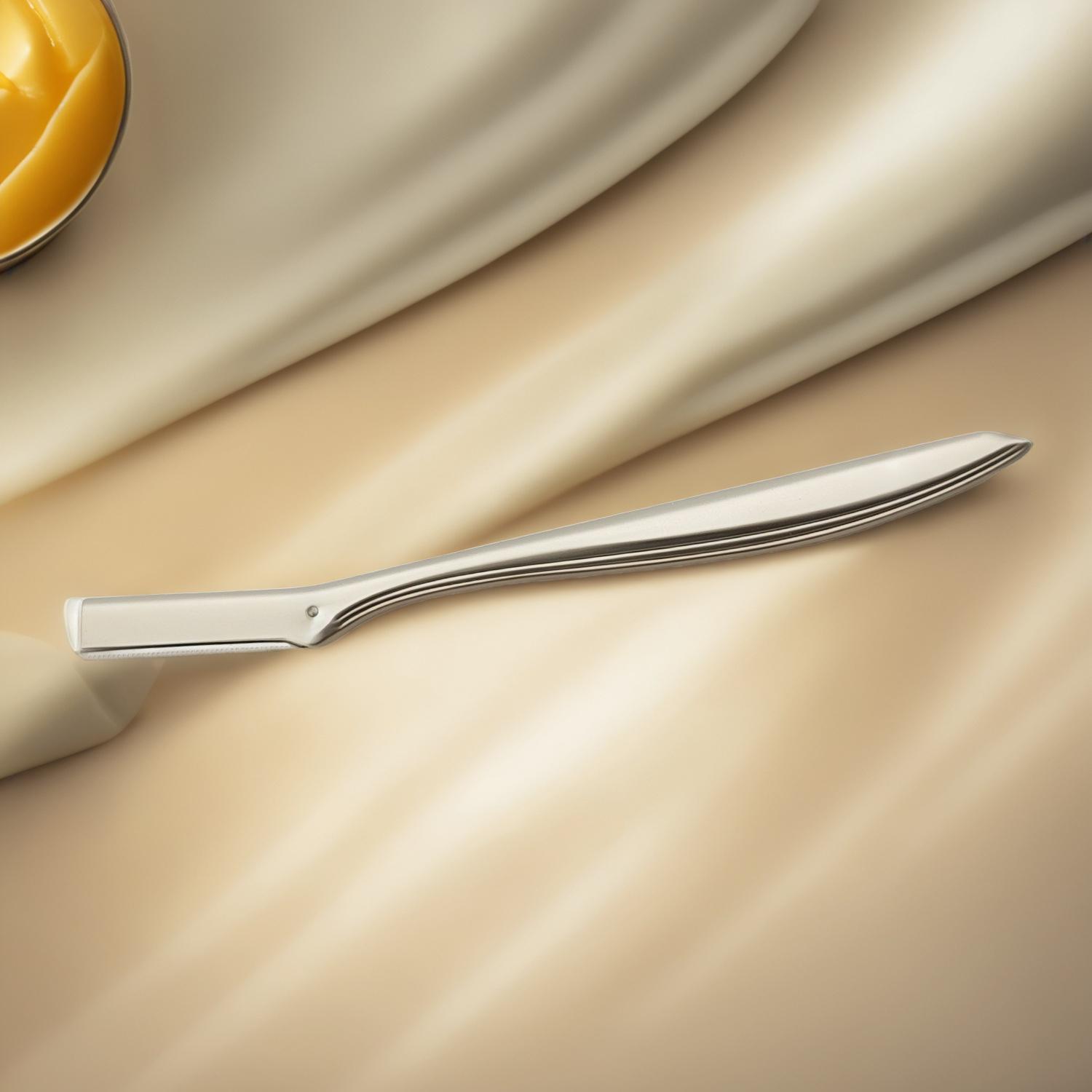
How to Choose a Beauty Tools Manufacturer for Quality and Precision
For retailers, distributors, private-label brands and beauty buyers, choosing a beauty tools manufacturer is not just a purchasing decision. It affects product performance, customer reviews, repeat sales and the reputation of your business. A grooming tool may look simple, but small differences in material selection, edge finishing, grip comfort and inspection standards can determine whether the final product feels professional or disposable.
Olimor Beauty focuses on personal care tools that support precise, dependable grooming. The goal is practical: help buyers source instruments that feel comfortable in the hand, perform consistently and hold up under regular use. Whether you are building a compact retail range, expanding a grooming tools wholesale program or comparing suppliers in Asia, the right evaluation process helps you avoid vague claims and focus on measurable product quality.

What Quality Means in Beauty and Grooming Tools
Quality in beauty tools is often judged during the first use. Does the tool feel balanced? Does it grip cleanly? Does the cutting or trimming edge perform without pulling? Does the finish feel smooth against the skin? These are the details that separate a reliable personal care tool from one that creates frustration for the end user.
A superior grooming tool should combine durability, precision and user control. The original foundation is material quality. Olimor Beauty emphasizes high-grade stainless steel because it supports durability, corrosion resistance and an effective edge. For tools that may be used in humid bathrooms, travel kits or professional environments, corrosion resistance is not optional; it is part of long-term usability.
Precision also depends on consistency. A tool that performs well in one sample but varies across a full order can create problems for retailers and distributors. This is why buyers should evaluate not only appearance, but also production repeatability. Consistent alignment, smooth finishing and dependable edge performance are all signs that the manufacturer understands both the product and the user experience.
Material and Finish Checks Buyers Should Prioritize
Stainless steel is a common choice for beauty and grooming tools because it can offer strength, corrosion resistance and a clean appearance. However, buyers should still review how the material is used in the finished tool. Surface condition, edge shaping and joint construction all influence product performance.
When comparing samples from a beauty tools manufacturer, focus on details that a customer will notice immediately. Run a finger carefully along non-cutting edges to check for roughness. Open and close hinged tools to feel for resistance or looseness. Examine tips or edges under strong light to see whether the finish is even. These simple checks can reveal whether the tool has been carefully manufactured or only polished for appearance.
- Surface smoothness: The tool should be free from burrs, sharp unintended edges and uneven polishing.
- Corrosion resistance: Stainless steel tools should be suitable for normal grooming environments when properly cared for.
- Edge consistency: Cutting, trimming or gripping surfaces should be clean, aligned and effective.
- Tip alignment: Tweezing or precision tools should meet accurately without visible gaps that affect control.
- Joint movement: Hinged tools should move smoothly without feeling loose or overly stiff.
- Packaging readiness: Final products should arrive clean, protected and suitable for the intended retail channel.
These checks do not replace formal quality control, but they help purchasing teams create a shared standard before confirming larger orders or adding products to a collection.
Ergonomics: The Difference Between Usable and Preferred
Ergonomic design is a key factor in grooming tool satisfaction. A product can be made from a strong material and still disappoint users if it is uncomfortable to hold. Olimor Beauty recognizes that a comfortable, secure grip helps users achieve precise results with more control and less effort.
For buyers, ergonomics should be reviewed from several angles. First, consider the end user. A professional user may value control during repeated use, while a home user may prioritize simple handling and confidence. Second, consider product size and balance. A compact tool may be convenient for travel, but it must still provide enough grip area for safe use. Third, consider pressure points. If a tool requires squeezing, clipping or pinching, the handle shape should not create unnecessary discomfort.
Good ergonomic design is especially important for products sold through grooming tools wholesale channels, where the same item may reach different types of customers. A well-balanced tool can reduce returns and improve customer satisfaction because it feels intuitive from the first use.
Quality Control From Raw Materials to Final Packaging
Reliable manufacturing depends on more than a final inspection. Olimor Beauty applies internal quality control throughout the production cycle, from vetting raw materials to approving the final packaged product. This approach matters because many defects are easier to prevent early than correct after production is complete.
A practical quality process should confirm that the selected material is suitable, that production steps are controlled and that finished items meet the agreed standard before shipment. Buyers do not need to become engineers to evaluate a supplier, but they should understand which checkpoints matter most.
- Raw material review: Confirm that the material choice supports the intended product function and expected durability.
- In-process inspection: Check alignment, shaping, polishing and movement before products reach final packaging.
- Functional testing: Review whether tools cut, grip, trim or shape as intended, depending on the product type.
- Appearance inspection: Look for scratches, stains, rough edges, inconsistent finishes or visible assembly issues.
- Packaging approval: Ensure products are clean, protected and presented appropriately for the sales channel.
This type of inspection structure gives buyers more confidence because quality is built into the process rather than treated as an afterthought. If you are reviewing new items for your range, Olimor’s beauty tool products page can help you compare product categories before narrowing your sourcing plan.
Questions to Use When Comparing Manufacturers
Choosing a personal care tools manufacturer in Asia often involves comparing multiple suppliers with similar product descriptions. A structured checklist helps separate general marketing language from useful manufacturing information. The goal is not to collect long answers, but to understand whether the supplier can support your product expectations consistently.
| Evaluation Area | What to Look For | Why It Matters |
|---|---|---|
| Material selection | Clear explanation of why the material suits the tool | Supports durability, corrosion resistance and user safety |
| Edge and tip finishing | Clean alignment, smooth polish and consistent function | Affects precision and customer satisfaction |
| Ergonomic handling | Comfortable grip, balanced shape and controlled pressure | Improves usability for home and professional users |
| Inspection process | Checks during production and before packaging | Reduces inconsistent quality across orders |
| Packaging control | Clean presentation and product protection | Helps maintain retail-ready condition |
Buyers may also want to review whether the supplier can support consistent communication, practical sampling discussions and clear product documentation. These factors are especially important when building a long-term wholesale relationship rather than placing a one-time purchase.
How Retailers and Brands Can Build a Better Product Range
A strong beauty tool range is not necessarily the largest range. It is the range that matches the customer’s needs clearly. For example, a retailer focused on daily personal care may prioritize easy-to-use grooming tools with comfortable handling. A distributor serving salons may focus more on precision, durability and consistent repeat ordering. A private-label brand may need products that align with a specific customer segment without overcomplicating the assortment.
Before selecting tools, define the purpose of each item in the range. Does it solve a common grooming need? Is it easy for sales teams to explain? Does it fit with your expected price positioning and packaging style? Does it complement existing items? Looking through Olimor’s product collections can help buyers think in terms of range planning rather than isolated SKUs.
It is also useful to test samples with real handling scenarios. Open the package, hold the tool as a customer would, use it according to its purpose and check how it feels after repeated handling. A tool that looks acceptable in a catalog may not always feel right in practice. Conversely, a well-made tool can create confidence immediately because its weight, finish and movement feel controlled.
Maintenance Guidance That Adds Value for End Users
Even well-made beauty tools perform best when users care for them correctly. Retailers and brands can reduce complaints by giving customers simple maintenance guidance. Clear care instructions are especially helpful for stainless steel grooming tools because regular cleaning and dry storage support long-term appearance and performance.
Useful consumer guidance may include wiping tools clean after use, drying them before storage, avoiding prolonged exposure to moisture and keeping precision edges protected when not in use. For tools with moving parts, customers should avoid dropping or forcing the mechanism. These are simple habits, but they help preserve the benefits of careful manufacturing.
Maintenance information also strengthens product presentation. It shows that the brand understands the complete user experience, not only the sale. For wholesale buyers, this can be part of packaging content, online product descriptions or customer service scripts.
Partnering With a Manufacturer Focused on Practical Performance
The best sourcing decisions are based on evidence: material suitability, ergonomic design, manufacturing consistency and quality control. Olimor Beauty’s focus on stainless steel durability, corrosion resistance, comfortable grip design and internal inspection supports buyers who want dependable personal care tools for retail or wholesale programs.
If you are evaluating beauty tools for a new assortment or improving an existing grooming category, start with the product’s real use. Check how it feels, how it performs and how consistently it can be produced. Then compare supplier communication, inspection practices and packaging readiness. This practical approach helps you select tools that customers can trust beyond the first purchase.
For product discussions, sourcing questions or wholesale planning, you can contact Olimor or send an inquiry with your requirements. A focused conversation around materials, function, finish and quality expectations is the most effective way to build a beauty tool program with lasting value.
Tag: