

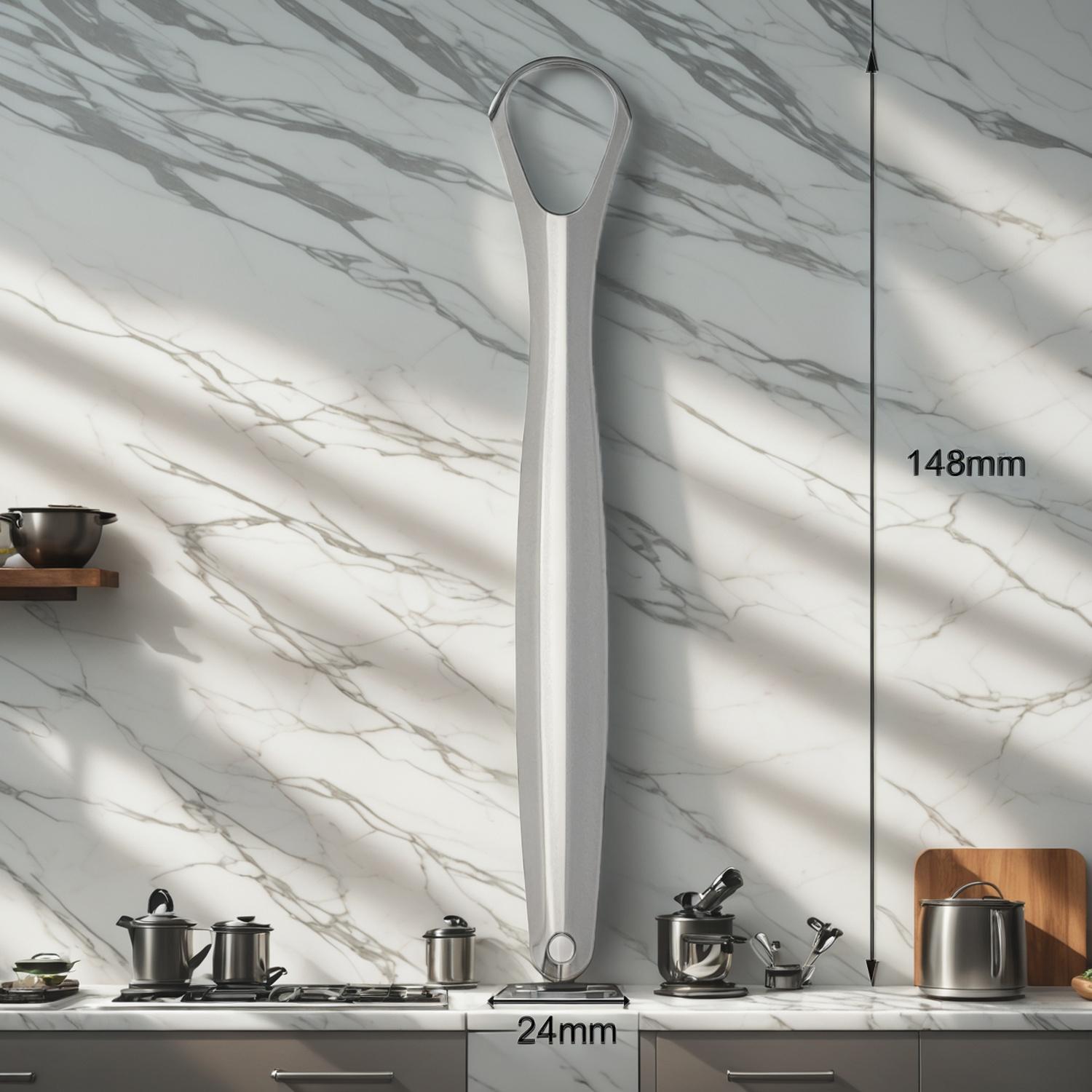
Choosing a Beauty Tools Manufacturer for Stainless Steel Skincare Tools
For beauty brands, distributors and skincare retailers, choosing a beauty tools manufacturer is not only a sourcing decision. It directly affects product safety, user experience, repeat purchases and brand trust. A simple tool such as a stainless steel blackhead extractor may look straightforward, but small differences in edge finishing, balance, polish and packaging can determine whether the product feels professional or disposable.
Olimor Beauty focuses on beauty and personal care tools for brands that need dependable manufacturing support. When evaluating a supplier, it is useful to look beyond the product photo and consider how the tool will be used on real skin, how it will be cleaned, how it will be presented to customers and how consistently it can be produced over time. This guide explains the practical criteria buyers should use when assessing a personal care tools manufacturer in Asia, especially for stainless steel skincare instruments.
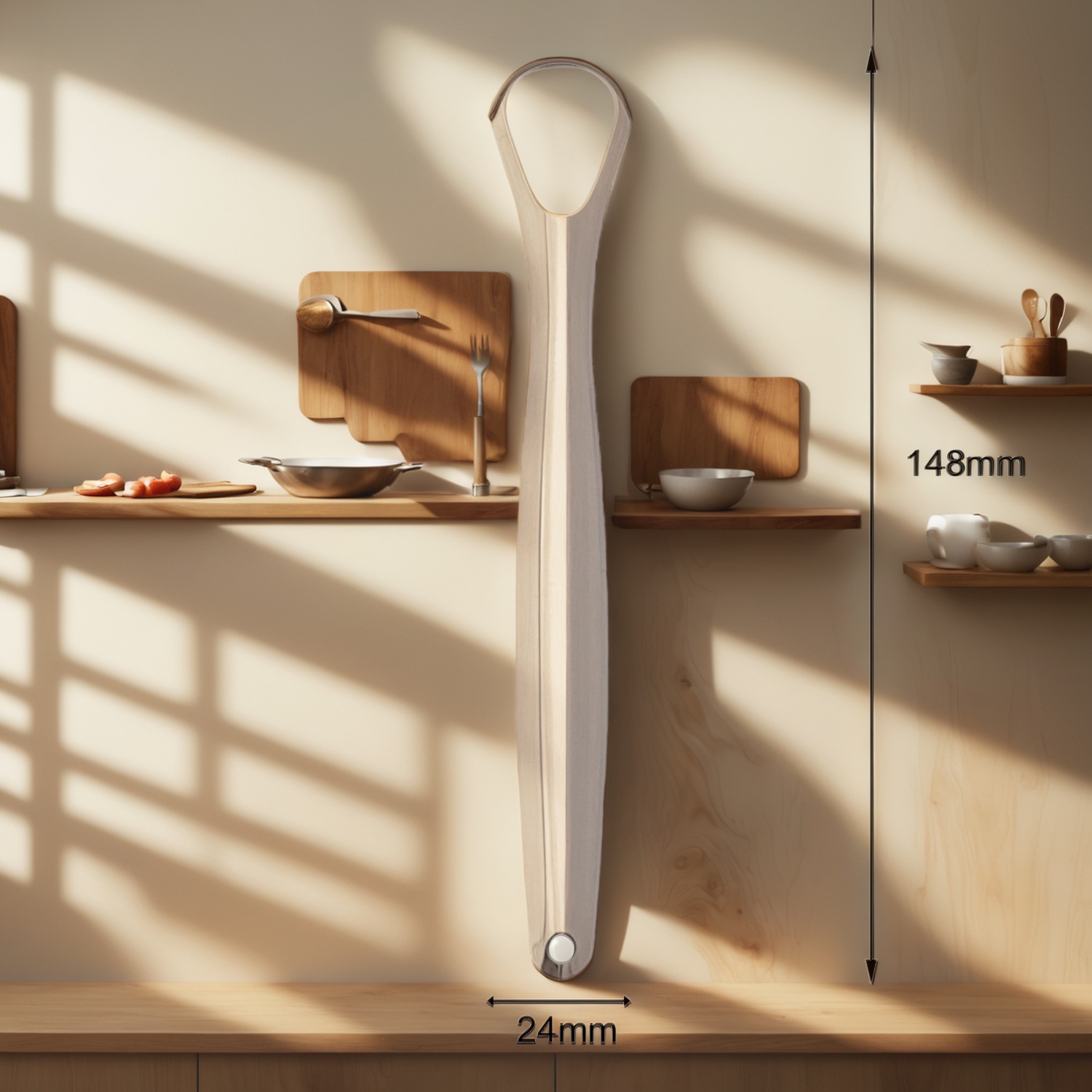
Why Professional-Grade Beauty Tools Matter
Skincare tools work in close contact with the face, often around sensitive areas such as the nose, chin and forehead. That is why quality matters as much as appearance. A poorly finished extractor can feel harsh, slip during use or create unnecessary pressure on the skin. A well-made tool should support controlled handling, easy cleaning and precise contact with the targeted area.
For the end user, professional-grade construction helps make at-home skincare more predictable. For a brand, it reduces the risk of disappointed customers who expected a durable, hygienic-feeling product. Stainless steel is commonly selected for beauty tools because it can provide a smooth, polished surface and good resistance to corrosion when properly manufactured and maintained. However, the material alone is not enough. The finishing process, shape and inspection standard are equally important.
When reviewing beauty tool products, buyers should consider how each item will be explained to customers. A blackhead extractor, for example, should be marketed responsibly as a precision skincare tool, not as a shortcut for aggressive pore treatment. Clear instructions, careful packaging and a sensible product description all help set correct expectations.
What to Check in a Stainless Steel Blackhead Extractor
A stainless steel blackhead extractor is a useful example because it combines several critical design requirements in one small tool. It must be strong enough to hold its shape, smooth enough to avoid scratching and balanced enough to offer controlled pressure. These are the details that separate a basic metal tool from one that feels suitable for a professional skincare assortment.
- Surface finish: The tool should have a smooth, polished finish with no sharp burrs, rough edges or uneven seams that could irritate skin.
- Loop or tip precision: The working end should be shaped consistently so that users can place it accurately and apply controlled pressure.
- Grip and ergonomics: A comfortable handle helps reduce slipping and supports steady use, especially when hands are slightly damp after cleansing.
- Corrosion resistance: Stainless steel tools should be designed for repeated cleaning and normal bathroom storage, while customers should still be reminded to dry tools after washing.
- Packaging fit: The tool should be protected during shipping and displayed in a way that reinforces cleanliness and care.
Buyers should request physical samples before making product decisions whenever possible. A photo may show the general shape, but the real test is how the extractor feels in the hand and whether the finish remains consistent across multiple pieces. If the product is intended for a set, the extractor should also match the finish and presentation of other tools in the same line.
How a Personal Care Tools Manufacturer in Asia Adds Value
Many beauty brands source personal care tools from Asia because the region offers established manufacturing networks, practical production experience and a wide range of product categories. The value, however, depends on the individual manufacturer’s attention to detail. A capable manufacturer should understand both production and the expectations of modern beauty customers.
Olimor Beauty’s role as a personal care tools manufacturer is not limited to producing a metal item. A useful manufacturing partner helps buyers think through product selection, design consistency, packaging direction and quality checkpoints. This is especially important for brands building a coherent beauty tools range rather than purchasing a one-off item.
When comparing manufacturers, do not focus only on the lowest unit cost. A cheaper tool that requires frequent replacement, arrives with inconsistent finishing or generates negative customer feedback can cost more in the long term. A stronger sourcing decision considers durability, inspection discipline, packaging protection and whether the supplier can communicate clearly during development.
OEM Support: What Beauty Brands Should Prepare
For brands planning OEM personal care tools, preparation makes the development process more efficient. A manufacturer can provide better guidance when the buyer has a clear idea of market positioning, target customer and preferred retail presentation. This does not mean every technical detail must be finalized before discussion, but basic direction is helpful.
Before starting an OEM inquiry, prepare the following:
- Product purpose: Identify whether the tool is for pore care, brow grooming, manicure care, facial massage or a complete skincare kit.
- Target customer: Clarify whether the line is intended for professional use, daily home care, travel, gifting or entry-level retail.
- Design preference: Note preferred finish, handle feel, tool length range, packaging style and whether the product must coordinate with other items.
- Branding needs: Decide where brand identity should appear, such as on the packaging, insert card or tool surface if suitable.
- Compliance and market needs: List destination markets and any retailer documentation requirements that apply to your sales channel.
These details help an OEM personal care tools supplier recommend realistic options. They also reduce back-and-forth communication and help keep sampling focused. If you are still comparing categories, browsing Olimor product collections can help organize ideas before you finalize an inquiry.
Quality Control Points Buyers Should Discuss
Quality control for beauty tools should cover more than a final visual check. A structured inspection process helps confirm that raw materials, forming, polishing, assembly if applicable and packaging all meet the intended standard. The right checkpoints depend on the product, but buyers can use a practical checklist to guide supplier conversations.
| Inspection area | What to review | Why it matters |
|---|---|---|
| Material and finish | Smoothness, polishing consistency, visible defects and corrosion-resistant surface quality | Supports durability, clean appearance and user comfort |
| Working edge or loop | Shape, symmetry, roughness and consistency across samples | Affects precision and safe handling during skincare use |
| Handle design | Grip texture, balance, thickness and comfort | Helps users control pressure and avoid slipping |
| Packaging | Protection, cleanliness, labeling space and retail presentation | Reduces shipping damage and improves shelf appeal |
| Batch consistency | Comparison between approved sample and production pieces | Protects brand reputation after launch |
It is also wise to align on the approved sample before production. The approved sample becomes the reference for finish, shape and packaging. Any change in design, material appearance or presentation should be documented so the final product matches the brand’s expectations.
Maintenance Guidance Brands Can Share With Customers
Good customer instructions make a beauty tool more useful and can reduce misuse. Stainless steel skincare tools should be presented as instruments that require cleaning and careful handling. A blackhead extractor, for example, should not be used aggressively or on inflamed skin. Brands can include simple guidance on packaging inserts, product pages or aftercare cards.
Useful care instructions include cleaning the tool before and after use, drying it completely before storage, keeping it in a clean pouch or case and avoiding unnecessary pressure on the skin. Customers should also be encouraged to prepare the skin properly, work gently and stop if discomfort occurs. This type of practical education improves the ownership experience and supports responsible skincare habits.
Maintenance advice should be specific but not exaggerated. Do not promise medical outcomes or imply that a tool can replace professional treatment for skin conditions. The strongest product communication is clear, honest and aligned with the actual function of the tool.
Building a Reliable Beauty Tools Range
A single stainless steel extractor can be an entry point into a wider beauty tools assortment. Many buyers later expand into coordinated skincare, brow, nail or facial care tools. When planning a range, consistency matters. Products should feel like they belong together through finish, packaging style, handle design or usage theme.
Working with one reliable manufacturer can help maintain that consistency. It also simplifies communication when developing new items or updating packaging. Instead of treating every tool as a separate project, buyers can build a product system with shared standards for finishing, inspection and presentation.
If your brand is evaluating stainless steel skincare tools or planning an OEM beauty tools program, you can send an inquiry with your product direction, target market and packaging needs. For broader sourcing questions, you may also contact Olimor to discuss suitable beauty tool options.
Final Buying Considerations
The best beauty tools manufacturer for your project is the one that understands how product details affect end users. For stainless steel skincare tools, buyers should look closely at finish quality, ergonomic handling, corrosion-resistant construction, packaging protection and inspection consistency. These factors are not decorative; they shape the customer’s experience every time the tool is used.
Olimor Beauty supports buyers looking for practical, well-presented personal care tools and OEM sourcing guidance. By approaching selection with clear criteria, brands can build beauty tool products that feel reliable, are easy to explain to customers and fit naturally into a serious skincare assortment.
Tag: