

Import Tweezers from China: Practical Sourcing Guide for Beauty Businesses
Importing tweezers from China can be a smart sourcing route for beauty salons, cosmetic retailers, private-label sellers, and e-commerce stores that need consistent supply and a range of product options. Tweezers are small, lightweight, and widely used, but they still require careful purchasing decisions. Tip alignment, grip comfort, material choice, finishing, packaging, and customs documentation can all affect whether an order is profitable and suitable for your market.
This guide focuses on practical steps for buyers who want to source tweezers for beauty and grooming use. It explains how to define your requirements, compare suppliers, check samples, prepare for international shipping, and reduce quality risks before committing to a larger order.
Why China Is a Common Source for Tweezers
China is a major manufacturing base for beauty tools, including eyebrow tweezers, grooming tweezers, and related accessories. For importers, the appeal is not only price. The bigger advantage is access to a wide supplier base, different shapes and finishes, and production experience for both professional and consumer markets.
For a salon supplier, the priority may be reliable daily-use tools with comfortable handling. For an online store, consistent appearance, safe packaging, and repeatable quality may matter more because customer reviews can quickly expose defects. For a distributor, carton packing, barcode readiness, and product range may be important. Before contacting any tweezers global supplier, it helps to know which business model you are buying for.
Olimor Beauty focuses on beauty tool products for professional and retail buyers. If you are comparing tweezers alongside other grooming tools, you can review the broader beauty tool products range to understand how tweezers may fit into a complete purchasing plan.
Define the Tweezer Type Before You Request Quotes
Many import problems begin with a vague request such as “send your best tweezers.” A supplier may reply quickly, but the quotation will be hard to compare because every factory may assume a different product type, finish, or packaging method. A clear buying brief saves time and reduces misunderstanding.
Consider these selection criteria before you request pricing:
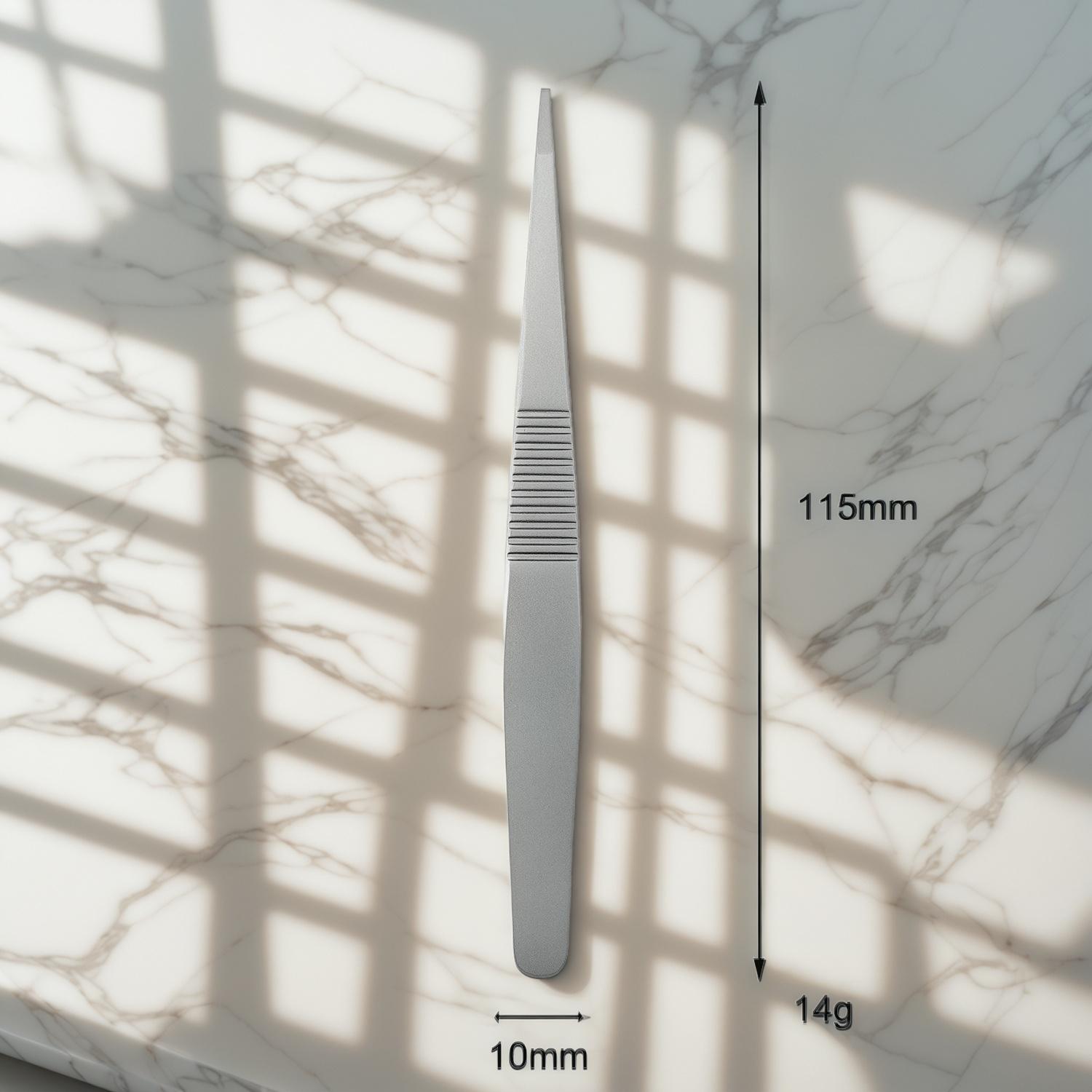
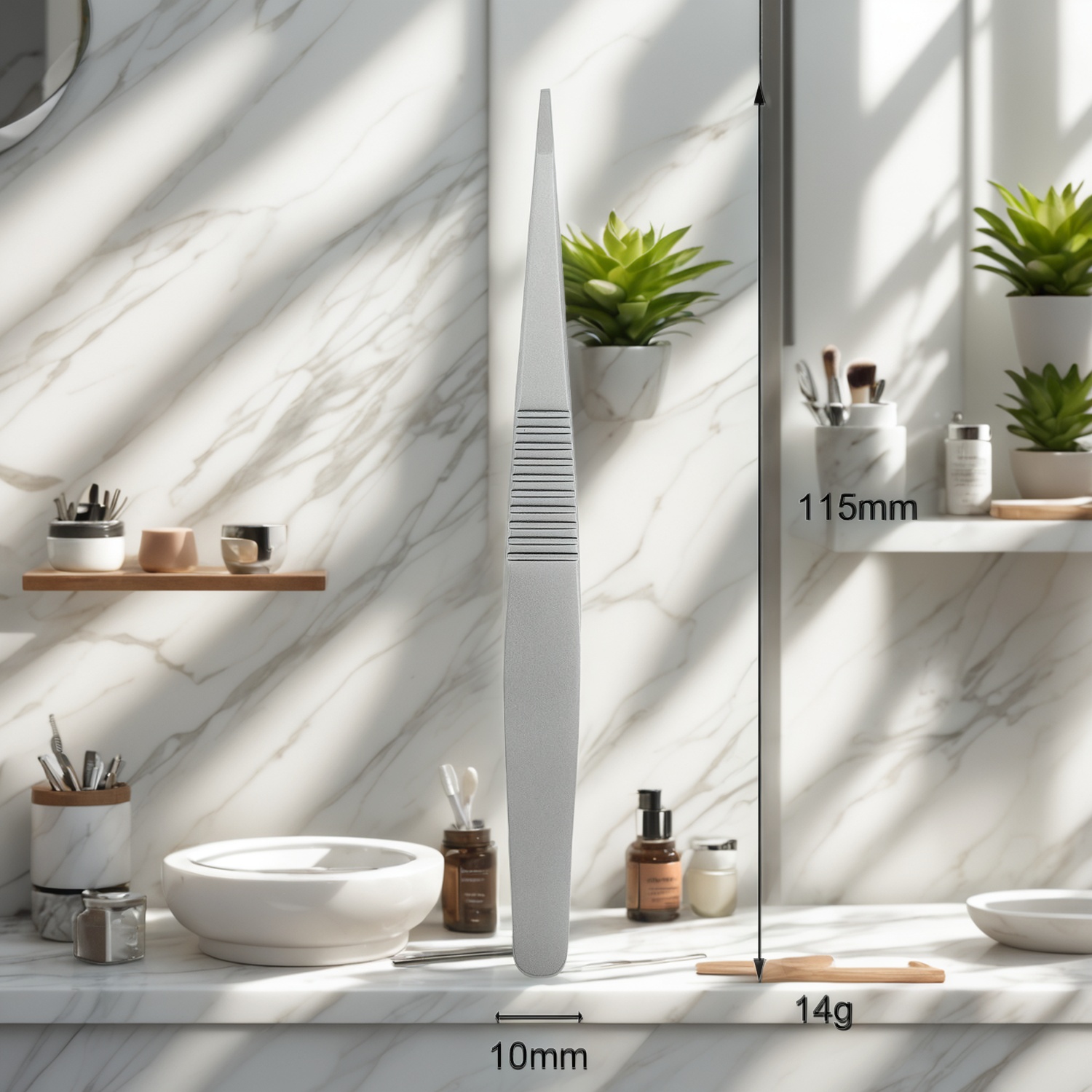
- Tip shape: Slant tips are common for eyebrow grooming; pointed tips are often chosen for fine precision work; flat or straight tips may suit broader gripping needs.
- Material expectation: Stainless steel is commonly used for durable tweezers, but buyers should still confirm the exact material description provided for the product they are ordering.
- Grip and handling: The body should feel stable in the hand and not require excessive pressure to close.
- Tip alignment: The two tips should meet evenly. Poor alignment is one of the most common reasons customers reject tweezers.
- Surface finish: Polished, matte, coated, or colored finishes can change both appearance and perceived value.
- Packaging: Bulk packing may suit salons or distributors, while individual retail packaging is more appropriate for online or shelf sales.
- Market positioning: Decide whether the product is for budget retail, mid-range beauty use, or professional grooming.
When your requirements are specific, quotations become easier to compare. You can also avoid paying for features that your customers do not need.
How to Evaluate a Tweezers Global Supplier
A reliable supplier should provide more than a low price. Since tweezers are precision tools, small quality differences can affect the customer experience. When importing tweezers from China, evaluate communication, sample consistency, packaging capability, and quality control process before considering a bulk order.
Start with the supplier’s product range. A company that works with beauty tools regularly is more likely to understand appearance standards, finishing expectations, and retail packaging needs. Next, review how clearly the supplier responds to your questions. If answers about materials, finish, packing, or lead time are unclear at the quotation stage, communication may become more difficult after payment.
Samples are essential. Request the exact style, finish, and packaging you are considering for the order. If you plan to sell under your own brand, evaluate whether the supplier can meet your packaging and presentation needs without making unsupported assumptions. Olimor Beauty emphasizes beauty tools with quality-focused production controls and ergonomic product considerations; buyers can explore related product collections when building a wider sourcing list.
Sample Checks That Matter for Tweezers
A tweezer may look acceptable in a photo but fail in daily use. Sample checking should be practical and repeatable, especially if you are sourcing for resale. You do not need a complicated lab process for the first review, but you should examine the details that affect customer satisfaction.
- Inspect the tips under good light. The ends should meet cleanly without visible gaps, twisting, or uneven length.
- Test gripping performance. Try gripping a fine hair, thread, or thin paper edge to see whether the tips hold without slipping.
- Check tension. The tweezer should close smoothly and spring back naturally. Excessive stiffness can cause hand fatigue.
- Review edges and corners. Surfaces should feel safe to handle, with no sharp burrs along the body.
- Assess finish consistency. Look for scratches, discoloration, coating flaws, or uneven polishing.
- Test packaging fit. Retail packaging should protect the tips and keep the product presentable during shipping.
Keep approved samples as a reference. When bulk goods arrive, compare random units against the sample rather than relying only on memory or product photos.
Import Process: From Inquiry to Delivery
The import process is easier when each stage has a clear purpose. Begin by preparing a short sourcing brief that includes product type, estimated order quantity, target market, packaging preference, and any special labeling needs. Send the same brief to each supplier so quotes are comparable.
After receiving quotations, compare more than unit price. Review packing details, sample cost, expected production time, payment terms, and shipping method. A lower unit price may not be the best value if packaging is weak or the sample quality is inconsistent.
Once you choose a supplier, confirm the product specification in writing. This should include tweezer type, finish, packaging, carton information if available, approved sample reference, inspection expectations, and shipping terms. For international trade, documents may include a commercial invoice, packing list, and shipping documents. Depending on your country and sales channel, additional import or product compliance requirements may apply.
For smaller trial orders, air shipment or courier delivery may be convenient. For larger orders, sea freight may reduce transportation cost per unit, but it requires more planning time. Work with a freight forwarder or customs broker familiar with your destination market so tariff classification, duties, taxes, and import declarations are handled correctly.
Quality Standards, Tariffs, and Compliance Considerations
Tweezers are simple tools, but importers still need to consider local regulations. Requirements can vary by destination country and by how the product is marketed. A tweezer sold as a cosmetic grooming tool may be treated differently from a tool promoted for medical or specialist use. Avoid making claims on packaging or product listings that are not supported by the product’s intended use and documentation.
Tariffs and taxes also vary by country and product classification. Before placing a bulk order, estimate landed cost rather than only factory price. Landed cost may include product cost, packaging, inland transport, freight, insurance if used, customs duties, import taxes, customs brokerage, storage, and final delivery.
A practical landed-cost review helps you decide whether the product can still meet your margin target after all fees. It also prevents pricing surprises when goods arrive in your market.
Common Mistakes to Avoid When Importing Tweezers
Importers often focus on finding the cheapest unit price, but tweezers depend on precision. Saving a small amount per unit can become expensive if tips do not align, packaging is damaged, or customer returns increase. Avoid these common sourcing mistakes:
- Skipping samples: Photos cannot confirm tension, grip, finish, or tip alignment.
- Using unclear specifications: Vague descriptions lead to inconsistent production expectations.
- Ignoring packaging: Tweezer tips can be damaged if packaging does not hold them securely.
- Forgetting destination rules: Import duties, taxes, and labeling rules should be checked before shipment.
- Not planning reorders: If the product sells well, you need a repeatable specification and approved sample for future orders.
- Overloading the first order: A smaller initial purchase can reduce risk while you test customer response.
Build a Sourcing Plan for Repeat Orders
The best import strategy is not just about completing one shipment. For beauty retailers and salons, consistency matters. Customers expect the same grip, finish, and appearance when they reorder. Keep a record of the approved sample, product photos, packaging file, quotation, invoice, inspection notes, and any feedback from customers.
After the first shipment, review what worked and what should change. Did the packaging survive transport? Were customers satisfied with the tip performance? Was the selected finish durable enough for your sales channel? Did the actual landed cost match your forecast? These answers help you adjust the next purchase.
If you are preparing a tweezer import project or comparing beauty tool sourcing options, you can send an inquiry with your product requirements. For broader sourcing questions or supplier communication, you may also contact Olimor to discuss suitable beauty tool options.
Final Buying Checklist
Before confirming an order for tweezers export from China, use a simple checklist to reduce preventable issues:
- Confirm the tweezer type, tip shape, finish, and packaging format.
- Review and approve physical samples before bulk production.
- Check tip alignment, grip performance, tension, and surface finish.
- Clarify shipping method, trade terms, and required documents.
- Estimate landed cost, including duties, taxes, freight, and local delivery.
- Keep an approved sample and written specification for repeat orders.
- Plan inspection steps before the shipment leaves the supplier.
Importing tweezers from China can be efficient and profitable when the buying process is controlled from the beginning. Define the product clearly, test samples carefully, confirm documentation, and focus on consistent quality rather than price alone. With the right sourcing discipline, tweezers can become a reliable product category for beauty businesses, salons, distributors, and online retailers.
Tag: