

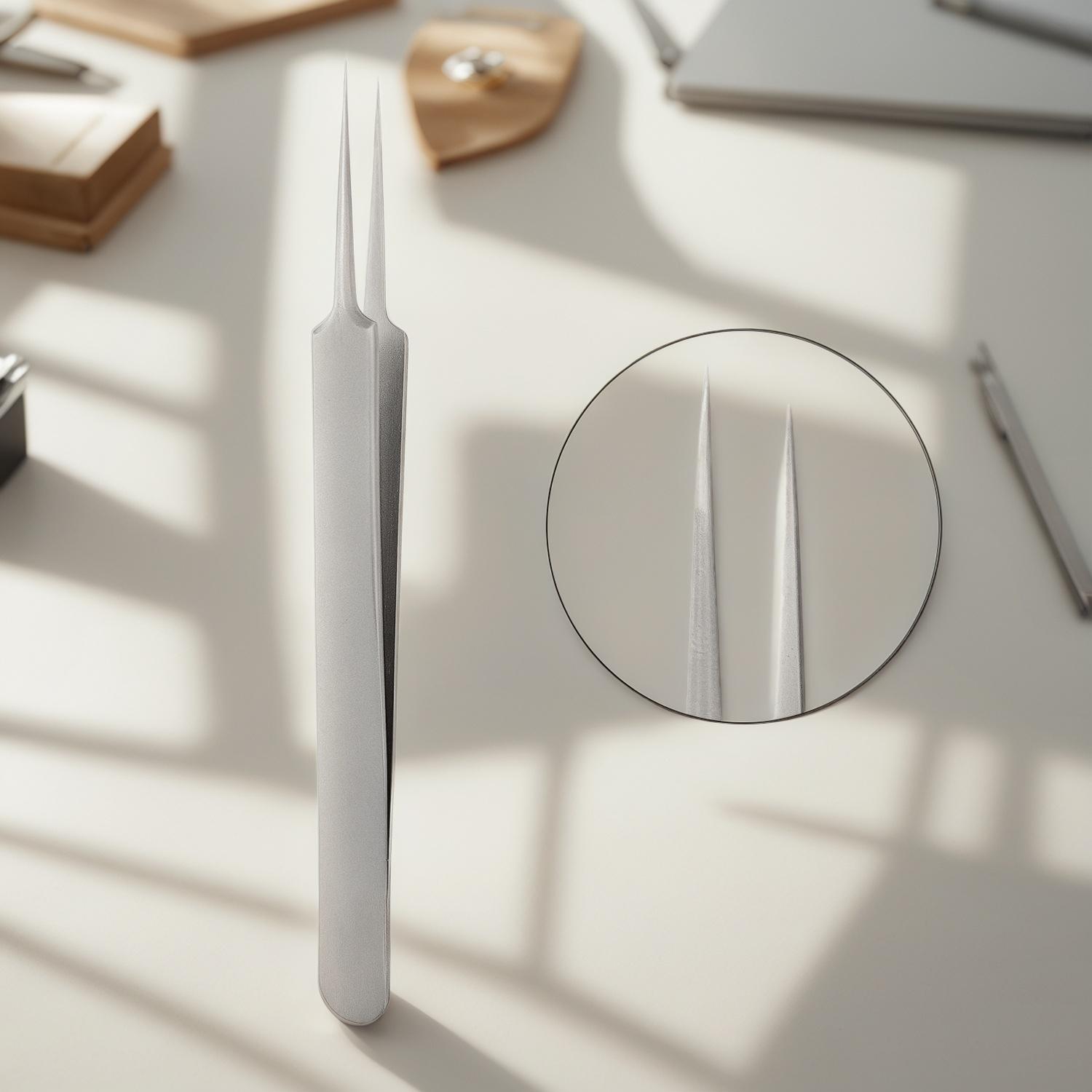
Import Tweezers from China: How to Select a Precision Supplier
For beauty distributors, salon supply companies, private label buyers and wholesale tool brands, the decision to import tweezers from China is rarely about finding the lowest unit price alone. Tweezers are small tools, but their quality is immediately felt by the end user. A misaligned tip, rough edge, weak spring tension or uncomfortable grip can turn a simple grooming tool into a product complaint. That is why supplier selection matters as much as the tweezer design itself.
China offers a broad manufacturing base for beauty tools, including straight tweezers, angled tweezers and specialty shapes used for brow grooming, lash work, personal care, crafting and other precision tasks. The challenge for buyers is not whether options exist; it is how to separate a professional beauty tool supplier from a general exporter that treats tweezers as just another catalogue item.
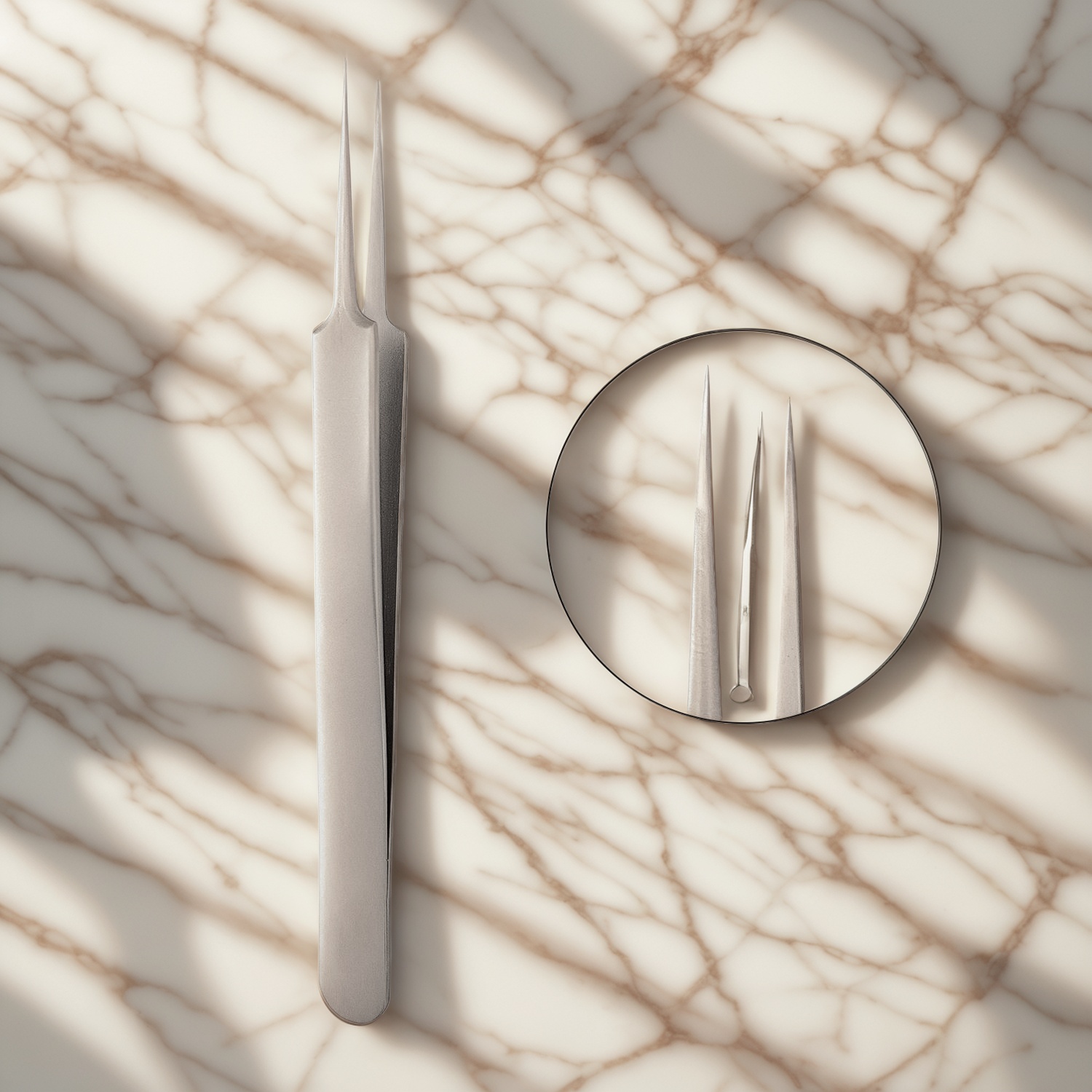
Why Tweezer Sourcing Requires More Than a Price Comparison
Tweezers look simple, but consistent production depends on details that are easy to overlook in a quotation. The two arms must align accurately. The tips must close evenly without gaps. The finish should be smooth enough for comfort while retaining practical grip. The tool should resist corrosion under normal beauty tool use and storage. Packaging must protect the tips during shipment so the product arrives in usable condition.
When importers compare offers only by price, they may miss quality differences that affect returns, reviews and repeat orders. A very low quote may reflect looser inspection, mixed subcontracting, lower-grade finishing, thin packaging or inconsistent batches. These problems may not be visible in a photo, but they become clear when the tool is used repeatedly.
A more reliable sourcing process starts with product use. Are the tweezers intended for eyebrow shaping, lash application, general personal care, professional salon kits or resale in a multipiece beauty set? Each use case changes the importance of tip angle, tension, finish, packaging and branding. Buyers can review related beauty tool products to compare how different tools are positioned before finalizing a specification.
Core Product Criteria for Imported Tweezers
Before evaluating suppliers, define the product clearly. A vague request such as “send your best tweezer price” invites mismatched quotations. A better inquiry identifies the intended buyer, finish, tip style, packaging expectations and inspection priorities.
- Tip style: Straight tips can be useful for general gripping and precise alignment tasks. Angled options, including 45-degree and 90-degree styles mentioned in existing product contexts, may suit brow, lash or detailed beauty applications where approach angle matters.
- Tip closure: The tips should meet cleanly and consistently. Poor closure reduces control and can pinch or slip instead of gripping hair or small items.
- Material expectation: Stainless steel is commonly preferred for beauty tweezers because it can support durability and corrosion resistance when properly finished and maintained.
- Edge and surface finish: The tool should feel smooth in hand, with no burrs, sharp unfinished edges or rough contact points.
- Hand feel: Tension should be firm enough for control but not so stiff that it creates hand fatigue during repeated use.
- Packaging protection: Tips should be protected from bending or impact during transport, especially for precision or professional-use products.
These criteria help the supplier quote the same product you intend to purchase. They also create a checklist for sample review and pre-shipment inspection.
Specialist Manufacturer or General Trading Company?
In the international tweezers trade, buyers may encounter factories, export agents and trading companies. Each can serve a purpose, but the structure affects communication and quality control. A general trading company may offer a wide range of unrelated products and source tweezers from multiple workshops. This can be convenient for mixed purchasing, but it may also make technical discussions slower and batch consistency harder to verify.
A specialist beauty tool supplier focuses more narrowly on product details such as alignment, finishing, ergonomic handling and inspection. Olimor Beauty positions its work around precision beauty tools rather than unrelated general merchandise. For buyers importing tweezers, that product focus can make communication more practical because discussions can move beyond catalogue photos into tip geometry, finish expectations, sample approval and packaging suitability.
This does not mean buyers should choose a supplier based on claims alone. A strong supplier should be able to explain how it controls the practical points that matter for the product. For tweezers, those points include material selection, shaping, polishing, tip matching, surface finish, final checking and export packing. If a supplier cannot discuss these areas clearly, the buyer may face problems after the order is produced.
Sample Evaluation Before Placing an Order
Samples are essential when you import tweezers from China. Photos show shape and finish, but they cannot fully demonstrate grip, tension, tip alignment or comfort. A practical sample review should include both visual inspection and repeated use testing. If the tool is intended for professional beauty users, it should be tested by someone who understands brow or lash work rather than reviewed only by a purchasing department.
Use a consistent method to evaluate each supplier’s samples:
- Check alignment under light: Close the tweezer slowly and confirm the tips meet evenly without visible gaps.
- Test grip on fine material: Use a fine hair, thread or small paper strip to compare holding ability without excessive pressure.
- Inspect the finish: Look for burrs, scratches, uneven polishing, discoloration or rough inner edges near the tip.
- Assess tension: Open and close the tool repeatedly to judge whether it feels stable, weak or too stiff.
- Review packaging: Confirm that the tips are protected and that retail or wholesale packaging suits your sales channel.
- Compare sample to quotation: Make sure the quoted product, finish and packaging match the sample you approved.
Document the approved sample with clear photos and written notes. This creates a reference for production and inspection. If you later adjust the design, color, finish or packaging, update the approval record instead of relying on verbal changes.
Quality Control Questions That Matter
For a small tool, quality control should be practical and measurable. Rather than asking only whether the supplier has “good quality,” focus on how they prevent the most common defects. A buyer checklist can include the following points:
| Inspection Area | What to Confirm | Why It Matters |
|---|---|---|
| Tip closure | Tips meet evenly and grip fine material | Determines real performance for brow and precision work |
| Surface finish | No burrs, rough edges or visible finishing defects | Improves comfort and reduces complaints |
| Tension | Consistent opening and closing resistance | Supports control during repeated use |
| Material and finish | Stainless steel and surface treatment match the approved sample | Supports durability and expected appearance |
| Packaging | Tips protected during storage and export shipment | Reduces arrival damage and bent tips |
For larger or repeat purchases, keep a retained sample from each approved batch. This helps compare future shipments and identify whether performance has changed over time. Consistency is especially important for brands selling through reviews, salons or beauty retailers, where small product differences can be noticed quickly.
Communication for Export-Ready Tweezer Orders
Clear communication reduces sourcing risk. Before confirming production, buyers should align on product style, finish, packaging, labeling, carton requirements, inspection method and shipping documentation. Avoid changing specifications after production starts unless the supplier confirms the impact on timing and cost.
If you are building a broader beauty tool assortment, it may help to review Olimor product collections so the tweezer design, finish and packaging direction can be considered alongside other tools. Consistent presentation can matter for wholesalers, salon kits and retail displays.
For custom or wholesale orders, prepare a concise inquiry that includes quantity expectations, target market, use case, preferred tweezer shape, packaging type and any compliance or labeling requirements for your destination market. You can send an inquiry with these details to begin a more efficient sourcing discussion. If you need to clarify available options before preparing a full specification, you can also contact Olimor.
How to Make a Better Supplier Decision
The best supplier for importing tweezers from China is the one that can repeatedly deliver the product your customers expect, not simply the one that sends the lowest first quote. Compare suppliers on responsiveness, sample consistency, understanding of tweezer performance, packaging awareness and willingness to define inspection standards before production.
Choose a supplier that can discuss practical manufacturing and sourcing decisions in detail: how the tips are protected, how alignment is checked, how the finish is controlled and how approved samples are used as production references. These conversations reveal whether a supplier understands tweezers as precision beauty tools or treats them as generic metal accessories.
For importers, this approach protects both product quality and brand reputation. A well-made tweezer may be small, but it affects customer trust every time it is used. By combining clear specifications, careful sample testing and a supplier experienced in precision beauty tools, buyers can source tweezers from China with greater confidence and fewer preventable quality issues.
Tag: