

Import Tweezers from China: Quality Checks for Reliable Sourcing
Importing tweezers from China can be a smart sourcing route for beauty retailers, grooming brands, wholesalers, salon suppliers and private-label buyers. China has a large manufacturing base for personal care tools, which gives buyers access to many tweezer shapes, finishes, packaging options and price positions. The challenge is not simply finding a supplier; it is building a sourcing process that consistently delivers usable, well-finished tools that match your market’s expectations.
For a small beauty tool, tweezers have surprisingly strict performance requirements. The tips must meet evenly, the spring tension must feel controlled, the edges should grip hair without cutting it, and the finish must be smooth enough for repeated daily handling. If you are evaluating Olimor Beauty or comparing options across the wider international tweezers trade, a structured checklist will help you avoid vague promises and focus on evidence: samples, material choices, finishing quality, packaging protection and shipment readiness.
Why China Is a Common Source for Tweezers
Buyers import tweezers from China because the supply chain can support both standard grooming tools and more specialized precision instruments. Stainless steel tweezers are common in the category because the material can offer durability and a clean surface finish when processed correctly. For brands and distributors, this creates room to source everyday eyebrow tweezers, slant-tip tools, pointed-tip tools, flat-tip tools and sets for retail presentation.
However, a large supplier base also means product quality can vary. Two tweezers may look similar in a product photo but perform very differently when tested. Tip alignment, polishing, tension and packaging are not cosmetic details; they affect returns, customer reviews and whether repeat buyers trust your assortment. That is why a sourcing decision should combine commercial terms with hands-on product assessment.
If you are building a broader beauty tools range, it is useful to compare tweezers with adjacent categories on Olimor’s beauty tool products page or review related product collections before finalizing your import plan. Looking at the wider assortment can help you decide whether to source single tweezers, travel-friendly grooming tools or bundled retail sets.
Define the Tweezer Type Before Requesting Samples
Many sourcing problems begin with an unclear product brief. Before contacting a tweezers global supplier, define how the tool will be used and who will buy it. A salon professional may value exact alignment and consistent tension, while a mass retail customer may focus more on safe handling, attractive packaging and an accessible price point. A brow specialist may prefer a slant tip for controlled hair removal, while a crafting or precision-use customer may need a finer point.
Use the following checklist to make your request clearer:
- Tip style: slant, pointed, flat, curved or set combinations.
- Primary use: eyebrow grooming, facial hair removal, lash work, general beauty use, craft use or travel kits.
- Material expectation: stainless steel or another clearly stated material option.
- Finish preference: polished, matte, coated or textured surface, depending on the available supplier options.
- Grip and ergonomics: smooth body, wider grip area or shaped design for easier handling.
- Retail format: individual packaging, protective sleeve, boxed set or bulk-ready packaging.
- Market requirements: labeling language, barcode needs, safety notices and import documentation.
The original product information for Olimor Beauty highlights ergonomic designs and quality controls. When reviewing samples, translate those broad strengths into measurable observations: how the tweezer sits in the hand, whether the grip is stable, whether the finish is even and whether repeated use feels consistent.
Quality Points That Matter Most in Tweezers
Good tweezers are judged at the tip first. A beautifully finished tool will still disappoint customers if the tips do not meet accurately. When samples arrive, inspect several pieces rather than relying on one unit. Minor variation is common in manufactured products, but repeated problems across samples may signal process inconsistency.
| Quality area | What to check | Why it matters |
|---|---|---|
| Tip alignment | Tips should meet evenly without visible gaps or twisting. | Poor alignment makes hair removal difficult and increases complaints. |
| Grip performance | Test on fine hair or a comparable thin fiber. | The tweezer should hold firmly without excessive pressure. |
| Tension | Squeeze and release repeatedly. | Too stiff causes fatigue; too loose reduces control. |
| Surface finish | Look for scratches, burrs, sharp unintended edges or uneven coating. | Finish affects comfort, hygiene perception and retail quality. |
| Symmetry | Compare left and right arms, tip angle and body shape. | Symmetry supports accurate use and a professional appearance. |
| Packaging protection | Check whether tips are protected during shipping. | Unprotected tips may deform before the product reaches customers. |
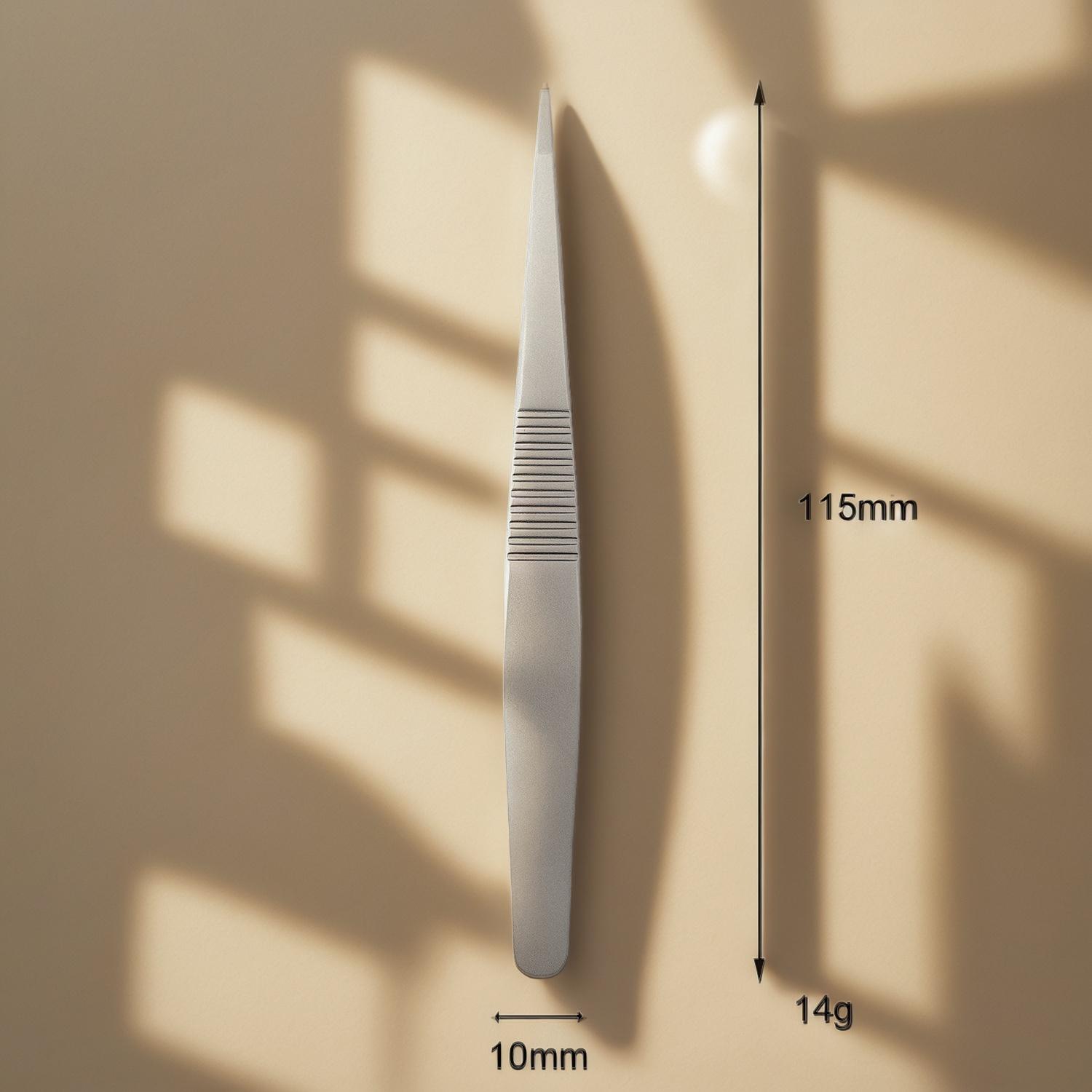
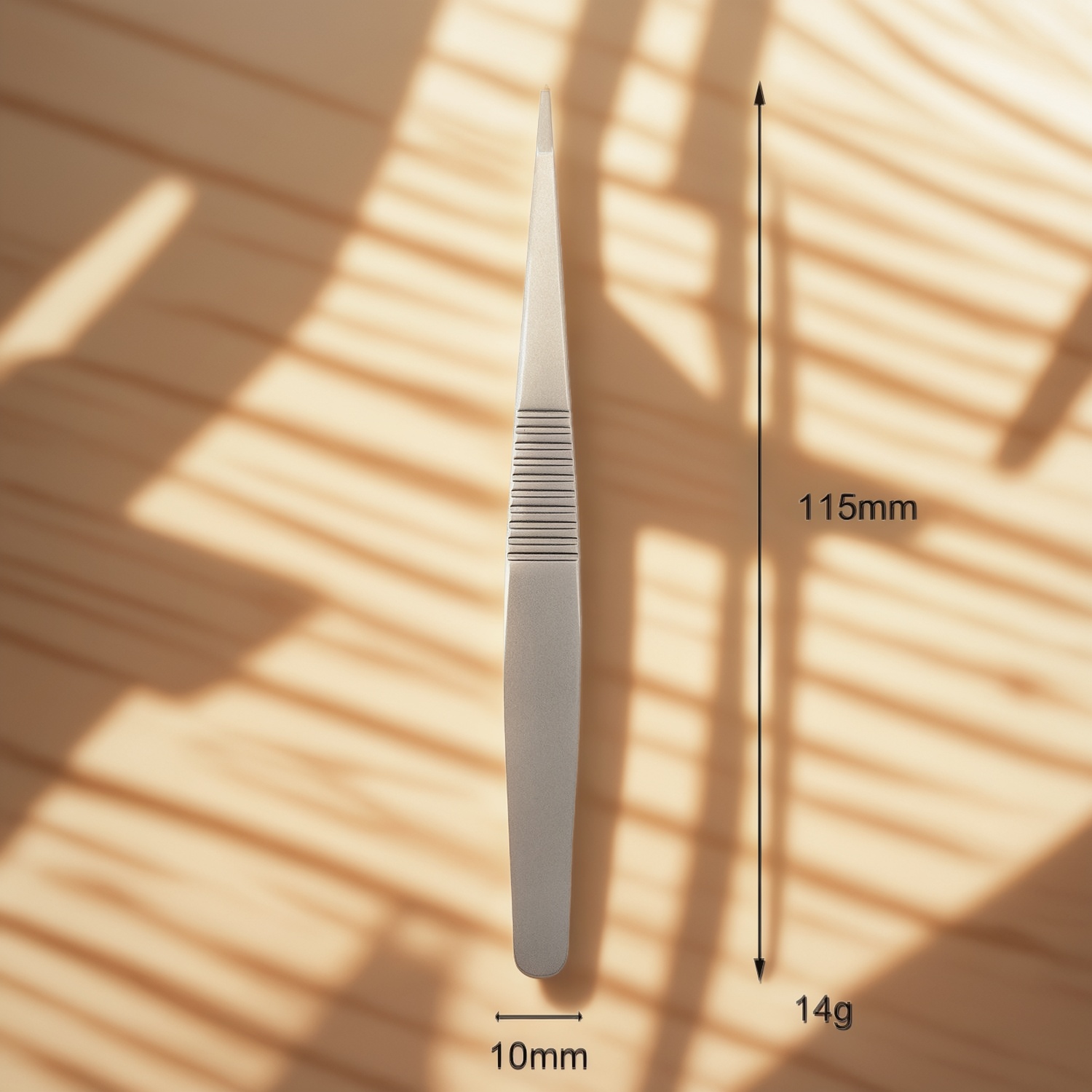
If the supplier offers a specific model such as SleekGrip Precision Tweezers, which are described with a slant tip for accurate use, test whether that slant remains consistent across multiple pieces. A slant-tip tweezer should allow the user to isolate individual hairs without scraping the skin or slipping from the hair shaft.
How to Evaluate a Tweezers Global Supplier
A reliable supplier should make it easy to evaluate the product before you commit to a larger order. Rather than depending only on catalog images, request clear product details, sample availability and packaging information. Review how the supplier communicates technical questions. Fast replies are helpful, but accurate, specific replies are more important than speed alone.
Use these criteria when comparing potential partners:
- Product consistency: Can the supplier provide samples that match the product you intend to order?
- Material clarity: Is the material described clearly enough for your purchasing and compliance records?
- Quality control process: Are inspection points explained in practical terms, such as tip alignment, surface finish and packaging checks?
- Export experience: Can the supplier prepare standard commercial documents for international shipping?
- Packaging capability: Can the packaging protect delicate tips and meet your retail format needs?
- Customization boundaries: If customization is available, are the options, artwork requirements and production limits clearly documented?
Olimor Beauty’s product positioning includes attention to ergonomic design and quality assurance. For import buyers, that should be confirmed through sample review, written specifications and agreed inspection standards before production. If you need to clarify product options or purchasing steps, you can contact Olimor or send an inquiry with your target market, packaging needs and estimated product type.
Sampling: The Step That Protects Your Order
Samples are not just a formality. They are the buyer’s best opportunity to test whether a tweezer is suitable for the intended market. If possible, evaluate samples in the same way customers will use them. For eyebrow grooming tools, test grip on fine hair, comfort in hand, tension after repeated squeezes and the feel of the tip against skin. For retail buyers, also test the packaging: does it look clean after handling, does it protect the tip, and does it communicate the product clearly?
Keep a sample record. Photograph the product, note the supplier’s description, record dimensions if provided, and save packaging references. If you approve a sample, mark it as the control sample for later comparison. When the bulk shipment arrives, compare random pieces against that control sample before distributing the goods.
For buyers placing an initial order, it is better to start with a manageable assortment than to overcomplicate the first shipment with too many finishes, tip styles or packaging formats. Once the product is proven in your sales channel, you can expand into additional tweezer types or related beauty tools.
Import Planning: Documents, Shipping and Compliance
International tweezers trade involves more than selecting a product. Importers need to plan duties, customs requirements, product labeling, local safety rules and shipping timelines. Requirements differ by destination market, so your internal checklist should reflect the country where the goods will be sold. Common documentation may include a commercial invoice, packing list and shipping documents. Depending on your market, additional labeling or compliance information may be required.
Shipping method should match order size and urgency. Air freight may suit urgent smaller shipments, while sea freight may be more practical for larger orders. Regardless of method, packaging protection is important because tweezer tips can be damaged by pressure or impact. A small deformation at the tip can make an otherwise acceptable tool difficult to use.
Plan inspections before final payment or before shipment when possible. Inspection does not need to be complicated for a small tool category, but it should be specific. Randomly check alignment, tension, finish, packaging count, carton labeling and whether the approved packaging has been used. Clear acceptance standards reduce misunderstandings and help both sides correct issues early.
Building a Reliable Tweezer Sourcing Program
The goal is not only to import tweezers from China once. The stronger strategy is to create a repeatable sourcing program that protects quality as your order volume grows. Keep written specifications, retain approved samples, document packaging artwork and track any customer feedback after launch. If buyers report slipping tips, uneven tension or damaged packaging, feed that information back into the next production review.
A dependable tweezer line can support beauty retailers, grooming kits, salon resale programs and online product assortments. The best results come from matching the right tip style to the right customer, verifying quality through samples and setting clear expectations before production. With a structured sourcing process, importing tweezers from China becomes less about chasing the lowest quote and more about building a reliable beauty tool supply chain that customers can trust.
Tag: