

Import Tweezers from China: A Practical Guide for Beauty Tool Buyers
Importing tweezers from China can be a smart sourcing decision for beauty retailers, salon suppliers, private label buyers, distributors, and e-commerce sellers that need reliable hand tools at consistent volume. The opportunity is not only about price. A successful sourcing program depends on choosing the right tweezer type, confirming workmanship, controlling packaging details, and building a supply chain that can support repeat orders without surprises.
Olimor Beauty works with precision-engineered stainless steel tweezers designed for beauty routines, professional grooming, and detailed craft use. For buyers comparing options in the international tweezers trade, this guide explains what to evaluate before placing an order and how to reduce common risks when importing tweezers from China.
Why China Remains a Key Source for Tweezers
China is widely used as a sourcing base for beauty tools because buyers can find a broad range of product styles, finishes, packaging formats, and order support in one market. For tweezers, this matters because different sales channels often need different positioning. A drugstore buyer may prioritize dependable daily-use tweezers and compact packaging, while a salon distributor may focus on grip comfort, tip alignment, and a professional finish.
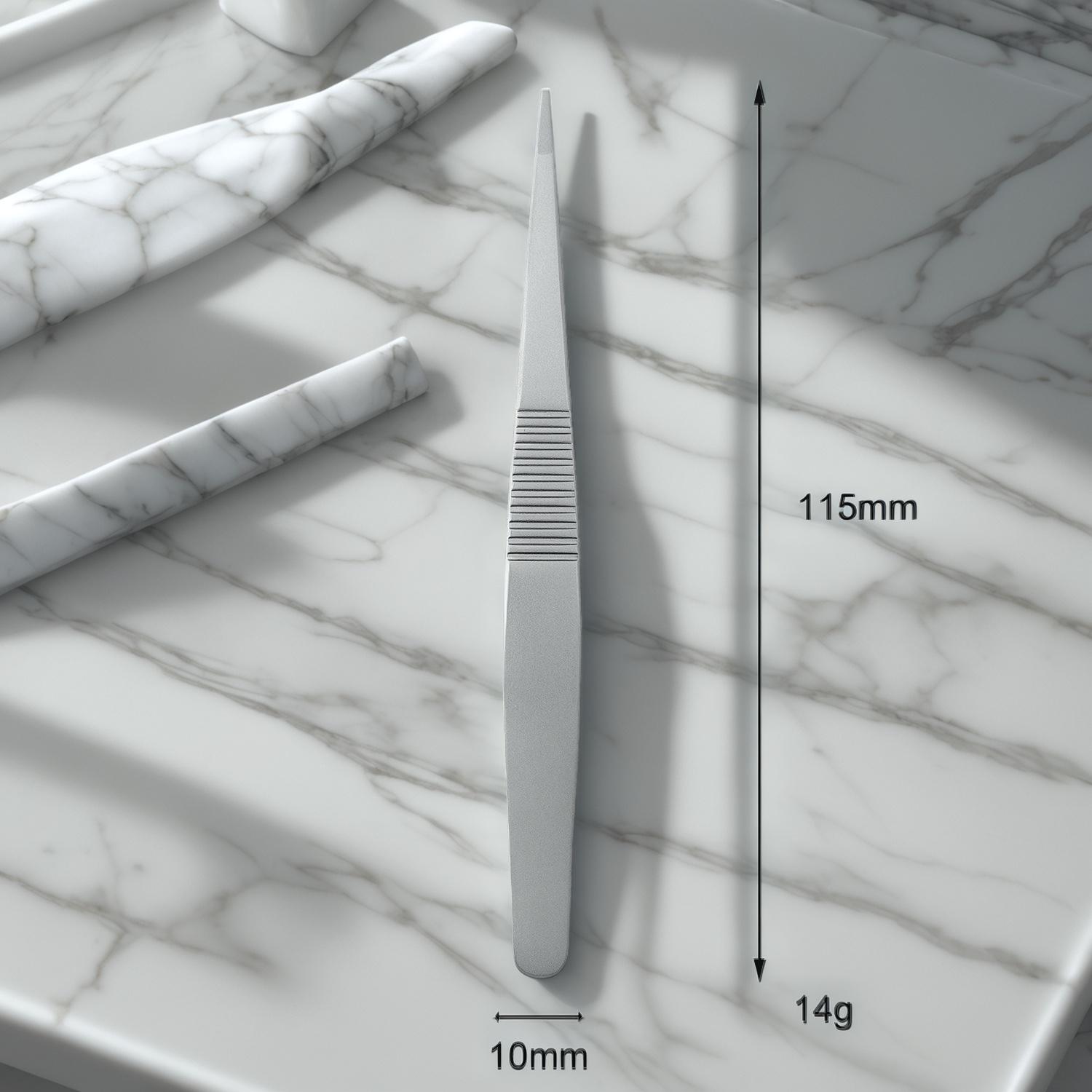
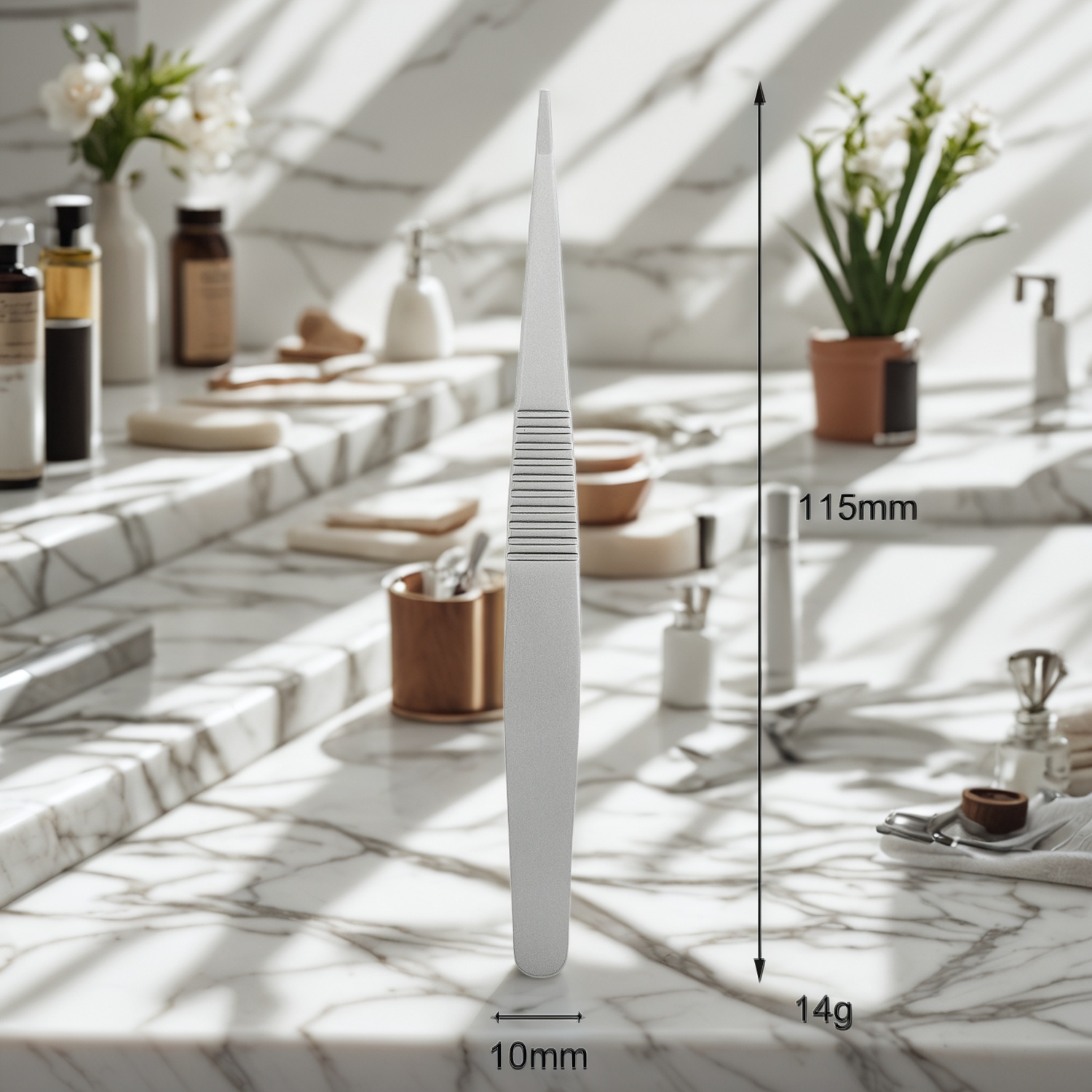
The original sourcing advantage is variety, but the stronger long-term advantage is supply chain flexibility. A buyer can compare stainless steel tweezers for general grooming, tapered-tip tweezers for detailed gripping, and lightweight designs for easy handling. Olimor Beauty’s stainless steel tweezers include practical details such as tapered tips, a sleek brushed finish, ribbed handles for better control, and ergonomic handling intended to support professional standards.
Still, importing successfully requires more than finding a product photo. Buyers should review samples, clarify finish expectations, confirm packaging requirements, and define inspection points before production. These decisions help prevent avoidable disputes over appearance, gripping performance, or retail presentation.
Define the Tweezer You Need Before Contacting Suppliers
Many sourcing problems begin when the buyer’s request is too general. “Stainless steel tweezers” can describe many tools with different tip shapes, grip textures, weights, finishes, and target users. Before comparing suppliers, define the intended use and sales channel. A beauty retailer selling brow tools may need precise tips and a clean cosmetic look. A craft or lash accessory seller may care more about fine gripping control. A promotional buyer may focus on simple presentation and dependable bulk supply.
For Olimor Beauty’s tweezer offering described on this page, useful product facts include stainless steel construction, tapered tips for precise gripping, a lightweight design, ribbed handles for control, and a brushed finish. If these qualities fit your market, use them as reference points when building your purchase brief.
- Application: eyebrow grooming, salon use, lash accessory support, craft detail work, or general personal care.
- Tip requirement: tapered tips for fine gripping, with attention to alignment and closing feel.
- Handle comfort: ribbed or textured grip areas can improve control during repeated use.
- Finish: brushed finishes can give a clean professional appearance and help distinguish the tool from mirror-polished alternatives.
- Retail format: decide whether the product needs simple protective packaging, hanging retail packaging, or a custom presentation.
When you prepare this information early, supplier comparisons become more accurate. It also helps Olimor Beauty or any other prospective supplier respond with relevant options instead of broad catalog suggestions. You can browse related beauty tool products to compare categories and identify whether tweezers should be sourced alone or combined with other grooming tools.
How to Evaluate a Tweezer Supplier in China
Supplier selection should be based on fit, communication, sample quality, and repeatability. A low unit quote is not helpful if the sample does not match production, if packaging details are unclear, or if the supplier cannot explain how appearance and function are checked before shipment. For beauty tweezers, small differences in tip contact, handle spring, and surface finish can affect customer satisfaction.
Start with a structured review rather than a casual message exchange. Ask for available product information, packaging options, production lead time guidance, and export support details. Avoid relying only on product images. For tweezers, physical samples are important because gripping feel and tip alignment are difficult to judge from photos.
| Evaluation area | What to check | Why it matters |
|---|---|---|
| Material and finish | Confirm stainless steel construction and the expected surface appearance. | Consistency affects durability perception and retail presentation. |
| Tip workmanship | Check that the tapered tips meet evenly and grip small items cleanly. | Tip performance is the main reason customers accept or reject tweezers. |
| Handle control | Review grip texture, ribbed handle feel, and comfort during repeated use. | Good control is important for beauty professionals and careful grooming. |
| Packaging | Confirm protective packaging, labeling space, barcode needs, and carton markings. | Packaging errors can delay receiving, relabeling, or retail launch. |
| Inspection process | Define visible defects, tip alignment standards, and sample approval records. | Clear standards reduce disagreement before shipment. |
Olimor Beauty conducts internal checks on its tools, but buyers should still create their own acceptance checklist for the destination market. A practical checklist turns subjective comments such as “good quality” into clear expectations that can be reviewed by purchasing, quality, and sales teams.
Sample Approval: The Most Important Step Before Bulk Orders
For international tweezers trade, sample approval is not a formality. It is the buyer’s opportunity to confirm whether the tool matches the target market. Test the sample in realistic conditions: gripping fine hairs or small objects, holding the tool for several minutes, opening and closing it repeatedly, and checking whether the tips meet cleanly without excessive pressure.
Review appearance under normal retail lighting. A brushed finish should look even, not patchy. Ribbed handles should feel controlled, not sharp or uncomfortable. Tapered tips should look symmetrical and should not have rough edges that could affect user confidence. If the product is intended for professional beauty use, ask several users to handle the sample and report whether the weight and grip feel appropriate.
Keep one approved sample sealed or clearly labeled for future comparison. This is useful when reviewing pre-shipment samples or investigating customer feedback after delivery. If you make changes to packaging, finish, or product presentation, approve those changes in writing so the supplier and your team are working from the same reference.
Packaging and Branding Decisions for Imported Tweezers
Packaging is often treated as a final detail, but it directly affects sell-through, returns, and warehouse efficiency. Tweezers are small tools, so poor packaging can make them look lower value or leave tips insufficiently protected during shipping. Before ordering, decide whether the product will be sold online, displayed in retail stores, included in a grooming kit, or supplied to salons in bulk.
For online sales, product protection and clear labeling are important because individual units may be handled multiple times before reaching the customer. For retail stores, hanging holes, barcode placement, visible product windows, and clean front-facing information may matter more. For salon supply, compact packaging and easy storage can be more practical than decorative presentation.
If you plan to build a broader beauty tool range, consider whether the tweezer packaging should visually match other products. Consistent packaging across nail tools, grooming accessories, and facial tools can help a distributor or retailer present a more organized line. Buyers comparing multiple categories can review Olimor product collections to think through assortment planning before finalizing packaging decisions.
Logistics, Customs, and Reorder Planning
Once the product is approved, the next challenge is moving the order efficiently. Tweezers are compact compared with many beauty products, but logistics still require planning. Confirm carton dimensions, gross weight, shipping marks, and required commercial documents before shipment. If the order includes customized packaging, allow time for packaging confirmation before production begins.
Customs requirements vary by destination, so importers should classify goods carefully and prepare records that match the shipped products. Inconsistent descriptions between invoices, packing lists, and product labels can slow clearance. A simple description such as stainless steel tweezers may be appropriate in some contexts, but the final wording should align with your broker’s guidance and destination requirements.
Reorder planning is just as important as the first shipment. Track sales velocity, defect feedback, and customer reviews after the first delivery. If the tweezers are part of a seasonal promotion or retail reset, build in time for sample confirmation, production, inspection, export handling, customs clearance, and domestic distribution. A supply chain that only works for the first order may become expensive if you need urgent replenishment later.
Common Buyer Mistakes When Importing Tweezers
Several avoidable mistakes appear often in tweezer sourcing. The first is approving a product based only on price and images. Tweezers are tactile tools, and performance depends on details that a quote sheet cannot show. The second is failing to define acceptable tip alignment and surface finish. Without a standard, buyers and suppliers may disagree about what counts as a defect.
A third mistake is ignoring packaging until the order is nearly ready. If packaging artwork, barcode placement, or carton labels are incomplete, shipment can be delayed even when the tweezers themselves are finished. A fourth mistake is not planning for repeat consistency. If you expect to reorder, keep product records, photos, approved samples, and packaging files organized from the first purchase.
Finally, some buyers treat the supplier relationship as a single transaction. Better outcomes usually come from clear communication, early confirmation of changes, and consistent feedback after each shipment. If you need to discuss stainless steel tweezers, packaging options, or a sourcing plan for a broader beauty tool range, you can contact Olimor or send an inquiry with your target market and order requirements.
Building a More Reliable Tweezer Supply Chain
Importing tweezers from China works best when the buyer combines product knowledge with disciplined purchasing steps. Define the application, review samples carefully, confirm stainless steel construction and finish expectations, protect the tips with suitable packaging, and organize logistics documents before shipment. For products such as Olimor Beauty’s 115mm stainless steel tweezers with tapered tips, ribbed handles, a lightweight design, and a brushed finish, the sourcing focus should be on consistent gripping performance and presentation that matches your sales channel.
A reliable supply chain is not built by choosing the cheapest listing. It is built by choosing an appropriate product, documenting standards, and working with a supplier that understands beauty tool expectations. With the right preparation, importing tweezers from China can help your business expand its product offering while maintaining the quality and usability your customers expect.
Tag: