

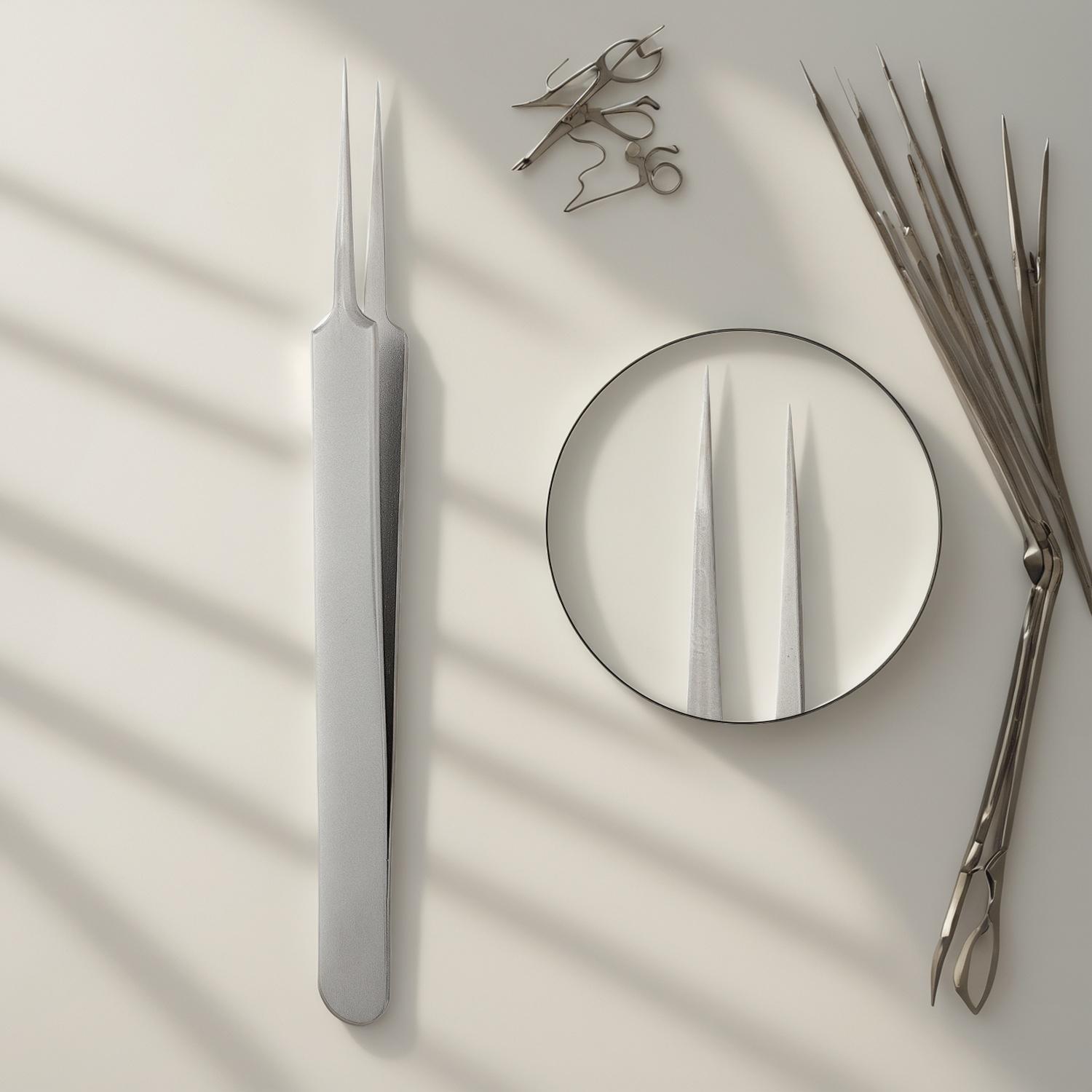
Import Tweezers from China: How to Choose the Right Sourcing Strategy
Importing tweezers from China can be a practical way for beauty brands, wholesalers, distributors and private-label buyers to expand their product range. The opportunity is broad: China’s beauty tool supply chain includes simple retail tweezers, professional salon tools, grooming accessories and packaging support for export markets. Yet the same large supply base can also make sourcing difficult. Two suppliers may show similar product photos, but the delivered tweezers can differ in tip alignment, grip comfort, finishing, packaging consistency and inspection standards.
A stronger sourcing strategy begins before price negotiation. Buyers need to decide whether they are purchasing a low-cost generic tool, a product for a retail line, or a precision item that will represent their brand in repeated daily use. That decision affects the type of supplier to approach, the questions to ask, the samples to compare and the quality controls to set before shipment.
If you are planning to source tweezers or related beauty tools, Olimor Beauty provides product-focused support for buyers evaluating options across beauty tool products and wider product collections.
Start with the Role the Tweezer Will Play in Your Range
Not every tweezer order has the same sourcing goal. A promotional item, a professional brow tool and a premium retail accessory may all look similar online, but they require different levels of precision, durability and packaging control. Before comparing suppliers, define the intended use and the customer expectation.
For beauty retail, the consumer usually judges the product by how cleanly it grips fine hairs, how comfortable it feels in the hand and whether the tips remain aligned after normal use. For salon or professional use, repeated handling and reliable performance matter even more. For value kits or travel sets, consistency across a mixed tool assortment may be the priority. Clear use cases help you avoid paying for unnecessary features while also preventing under-specified products from damaging your brand image.
- Daily brow grooming: prioritize fine tip alignment, comfortable tension and clean edge finishing.
- Salon or professional resale: focus on consistent grip, ergonomic handling and repeatable quality across cartons.
- Gift sets or cosmetic kits: check color matching, packaging fit and visual consistency with the rest of the set.
- Entry-level retail: balance cost with acceptable performance, safe finishing and dependable packaging presentation.
General Supplier or Specialist Manufacturer: What Changes?
Many buyers begin by searching large marketplaces or contacting general trading suppliers. This can be convenient, especially when you need to compare many shapes, finishes and packaging ideas quickly. General suppliers may also be useful when you are building a mixed order with several unrelated categories. However, the main risk is product variability. A general supplier may coordinate with multiple factories, so the same item may not always come from the same production source or follow the same inspection habits.
A specialist manufacturer or focused beauty tool supplier works differently. The discussion is usually more technical: tip shape, tension, alignment, finishing, material handling, packaging method and inspection points. A specialist is more likely to understand why a tweezer that looks attractive in a photo can still fail in use if the tips do not meet evenly or if the inner gripping surfaces are poorly finished. This expertise becomes important when your brand depends on repeat orders, customer reviews or distributor confidence.
The best choice depends on your business model. If your main goal is a one-time mixed promotional purchase, a general sourcing route may seem efficient. If you want a stable tweezer program with predictable quality and brand continuity, a specialist beauty tool partner is usually the safer direction.
Quality Points to Check Before You Import Tweezers
For tweezers, quality is not only about appearance. A polished surface and attractive color can hide weak performance. Buyers should evaluate samples with simple, repeatable checks that connect directly to end-user experience. The following table can help procurement teams compare suppliers more objectively.
| Inspection Point | Why It Matters | What to Look For |
|---|---|---|
| Tip alignment | Determines whether the tweezer can grip fine hairs or small objects cleanly. | Tips should meet evenly without a visible gap or offset. |
| Grip tension | Affects comfort during repeated use. | Resistance should feel controlled, not too loose or tiring. |
| Edge finishing | Influences safety, comfort and perceived quality. | Surfaces should be smooth, with no sharp burrs on handling areas. |
| Surface finish | Supports retail appearance and brand consistency. | Check for scratches, uneven coating, stains or color variation. |
| Packaging fit | Protects the tool and affects shelf presentation. | The tweezer should sit securely without rubbing, bending or moving excessively. |
| Carton consistency | Reduces complaints after bulk delivery. | Randomly inspect multiple units, not only the best sample. |
When reviewing samples, avoid judging only one perfect piece. Request enough pieces to compare consistency. Open and close each tweezer several times, test the tips on fine material and inspect under good lighting. If a supplier cannot explain how they control alignment, finishing and packaging protection, the risk of inconsistency in bulk production is higher.

Packaging, Branding and Export Readiness
Packaging decisions should be made early because they influence both cost and product protection. A tweezer with fine tips can be damaged if the packaging allows pressure or movement during transport. Retail packaging also needs to communicate the product clearly without overpromising. Buyers should check whether the selected packaging supports barcode placement, multilingual information, visual inspection, hanging display or compact storage, depending on the sales channel.
For private-label or branded orders, artwork control is as important as product control. Confirm file formats, color references, logo placement and approval steps before production. A small error in packaging text or color matching can delay shipment or create retail problems. If you sell through distributors, consistent packaging can also help avoid confusion between batches.
Export readiness includes more than shipping the goods. A practical sourcing plan should consider carton markings, packing lists, product descriptions, destination-market labeling needs and whether the packaging protects the tweezer during normal international transit. When details are not yet fixed, prepare a buyer checklist and review it with the supplier before confirming the order.
How to Compare Prices Without Sacrificing Reliability
Price comparison is necessary, but the lowest quotation is not always the lowest total cost. With tweezers, a small saving per unit may disappear if the product causes returns, poor reviews, repacking work or distributor claims. To compare quotations fairly, make sure each supplier is quoting the same product requirements: tweezer shape, finish, packaging type, inspection expectations, labeling and export packing.
Useful price evaluation questions include:
- Is the quoted product the same as the approved sample?
- Does the price include the required packaging and branding work?
- Are inspection standards clearly defined before production?
- What happens if bulk goods do not match the confirmed sample?
- Are cartons packed to protect the tips and surface finish during transport?
These questions shift the conversation from a simple unit price to delivered value. A reliable supplier should be able to discuss the production process and quality points in practical terms, even if final specifications are still being refined.
Building a Long-Term Tweezer Sourcing Process
A strong sourcing strategy is not a one-time supplier search. It is a repeatable process that helps your company avoid quality drift as orders grow. Keep an approved sample, packaging reference and written specification for every confirmed product. When reordering, compare new production with the retained standard. Track customer feedback and distributor comments so improvements can be made before the next batch.
For growing beauty brands, it is also useful to develop a product roadmap. You may begin with one slant tweezer or basic retail item, then add different tip styles, finishes or set packaging as demand becomes clearer. Working with a focused beauty tool supplier makes this process easier because product decisions can be coordinated across related tools rather than treated as isolated purchases.
Olimor Beauty supports buyers who want a more organized route for sourcing tweezers and related beauty accessories. You can review available categories through beauty tool products, explore broader assortment planning through product collections, or contact Olimor to discuss suitable sourcing options for your market.
Practical Checklist Before Sending an Inquiry
Before you request a quotation, prepare enough information for a meaningful supplier response. You do not need every detail finalized, but clearer requirements reduce misunderstandings and make quotations easier to compare.
- Target sales channel, such as retail, salon supply, distributor, kit assembly or promotional use.
- Preferred tweezer type, finish, color and packaging direction.
- Expected quality level and any important performance concerns, such as fine hair grip or tip protection.
- Branding needs, including logo placement, packaging artwork or label requirements.
- Destination market and any buyer-specific labeling or documentation expectations.
- Sample evaluation plan, including how many pieces you want to review before bulk production.
With these points ready, communication becomes faster and more accurate. If you are preparing to import tweezers from China and want a focused discussion rather than a generic catalog quote, you can send an inquiry with your product goals and packaging expectations.
Choose a Supplier That Protects Your Brand
The international tweezers trade offers many sourcing routes, but the best supplier is the one that supports your brand promise. A tweezer is a small tool, yet customers quickly notice poor alignment, uncomfortable tension or weak finishing. For a beauty business, those details influence trust, reviews and repeat purchase decisions.
When you import tweezers from China, evaluate more than catalog photos and unit price. Compare supplier focus, sample consistency, quality control habits, packaging capability and willingness to discuss technical details. A specialist approach helps turn a simple beauty accessory into a dependable product line, giving your business better control over quality, presentation and long-term customer satisfaction.
Tag: