

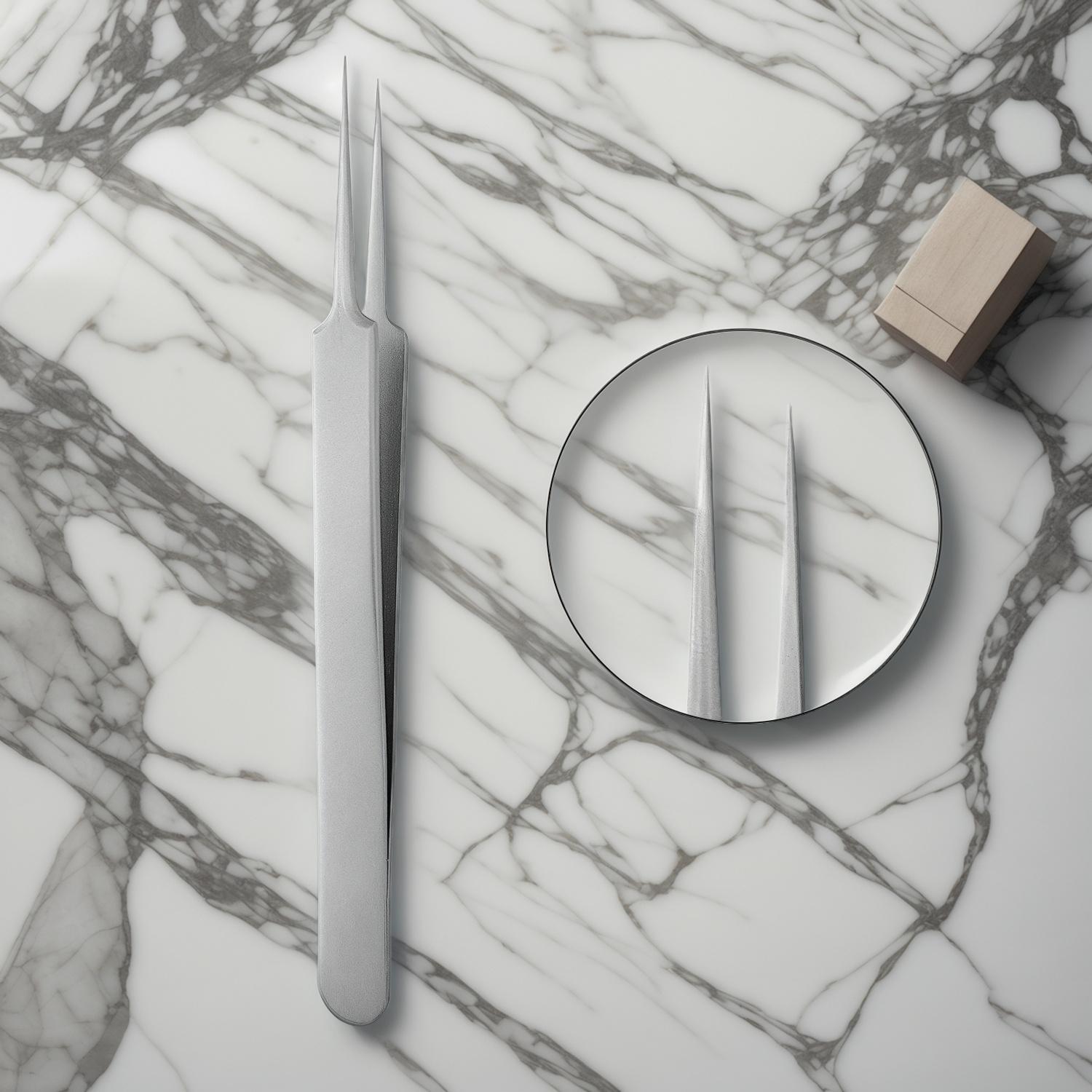
Import Tweezers from China: Quality Sourcing Guide for Beauty Buyers
Importing tweezers from China can be a smart sourcing decision for beauty brands, wholesalers, salon suppliers and private-label buyers, but the value is not determined by price alone. Tweezers are small tools, yet they are judged by very precise details: tip alignment, grip control, surface finish, edge smoothness, corrosion resistance and consistency from batch to batch. A tweezer that looks acceptable in a product photo may still perform poorly when used for brow shaping, lash work, facial hair removal or fine cosmetic tasks.
China has a large and active manufacturing base for beauty tools, which gives buyers many choices in materials, tip shapes, finishes and packaging options. That variety is useful, but it also makes supplier evaluation more important. The goal is not simply to find a factory that can export tweezers; the goal is to identify a reliable tweezers global supplier that understands how the tool will be used by professionals and retail customers.
This guide explains how to assess tweezers export from China with a practical quality mindset, including product selection, inspection points, sourcing questions and common risks to avoid.
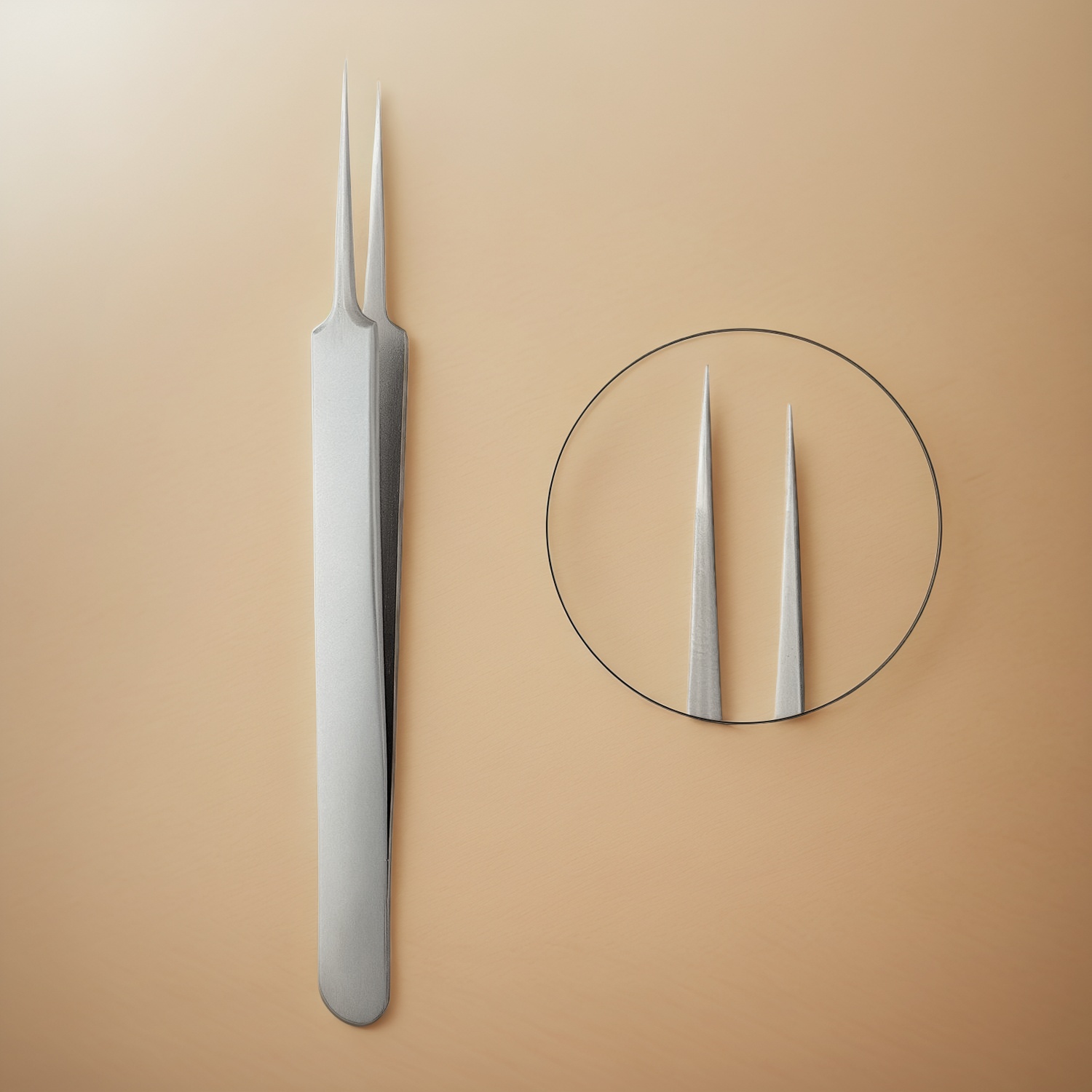
Why China Is a Major Source for Beauty Tweezers
Many buyers consider China because the supply chain for metal beauty tools is broad and efficient. Manufacturers may have access to stainless steel processing, polishing, finishing, packaging and export coordination within an established industrial network. This can help buyers compare multiple product types and source tools for different retail positions, from everyday grooming tweezers to more specialized professional-use designs.
However, the international tweezers trade includes a wide range of quality levels. Some products are made for low-cost, high-volume distribution, while others are produced with closer attention to alignment and hand feel. For beauty applications, the difference matters. A consumer may reject a tweezer if it fails to grip fine hair cleanly. A salon or brow professional may notice even small inconsistencies in tension or tip symmetry.
For this reason, the best sourcing approach is to compare suppliers by their process, not only by their catalog. Buyers reviewing beauty tool products should look at the tool as a working instrument: how it grips, how it feels, how it stores, and how consistently it can be reproduced.
Key Quality Criteria Before You Import Tweezers from China
A professional beauty tweezer is judged by a combination of material, manufacturing accuracy and finishing. Before approving a supplier, buyers should define the quality standard they expect and translate it into inspection points that can be checked on samples and production lots.
- Tip alignment: The two tips should meet evenly without crossing, gapping or sliding away from each other. Poor alignment reduces grip accuracy.
- Grip performance: Tweezers should hold fine hair or small objects with controlled pressure. Overly blunt tips may miss fine hair; overly sharp or rough tips can feel uncomfortable.
- Tension: The tweezer body should spring open smoothly and close without excessive force. Tension should feel consistent across samples.
- Surface finish: Edges should be smooth to the touch. Polishing, coating or coloring should appear even, without obvious scratches, burrs or peeling.
- Material suitability: Stainless steel is commonly used for beauty tweezers because it can offer durability and corrosion resistance when properly manufactured and maintained.
- Packaging protection: Tips should be protected during shipping and storage. A damaged tip can make an otherwise good tweezer unusable.
Olimor Beauty focuses on stainless steel tweezers and offers tip options such as straight, curved and hooked designs. For buyers, the practical question is which tip geometry fits the intended use and which finish and packaging style match the sales channel.
Choosing Between Straight, Curved and Hooked Tips
Tip shape is not only a design choice. It affects visibility, access angle and control. When importing tweezers from China, buyers should define the intended application before requesting samples. A general grooming tweezer for retail shelves may need different handling than a precision tool used by beauty professionals.
| Tip type | Common buying consideration | What to check on samples |
|---|---|---|
| Straight tip | Useful for general precision gripping and simple beauty tasks where direct contact is preferred. | Check whether the tips meet evenly across the full contact area and grip fine items without slipping. |
| Curved tip | Helpful when the user needs an angled approach or improved visibility around the working area. | Check that the curve is symmetrical and the closing point remains accurate from sample to sample. |
| Hooked tip | Chosen for more specialized handling where a shaped tip supports controlled access. | Check that the hook form is smooth, consistent and free from rough edges that could affect use. |
It is wise to test each tip type with the actual use case in mind. For beauty buyers, that may include brow grooming demonstrations, salon feedback, retail customer expectations or compatibility with existing tool sets in product collections. A tweezer should not be selected only because it looks distinctive; it should make the task easier and more controlled.
How to Evaluate a Tweezers Global Supplier
A supplier’s communication and quality control habits often reveal as much as the sample itself. A reliable tweezers global supplier should be able to discuss product details clearly and help buyers compare options without relying on vague claims. The supplier should also understand that export buyers need consistency, because a product that performs well in the first order must continue to meet expectations in repeat shipments.
When evaluating a potential supplier, consider the following areas:
- Sample consistency: Request more than one sample if possible and compare alignment, finish, tension and packaging. One good piece does not prove stable production.
- Material and finish explanation: Confirm what material is being offered and what surface treatment or polishing process is used, without assuming a grade that has not been stated.
- Inspection process: Look for evidence that quality is checked during production, not only after packing. Tip alignment and surface defects are easier to control when monitored early.
- Packaging capability: Review how the product will be protected in transit. Tip caps, inserts or suitable retail packaging can reduce damage risk.
- Export readiness: Confirm that product labeling, carton information and documentation can be prepared according to your destination market requirements.
- Problem response: Discuss how nonconforming goods, damaged packaging or repeat-order differences would be handled before an order is placed.
Olimor Beauty applies internal quality control from raw material review through final product inspection. For buyers, this kind of process orientation is valuable because tweezers depend on small tolerances that are difficult to correct after production is complete.
Sample Testing: What Beauty Buyers Should Actually Do
Samples should be tested like real products, not only photographed for approval. A structured sample review helps buyers avoid subjective decisions and makes it easier to compare suppliers. If a buying team includes sales, product development and quality staff, each group should review the sample from its own perspective.
Start with visual inspection under good lighting. Look for uneven tips, visible burrs, dents, color differences, stains or rough edges. Then test the opening and closing action repeatedly. The tweezer should return smoothly without feeling weak or overly stiff. Next, test gripping performance on fine hair or fine thread-like material. If the tweezer grips only larger objects, it may disappoint beauty users who need precision.
Also consider the retail experience. Does the tool sit securely in its package? Are the tips protected? Is the finish likely to show fingerprints or scratches easily? These points affect customer perception, especially in beauty channels where presentation and hygiene expectations are high.
Managing Common Import Risks
Several risks appear repeatedly in tweezers export from China. The first is approving a sample without defining what makes it acceptable. If the buyer only says “good quality,” the supplier may not know which attributes are critical. Instead, create a simple approval sheet listing tip alignment, tension, surface finish, packaging, labeling and acceptable appearance standards.
The second risk is focusing on the lowest unit price. A cheaper tweezer may cost more in practice if it leads to returns, complaints or replacement shipments. Since tweezers are precision tools, tiny savings on finishing or inspection can create noticeable performance issues.
The third risk is unclear packaging and shipping protection. Tweezer tips are vulnerable to deformation if loosely packed or pressed against hard surfaces. Before shipment, buyers should confirm how individual tools and cartons will be protected. Packaging is not just decoration; it is part of product quality.
The fourth risk is changing requirements after production begins. Decide early on the tip shape, finish, packaging format and inspection standard. Late changes increase the chance of inconsistency and delays.
Building a Practical Sourcing Checklist
A clear checklist keeps sourcing decisions focused. Before placing an order, beauty buyers can use the following framework:
- Define the target user: retail consumer, brow professional, salon buyer, lash technician or general beauty kit.
- Select the tip type based on use, not appearance alone.
- Confirm material information and finish expectations.
- Approve samples after testing grip, tension, alignment and comfort.
- Review packaging for tip protection and retail presentation.
- Set inspection points that can be checked during and after production.
- Clarify export documents, labeling needs and carton requirements for the destination market.
- Keep an approved reference sample for repeat-order comparison.
This checklist helps buyers communicate clearly and reduces misunderstandings. It is especially useful for distributors or private-label teams managing several beauty tool categories at once.
When to Contact Olimor Beauty
If you are comparing suppliers for stainless steel tweezers, Olimor Beauty can help you review practical options such as straight, curved and hooked tip designs. The right choice depends on your customer, sales channel and quality expectations. Rather than treating tweezers as a generic accessory, it is better to evaluate them as precision beauty tools where small details affect user satisfaction.
Buyers who are building a new tool range, refreshing packaging or comparing sourcing options can contact Olimor to discuss product direction, or send an inquiry with the intended application, preferred tip type and packaging considerations. A clear brief will make it easier to match the product to your market and avoid assumptions during sourcing.
Importing tweezers from China can offer strong value when quality control, sample testing and supplier communication are handled carefully. By focusing on function, consistency and protection during export, beauty buyers can source tweezers that support their brand reputation and meet the expectations of both professional and retail users.
Tag: