

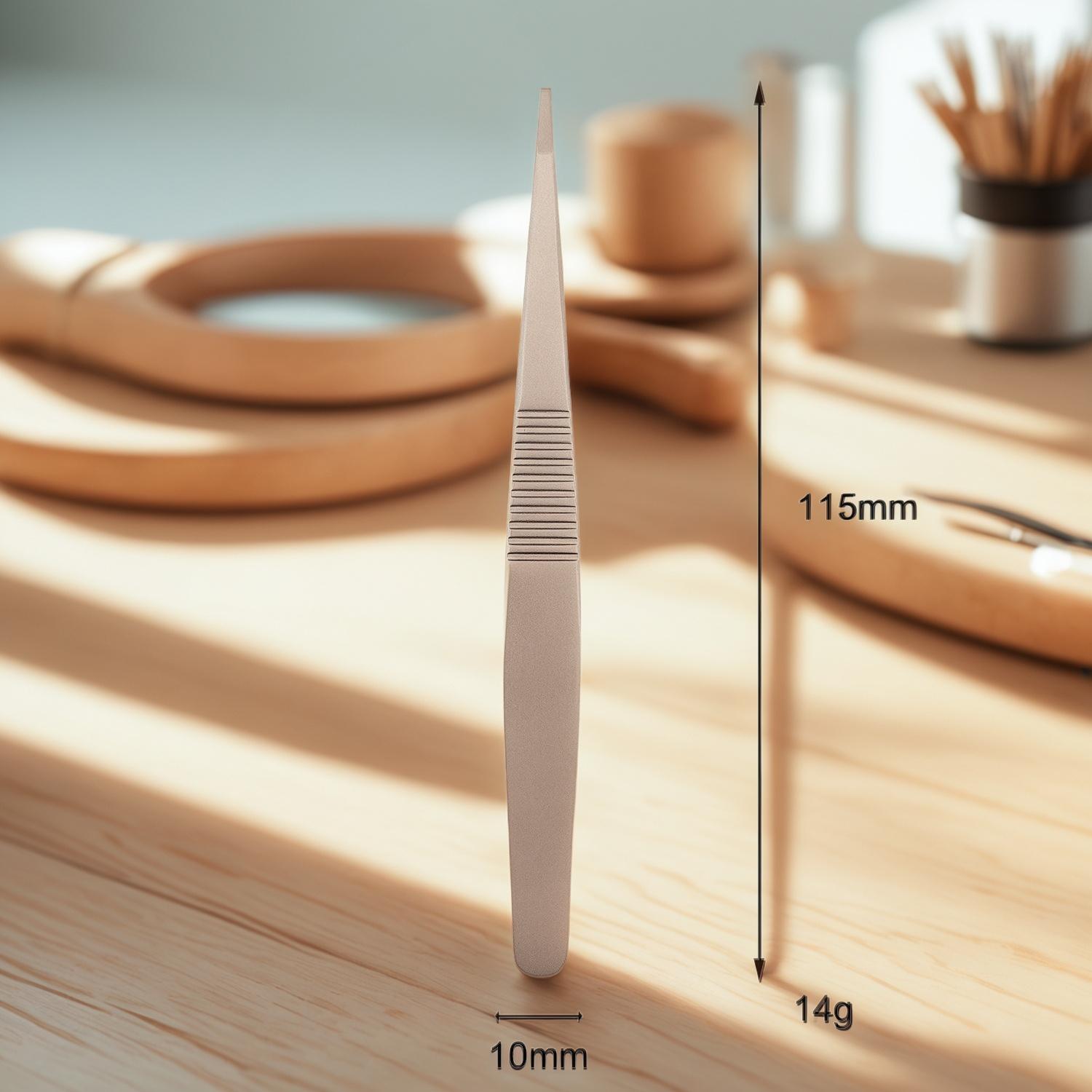
Import Tweezers from China: Practical Sourcing Steps for Beauty Tool Buyers
Importing tweezers from China can be a smart sourcing option for beauty brands, wholesalers, e-commerce sellers, salon suppliers and private label buyers that need consistent beauty tools at a workable landed cost. The opportunity is real, but successful importing is not only about finding the lowest unit price. Tweezers are small products, yet buyers still need to evaluate tip alignment, grip comfort, surface finish, packaging durability, inspection methods, export documentation and repeat-order consistency.
This guide focuses on practical decisions you can make before placing an order. It is written for buyers who want dependable tools for eyebrow shaping, lash work, facial hair removal, manicure kits, retail beauty sets or professional salon use. Whether you are comparing suppliers for a new beauty line or expanding an existing catalog, the goal is to reduce avoidable risk and build a cleaner sourcing process.
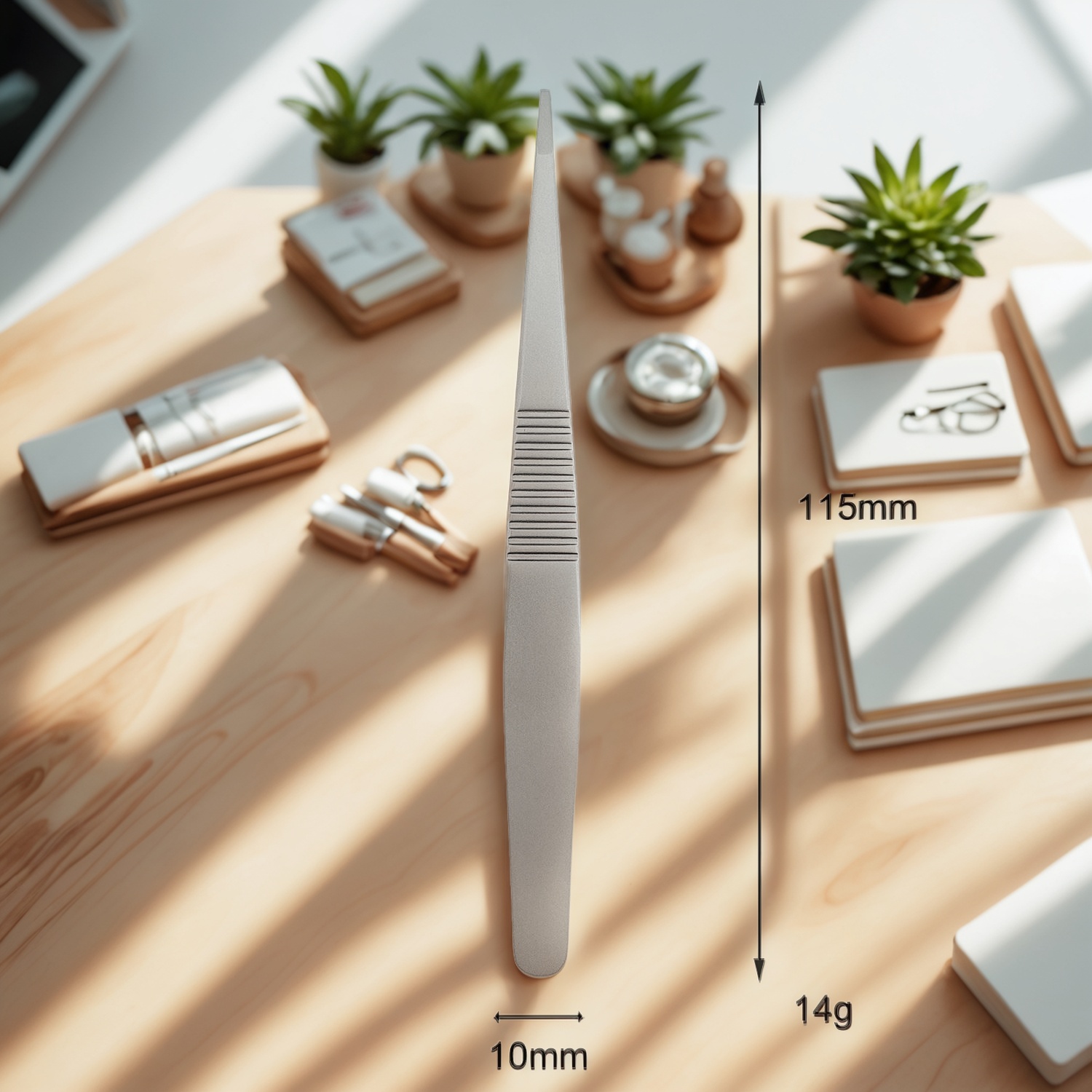
Why China Is a Common Source for Tweezers
China is widely used as a manufacturing base for beauty tools because it has an established supply chain for metal processing, finishing, packaging and export coordination. For tweezers specifically, buyers often look to China for a broad choice of shapes, finishes and packaging formats. The category can include slant-tip tweezers, pointed tweezers, flat-tip tweezers, curved-tip tweezers and multi-piece tweezer sets, depending on the intended use.
The main advantage is flexibility. A buyer may need a simple retail-ready eyebrow tweezer, a tool included in a grooming kit, or a private label product with customized packaging. Instead of treating every tweezer as interchangeable, define the end customer first. A consumer product for daily eyebrow care has different priorities from a professional lash application tool, where tip precision and hand fatigue matter more.
When reviewing beauty tool products, compare not just appearance, but how the tool performs after repeated use. A shiny finish and attractive packaging can help sell the product, but long-term satisfaction depends on spring tension, alignment, grip texture and corrosion resistance.
Define the Tweezer Type Before Requesting Quotes
A clear product brief is the most efficient way to get useful quotations. If the request is too vague, suppliers may quote different materials, sizes, finishes or packaging options, making prices difficult to compare. Before contacting manufacturers or exporters, decide what the tweezer must do and where it will be sold.
Key choices include tip style, body length, surface finish, handle shape, packaging and branding requirements. You do not need to finalize every detail immediately, but you should be specific enough to avoid misunderstandings.
- Slant tip: commonly used for eyebrow shaping and general facial hair removal because the angled edge helps catch individual hairs.
- Pointed tip: suitable for detailed work, but it may require clearer safety messaging and careful packaging to protect the tip.
- Flat tip: useful for gripping wider areas, though it may not be ideal for very fine hairs.
- Curved tip: often considered for lash-related tasks or detailed beauty work where visibility and angle matter.
- Set packaging: useful for retail kits, travel grooming sets or promotional bundles, but each piece still needs individual quality checking.
For a sourcing project, it is better to request samples that represent the exact product you intend to sell, not only a similar stock item. If you plan to add branding, coatings or special packaging later, include those factors in the sample stage whenever possible.
What to Check in Supplier Selection
Selecting a tweezers global supplier should involve more than a short price comparison. Start by looking at whether the supplier understands beauty tool applications, can communicate clearly, and can support repeat orders with consistent product quality. A low initial price may become expensive if the product has high defect rates, unclear packaging standards or delayed delivery.
When reviewing a potential supplier, organize your questions around capability, quality control and communication. You can also compare available product collections to see whether the supplier’s existing range matches your market positioning.
| Evaluation Area | What to Review | Why It Matters |
|---|---|---|
| Product experience | Beauty tweezer styles, grooming tools, retail packaging examples | Relevant experience reduces design and usability errors |
| Sample consistency | Tip alignment, tension, finish, weight, logo placement | Samples reveal whether the quoted product fits the selling purpose |
| Quality process | Incoming material checks, in-process inspection, final inspection | Small defects in tweezers can affect grip and customer satisfaction |
| Packaging support | Blister cards, boxes, pouches, protective tip covers, export cartons | Packaging protects the tool and affects retail presentation |
| Export communication | Lead time, payment terms, shipping documents, carton details | Clear documentation helps avoid import delays |
Olimor Beauty focuses on beauty tools and can be considered by buyers comparing sourcing options for tweezers and related accessories. If you need to clarify available product directions or customization possibilities, you can contact Olimor with a concise buying brief.
Quality Criteria That Matter for Tweezers
Tweezers look simple, but quality issues are easy to notice during use. A customer may forgive plain packaging, but not tips that fail to meet evenly. For beauty applications, the working edge is the product. When assessing samples or pre-shipment goods, create a checklist that reflects real use instead of only visual appearance.
Important inspection points include:
- Tip alignment: the two tips should meet evenly without visible gaps when gently pressed together.
- Grip performance: the tweezer should catch fine hairs or small test fibers without excessive force.
- Spring tension: resistance should feel controlled, not too stiff for repeated use and not too loose for accurate gripping.
- Edge condition: tips should not feel rough, overly sharp on the outside, bent or burred.
- Surface finish: check for scratches, discoloration, uneven coating, fingerprints under coating or rough polishing marks.
- Handle comfort: the tool should sit naturally in the fingers, especially if intended for salons or lash technicians.
- Packaging protection: pointed or precision tips should be protected during transit to prevent deformation.
For bulk orders, do not rely only on a single perfect sample. A sample confirms direction, but production consistency should be checked from finished goods. Buyers often define acceptable limits for cosmetic defects, functional defects and packaging defects before shipment.
Branding, Packaging and Retail Readiness
Packaging decisions affect cost, shipping volume, shelf appeal and damage rate. A tweezer sold through e-commerce may need packaging that protects the tool during parcel handling, while a retail store item may require a hang hole, barcode space, product description and clear usage messaging. A salon distributor may prefer simpler packaging if the product is sold in professional packs.
Common packaging questions include whether the tweezer needs a tip guard, pouch, card, box, insert, instruction text or anti-scratch protection. If you are planning private label packaging, prepare artwork carefully and confirm print position, color expectations and barcode requirements before mass production. Avoid using packaging claims that have not been verified for your market.
Branding can be applied in different ways depending on the surface and finish, but every method should be checked on real samples. A logo that looks good on a design file may appear too small, too light or poorly positioned on a narrow tweezer body. Always review a physical sample or clear production proof before approving final packaging.
Import Steps From Inquiry to Delivery
A structured process makes tweezers export from China easier to manage. The exact workflow may vary by buyer and shipment size, but most projects follow the same logic: define requirements, compare suppliers, confirm samples, place the order, inspect goods and arrange shipping.
- Prepare a product brief: include tip style, finish, approximate size, packaging, intended market and estimated order quantity.
- Request quotations: compare based on the same product details so pricing is meaningful.
- Review samples: test function, comfort, finish and packaging rather than judging only photos.
- Confirm order terms: document specifications, packaging, lead time, payment terms, labeling and inspection expectations.
- Check production updates: confirm that materials, logo placement and packaging match the approved sample.
- Arrange inspection: use your own checklist for tip alignment, appearance, count and carton marking.
- Prepare shipping documents: confirm invoice, packing list, product description and carton details with your logistics provider.
- Evaluate arrival quality: record any issues and use feedback to improve the next order.
If you already know your preferred tweezer style and packaging direction, you can send an inquiry with the details. A clear inquiry helps shorten the quotation process and reduces repeated clarification.
Shipping, Compliance and Landed Cost Planning
The quoted unit price is only one part of the total import cost. Buyers should estimate packaging cost, inland transport, export handling, international freight, duties, customs clearance, local delivery and any inspection or testing costs relevant to their market. Because tweezers are compact, freight may be manageable, but packaging style and carton design still influence volume.
Compliance also depends on destination market and sales channel. Retail platforms, large chain stores or distributors may request specific labeling, barcode, country-of-origin marking, packaging language or documentation. Do not wait until goods are finished to confirm these requirements. It is easier to design compliant packaging at the start than to relabel cartons after arrival.
For private label buyers, keep a record of approved samples, artwork files, order confirmations, inspection reports and shipping documents. Good recordkeeping helps resolve disputes and makes repeat orders smoother.
Common Mistakes to Avoid
Many import problems come from unclear expectations rather than bad intentions. Avoid choosing a supplier based only on the lowest quote, especially if product details are incomplete. Do not approve mass production from photos alone when tip performance is critical. Do not assume that all stainless steel-looking tweezers feel the same in hand, and do not leave packaging decisions until the last minute.
Another common mistake is failing to define defects. For tweezers, a small misalignment can make the product difficult to use, even if it looks acceptable in a package. Decide which defects are critical, which are cosmetic and which can be accepted within a reasonable tolerance.
Build a Repeatable Sourcing System
Importing tweezers from China works best when you treat sourcing as a repeatable system, not a one-time transaction. Start with a clear product brief, compare suppliers on relevant criteria, test samples carefully, document approved details and inspect finished goods against practical standards. This approach helps beauty brands, distributors and retailers secure tools that match their customers’ expectations while keeping the import process organized.
For buyers building a broader beauty tool range, tweezers can also be sourced alongside complementary grooming accessories. Review related product categories, prepare clear specifications and keep quality requirements measurable. The result is a stronger supply chain and a product line that is easier to reorder, improve and scale.
Tag: