

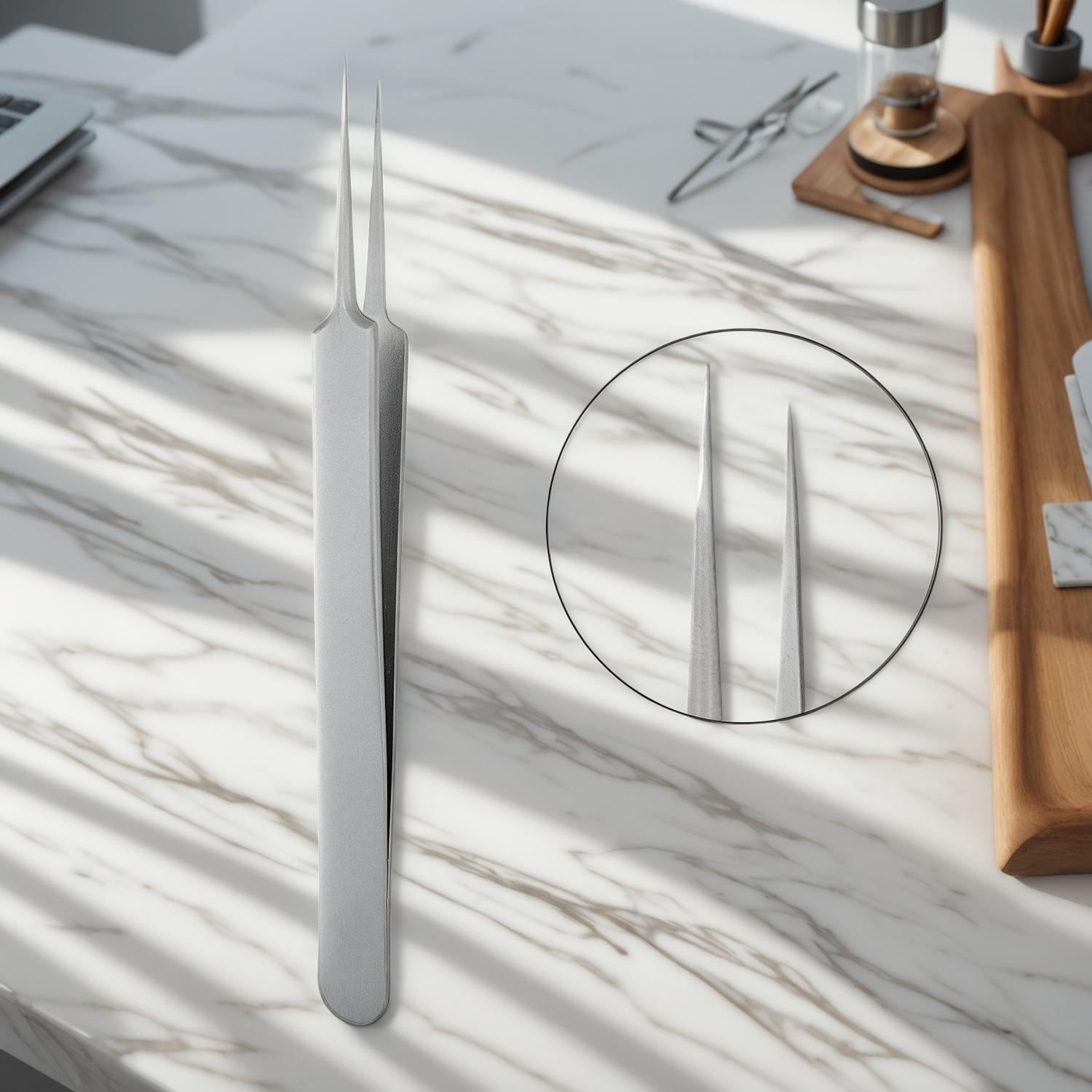
Import Tweezers from China: A Quality-First Sourcing Guide
For beauty brands, wholesalers, salon suppliers and e-commerce retailers, the decision to import tweezers from China is usually driven by more than price. Buyers are looking for a dependable source of precision beauty tools, flexible product options and a supply chain that can support ongoing demand. China remains a major center for tweezers export because it offers broad manufacturing capability, established metalworking knowledge and access to related processes such as polishing, finishing and packaging.
At the same time, the range of available products is wide. Two tweezers can look similar in a catalogue image but perform very differently in the hand. Tip alignment, tension, edge finishing, surface treatment and inspection standards all affect how the tool grips hair, feels during use and represents your brand after purchase. A quality-first approach helps buyers separate low-cost generic items from tools that can satisfy professional and consumer expectations.
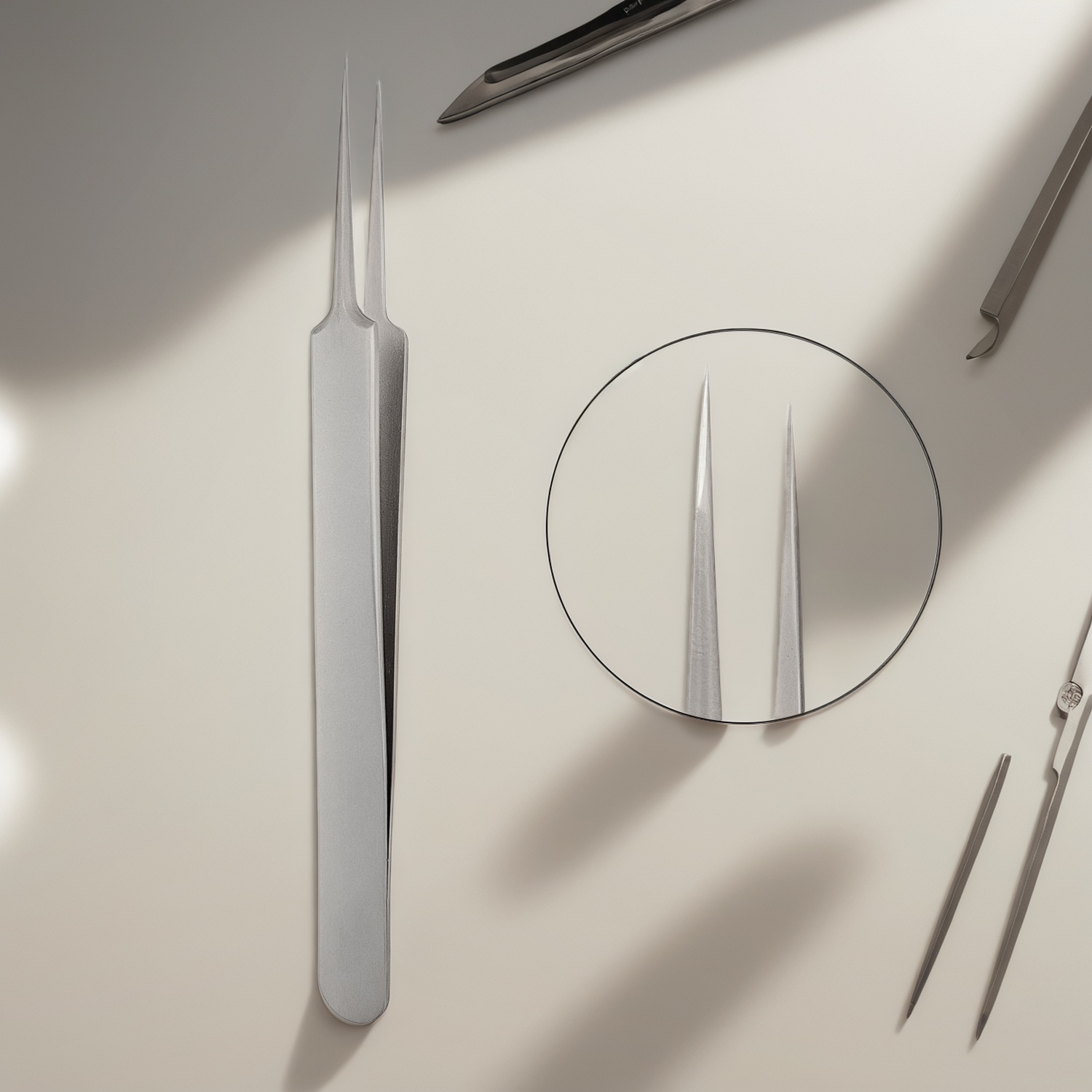
Why China Is a Major Source for Tweezers
China stands out in the international tweezers trade because of scale and variety. Buyers can find standard eyebrow tweezers, slant-tip designs, pointed-tip tools, flat-tip tweezers and specialty shapes for different grooming or beauty applications. The same sourcing market can often support basic retail programs, professional salon assortments and private-label beauty tool ranges.
Compared with sourcing from smaller manufacturing regions, China can offer a broader choice of processes and finishes. This does not mean every supplier produces the same level of quality. It means buyers have more room to define exactly what they want and then identify a manufacturing partner able to meet those requirements. A strong sourcing result depends on clear specifications and consistent inspection, not simply choosing the lowest quoted price.
Olimor Beauty focuses on beauty tools where performance and appearance both matter. Buyers comparing beauty tool products should consider not only the unit cost, but also how a product will perform after repeated use, how it will look on the shelf and whether it matches the positioning of the target market.
Define the Tweezer Type Before Requesting a Quote
A common sourcing mistake is asking for “tweezers” without defining the exact application. The right design depends on the user and sales channel. A brow stylist may need a slant tip with dependable grip and controlled tension. A consumer kit may require an easy-to-use tool with rounded comfort edges. A precision application may need a sharper pointed end, but that same design may not be ideal for every retail audience.
Before comparing suppliers, create a product brief that answers the following questions:
- Intended use: eyebrow shaping, general grooming, lash-related use, kit inclusion or professional salon work.
- Tip style: slant, pointed, flat or other shape suitable for the application.
- Grip performance: how firmly the tips should meet and how small a hair or object the tool should hold.
- User comfort: preferred body width, tension, edge smoothness and anti-slip handling needs.
- Finish and appearance: polished, matte, coated or other finish direction, without assuming all finishes perform equally.
- Packaging plan: bulk, pouch, retail card, box or kit-ready presentation.
- Brand positioning: entry-level retail, salon-grade, premium gift set or distributor assortment.
This brief makes quotation comparison more meaningful. If one offer is cheaper because it uses a lighter body, looser tip control or simpler finishing, the buyer can identify that difference before committing to a purchase.
Quality Points That Matter Most in Tweezers
Tweezers are small tools, but the quality details are easy to feel. If the tips do not meet evenly, hair slips. If the tension is too stiff, the hand becomes tired. If the edges are rough, the product feels unfinished. These issues can cause returns, poor reviews and reduced confidence from distributors.
When evaluating samples, buyers should inspect the following points carefully:
- Tip alignment: The two tips should meet cleanly and consistently. For slant tweezers, the full gripping edge should contact evenly rather than touching only at one corner.
- Closing tension: The tweezer should close with controlled pressure. Too loose can reduce grip; too tight can make repeated use uncomfortable.
- Edge finishing: Outer edges should feel smooth enough for safe handling. Harsh edges or uneven polishing are signs that finishing control may be weak.
- Surface consistency: Look for scratches, stains, coating defects, color variation or visible polishing marks that would affect retail presentation.
- Symmetry and straightness: The arms should be even, with no obvious twisting or imbalance when viewed from the front and side.
- Grip test: Test the tool on fine hair or a suitable test material to confirm holding ability, not just appearance.
- Packaging fit: The product should sit securely in its package without movement that can damage the tips during transport.
These checks are useful for both initial samples and pre-shipment inspection. A buyer does not need to disclose unrealistic technical standards, but should define practical acceptance criteria that connect directly to end-user experience.
How to Compare Suppliers Beyond Unit Price
Unit price is important, especially for wholesalers and retailers managing margin. However, the lowest price can become expensive if it leads to inconsistent batches, damaged packaging, weak grip performance or a product that does not match the brand promise. A quality-first supplier evaluation should include communication, sampling discipline and process consistency.
The table below can help organize supplier comparison before placing an order:
| Evaluation Area | What to Check | Why It Matters |
|---|---|---|
| Product understanding | Does the supplier discuss tip style, tension, finish and use case? | Shows whether the quotation is based on your actual product need. |
| Sample consistency | Are multiple samples similar in alignment, finish and feel? | One good sample is not enough if bulk production varies. |
| Inspection method | Are functional checks included, not just visual checks? | Tweezers must grip well, not only look acceptable. |
| Packaging control | Is the packaging suitable for storage, shipping and retail handling? | Tip damage and poor presentation can reduce sell-through. |
| Communication clarity | Are specifications, artwork notes and order details confirmed clearly? | Reduces errors during production and packing. |
Buyers can also review related product collections to understand how different beauty tools may fit together in a broader retail or distributor program. Coordinating tweezers with other grooming tools can improve assortment planning, but each item still needs its own performance criteria.
Material and Finish Considerations for Import Buyers
The original quality of a tweezer begins with material selection and continues through forming, grinding, polishing and finishing. Stainless steel is commonly used for beauty tweezers because it can support durability and a clean appearance, but buyers should avoid assuming that the phrase “stainless steel” alone defines the final quality. The performance still depends on the manufacturing process and inspection standard.
Finish selection should match the product’s intended market. A polished tweezer can look classic and clean, while matte or coated finishes may support a different visual identity. However, finish should never be chosen only for appearance. Buyers should consider whether the surface is comfortable to hold, whether the finish is consistent across the batch and whether the packaging protects the surface during transit.
For branded retail programs, artwork placement and packaging materials also matter. A tweezer may be small, but its packaging communicates quality before the customer ever opens it. Clear product naming, accurate usage notes and protective design can all support a stronger buying experience.
Practical Steps for a Quality-First Import Process
A structured process helps reduce sourcing risk. Instead of moving directly from quotation to bulk order, professional buyers often follow a staged review:
- Prepare a specification brief covering shape, use case, finish, packaging and quality expectations.
- Request representative samples and evaluate more than one piece for consistency.
- Test the function using realistic grooming or grip scenarios rather than relying only on visual inspection.
- Confirm packaging details including protection for the tips, barcode needs, labeling and carton requirements where applicable.
- Approve a reference sample so both sides have a clear standard for production comparison.
- Plan inspection points for alignment, finish, cleanliness, packaging and quantity before shipment.
- Keep records of approved specifications, artwork files and quality notes for repeat orders.
This process is especially useful for buyers who plan to reorder. The goal is not only to receive one acceptable shipment, but to build a repeatable sourcing standard that protects brand consistency over time.
Working with Olimor Beauty on Tweezer Sourcing
Olimor Beauty understands that import buyers need reliable beauty tools that can meet their market’s expectations. For tweezers, this means paying attention to the small details that influence daily use: tip contact, hand feel, finish quality and packaging protection. A quality-first approach supports salons, retailers and distributors that want dependable products rather than generic tools chosen only by cost.
If you are comparing options to import tweezers from China, prepare your target product details and review the key quality points before making a final decision. You can send an inquiry with your product requirements or contact Olimor to discuss beauty tool sourcing needs. Clear information at the beginning helps align samples, packaging and production expectations, making the import process more efficient and more controlled.
China offers strong advantages as a tweezers global supplier, but the best sourcing results come from careful selection. By focusing on function, finish, consistency and communication, buyers can build a tweezer program that supports their brand and serves end users with tools that feel precise from the first use.
Tag: