

Import Tweezers from China: Practical Sourcing Guide for Beauty Buyers
Importing tweezers from China can be a sensible sourcing decision for beauty retailers, distributors, salon suppliers and online sellers that need a steady supply of precision grooming tools. Tweezers are small, lightweight and easy to add to a beauty tool range, but they are not simple commodities. Tip alignment, grip comfort, finishing, packaging and inspection standards all affect how customers experience the product.
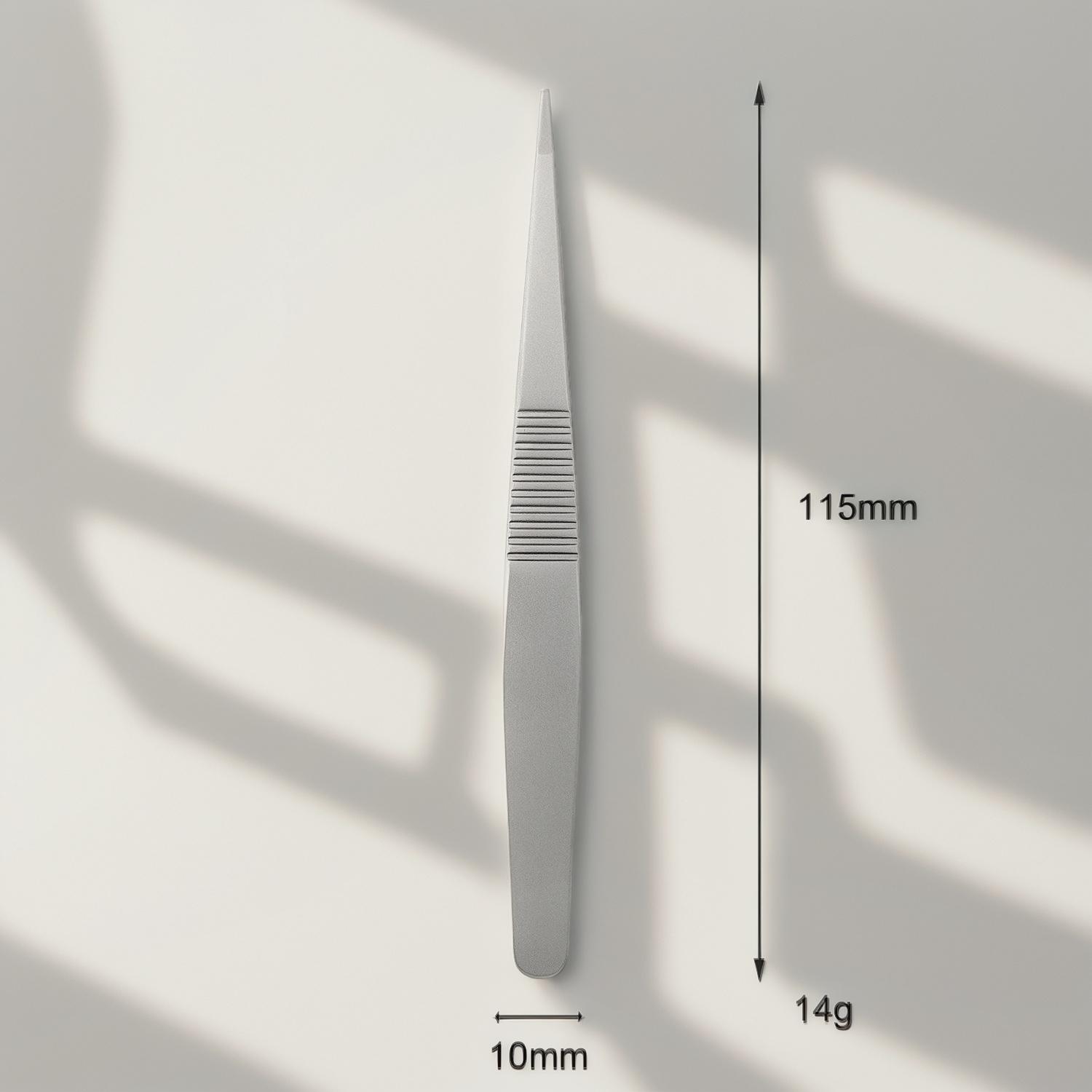
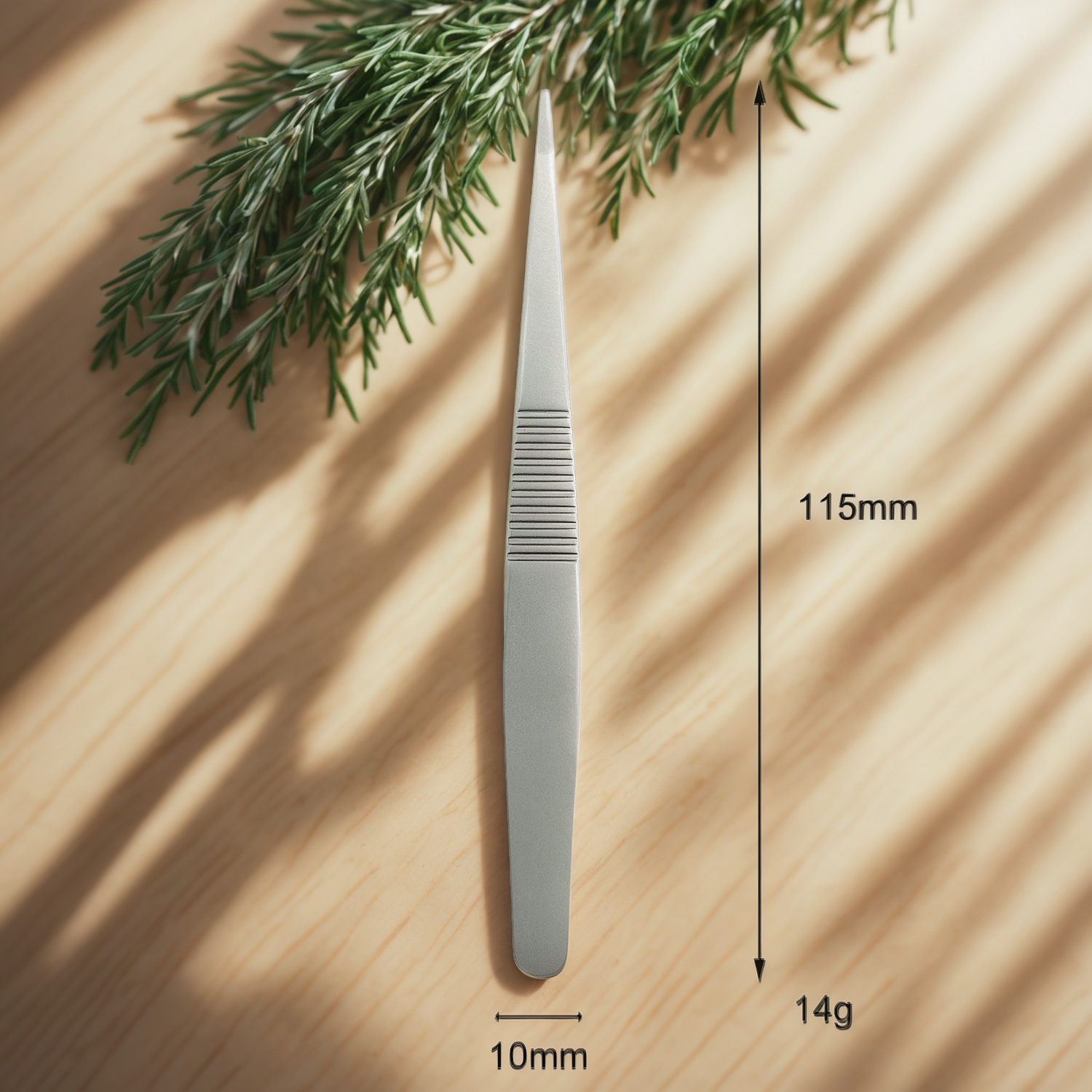
For buyers comparing a tweezers global supplier, the goal is not only to find a low unit cost. The better approach is to define the exact use case, confirm the product details, understand export documentation and build a repeatable quality control process before placing larger orders. Olimor Beauty offers precision-engineered tweezers with details such as stainless steel construction, anti-slip grips, ergonomic design, slanted tips, a 115mm length and a 14g weight. Those details give buyers a useful starting point for evaluating whether a tweezer fits their product line.
Why Tweezers Require Careful Sourcing
Tweezers look simple, but small variations can create big differences in usability. A pair with poorly matched tips may miss fine hairs. A rough edge can feel uncomfortable against the skin. A weak spring tension can reduce control, while excessive stiffness can make the product tiring to use. For beauty buyers, these issues can lead to returns, negative reviews or inconsistent customer feedback.
When you import tweezers from China, you should treat the product as a precision beauty tool rather than a generic accessory. The most important evaluation points include material feel, tip shape, closing alignment, grip texture, surface finish and packaging protection. If the tweezers will be sold online, product images and descriptions also need to match the delivered goods closely, because customers will compare the received item with the listing.
For broader assortment planning, buyers can compare tweezers with other beauty tool products to decide whether the item should be sold individually, bundled with grooming tools or included in a travel-friendly beauty set.
Core Product Details to Confirm Before Ordering
A strong sourcing brief makes communication with a supplier clearer and reduces the risk of receiving a product that does not match your sales channel. Olimor Beauty's tweezers are described with several practical features: stainless steel material, anti-slip grips, an ergonomic design, slanted tips, 115mm length and 14g weight. These specifications are relevant because they influence both handling and positioning.
- Material: Stainless steel is widely used for tweezers because it supports durability and is suitable for repeated handling. Buyers should still confirm the finish, edge smoothness and cleaning recommendations.
- Tip shape: Slanted tips are popular for eyebrow grooming and general beauty use because they provide visibility and control when grasping individual hairs.
- Grip design: Anti-slip grips help users maintain control, especially when working near the brow line or handling small items.
- Ergonomics: A comfortable body shape matters for salon users and frequent personal-care customers.
- Size and weight: A 115mm length and 14g weight give the tool a compact, manageable feel, but buyers should compare this with their target user expectations.
- Maintenance: Easy maintenance features can help customers keep the tool clean and usable for longer.
Do not rely only on a product name. A proper purchase specification should describe the tweezer shape, finish, length, weight, packaging style, labeling requirements and acceptable visual standards. This is especially important for buyers planning repeat orders.
How to Evaluate a Tweezers Global Supplier
Supplier selection should combine product review, communication quality and export readiness. A reliable partner should be able to explain how the product is made, inspected and packed. The original product information notes that Olimor Beauty conducts inspections from raw materials to final packaging, which is an important quality assurance practice for precision tools.
When comparing suppliers, focus on evidence and process rather than broad promises. You can use the following checklist during your evaluation:
- Product consistency: Review whether samples from different production batches maintain similar tip alignment, tension and finish.
- Inspection process: Check how the supplier examines raw materials, semi-finished goods and final packaged items.
- Packaging protection: Confirm that the tips are protected during shipping so the tweezer points do not bend or scratch.
- Export experience: Confirm that the supplier can prepare commercial invoices, packing lists and other standard shipping documents required for customs clearance.
- Communication clarity: A supplier should respond clearly about specifications, lead times, packaging options and quality criteria.
- Sample approval: Keep an approved sample or documented reference so the bulk order can be compared against it.
If your business needs to compare categories or build a multi-item beauty assortment, the product collections page can help you review related options before finalizing a sourcing plan.
Import Documentation and Customs Preparation
International tweezers trade requires more than selecting a product and arranging shipment. Importers should prepare for tariffs, import duties, destination-country regulations and customs documentation. Requirements vary by market, so it is important to check the rules that apply to your country before confirming the final landed cost.
Typical documents may include a commercial invoice, packing list, shipping document and certificate of origin when required. Depending on the destination and sales channel, you may also need product descriptions, material declarations, barcode information or packaging details. Keeping product descriptions consistent across supplier documents, customs paperwork and your internal purchasing system can reduce confusion during clearance.
Landed cost should include the product cost, packaging cost if separate, inland transport, international freight, insurance when used, customs duties, taxes, customs broker charges and destination delivery. Because tweezers are light, freight cost per unit can be favorable when packed efficiently, but poor packaging can still cause damage. Buyers should balance carton efficiency with tip protection.
Quality Inspection Points for Precision Tweezers
Inspection should happen before the goods are shipped whenever possible. For tweezers, the most important checks are not complicated, but they require attention. A buyer or inspection partner should compare the finished goods against the approved sample, packaging artwork and purchase specifications.
| Inspection area | What to check | Why it matters |
|---|---|---|
| Tip alignment | Tips meet evenly when closed | Improves grip on fine hairs and small objects |
| Surface finish | No sharp burrs, rough edges or visible defects | Protects user comfort and product appearance |
| Grip area | Anti-slip texture is clean and consistent | Supports control during eyebrow grooming |
| Body tension | Opens and closes smoothly | Affects comfort and precision |
| Dimensions and weight | Match the approved specification, such as 115mm and 14g when applicable | Maintains consistency across repeat orders |
| Packaging | Correct labeling, clean presentation and protected tips | Reduces transit damage and supports retail readiness |
Inspection criteria should be written before production begins. For example, define whether minor cosmetic marks are acceptable, how many units will be checked and what defects require rework or replacement. Clear inspection standards make it easier for both buyer and supplier to resolve issues quickly.
Packaging, Branding and Retail Presentation
Tweezers are often purchased as small beauty essentials, so packaging has a direct impact on perceived value. A simple protective sleeve may be enough for some channels, while retail stores may need hang cards, boxes or other display-friendly formats. E-commerce sellers should consider how the item will look in product photography and whether the packaging can withstand parcel delivery.
When preparing packaging, check the basics: product name, material description, country-of-origin marking where required, barcode needs, care instructions and any required importer details for the destination market. If you are sourcing for private label or a custom retail program, confirm artwork dimensions and printing requirements early. Even a well-made tweezer can create customer complaints if the packaging arrives crushed, mislabeled or inconsistent with the listing.
It is also useful to decide whether tweezers will be sold as a standalone item or as part of a grooming kit. Standalone products need stronger individual packaging and clearer feature descriptions. Bundled products need consistent design language and secure placement inside the set.
Building a Repeatable Import Process
A smooth first shipment is valuable, but repeatability is what makes importing profitable. Keep records of approved samples, quotations, packaging files, inspection reports, shipment documents and customer feedback. Over time, this information helps you refine reorder quantities, improve packaging and identify whether the product should be adjusted for a particular market.
For new buyers, starting with a carefully reviewed order can reduce risk. After receiving the shipment, inspect a reasonable number of units again, compare them with the pre-shipment findings and monitor customer feedback. If users comment positively on tip precision, grip comfort or easy maintenance, those points can be emphasized in future product listings. If they mention packaging damage or inconsistent tension, the next purchase order should address those issues directly.
Businesses that are ready to discuss specifications, packaging expectations or sourcing plans can send an inquiry. If you need guidance on matching tweezers with other beauty tools for your market, you can also contact Olimor for product communication.
Final Buying Advice
To import tweezers from China successfully, define the product clearly, evaluate supplier processes, prepare customs documents and inspect the goods against practical standards. Details such as stainless steel construction, slanted tips, anti-slip grip, ergonomic handling, 115mm length and 14g weight can help buyers judge whether a tweezer is suitable for eyebrow grooming, salon retail, travel sets or online beauty assortments.
The best sourcing decisions come from matching product details to the customer experience. A precision tweezer should feel controlled in the hand, close cleanly at the tip, arrive undamaged and be easy for the customer to understand from the packaging or online listing. With a structured checklist and a quality-focused supplier conversation, tweezers export from China can become a reliable part of a beauty tool purchasing strategy.
Tag: