

Import Tweezers from China: A Practical Sourcing Guide for Beauty Tool Buyers
For beauty brands, distributors, salons and private-label buyers, choosing to import tweezers from China can be a smart sourcing decision when the process is managed carefully. China has a broad manufacturing base for beauty and precision tools, giving buyers access to many supplier types, product styles and packaging options. The opportunity is real, but so is the need for clear selection standards.
Tweezers look simple, yet small differences in alignment, tip finishing, tension and surface treatment can change the user experience dramatically. A tweezer that appears acceptable in a catalogue may fail in daily use if the tips do not meet evenly or the grip tension is inconsistent. For brands, these details affect reviews, repeat orders and customer trust.
This guide focuses on practical sourcing decisions for buyers evaluating tweezers export from China, including how to compare suppliers, what to check before ordering, and how to reduce risk in international tweezers trade without relying on guesswork.
Why China Remains a Major Source for Tweezers
China’s position in beauty tool manufacturing is supported by a dense supply chain for metal forming, finishing, polishing, packaging and export handling. For buyers, this can make sourcing more efficient because many processes needed for a finished tweezer product are available within the same manufacturing ecosystem.
However, a large supply base also means wide variation. Some factories focus on high-volume, low-cost output, while others are more suitable for professional beauty tools where consistency and finishing matter. When importing tweezers, the goal should not be to find the lowest unit price first. It should be to identify a supplier whose manufacturing habits match your product promise.
Olimor Beauty focuses on beauty tools and emphasizes ergonomic design and high-grade stainless steel, two factors that are especially relevant for tweezers used in grooming and detailed beauty work. Buyers reviewing beauty tool products should compare not only shape and appearance, but also how each tool is expected to perform after repeated use.
Define the Type of Tweezer Your Market Actually Needs
Before contacting a tweezers global supplier, clarify the intended use. Eyebrow grooming, lash application, facial hair removal and detail work can require different tip shapes and hand feel. A buyer serving retail consumers may prioritize a comfortable grip and attractive packaging, while a professional channel may care more about tip precision, tension and durability.
Common sourcing decisions include:
- Tip shape: Slant tips are widely used for eyebrow grooming, while pointed or fine tips may suit more detailed work.
- Grip tension: A tweezer should close smoothly without feeling too stiff or too loose.
- Tip alignment: The two tips should meet evenly. Poor alignment leads to slipping, broken hairs or user frustration.
- Surface finish: Polishing, coating or texture should support both appearance and secure handling.
- Packaging format: Retail cards, pouches or boxes should protect the tips during transport and fit the sales channel.
- Brand positioning: A budget retail item and a professional beauty tool require different acceptance standards.
Clear product intent prevents vague sampling. Instead of asking for “good tweezers,” buyers can evaluate whether the supplier understands the required use case and can keep the result consistent.
How to Evaluate a Tweezers Global Supplier
Finding the right supplier is not only about catalogue size. A reliable partner should be able to explain how the tweezer is made, inspected and packed. Inconsistent suppliers may offer attractive photos but have limited control over alignment, surface finishing or batch-to-batch variation.
When comparing suppliers, review both technical and communication factors. Strong communication is especially important in international trade, where misunderstandings about samples, tolerances, packaging or deadlines can lead to costly corrections.
| Evaluation Area | What to Check | Why It Matters |
|---|---|---|
| Product specialization | Experience with beauty or precision tools rather than unrelated general goods | Specialized suppliers are more likely to understand tip alignment, hand feel and finishing requirements |
| Material approach | Use of suitable stainless steel and clear material communication | Material choice affects corrosion resistance, strength and long-term usability |
| Inspection process | Checks from raw material to final packaging | Reduces the risk of defects reaching the buyer or end user |
| Sample consistency | Whether production can match approved samples | Samples are only useful if they reflect mass production quality |
| Packaging control | Tip protection, labeling accuracy and carton condition | Prevents damage during export handling and supports retail presentation |
If you are building a broader beauty tool range, reviewing product collections can also help identify whether a supplier’s design style and product categories fit your brand direction.
Quality Details That Make or Break a Tweezer
Tweezers are judged at the point of use. A customer may not know the manufacturing process, but they immediately notice whether the tool grips hair cleanly, feels balanced and keeps its shape. For that reason, buyers should set practical quality checkpoints before approving an order.
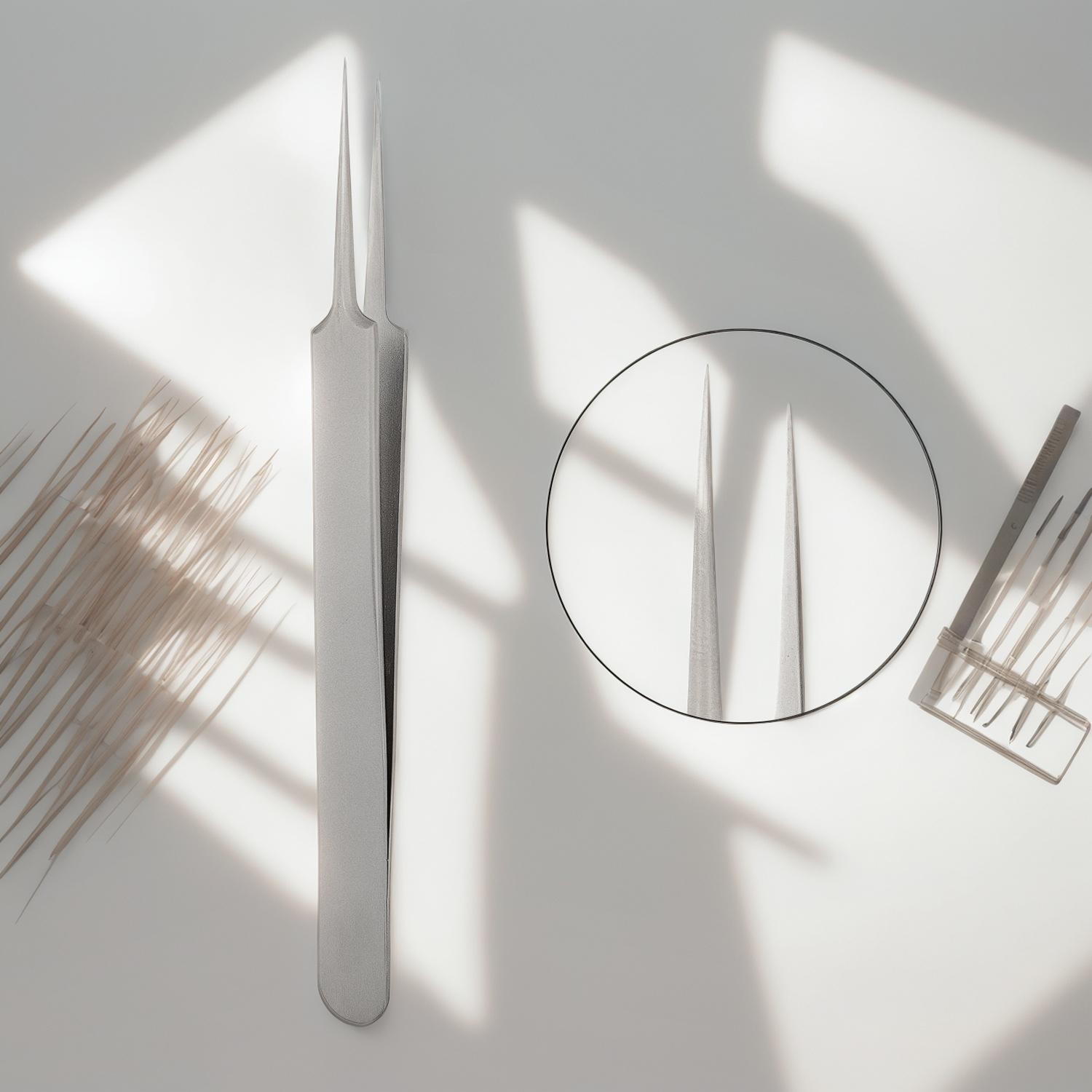
Tip contact is the most important feature. The two arms should close evenly along the gripping area, not just touch at one corner. If the tips are too blunt, too sharp, uneven or misaligned, the tweezer may pinch skin or fail to grip fine hair. For beauty applications, a smooth closing action is also important because users often work close to sensitive skin.
Grip tension should be evaluated by hand, not only by visual inspection. Excessive tension can cause fatigue, while weak tension can reduce control. Buyers should test several samples rather than relying on one perfect piece. This helps reveal whether the supplier’s process is stable.
Surface finishing deserves attention as well. Rough edges, uneven coatings or visible polishing marks can make a product feel unfinished. For retail channels, appearance affects perceived value; for professional use, clean finishing supports comfort and confidence.
Sampling and Approval: What Buyers Should Confirm
Sampling is where many sourcing problems can be prevented. A sample should be treated as a reference standard, not just a first look. Once approved, it should define the expected material feel, tip shape, tension, finish, marking and packaging.
A useful pre-order approval process can include the following steps:
- Confirm the intended use: Identify whether the tweezer is for eyebrow grooming, lash work, facial hair removal or another application.
- Review physical samples: Check multiple pieces for alignment, tension, finish and comfort.
- Document the approved standard: Keep photos and written notes about the accepted sample and packaging.
- Clarify packaging requirements: Include inserts, protective sleeves, cartons or barcode placement if relevant.
- Set inspection priorities: Decide which defects are unacceptable, such as misaligned tips, rough edges or damaged packaging.
This approach helps both buyer and supplier work from the same expectations. It is particularly important when importing from overseas because correcting misunderstandings after shipment is much harder than resolving them before production.
Navigating International Tweezers Trade with Less Risk
International tweezers trade involves more than manufacturing. Buyers also need to manage documentation, lead-time communication, packaging durability and shipping conditions. While the exact requirements vary by destination and order structure, a disciplined sourcing process helps reduce avoidable problems.
Start by making product specifications simple and specific. Instead of broad descriptions, use clear language for the tweezer type, finish, packaging and inspection focus. If branding or retail packaging is required, artwork files and placement instructions should be checked carefully before production.
Export packaging should protect the tips. Tweezers can lose value quickly if their tips are bent, chipped or exposed during transport. Even a well-made tool can disappoint customers if the final packaging allows movement or damage inside the carton.
Communication cadence matters too. Buyers should confirm key stages such as sample approval, production preparation, packaging confirmation and shipment readiness. A quality-focused supplier helps reduce risk by maintaining internal controls from raw materials through final packaging.
When a Quality-Focused Supplier Is Worth More Than the Lowest Quote
Low initial pricing can be tempting, especially for competitive retail categories. But with tweezers, the hidden cost of poor quality may be higher than the savings. Returns, negative reviews, inconsistent reorders and brand damage can all result from weak alignment, uncomfortable tension or unreliable finishing.
A dedicated beauty tool supplier can provide better value when the product needs to support a professional or brand-led positioning. Olimor Beauty’s focus on ergonomic design and stainless steel beauty tools is relevant for buyers who want tweezers that feel reliable in use, not just acceptable in photos.
The best sourcing choice depends on your market. If the product is a short-term promotional item, the acceptable standard may be different from a tweezer sold as part of a long-term beauty tool line. Either way, the buyer should define the standard before negotiating price.
Buyer Checklist Before Importing Tweezers from China
Before placing an order, use a concise checklist to keep the sourcing decision practical:
- Is the tweezer type matched to the target user and sales channel?
- Do the tips meet evenly and grip fine hair without slipping?
- Is the grip tension comfortable across multiple samples?
- Are the edges, coating and finish smooth and consistent?
- Does the packaging protect the tips during handling and export shipping?
- Are sample approvals documented with photos and written notes?
- Are inspection priorities clear before production begins?
- Does the supplier communicate clearly about product details, packaging and trade steps?
Buyers planning a new tweezer order or comparing beauty tool sourcing options can contact Olimor for product discussion or send an inquiry with their intended use, packaging needs and target market. A clear brief helps the supplier recommend a practical direction and helps the buyer evaluate samples with confidence.
Building a Stronger Sourcing Strategy
Importing tweezers from China is most successful when buyers treat the product as a precision beauty tool rather than a simple metal accessory. The right sourcing strategy combines product definition, supplier evaluation, sample control and export packaging review.
China offers broad manufacturing options, but the strongest result comes from selecting a supplier aligned with your quality expectations. By focusing on tip precision, comfort, material communication and inspection discipline, buyers can source tweezers that support customer satisfaction and protect brand reputation in competitive beauty markets.
Tag: