

Importing Nail Clippers from China: Quality, Compliance and Logistics Checklist
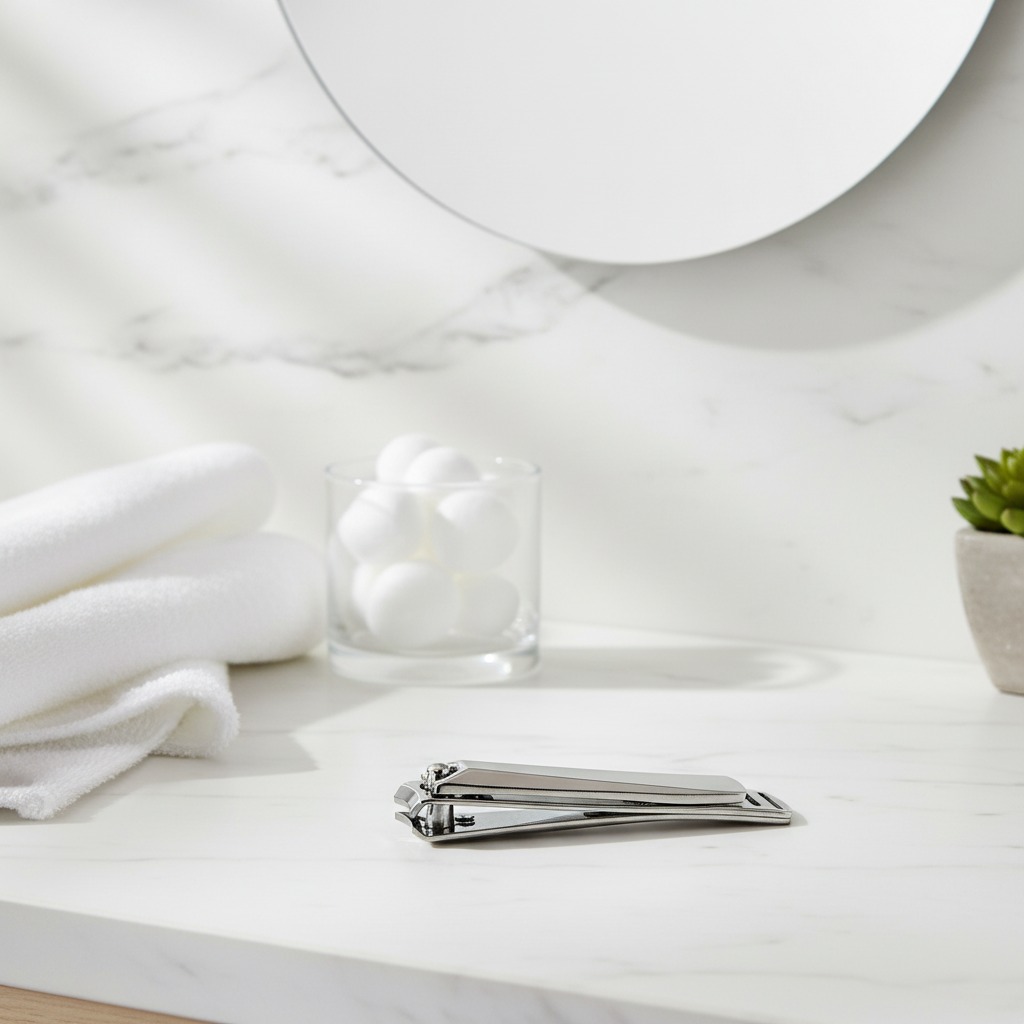
Importing nail clippers from China works best when buyers treat the product as a small precision grooming tool, not a commodity item. The right supplier should deliver a stainless steel clipper that cuts cleanly, feels comfortable in hand, resists moisture in normal storage, and arrives in packaging that fits the sales channel.
This guide is for beauty retailers, grooming brands, promotional buyers, hotel amenity programs, travel kit suppliers, and distributors who want a repeatable sourcing process. It focuses on product specifications, sample checks, supplier evaluation, packaging, compliance, and logistics cost factors. If you are building a broader assortment, you can browse related beauty tools or compare grooming assortments to see where nail clippers fit in the range.
Start with the nail clipper you actually want to import
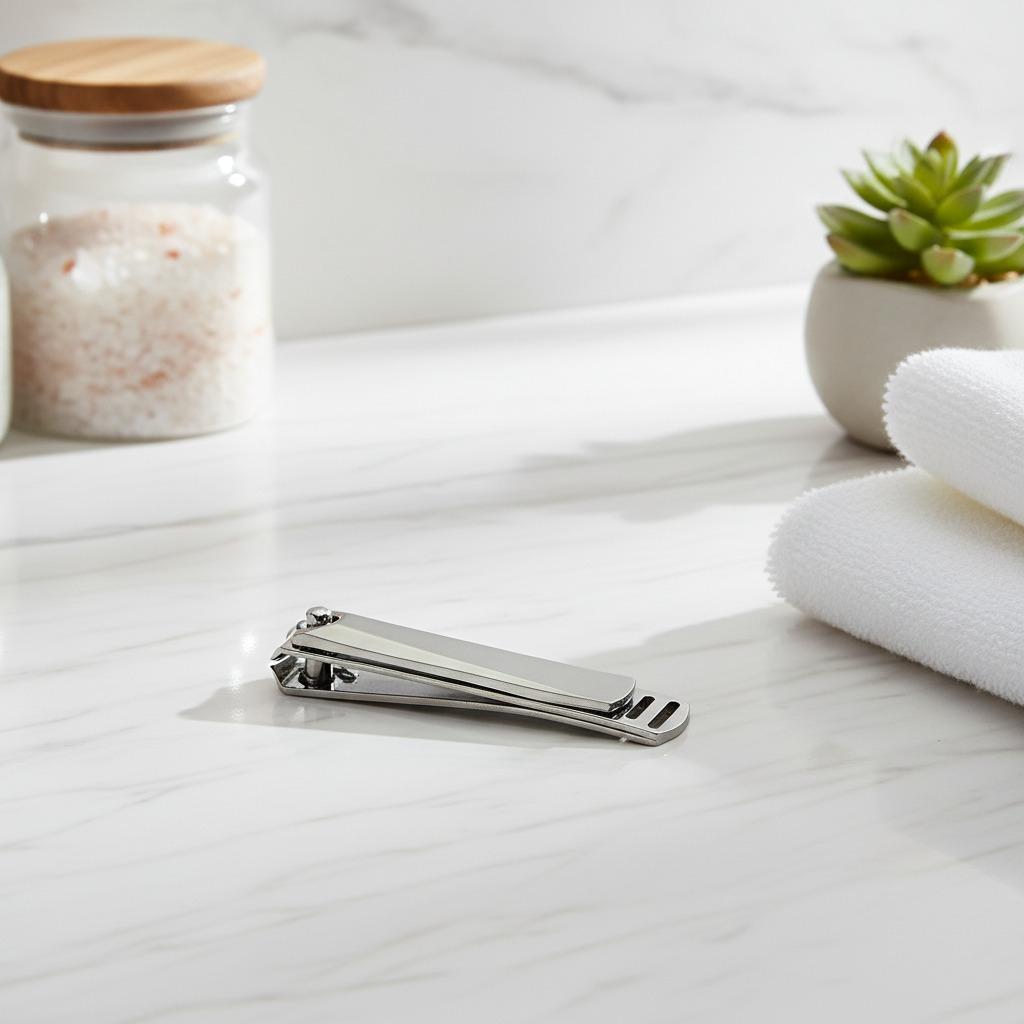
Before requesting quotations, define the product clearly. Nail clippers vary by size, weight, surface finish, cutting curve, lever tension, and whether they include an integrated file. The supplied product information describes a stainless steel nail clipper with an ergonomic form, precise cutting edges, a firm grip, and a streamlined profile. It also describes a compact version around 70 mm long and roughly 30 g in weight, which is useful as a baseline for travel kits, home grooming, and personal care sets.
A written specification sheet makes supplier comparisons much easier. It should cover:
- Material description, such as stainless steel
- Surface finish requirements, including satin or matte appearance if relevant
- Overall size and any acceptable tolerance range
- Blade shape, jaw alignment, and expected cutting behavior
- Lever action, pivot stability, and opening feel
- Whether an integrated nail file is required
- Packaging format, label content, carton marks, and barcode needs
- Inspection method and acceptable defect limits before shipment
When this is set in writing early, quotations become easier to compare because each supplier is answering the same brief instead of offering a different product under the same name.
How to judge product quality
Material and finish
Stainless steel is a practical material for nail clippers because it supports strength, clean appearance, and resistance to moisture in normal grooming use. But the words “stainless steel” alone do not guarantee a good result. Buyers should inspect how the material is formed, polished, and assembled.
Surface finish is one of the first visible signals of quality. The supplied product information references a smooth satin finish on the lever and a matte finish that supports grip. Those finishes can improve hand feel and reduce fingerprints, but the finish should be even across the body, lever, and edges. Watch for burrs, uneven polishing, cloudy plating, stains, or discoloration near the hinge. These details often reveal whether the product feels dependable or disposable.
Corrosion resistance also matters. Nail clippers may sit in bathrooms, travel bags, manicure kits, or retail display areas where humidity varies. A buyer should look for clean storage behavior, protective packaging that does not trap moisture, and sample units that remain presentable after handling. Do not assume corrosion performance from appearance alone; verify by review and supplier documentation.
Cutting performance and hand feel
The cutting edge is the core of the product. A nail clipper can look attractive and still fail if the jaws do not meet correctly or if the lever requires too much force. Buyers should test more than one sample, because consistency across units is often more important than a single good piece.
When checking cutting performance, focus on these practical points:
- Jaw alignment: the upper and lower cutting edges should meet evenly without visible gaps or twist.
- Sharpness: the clipper should cut cleanly rather than crush, bend, or tear the nail edge.
- Lever pressure: the user should not need excessive force, especially on a compact clipper.
- Spring-back feel: the lever should return smoothly without feeling loose or gritty.
- Edge safety: non-cutting edges should feel smooth enough for normal handling and storage.
- File usability: if an integrated nail file is included, it should be secure and easy to access.
Ergonomics matter even for a small tool. A firm grip and a compact profile help the user control the cut and reduce slipping. The 70 mm, 30 g style described in the source material is well suited to personal bathroom use, travel pouches, men’s grooming sets, handbag accessories, and branded self-care assortments. Buyers who want stronger leverage or a more premium feel may prefer a different shape, so the intended user should be defined before the order is placed.
Supplier fit: what a good China supplier should explain
The best nail clipper supplier is not necessarily the cheapest. A strong partner should be able to explain the product clearly, support sample development, keep the quotation consistent with the actual item, and communicate export requirements without confusion.
Look for answers to questions such as:
- Can the supplier provide pre-production samples that match the quoted material, size, finish, and packaging?
- What inspection steps are used for blade alignment, surface finish, and lever operation?
- How are clippers protected from moisture, scratches, and deformation during transport?
- Can the quotation separate product cost, packaging cost, and freight-related charges?
- What happens if defects are found before shipment?
- Which parts are standard and which parts can be customized?
Be cautious with vague quotes that only say “stainless steel nail clipper.” If the supplier does not confirm size, finish, packaging, and inspection expectations, later comparisons become unreliable. For a beauty-tool-focused sourcing discussion, speak with Olimor and share a simple specification sheet, or request a sample conversation if you already know your target use case.
Sample review checklist before you confirm an order
Samples are essential when importing nail clippers from China. A product can look acceptable in a catalog image yet fail in daily use if the blades are misaligned, the lever feels unstable, or the finish has sharp edges. Review samples under bright light and test more than one piece if possible.
| Inspection point | What to check | Why it matters |
|---|---|---|
| Blade alignment | Cutting edges meet evenly without visible gaps, overlap, or twist | Poor alignment can crush or tear the nail instead of cutting cleanly |
| Sharpness | Compare several units and test cut quality on appropriate sample material | Sharpness affects user satisfaction and repeat purchasing |
| Lever action | Open and close the clipper repeatedly to feel tension and stability | A loose or stiff lever makes the tool feel low quality |
| Surface finish | Check for scratches, burrs, stains, rust marks, and uneven polishing | Visible defects reduce retail appeal and may create safety concerns |
| Grip comfort | Hold the clipper as a consumer would and test different finger positions | Comfort matters for both personal and professional grooming use |
| Packaging fit | Confirm the clipper does not rattle, scratch, or shift during handling | Packaging protects the finish and supports shelf presentation |
Keep one approved sample sealed and labeled as the reference for production comparison. That sample is useful when you inspect repeat orders, random shipment samples, or product variations such as different finishes or retail packs.
Packaging, labeling, and logistics cost factors
Packaging does more than present the product. It protects the cutting edge, keeps the finish clean, and affects how efficiently cartons move through storage and international transport. Because nail clippers are small metal tools, they can scratch each other if they are packed loosely. Packaging should reduce movement, protect from moisture, and match the channel where the product will be sold.
Common packaging choices include individual retail boxes, blister cards, pouches, or bulk packing for kit assembly. The right choice depends on the sales plan. Retail display usually needs stronger presentation, while hotel amenities or promotional kits may prioritize simple, compact packing. Packaging decisions also influence total landed cost because material use, labor, carton design, and shipping volume all change with the pack format.
When reviewing logistics, buyers should think beyond freight price alone. Cost factors typically include:
- Product construction and finish level
- Packaging material and protective inserts
- Artwork setup, barcode placement, and labeling work
- Inspection and sampling steps before shipment
- Carton strength and moisture protection during transport
- Freight mode and the way small items are consolidated
Small changes in packaging can matter a lot for a compact tool. A better box or insert may reduce damage and returns, even if it raises unit cost slightly.
Choose the right clipper for the sales channel
Different buyers need different versions of the same basic tool. The table below helps compare product-fit choices in a practical way.
| Sales channel | What matters most | What to ask the supplier |
|---|---|---|
| Travel kits | Compact size, low weight, secure packaging, integrated file if desired | Can the clipper fit a small kit without damaging other items? |
| Retail shelves | Finish consistency, presentation, barcode and label placement | What packaging options support shelf appeal and easy scanning? |
| Salon and grooming assortments | Cutting performance, grip comfort, repeatable quality | How are blade alignment and lever action controlled in production? |
| Hotel amenity packs | Compact packing, clean appearance, practical durability | Can the clipper be supplied in a format suitable for guest kits? |
| Promotional sets | Branding space, packaging flexibility, dependable visual quality | Which parts of the product and pack can be customized? |
This kind of comparison helps buyers avoid a common mistake: approving a nail clipper that is technically acceptable but wrong for the way it will actually be sold.
Compliance and import documentation
Nail clippers are everyday grooming tools, but import requirements still vary by country. Buyers should confirm customs classification, country-of-origin marking, packaging labels, and any retailer-specific rules in the destination market. Avoid unsupported performance, medical, or material claims on packaging.
Typical documents may include a commercial invoice, packing list, bill of lading or air waybill, origin details, and carton marks. Depending on the market, you may also need importer information, barcode placement, recycling symbols, or language requirements on retail packaging.
If your market has specific import or labeling rules, verify them with the relevant public body before production starts. That may include your local customs authority, and in some cases U.S. Customs and Border Protection or the relevant consumer-safety regulator for the destination market. Always check the applicable version of the rule or standard, and keep supplier documentation on file to support the shipment.
What to ask about samples, MOQ, customization, quality checks, and lead time
Buyers often want the same practical answers before they place an order. The safest approach is to ask for them in writing and tie them to the approved specification sheet.
- Samples: Ask whether pre-production samples are available and whether they match the quoted material, finish, and packaging.
- MOQ: Minimum order quantity varies by supplier, packaging format, and customization. Confirm it before requesting final pricing.
- Customization: Ask what can be changed on size, finish, branding, file design, labels, and retail pack style.
- Quality checks: Confirm the supplier’s checks for blade alignment, lever action, finish defects, and packaging protection.
- Lead time: Production timing depends on sample approval, order complexity, and the factory schedule. Ask for a written timeline tied to your order details.
How Olimor can support your sourcing process
Olimor Beauty focuses on beauty tools and grooming accessories, which makes it easier to discuss nail clippers in the context of a full product assortment. If you already know your target finish, pack style, and end use, a short inquiry is usually the most efficient next step. If you are still deciding how the clipper should fit into your range, the product and collection pages can help you shape the broader assortment before you finalize the spec.
For a clear sourcing conversation, send an inquiry with your product brief, or contact Olimor directly if you need help aligning the clipper with a travel kit, retail set, or promotional program.
FAQ
Can I request samples before placing an order?
Yes. Samples are the best way to check blade alignment, finish, lever feel, and packaging fit. Keep one approved sample as the reference for production.
What should I ask about MOQ?
MOQ varies by supplier and product setup. Ask whether the minimum changes with packaging, logo printing, or different finishes.
Can nail clippers be customized?
Often yes, but customization depends on the supplier and the production method. Confirm what can be changed on size, finish, branding, and packaging before approval.
What quality checks matter most?
Blade alignment, sharpness, lever action, surface finish, and packaging protection are the core checks for this category.
How long does production take?
Lead time depends on order complexity, sample approval, packaging, and the factory schedule. Ask for a written timeline before confirming the purchase order.
Tag: