

Import Nail Clipper from China: Practical Trade and Sourcing Insights
Importing nail clippers from China can be a sensible sourcing route for beauty retailers, grooming brands, distributors and promotional product buyers that need reliable everyday tools at commercial scale. The opportunity is not only about unit cost. Buyers also need to consider cutting performance, material consistency, packaging options, inspection methods, export documentation and whether a supplier can support repeat orders without quality drift.
The nail clipper is a small product, but it is not a simple purchase. A poor cutting edge can leave jagged nails, a weak lever can bend during use, and rough finishing can make a low-cost item feel cheap to the end customer. A strong sourcing process helps you compare suppliers fairly and avoid choosing only by the lowest quotation.
Why China Remains a Major Source for Nail Clipper Imports
China has a broad manufacturing base for personal care tools, including nail clippers, manicure accessories and compact grooming items. For buyers, this means access to a wide supplier network, multiple finishing options and the ability to source different packaging formats for retail, e-commerce, travel kits or professional salon supply.
Compared with domestic production in many markets, importing from China may offer lower manufacturing costs, especially when orders are planned in practical volumes and packaging is standardized. Some buyers report significant savings compared with local alternatives, but the final landed cost depends on order size, raw material choice, packaging complexity, freight method, duty rates and inspection requirements. A responsible comparison should include the full cost to your warehouse, not only the factory price.
Chinese suppliers are also often familiar with export workflows, including carton packing, shipping marks and documentation coordination. This can reduce friction for importers that already have a freight forwarder or established import process. If your business is still comparing product categories, you can review related beauty tool products to understand how nail clippers may fit within a wider grooming assortment.
Product Features to Confirm Before Ordering
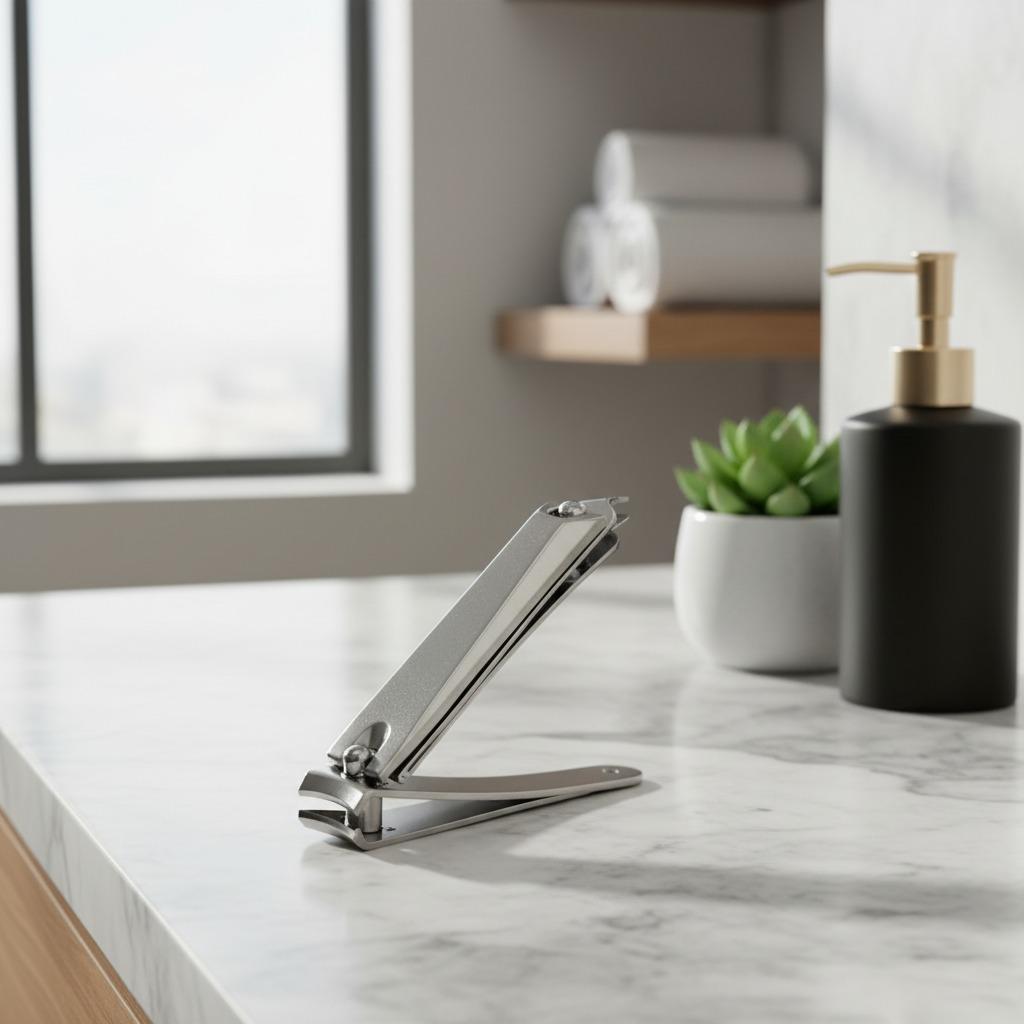
The original product information highlights a compact nail clipper format, including a 70mm size and a lightweight 30g build. These details matter because small differences in dimensions and weight affect how the product feels in the hand, how it fits in travel kits and how it performs in retail displays. A compact clipper may be attractive for everyday carry, hospitality amenities, gift sets or basic manicure kits, while larger formats may be better for toenail use or professional stations.
Before confirming an order, define the product clearly enough that every supplier is quoting the same item. Important selection points include:
- Blade alignment: The upper and lower cutting edges should meet evenly without gaps or twisting.
- Cutting sharpness: The clipper should cut cleanly without crushing, splitting or leaving obvious jagged edges.
- Lever strength: The lever should apply pressure smoothly and return to position without loosening quickly.
- Material and finish: Stainless steel is commonly used for durability and corrosion resistance, while finishes such as matte surfaces can create a more refined appearance.
- Edge comfort: Corners, lever surfaces and underside edges should be smooth enough for safe handling.
- Portability: Size and weight should match the intended channel, whether retail, travel, salon or promotional distribution.
For nail clippers, ergonomic claims should be judged in hand, not only from photos. Ask your team to test whether the lever angle feels comfortable, whether the grip is secure, and whether the cutting motion is stable for different hand sizes.
Comparing Chinese Suppliers with Other Global Options
When comparing a nail clipper global supplier network, buyers commonly look at China, Europe, the United States and other Asian manufacturing regions. Each region may have advantages depending on the order profile. European or US suppliers may be suitable for boutique production, local branding stories or shorter domestic delivery routes. They may also offer certain premium materials or finishing approaches, but costs and production capacity can be less favorable for high-volume everyday grooming products.
China is often competitive where buyers need a balance of cost, scale, packaging flexibility and export experience. However, the best result comes from choosing the right manufacturing partner, not simply choosing the right country. A quotation from a weak supplier can create delays, inconsistent sharpness or packaging defects. A quotation from a stronger supplier may cost more per unit but reduce after-sales risk and protect the buyer’s brand reputation.
| Comparison Point | What to Evaluate | Why It Matters |
|---|---|---|
| Unit price | Factory quotation, packaging cost and order volume | Low unit price is useful only if quality and landed cost are controlled |
| Quality stability | Blade sharpness, lever strength, finishing and batch consistency | Small defects are easy for consumers to notice in a grooming tool |
| Customization | Logo method, surface finish, packaging format and instruction inserts | Retail and private-label buyers often need a consistent brand presentation |
| Lead time | Sample timing, production schedule and shipping method | Seasonal promotions and retailer launch dates require predictable planning |
| Export readiness | Documentation, carton labeling and freight coordination | Clear export handling reduces customs and receiving problems |
Quality Control Checks for Nail Clipper Imports
Quality control should begin before mass production. A sample is useful, but it should not be treated as proof that all bulk goods will match. Create a written standard for what is acceptable, including size, weight tolerance if required, surface finish, cutting performance and packaging condition. Keep an approved sample for reference.
For a compact stainless steel nail clipper, buyers can use a practical inspection checklist:
- Confirm the product size, general appearance and finish against the approved sample.
- Check that the lever opens and closes smoothly without excessive looseness.
- Inspect blade alignment from the front and side.
- Test cutting performance on suitable sample material or nail-like test media.
- Look for burrs, sharp unintended edges, stains, scratches or plating irregularities.
- Verify logo placement, color, printing clarity and packaging artwork.
- Review inner box and export carton strength for the planned shipping route.
If the nail clipper will be sold through retail chains or online marketplaces, packaging durability is especially important. A well-made clipper can still become unsellable if blister cards warp, printed boxes crush, or barcodes are poorly applied. Define packaging requirements early so the supplier quotes the correct solution.
Packaging, Branding and Assortment Decisions
Nail clippers are frequently sold as single units, part of manicure sets, travel grooming kits or impulse-buy accessories near checkout counters. The right packaging depends on your sales channel. Minimal packaging may work for wholesale replenishment or salon supply, while retail packaging needs clear product visibility, barcode placement and sufficient space for usage or care information.
Branding choices should support the product’s price level. A matte finish can help a compact clipper look more considered, but it should be consistent across the batch. If adding a logo, review whether the logo method is suitable for the surface and whether it remains readable after handling. For e-commerce, packaging should also protect the clipper during small-parcel delivery and present well in product photography.
Buyers building a broader grooming range can compare clippers with related product collections to decide whether the clipper should be positioned as a basic utility item, a travel accessory or part of a coordinated beauty tool assortment.
Logistics and Landed Cost Planning
International nail clipper trade requires careful landed cost planning. The purchase price is only one part of the final number. Importers should also account for packaging volume, export cartons, inland transport, freight, insurance if used, customs clearance, duties, taxes, inspection fees and delivery to the final warehouse.
Because nail clippers are compact and relatively lightweight, shipping method decisions often depend on schedule, order quantity and packaging volume. Air freight may be used for urgent small orders or launch samples, while sea freight is more common for larger replenishment orders. Consolidated shipping can be useful when combining nail clippers with other beauty tools, but carton labeling and packing lists must remain clear to avoid receiving errors.
Trade rules differ by destination market, so importers should classify the product correctly and confirm local requirements before shipment. Avoid assuming that a previous manicure tool shipment has the same duty treatment or documentation needs as a new nail clipper order.
How to Build a Lower-Risk Sourcing Process
A strong sourcing process is structured and documented. Start by defining the target customer, channel, price position and acceptable quality level. Then request quotations based on the same specification so comparisons are meaningful. Samples should be evaluated by more than one person, ideally including someone who understands customer complaints or retail returns.
Before placing a larger order, align on product specification, packaging files, inspection criteria, shipping marks, delivery terms and communication timelines. This reduces misunderstandings and gives both sides a clear reference if an issue appears during production or inspection.
Olimor Beauty works with beauty-tool buyers who need practical sourcing support for grooming accessories, including nail clippers and related personal care tools. To discuss a sourcing plan, packaging direction or product comparison, you can send an inquiry or contact Olimor with your target market and product requirements.
Image Reference
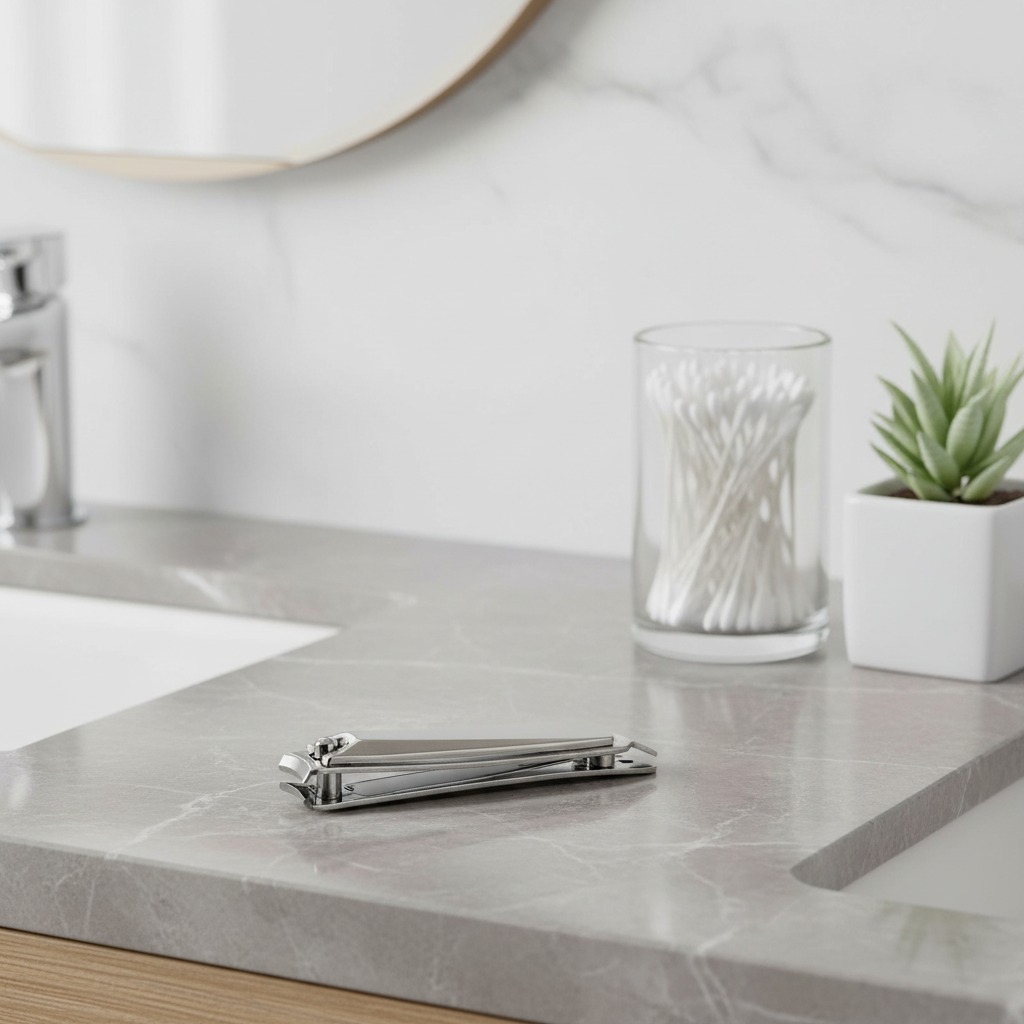
Importing nail clippers from China can support a competitive grooming product range when the buying decision includes more than price. By checking blade performance, finish, packaging, supplier communication and landed cost, buyers can select products that are practical for everyday use and dependable for repeat commercial orders.
Tag: