

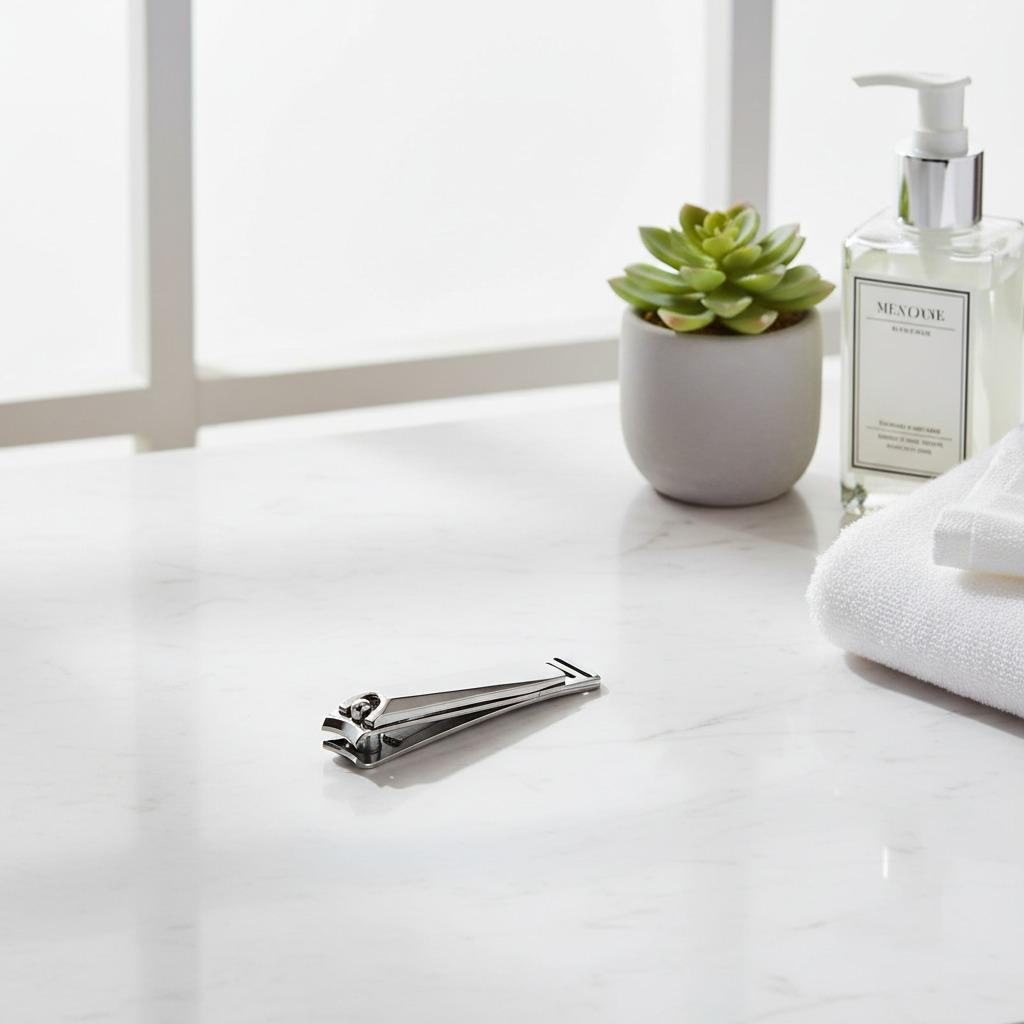
Import Nail Clippers from China: Benefits, Risks and a Smarter Sourcing Strategy
For beauty retailers, private label buyers, wholesalers and grooming-tool distributors, nail clippers are a small product with a large impact on customer satisfaction. A clipper that cuts cleanly, feels comfortable in the hand and resists premature dulling is far more likely to earn repeat purchases than a low-quality alternative. That is why many buyers compare local sourcing with the option to import nail clippers from China.
China remains a major manufacturing base for beauty tools because it combines material sourcing, metal processing, assembly, polishing and packaging capabilities in one mature supply chain. For buyers, the opportunity is not simply lower cost. The real advantage is the ability to match product quality, finish, packaging and order planning to the needs of a specific retail channel. Olimor Beauty focuses on practical beauty tools, including stainless steel nail clippers designed for clean daily grooming, travel use and retail beauty assortments.
Local Sourcing vs. Importing: What Buyers Should Compare
Local sourcing can be attractive when a buyer needs very fast replenishment, simplified communication or small trial quantities. It may also reduce customs administration and shorten the distance between warehouse and seller. However, local suppliers often purchase from overseas factories themselves, which means the buyer may still be paying for imported goods with added distribution margins.
Importing nail clippers from China gives buyers more direct access to manufacturing options. This can be useful for retailers building their own product line, distributors seeking stable repeat supply, or beauty brands that want packaging and assortment flexibility. The trade-off is that importing requires more planning. Lead time, freight method, inspection, customs documents and product compliance need to be considered before placing an order.
A useful comparison should go beyond unit price. Buyers should calculate the total landed cost, including product cost, packaging, freight, duties, inspection, domestic delivery and expected defect handling. A slightly higher-cost clipper with cleaner cutting performance and better finish may generate fewer returns and stronger customer reviews than the cheapest available option.
Why China Is a Strong Source for Nail Clippers
Nail clippers look simple, but reliable production depends on several controlled processes: metal selection, stamping or forming, sharpening, spring tension, surface finishing, assembly and final inspection. China’s beauty-tool supply chain is well suited to this type of product because many of these processes are available close to one another. That can help reduce coordination delays and support consistent repeat production.
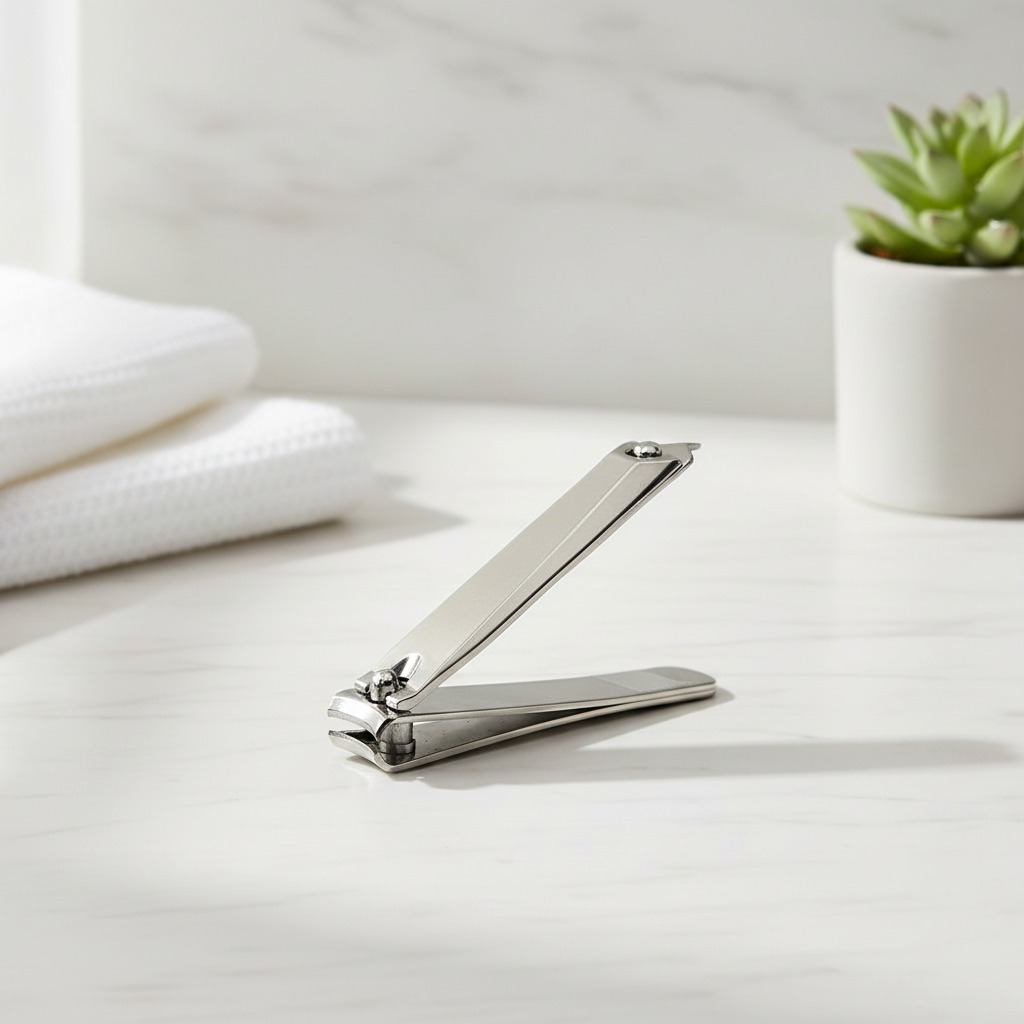
The supplied Olimor nail clipper information highlights stainless steel construction, sharp curved blades, a built-in file, a comfortable grip and a refined matte finish. The article also identifies a compact 70mm length and 30g weight. Those details matter because nail clippers are judged by feel as much as by appearance. A travel-size clipper must still have enough leverage, and a matte finish should look clean while giving the user confident handling.
Compared with sourcing from regions that focus on boutique or limited-scale production, China can be especially practical for buyers who need repeatable production, packaging choices and commercial volumes. The main benefit is not only affordability; it is the ability to evaluate different price and quality levels before committing to a product direction.
Product Criteria That Matter Before You Place an Order
Successful import planning starts with defining the nail clipper you actually need. A retail beauty set, a hotel amenity, a pharmacy pegboard product and a premium grooming kit may all use nail clippers, but their requirements are different. Before comparing suppliers, create a product brief that is specific enough to prevent misunderstandings.
- Material: Confirm whether stainless steel is required and whether the finish should be matte, polished or otherwise treated.
- Cutting performance: Check blade alignment, sharpness, edge smoothness and whether the clipper cuts without crushing or tearing the nail.
- Size and weight: A 70mm, 30g clipper can be suitable for travel and daily use, but buyers should test whether the leverage fits the target customer.
- Ergonomics: Review the lever shape, grip comfort and resistance to slipping when hands are slightly damp.
- Added functions: A built-in file can improve convenience, but it should be securely integrated and not create rough edges.
- Finish quality: Inspect for scratches, burrs, uneven coating, sharp corners and inconsistent color.
- Packaging: Decide whether the product needs retail carding, a box, a pouch, barcode labels or multilingual instructions.
If you are comparing nail clippers with other beauty tools, browse Olimor’s beauty tool products to understand how a nail clipper can fit into a broader grooming or personal-care assortment.
Quality Control: Small Tool, High Customer Expectations
A nail clipper is inexpensive compared with many beauty devices, but users notice defects immediately. A dull blade, loose lever, weak spring action or rough edge can make the product feel unreliable from the first use. For importers, quality control should focus on function, safety and appearance.
Sample approval should not be limited to photos. Physical samples allow the buyer to test cutting feel, grip comfort, finish and packaging strength. When possible, test several units rather than only one perfect sample. This helps reveal whether quality is consistent or dependent on hand selection.
For bulk orders, buyers should define inspection points clearly. Common checks include overall appearance, blade alignment, lever movement, cutting test, surface finish, file placement, logo or packaging accuracy, and carton condition. It is also useful to keep an approved reference sample so production can be compared against a known standard.
Do not rely only on broad claims such as “high quality.” Translate expectations into measurable criteria. For example, specify that there should be no visible rust, no loose parts, no obvious burrs on user-contact areas and no packaging damage that affects retail presentation. Clear criteria reduce disputes and help the supplier understand what the buyer’s market will accept.
Building a Sourcing Strategy for Import Orders
A good import strategy balances price, lead time, quality and risk. Buyers new to international nail clipper trade should avoid making a decision based only on the lowest quotation. Instead, compare suppliers through a structured process:
- Define the market position. Decide whether the nail clipper will be a budget item, travel accessory, salon retail product or part of a grooming set.
- Request comparable quotations. Provide the same material, size, finish, packaging and quantity assumptions to each supplier.
- Evaluate samples. Test cutting performance, lever comfort, surface finish and packaging durability.
- Confirm production details. Align on artwork, barcode needs, carton marks, packing method and acceptable quality criteria.
- Plan logistics early. Compare air, sea or consolidated shipping based on delivery deadline and total landed cost.
- Prepare documents. Confirm invoice, packing list and any market-specific documentation before shipment.
- Review after delivery. Track customer feedback, defect rate and sell-through before reordering.
This method helps importers avoid common problems such as mismatched packaging, unclear finish expectations or underestimating freight time. It also supports long-term supplier relationships because both sides are working from defined requirements.
Common Risks and How to Reduce Them
Importing from China has clear benefits, but it also requires disciplined management. Longer lead times can affect seasonal launches. Customs delays can occur if documentation is incomplete. Product quality can vary if the buyer does not approve samples or define inspection standards. Packaging can also become a problem if it is not tested for retail display and shipping protection.
Risk reduction starts with communication. Share your intended sales channel, packaging requirements and quality expectations before production begins. Confirm whether the nail clipper will be sold individually or as part of a kit. If you need to coordinate nail clippers with tweezers, scissors or other grooming tools, review available product collections to plan a more coherent product range.
It is also sensible to begin with a controlled order before scaling. A first shipment can validate customer response, packaging durability and after-sales feedback. Once performance is confirmed, repeat orders can be planned with better demand forecasting and fewer last-minute changes.
When Importing Nail Clippers Makes the Most Sense
Importing nail clippers from China is especially suitable when the buyer wants a repeatable product, attractive value and the flexibility to build a retail-ready assortment. It is also useful when buyers need practical features such as stainless steel construction, curved blades, a built-in file, compact sizing and a finish that looks appropriate for beauty and personal-care channels.
Local sourcing may still be the right choice for urgent replenishment or very small quantities. But for buyers with a defined product plan, importing can provide more control over cost structure, packaging and long-term supply. The key is to treat nail clippers as a performance product, not just a commodity. Clean cutting, smooth handling and consistent finish are what customers remember.
If you are developing a nail clipper order or comparing beauty-tool sourcing options, you can send an inquiry with your target product requirements or contact Olimor to discuss suitable sourcing considerations. A clear brief, approved sample and practical quality checklist will make the import process more predictable and help your nail clipper assortment meet real customer expectations.
Tag: