

Importing Nail Clippers from China: Buyer Criteria for Beauty Tool Distributors
For beauty tool distributors, personal care retailers, salon suppliers and private-label buyers, nail clippers are small products with surprisingly large sourcing implications. A clipper may look simple, but the buyer still has to evaluate blade sharpness, handle comfort, steel finish, packaging durability, carton planning, shipping terms and after-sales consistency. Importing nail clippers from China can be a practical sourcing route because the country has a mature supply base for metal grooming tools, export packaging and high-volume beauty accessories.
The best purchasing decision is not simply about finding the lowest unit price. A reliable nail clipper needs to cut cleanly, feel stable in the hand, resist visible wear during normal use and arrive in packaging suitable for the intended sales channel. This guide explains how to evaluate nail clipper imports from China with a practical buyer mindset, using clear selection criteria rather than assumptions.
Why China Is a Common Source for Nail Clipper Imports
China remains a major sourcing destination for grooming accessories because buyers can often compare multiple product styles, finishes and packaging approaches within the same supply chain ecosystem. For a compact beauty tool such as a nail clipper, that matters. The product itself may be small, but the final commercial offer usually includes several linked decisions: steel processing, blade forming, surface finishing, polishing, assembly, inspection, blister card or box packaging, master carton strength and export documentation.
For importers building a nail care assortment, sourcing from China can also make it easier to align nail clippers with other grooming tools. Buyers can review related beauty tool products and consider whether the clipper should be sold alone, placed into a travel grooming set or merchandised alongside tweezers, scissors, files or other personal care accessories.
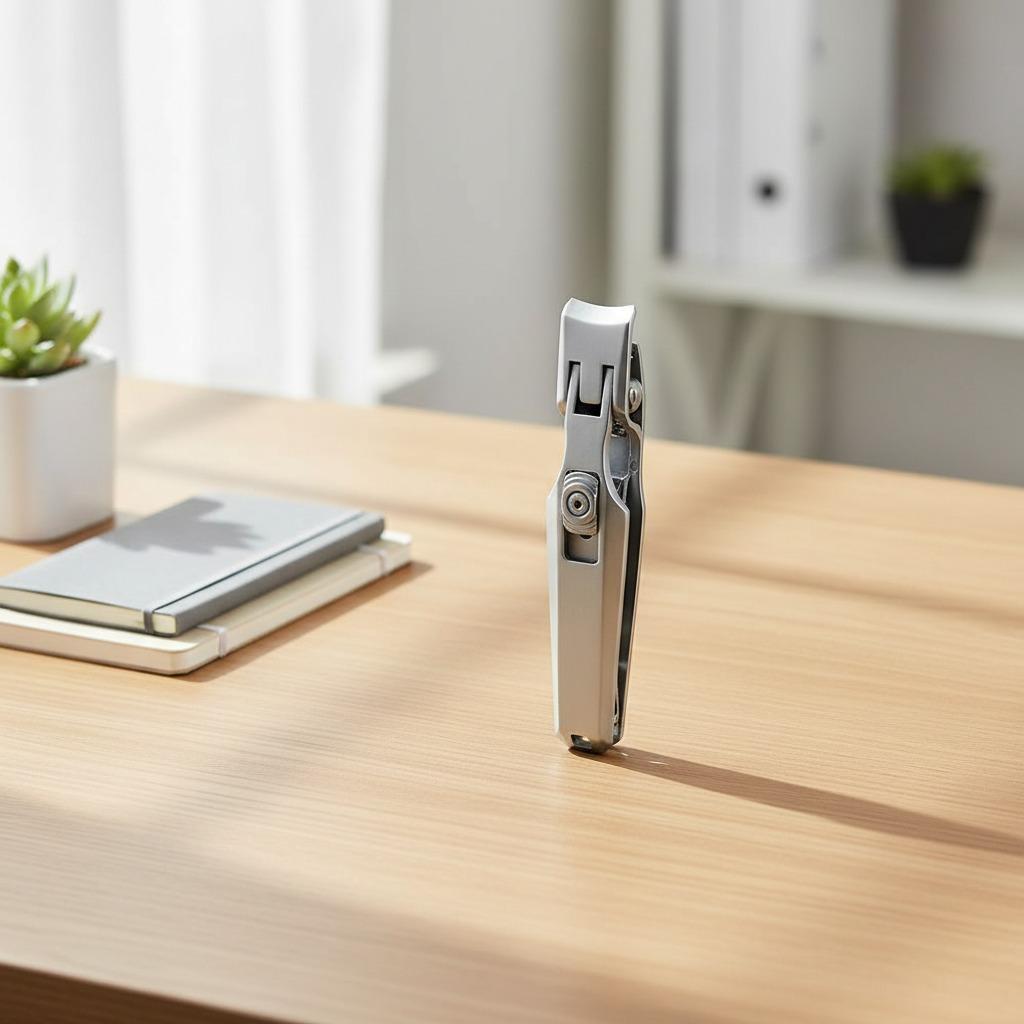
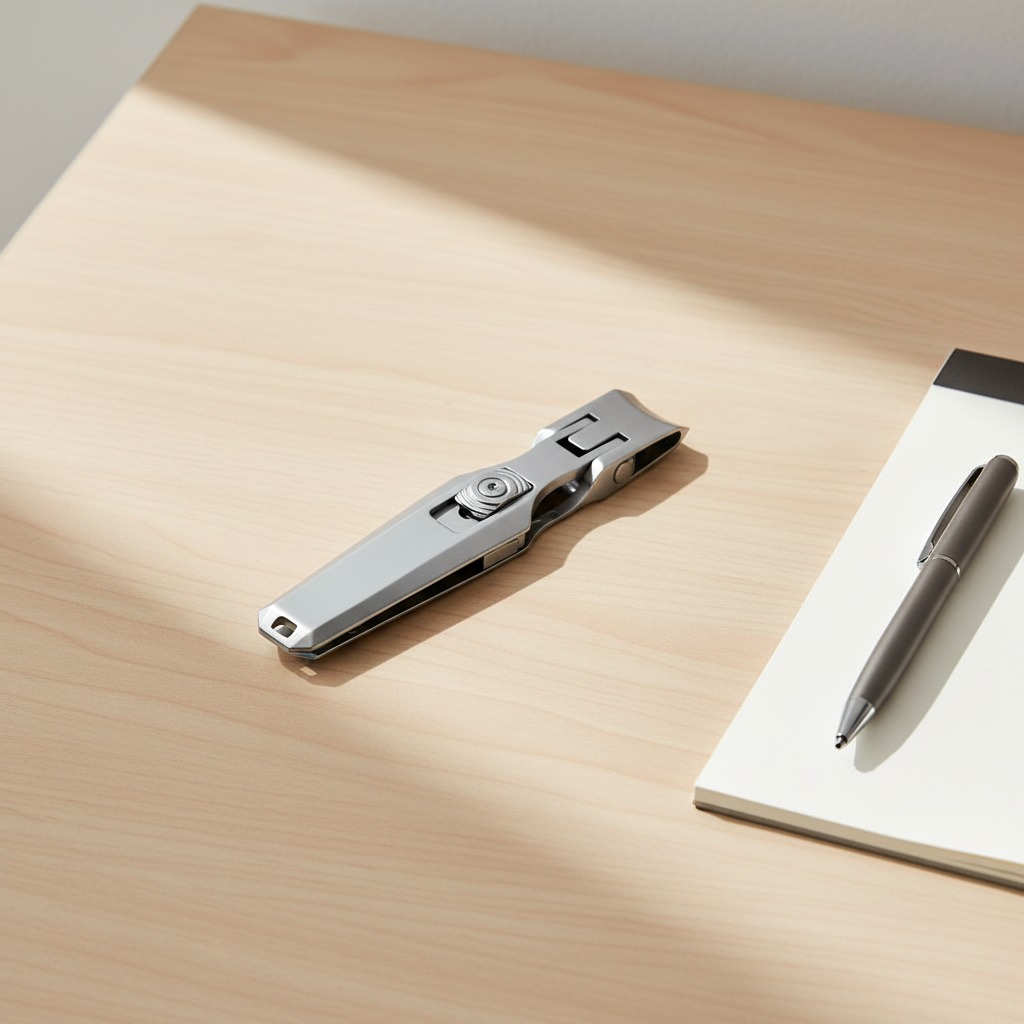
The original product described for this page is a stainless steel nail clipper from Olimor Beauty. The stated size is a compact 91 mm, the weight is 48 grams, and the design includes sharp, curved blades. The article also notes a 16 mm wide nail clipper with a firm grip. These are useful reference points for buyers because they connect the product to everyday handling, portability and clean cutting performance.
Key Product Details to Check Before Importing
A nail clipper should be evaluated as a functional cutting tool, not just a low-cost accessory. The difference between a product that earns repeat orders and one that creates complaints is often found in small details: blade alignment, lever resistance, edge finishing and the way the clipper feels during pressure.
When reviewing a sample, pay attention to the complete user experience. Does the lever move smoothly? Do the curved blades meet evenly? Does the clipper cut the nail cleanly rather than bend or tear it? Is the body comfortable enough for repeated use? Does the surface finish look consistent under bright light? These checks can be done before discussing large orders, and they are especially important for distributors selling to salons, pharmacies, supermarkets, e-commerce channels or travel retail buyers.
- Material and finish: The supplied article identifies the product as stainless steel. Review whether the surface is smooth, free from rough edges and visually consistent.
- Blade performance: Sharp, curved blades should meet cleanly and cut without excessive force. Uneven blade contact can cause weak performance even when the tool looks acceptable.
- Size and portability: A 91 mm nail clipper is compact enough for travel kits, retail display cards and personal grooming bags.
- Weight and feel: At 48 grams, the clipper has enough presence for stable handling while remaining lightweight for shipping and daily use.
- Grip comfort: A firm grip supports better control, especially for users cutting thicker nails or working quickly in a salon setting.
- Packaging fit: Check whether the product can be displayed securely and whether packaging protects the cutting edge during transit.
Comparing Global Suppliers in the Nail Clipper Market
Importers may compare suppliers from China, Europe, the United States and other manufacturing regions. Each option can have a place depending on the buyer’s market position, target price and brand story. However, for nail clippers, China is often attractive because it can combine product variety with export experience and packaging flexibility.
European or U.S. sourcing may suit buyers who require local branding narratives or specific regional production. Other sourcing countries may support very low-cost programs. Chinese nail clipper suppliers are often considered when the buyer wants a balance of product range, scalable sourcing options and the ability to coordinate packaging with related beauty tool lines.
| Buyer consideration | Why it matters for nail clippers | What to verify before ordering |
|---|---|---|
| Cutting quality | Poor blade alignment leads to tearing, slipping or uneven cuts. | Sample cutting tests, blade contact, lever pressure and edge consistency. |
| Ergonomics | A clipper is small, but hand comfort affects repeat use and reviews. | Grip stability, lever shape, pressure control and finger comfort. |
| Surface finishing | Visible marks or rough edges reduce perceived quality at retail. | Polishing, burr removal, smooth edges and consistent appearance. |
| Packaging | Retail channels may need hang cards, boxes or protective formats. | Barcode placement, carton strength, display layout and transit protection. |
| Export readiness | Small metal tools still require clear logistics and documentation planning. | Carton data, labeling needs, shipping terms and destination requirements. |
How to Evaluate Samples Like a Professional Buyer
Before placing a larger order, a sample review should be structured. Random impressions are not enough. Create a simple score sheet and compare samples under the same conditions. If you are sourcing for a retail brand, test the product as a consumer would use it. If you are sourcing for salon distribution, test repeated cuts and comfort over longer handling periods.
- Check the first impression: Look at finish, symmetry, cleanliness and packaging condition when the sample arrives.
- Inspect blade alignment: Close the clipper slowly and confirm that the curved blades meet evenly from side to side.
- Test cutting action: Use appropriate test material or sample nails to compare sharpness, pressure and cut cleanliness.
- Assess grip and control: Hold the clipper with dry hands and slightly damp hands to judge whether the lever and body feel secure.
- Review safety details: Check for burrs, sharp non-cutting edges or unstable parts that could affect customer satisfaction.
- Evaluate packaging: Confirm that the clipper is held firmly and that the cutting area is protected during shipment and display.
For a stainless steel nail clipper, corrosion resistance is often part of the buyer’s expectation, but performance should still be reviewed through practical handling and storage checks. If a product is intended for humid bathroom environments, travel pouches or salon counters, the finish and packaging should match that use case.
Packaging, Branding and Channel Fit
Nail clippers may be sold in several ways: as single everyday grooming tools, as travel accessories, as part of a manicure set or as an add-on item in a broader personal care range. The intended channel should shape the packaging decision. A pharmacy buyer may prefer clear display packaging with easy product visibility. An e-commerce brand may care more about compact packaging, scannable labeling and reduced shipping damage. A salon distributor may want packaging that feels professional but is easy to open for frequent use.
When working with a nail clipper global supplier, prepare packaging requirements early. Include artwork size, barcode placement, language requirements, warning text if applicable, hanging hole position, inner box quantity and master carton preferences. These details can affect cost, lead time and quality inspection planning.
Buyers who are comparing assortments can also review Olimor Beauty product collections to think about how a nail clipper might fit into a wider sourcing program. A consistent assortment can help importers reduce fragmented purchasing and present a more coherent personal care category to their own customers.
Logistics and Import Planning for Small Metal Grooming Tools
Nail clippers are compact, which can be helpful for shipping efficiency, but small metal tools still require careful packing. Loose movement inside retail packaging or master cartons may lead to scratches, damaged display cards or dull-looking surfaces. Carton strength, inner pack arrangement and protection between units should be reviewed before shipment.
Importers should also consider destination-market rules, labeling requirements and tariff classifications with a qualified logistics or customs professional. Tariffs and documentation requirements can vary by country and may change over time. A responsible sourcing plan leaves enough room for document checking before goods leave the factory.
For buyers new to nail clipper export from China, it is wise to confirm the practical order flow: sample approval, packaging confirmation, pre-production details, production inspection, carton marking, freight booking and final document review. The goal is not only to receive a low-cost product, but to receive the same product that was approved at sample stage.
Maintenance Guidance That Helps End Customers
Providing clear end-user guidance can reduce complaints and improve the perceived value of a nail clipper. Even a well-made clipper can perform poorly if it is stored wet, dropped repeatedly or used for unsuitable materials. Retailers and distributors can include simple care notes on packaging, inserts or product pages.
- Wipe the clipper dry after use, especially if it has been used near water or stored in a bathroom.
- Keep the cutting edge clean and free from nail dust or residue.
- Store the clipper in a dry pouch, drawer or grooming kit rather than leaving it exposed to moisture.
- Do not use a nail clipper to cut wire, plastic ties or other hard non-nail materials.
- Replace the clipper if the blades become misaligned, damaged or noticeably dull.
These instructions are simple, but they help protect both the user experience and the distributor’s brand reputation.
Building a Better Import Decision
Importing nail clippers from China can be a strong sourcing choice when the buyer evaluates the product carefully and plans packaging, logistics and quality checks before committing to scale. The stainless steel Olimor Beauty nail clipper described on this page offers useful reference details: a compact 91 mm size, 48 gram weight, sharp curved blades and a firm grip. For buyers, the next step is to connect those product attributes with the target market, sales channel and inspection standards.
If you are comparing nail clipper options for retail, salon supply or private-label sourcing, prepare a clear specification sheet before requesting samples. Define the material expectation, size preference, packaging format, finish level, carton needs and inspection criteria. To discuss sourcing options or submit project details, contact Olimor or send an inquiry with your required market, packaging and quantity planning information.
Tag: