

Importing Nail Clippers from China: A Practical Buyer Guide
Importing nail clippers from China can be a sensible route for retailers, wholesalers, beauty brands and grooming kit suppliers that need consistent products at commercial volumes. The opportunity is not only about finding a low unit cost. A successful order depends on the clipper’s cutting performance, finish, packaging, inspection process, export documentation and the supplier’s ability to repeat the same quality across future shipments.
Nail clippers are small products, but they are not simple products. A weak lever, uneven blade alignment or rough edge can quickly turn a low-cost item into a customer complaint. For buyers building a grooming category, the goal should be to source a nail clipper that feels reliable in the hand, cuts cleanly and arrives in retail-ready condition. Olimor Beauty supplies beauty tools for business buyers, and this guide explains how to evaluate a nail clipper import project with clear selection criteria instead of relying on vague promises.
Why Nail Clippers Are Commonly Sourced from China
China remains a major sourcing destination for grooming and beauty tools because many parts of the supply chain are concentrated in one region: metal processing, polishing, assembly, packaging and export handling. For a product such as a nail clipper, this matters. Buyers may need stainless steel components, a clean metallic finish, accurate blade grinding, printed packaging and carton preparation before shipment. When these steps are coordinated well, it is easier to manage bulk orders and future replenishment.
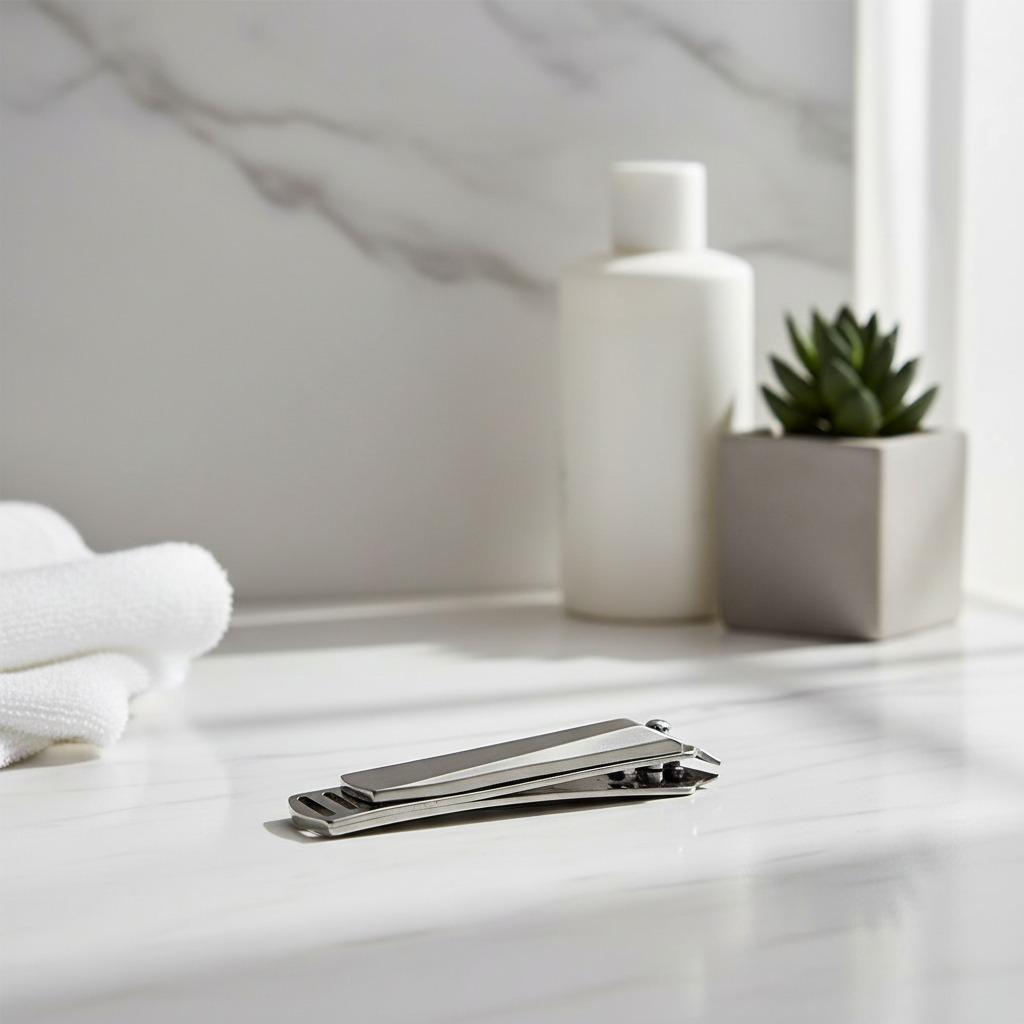
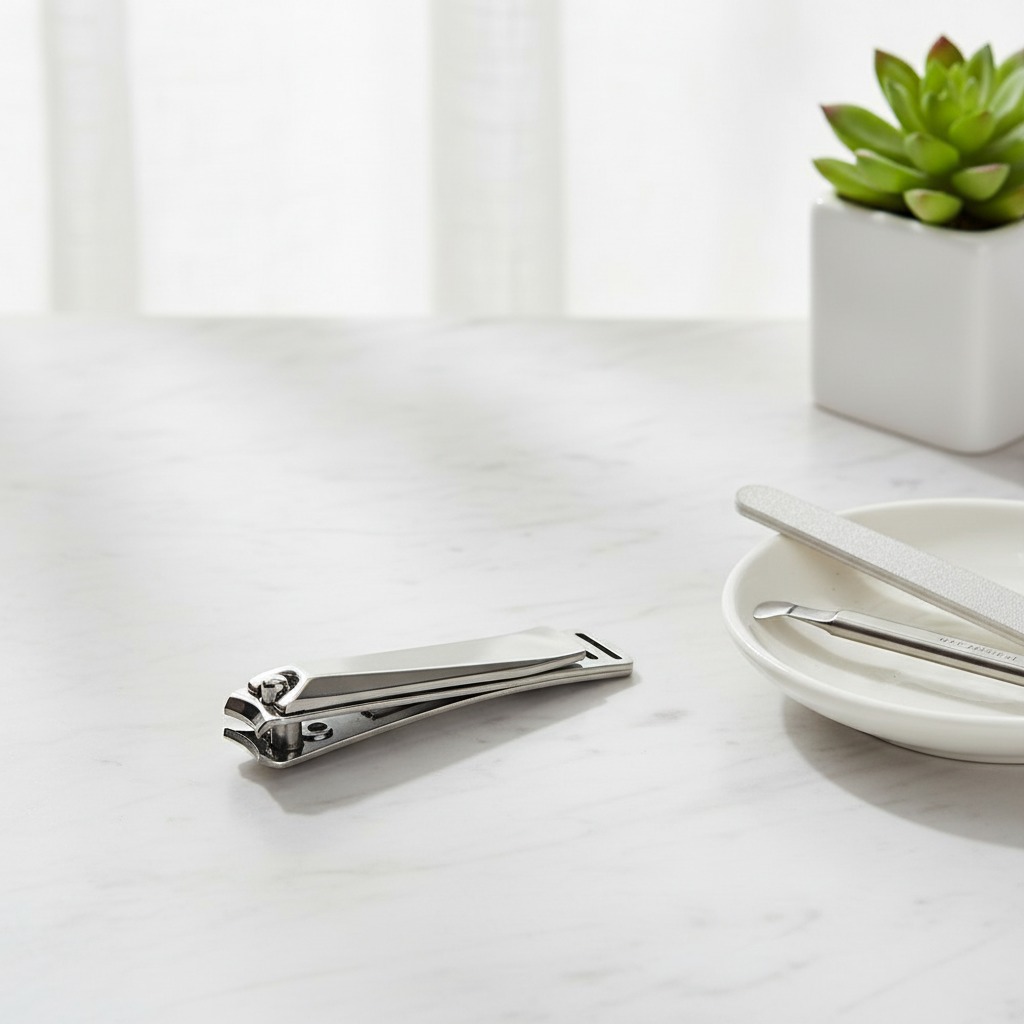
Compared with purchasing from a local wholesaler, importing from China may provide more flexibility in product presentation and order planning. A buyer can compare portable designs, classic shapes, different finishes and packaging formats. The original product example describes a sleek 70 mm nail clipper with a modern metallic finish, sharp angled blades, a lightweight 30 g construction and a 15 mm grip area, making it suitable for travel kits and home grooming sets. Those facts are useful when considering what a compact retail nail clipper should deliver: portability, enough grip to control the cut and a blade profile that trims cleanly.
However, the advantages of importing only become valuable when the buyer controls the details. Longer shipping times, customs procedures, tariff exposure and quality variation must be planned before a purchase order is placed. A lower price is not a complete sourcing strategy unless the product can be sold confidently after arrival.
Product Details That Matter Before You Place an Order
A nail clipper should be judged by how it performs, not only by how it looks in a catalog photo. Stainless steel is often preferred because it can offer corrosion resistance and a clean appearance, but buyers still need to assess the finish, edge quality and assembly. A shiny surface does not guarantee a sharp blade or a smooth lever action.
When comparing nail clippers for import, review these points carefully:
- Blade alignment: The cutting edges should meet evenly from side to side. Misalignment can bend or tear the nail instead of trimming it cleanly.
- Cutting sharpness: Sharp angled blades can improve control, especially for compact clippers, but the edge should not feel jagged or unfinished.
- Lever strength: The lever should press smoothly without wobbling or feeling loose after repeated use.
- Surface finish: A metallic finish should be even, with no visible stains, burrs or rough edges around the handle and cutting head.
- Grip comfort: A compact clipper should still provide enough contact area for controlled pressure. The cited 15 mm grip detail is a good reminder to check usability, not only overall length.
- Portability: Lightweight clippers, such as the 30 g example described above, can suit travel grooming kits, gift sets and daily carry items.
- Packaging compatibility: Retail packaging, multipack packaging and grooming kit packaging may require different size tolerances and surface protection.
For a broader view of grooming and cosmetic accessories, buyers can compare related beauty tool products before deciding whether a nail clipper should be sold alone, bundled with other tools or included in a private-label kit.
How to Evaluate a Nail Clipper Supplier in China
The best supplier is not always the one with the lowest quotation. For nail clippers, consistency matters because the customer expects every unit to cut the same way. A supplier should be able to explain the product’s material choice, production steps, finish options, inspection points and packaging process in plain business terms.
Before confirming a supplier, build a comparison sheet that includes more than price. A useful evaluation may include sample quality, communication speed, packaging support, defect handling, export experience and repeat order reliability. If the supplier cannot provide clear photos, samples or basic product measurements, it becomes difficult to control the finished goods.
Buyers should also clarify whether the supplier is offering an existing product, a modified version of an existing product or a new custom development. Existing products can be faster to source and easier to sample. Modified items may allow a different package, finish or assortment, but they require more confirmation. New development can be useful for brand differentiation, yet it usually needs more sampling, tooling discussion and timeline control.
Olimor Beauty focuses on beauty tools for business sourcing, and buyers can use the product collections page to understand how nail clippers may fit within a wider product range. If an order requires coordination across different beauty tool categories, it is better to confirm product compatibility early rather than after packaging has been designed.
Quality Control Checks for Imported Nail Clippers
Quality control should start before production and continue through pre-shipment inspection. Because nail clippers are small, some buyers assume defects are minor. In reality, common issues such as dull blades, bent levers, scratches, rust marks, loose pins or inconsistent packaging can affect sell-through and returns.
A practical inspection checklist can include the following steps:
- Confirm approved sample: Keep one approved sample with agreed dimensions, finish and packaging for comparison.
- Check appearance: Inspect the surface for scratches, discoloration, burrs, fingerprints, uneven polishing or plating defects.
- Test cutting action: Confirm that blades meet properly and cut cleanly without excessive force.
- Inspect assembly: Review the pin, lever, spring action and any moving parts for stability.
- Verify size and weight: Compare production pieces against agreed measurements, especially if the product is designed for travel use or set packaging.
- Review packaging: Check printing, barcode placement, carton labels, inner protection and quantity per carton.
- Document defects: Photograph issues and separate them by severity so decisions are based on evidence, not general impressions.
For the product described in the source details, features such as stainless steel construction, corrosion resistance, sharp angled blades and a compact 70 mm size should be treated as checkpoints during sampling and inspection. Buyers should not rely on a description alone. The sample and production run should match the commercial promise made to the end customer.
Import Process, Lead Time and Shipping Considerations
Importing nail clippers from China involves more than selecting a product and paying an invoice. A buyer needs to plan the order timeline from sampling to production, inspection, export preparation, freight, customs clearance and delivery to the warehouse. Even when the product itself is simple, delays can happen if packaging files are late, carton labels are incorrect or customs documents need revision.
The preferred shipping method depends on order size, urgency and budget. Air freight may be considered for urgent or smaller shipments, while sea freight is usually more suitable for larger commercial orders. Buyers should also consider the landed cost, not just the product price. Landed cost may include unit cost, packaging cost, inland transport, export fees, international freight, insurance, import duty, customs clearance and local delivery.
Documentation requirements vary by destination market, so importers should align their internal compliance process before goods leave China. Product descriptions, HS codes, invoice details and packing lists should be consistent. If the nail clippers are sold as part of a grooming kit, the documentation may need to reflect the full kit contents rather than only the clipper.
Packaging and Retail Positioning for Nail Clippers
Packaging has a direct effect on how a nail clipper is perceived. A compact stainless steel clipper can be positioned for travel, home grooming, salon retail, men’s grooming, family care or gift sets depending on the package format and surrounding assortment. The product does not need exaggerated claims; it needs clear presentation and reliable performance.
For retail channels, buyers should consider whether the product needs hanging cards, blister packaging, paper boxes, pouches or inclusion in a larger grooming kit. E-commerce sellers may prioritize packaging that protects the metallic finish during shipping and reduces return risk. Distributors may prefer carton efficiency and easy barcode identification. Beauty brands may focus on a clean visual identity and consistent color matching across related tools.
When planning packaging, avoid finalizing artwork before the sample is approved. Small size changes can affect insert trays, blister molds, box fit and barcode placement. A 70 mm clipper may seem easy to package, but even compact tools can shift inside a box if inner support is not planned.
When to Choose China Import Instead of Local Buying
Local buying can be practical for small test quantities, urgent replenishment or early market validation. It may reduce shipping complexity and allow faster delivery. China import becomes more attractive when the buyer has confirmed demand, needs repeat supply, wants more control over packaging or plans to build a consistent grooming tool range.
A simple decision rule is to match the sourcing route to the business stage. If the product is still being tested, buy carefully and collect customer feedback. If the product has proven demand, importing may support better planning, stronger margins and more stable presentation. The key is to make the transition with proper samples, written specifications and inspection steps.
For buyers ready to discuss sourcing details, packaging options or product matching, Olimor Beauty can be reached through contact Olimor. For order-specific requirements, buyers can also send an inquiry with target quantity, destination market, packaging preference and any required product details.
Final Buyer Checklist
Before importing nail clippers from China, confirm that the product fits both the customer and the channel. A good import decision balances performance, finish, packaging, logistics and repeat supply. Review the sample carefully, define the acceptable quality standard and calculate the full landed cost before committing to a bulk order.
For many beauty tool buyers, a stainless steel nail clipper with a compact size, clean metallic finish, sharp blades and lightweight construction can be a strong everyday product. The difference between a basic purchase and a successful import program is the discipline behind the order: clear specifications, realistic timelines, documented inspections and a supplier relationship that can support future replenishment.
Tag: