

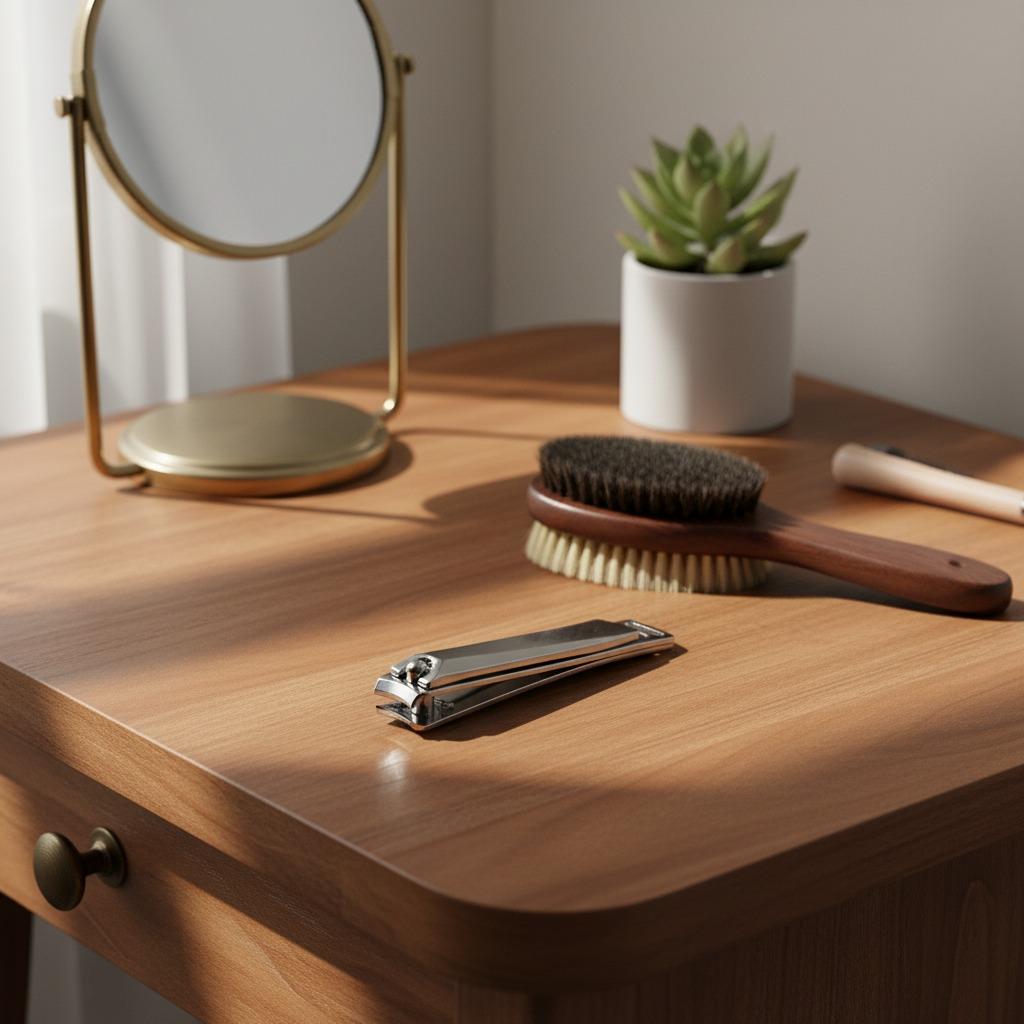
Import Nail Clippers from China: A Practical Buyer Guide
Importing nail clippers from China can be a strong sourcing option for beauty retailers, grooming brands, distributors, promotional buyers and private-label personal care businesses. The category looks simple at first, but small differences in blade alignment, handle leverage, finishing, packaging and inspection standards can determine whether a clipper feels precise or disappointing in the customer’s hand.
This guide focuses on how to evaluate nail clippers before placing an order, what to check during sourcing, and how to prepare a smoother import process. Olimor Beauty works in the beauty-tool field, and this article is written for buyers who need reliable, practical criteria rather than broad claims.
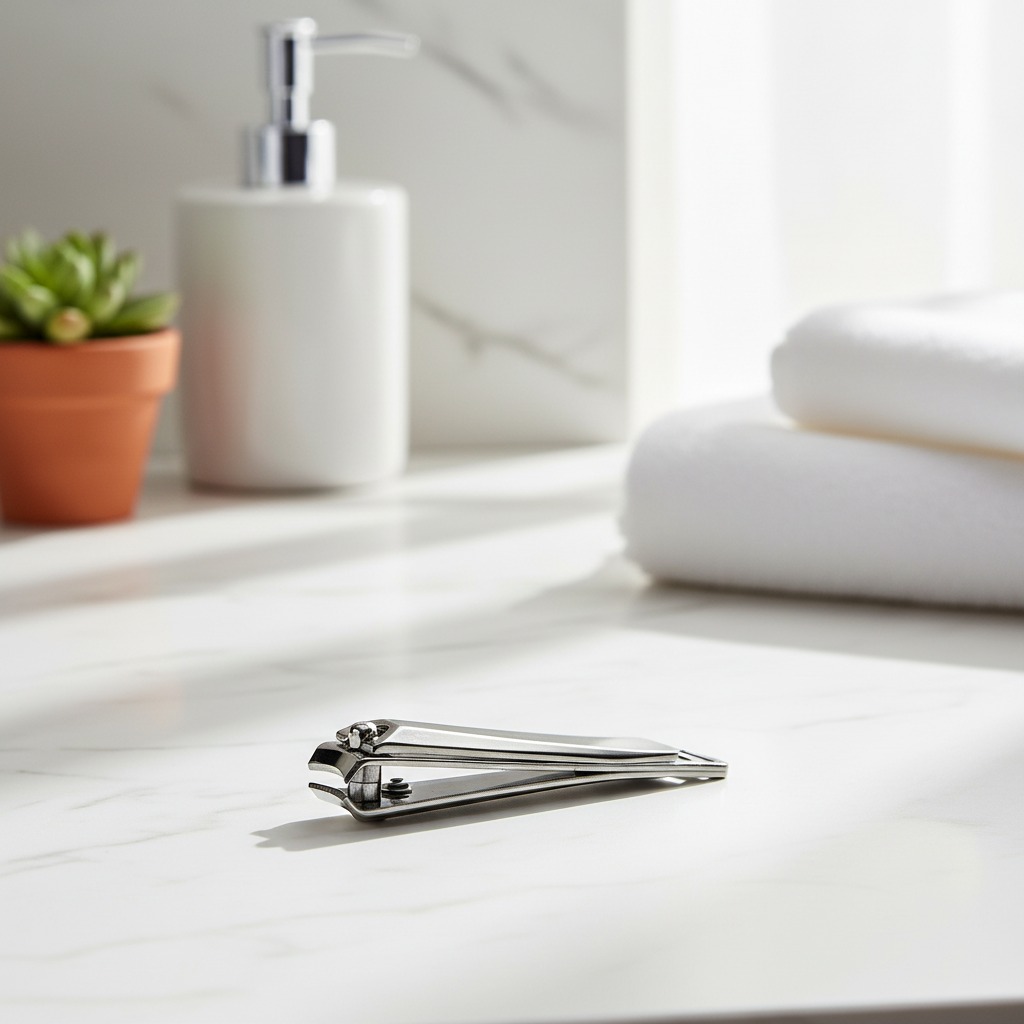
Why Nail Clippers Require More Careful Sourcing Than They Appear
A nail clipper is a low-cost item in many product ranges, but it is also a tool that customers judge immediately. If the blades crush instead of cut, if the lever bends, if the edges feel rough, or if the product rusts too quickly, the buyer will notice. For importers, that makes nail clippers a category where sampling and quality control should not be treated as a formality.
China’s manufacturing base offers a wide variety of nail clipper designs, including compact travel sizes, stainless-steel clippers, ergonomic shapes, satin-finished surfaces, versions with integrated nail files, and designs that use catchment systems for tidier trimming. The opportunity is variety and scalability; the risk is that visual similarity can hide performance differences. Two clippers may look nearly identical in a catalog, while one cuts cleanly and the other leaves ragged nail edges.
Before comparing prices, define the product role. A clipper for a budget toiletry kit, a retail grooming set, a salon counter display, and a premium gift box may all require different priorities. Your sourcing decision should match the channel, retail price point, end user and packaging expectations.
Core Product Criteria to Check Before Importing
When reviewing nail clippers, separate appearance from function. A polished or satin surface can support a clean retail presentation, but the blade geometry and handle action are what create repeat customer satisfaction. The original product information for this page mentions stainless-steel nail clippers, ergonomic designs, sharp curved blades, compact 70 mm models weighing about 30 grams, integrated nail files and catchment systems. Those are useful features to evaluate carefully during sample review.
- Blade alignment: The upper and lower cutting edges should meet evenly from side to side. Misalignment can cause tearing or partial cuts.
- Cutting feel: The lever should provide enough pressure without feeling loose, stiff or unstable.
- Edge finish: Outer corners, file surfaces and lever edges should feel smooth enough for safe consumer handling.
- Material and finish: Stainless steel is commonly selected for grooming tools, but buyers should still evaluate finish consistency and corrosion resistance expectations.
- Ergonomics: A compact 70 mm clipper may be suitable for travel kits, while larger formats may be preferred for home grooming or toenail use.
- Integrated file: If a nail file is included, check whether the texture is useful and whether it is securely integrated.
- Catchment system: If the clipper is designed to collect nail trimmings, test how easily it opens, empties and cleans.
Buyers building a complete assortment can compare nail clippers with other beauty tool products to keep the finish, packaging style and quality level consistent across the range.
Sampling: What to Test Before Confirming an Order
Samples should be tested in the same way your customer will use the product. Do not rely only on photography or catalog descriptions. A useful sample review includes visual inspection, handling, practical cutting tests and packaging checks. If several suppliers are being compared, test each sample with the same criteria and record the results in a simple scoring sheet.
- Inspect the first impression: Look for scratches, uneven finishing, stains, loose parts, sharp non-cutting edges or inconsistent logo placement if branding is applied.
- Test repeated cutting: Try multiple cuts on fingernail and, where appropriate, thicker nail samples. The clipper should cut cleanly without excessive force.
- Check the lever action: Open and close the lever repeatedly. It should stay secure and not wobble excessively.
- Review the file and accessories: A built-in file should not feel decorative only; it should have a usable abrasive texture.
- Assess portability: For compact models, confirm whether the size and weight suit travel pouches, kits or retail card packaging.
- Examine packaging durability: Packaging must protect the cutting edge during shipment and present the product clearly at retail.
A common mistake is approving the best-looking sample without testing several pieces. For a functional grooming tool, consistency matters. Ask for multiple samples when possible, especially if the order will include more than one finish, size or packaging format.
Packaging and Retail Presentation Decisions
Nail clipper packaging has to balance cost, protection, hygiene perception and shelf appeal. A very simple bulk pack may be appropriate for kits or professional replenishment, while retail channels often need hanging cards, blister packs, paper boxes or sets paired with other grooming tools. The right choice depends on where the product will be sold and how much information the consumer needs at the point of purchase.
| Packaging question | Why it matters |
|---|---|
| Will the clipper be sold alone or inside a kit? | This affects protection level, labeling area and unit cost. |
| Does the cutting edge need extra protection? | Edge damage during transport can reduce cutting quality before the item reaches the customer. |
| Is the product visible to shoppers? | Visibility helps communicate finish, size and perceived quality. |
| What languages and compliance marks are required? | Import markets may require specific labeling, warnings or importer information. |
| Will the packaging match other items? | Consistent design is useful for retailers building coordinated grooming ranges. |
If you are developing a wider assortment, browsing Olimor’s product collections can help you think about how nail clippers fit with tweezers, manicure tools and other personal care accessories.
Supplier Evaluation for Nail Clipper Export from China
Choosing a nail clipper supplier is not only about the quoted unit price. The more important question is whether the supplier understands your target channel and can maintain stable quality throughout production. For importers, this means evaluating communication, sample accuracy, packaging capability, inspection habits and export documentation readiness.
During early discussions, provide a clear product brief. Include the expected size range, finish preference, packaging type, target market, branding needs, and any functional features such as integrated nail files or catchment systems. A precise brief reduces misunderstanding and helps the supplier recommend a suitable existing design or production route.
Useful supplier evaluation questions include:
- Can the supplier provide pre-production samples that match the intended material, finish and packaging?
- How are cutting performance, blade alignment and surface finish checked during production?
- What packaging options are available for retail, kits or bulk distribution?
- Can product labeling be adapted for the destination market without changing the approved product unnecessarily?
- How are defective items identified before shipment?
- What export documents can be prepared for the shipment method and destination?
These questions do not require a supplier to make unrealistic promises. They create a practical discussion about process control, which is essential for a small metal tool where details drive user satisfaction.
Quality Control Points Before Shipment
Quality inspection should focus on both appearance and function. A final inspection can include random checks for cutting performance, lever movement, blade alignment, finish condition, packaging accuracy, barcode readability and carton condition. If branding is applied, logo placement and print durability should be checked against the approved sample.
For stainless-steel nail clippers, surface condition is especially important because customers associate clean metal finishing with hygiene and durability. Look for stains, inconsistent brushing, rough areas, burrs and visible scratches. For ergonomic designs, test whether the lever shape is comfortable and whether the tool remains stable during use. For catchment systems, confirm that the collection part does not detach too easily during trimming yet can still be emptied without frustration.
Inspection standards should be agreed before production rather than negotiated after defects appear. Even a basic written checklist can prevent disputes by defining what is acceptable, what is minor, and what should be rejected.
Import Planning: From Product Brief to Reorder
A smooth import project starts with a realistic timeline. Build in time for sample review, packaging artwork, production confirmation, inspection and shipping. If the product is for a seasonal retail launch, gift program or promotional campaign, delays in artwork approval or packaging testing can be just as disruptive as production delays.
Keep records of the approved sample, packaging files, inspection checklist and shipment details. These records become valuable when you reorder, add another size, or develop a related tool. They also make it easier to compare supplier performance over time. If customers give feedback about cutting feel, file usefulness, packaging damage or finish preference, feed that information into the next production brief.
Importers who want support selecting nail clippers or building a broader grooming-tool range can send an inquiry with product requirements, packaging goals and target market details. For general sourcing questions, you can also contact Olimor.
Final Buying Advice for Nail Clipper Importers
Importing nail clippers from China can work well when the buying process is structured around performance, consistency and retail fit. Start with a clear product role, compare real samples, test cutting quality, review packaging carefully and confirm inspection points before production begins. A well-made nail clipper may be small, but it reflects the quality standard of the entire grooming range.
For retailers and distributors, the goal is not simply to find the lowest-cost clipper. The better target is a product that cuts cleanly, feels comfortable, arrives in good condition and matches the expectations of your sales channel. With the right checklist and a reliable sourcing process, nail clippers can become a dependable item in a beauty or personal care assortment.
Tag: