

How to Import Tweezers from China: A Practical Guide for Beauty Businesses
Importing tweezers from China can be a sensible sourcing route for beauty retailers, salon suppliers, distributors, private label buyers and e-commerce businesses that need consistent access to precision grooming tools. Tweezers are small products, but they still require careful buying decisions: tip alignment, grip, surface finish, packaging, documentation and import compliance all affect whether the goods are easy to sell and reliable in daily use.
This guide focuses on the practical steps behind international tweezers trade, from defining the product you need to checking a tweezers global supplier and organizing shipment. It is written for buyers who want a more structured process than simply comparing the lowest unit price. Olimor Beauty supplies beauty tools for professional and retail markets, and buyers can also browse related beauty tool products or review broader product collections while planning a sourcing project.
Start With the Tweezers Your Market Actually Needs
Before contacting suppliers, define the exact type of tweezers that fits your customer base. A professional brow artist may care most about precise tip closure and hand comfort, while a retail buyer may prioritize attractive packaging, durability and a clear product description. The original sourcing goal should guide every later decision, including material, finish, packaging and inspection standards.
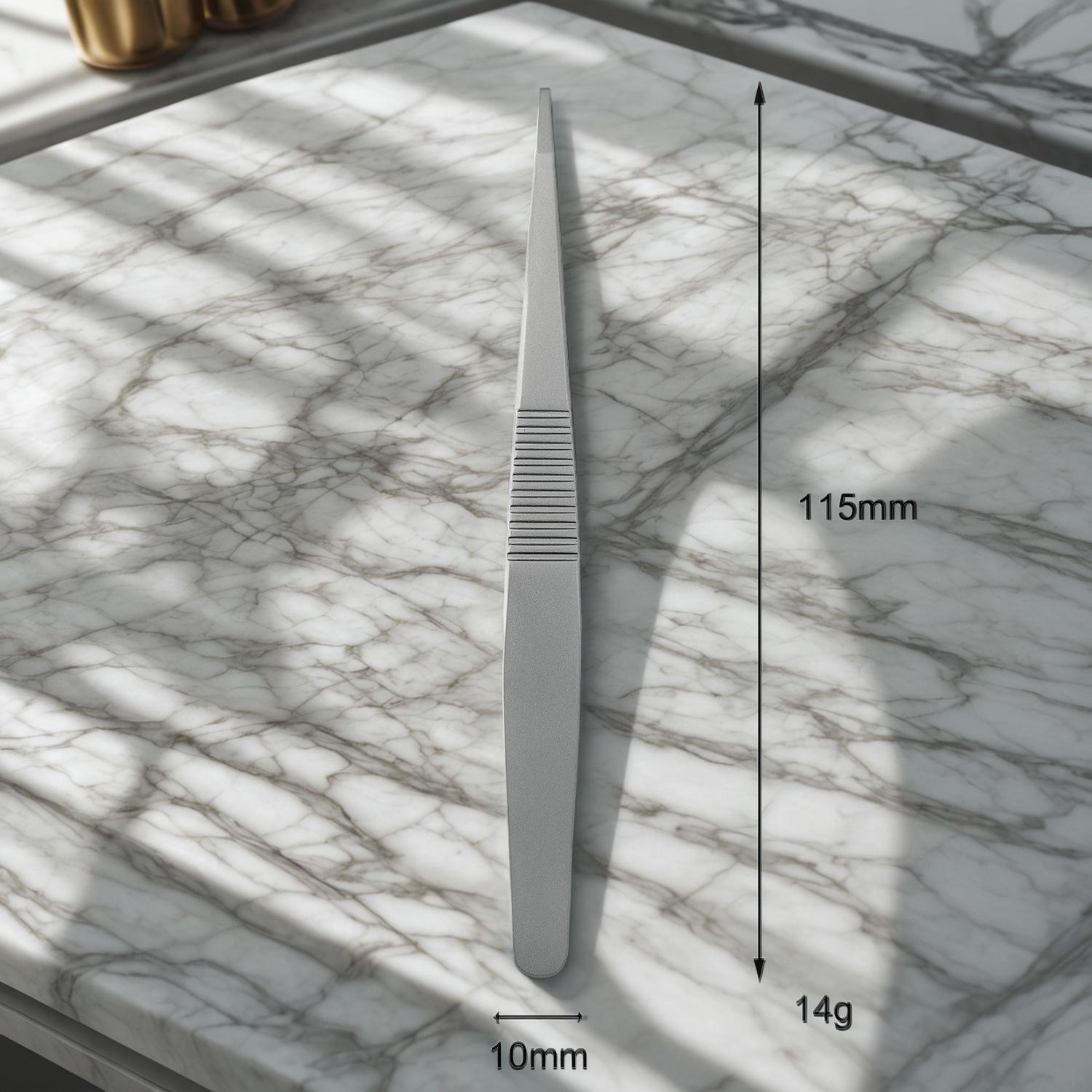
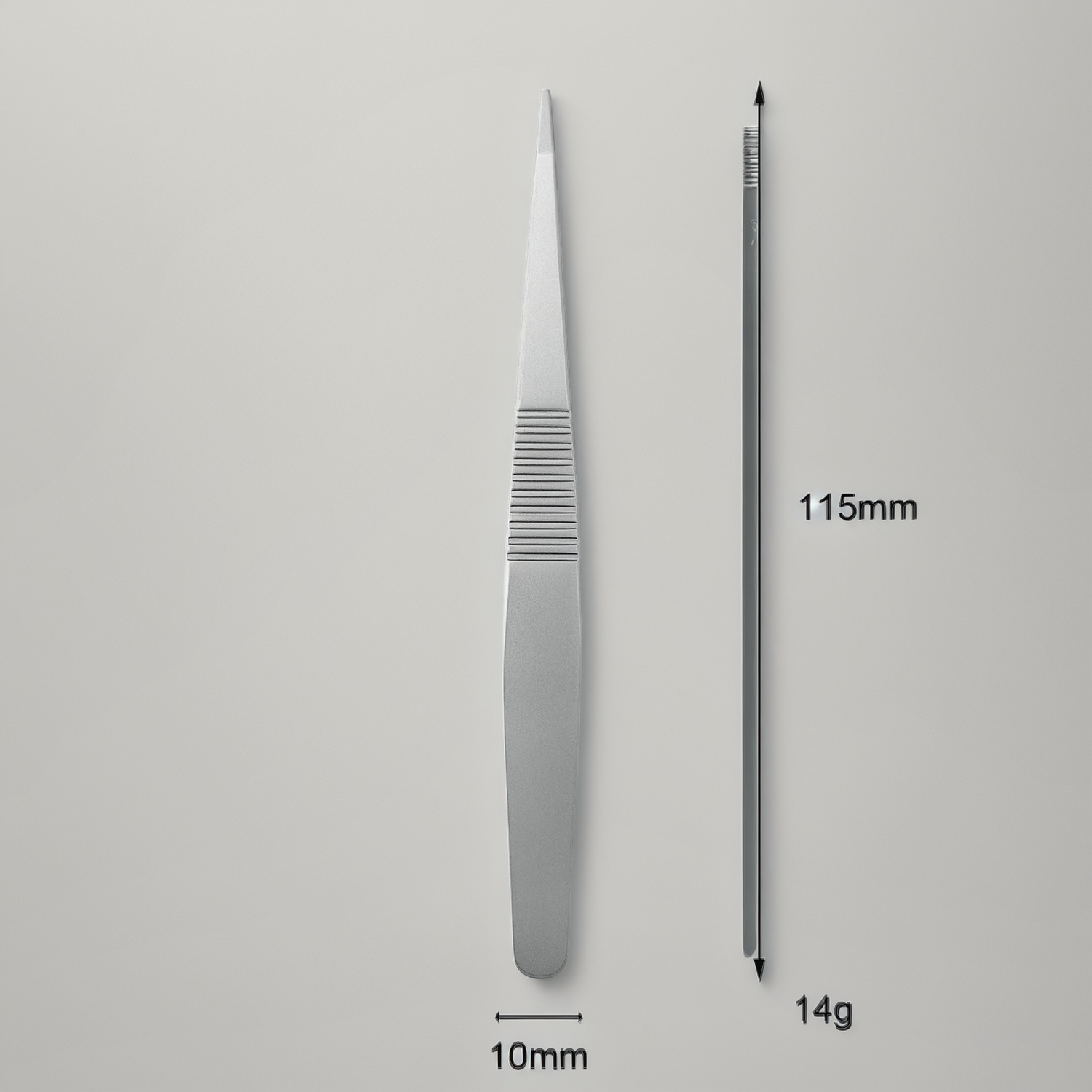
For example, Professional Fine-Point Tweezers are suited to precision work where accurate gripping is important. Fine-point styles are commonly considered for tasks that require control, such as detailed brow work or removing very small hairs. However, fine tips must be protected during packing and shipping because even a small bend can reduce performance. If your customers are general consumers, you may also need clearer safety and usage instructions on the retail packaging.
Useful product questions to define at the beginning include:
- Will the tweezers be sold for professional salon use, retail beauty care, travel kits or promotional beauty sets?
- Is the most important feature a fine point, slanted tip, flat tip, strong grip or lightweight feel?
- Should the product be positioned as a single tool, part of a grooming kit or an accessory in a wider beauty tool range?
- What packaging format is required: simple sleeve, blister card, box, pouch or customized retail presentation?
- Which markets will receive the goods, and what language, labeling or importer information may be required?
Understand the Basics of International Tweezers Trade
Tweezers are relatively compact, but importing them still involves normal trade procedures. Buyers need to consider customs classification, import duties, shipping method, commercial documents and destination-country rules. Requirements vary by market, so a buyer should confirm the rules that apply to the country where the goods will be sold.
In practical terms, international tweezers trade usually involves three areas of preparation. First, product definition: the supplier and buyer must agree on the appearance, tip type, quantity, packaging and any branding details. Second, commercial documentation: the shipment normally needs documents such as a commercial invoice and packing list, and may require additional paperwork depending on the market and shipping route. Third, logistics: the buyer must decide whether to ship by air, sea, courier or consolidated freight based on order size, delivery timing and budget.
Because tweezers are small and lightweight, shipping efficiency can be good, but packaging volume still matters. A product packed in bulky retail boxes may cost more to ship than the same quantity in compact sleeves. When comparing quotations, look beyond the unit price and calculate the landed cost, which includes product cost, packaging, freight, duties, import fees and local delivery.
How to Evaluate a Tweezers Global Supplier
A reliable tweezers global supplier should be able to communicate clearly, provide consistent product information and support a realistic sampling and inspection process. The goal is not only to buy one order, but to create a supply arrangement that can be repeated with less risk.
When reviewing a supplier, pay attention to the details that affect the finished tool. Tweezers rely on accurate tip contact, clean edges and comfortable spring tension. Stainless steel is commonly valued in beauty tools because it supports durability and corrosion resistance, but buyers should still review samples rather than relying on broad material claims. Surface finishing should be even, without sharp burrs, discoloration or obvious scratches. If the tweezers are described as ergonomic or lightweight, the sample should feel comfortable in repeated use, not only look good in photos.
| Supplier check | Why it matters | What to review |
|---|---|---|
| Sample quality | Shows real workmanship before bulk production | Tip alignment, grip strength, finish, comfort and packaging |
| Product consistency | Reduces complaints after repeat orders | Whether samples match quotation details and future order expectations |
| Communication | Prevents errors in packaging, labels and shipping terms | Response clarity, written confirmations and ability to handle revisions |
| Export experience | Helps avoid document and logistics delays | Understanding of invoices, packing lists, carton marks and shipping coordination |
If you want to compare beauty tools or discuss a tweezers sourcing plan, you can contact Olimor with your intended market, product type and packaging needs.
Set Clear Quality Requirements Before Production
Quality control for tweezers should be specific. A general statement such as “good quality” is not enough because different buyers may define it differently. Clear requirements help the supplier quote accurately and help the buyer inspect goods before shipment.
For precision tweezers, the most important performance area is usually the tip. The two sides should meet evenly, without visible gaps that prevent gripping. The closing action should feel controlled rather than loose or overly stiff. Edges should be finished cleanly so the tool is comfortable to hold and safe for normal use. If the product uses a fine-point design, tip protection in the package is especially important.
Consider creating a simple inspection checklist for each order:
- Confirm the product style, quantity, packaging and any printed content against the approved sample.
- Check random units for tip alignment, gripping ability and opening tension.
- Review surface finish for scratches, stains, rough edges or inconsistent color.
- Check that retail packaging is clean, correctly assembled and protective enough for transport.
- Verify carton labels, carton strength and packing quantity per carton before shipment.
For buyers building a long-term line, it is also wise to keep an approved sample in your office and ask the supplier to keep a matching reference. This makes future discussions easier if a later shipment looks or feels different.
Plan Packaging, Labeling and Brand Presentation
Packaging is not just decoration. For tweezers, it protects the tip, communicates the intended use and affects retail presentation. Fine-point tweezers can be damaged if they move freely inside the package, so a protective cap, insert, sleeve or secure holder may be needed depending on the design. For online sellers, packaging should also survive parcel handling after the goods leave your warehouse.
Labeling requirements depend on the destination market and sales channel. Some buyers need barcodes, importer information, language-specific warnings, material descriptions or country-of-origin details. Online marketplaces may also require product titles, images and claims to match the actual item. Avoid exaggerated claims unless they are supported by appropriate documentation for your market.
If you are building a beauty tool range, coordinate the tweezers packaging with your other tools so the line looks consistent. Buyers can review Olimor’s product collections for ideas on how different beauty tools may sit together in a sourcing plan, while still keeping each product specification clear.
Organize Shipping and Import Documents
After confirming product details and production timing, focus on export and import handling. For tweezers export from China, the required documents typically include a commercial invoice and packing list. Depending on the shipment and destination, other documents or compliance information may be necessary. Work with a freight forwarder or customs broker familiar with your market so the goods are classified and declared correctly.
Shipping method depends on order size and urgency. Courier or air freight may suit small trial orders, urgent restocking or samples. Sea freight may be more economical for larger shipments, especially when packaging volume is significant. Consolidated freight can be useful when importing tweezers together with other beauty tools, but carton marking and packing lists must be clear to avoid confusion.
Before the goods leave the factory, confirm the final carton count, gross weight, net weight, dimensions and shipping marks. These details help calculate freight and prepare customs documents. If your order includes multiple tweezers styles or packaging versions, make sure the packing list separates them clearly.
Build a Repeatable Import Process
The best import process becomes easier with each order because requirements are documented. Keep records of approved samples, artwork files, inspection notes, shipment documents and any customer feedback. If a certain packaging method reduced damage or a certain tip style sold better, record that information before placing the next order.
For many beauty businesses, importing tweezers from China is not only about finding a low price. It is about choosing a supplier that can provide stable workmanship, practical packaging and clear export support. A structured sourcing process helps protect your brand reputation and reduces the risk of receiving tools that look acceptable in photos but fail in daily use.
If you are preparing a tweezers order or comparing beauty tool sourcing options, you can send an inquiry with your target product type, quantity range, packaging idea and destination market. Clear information at the beginning leads to better quotations, better samples and a smoother import experience.
Tag: