

How to Import Tweezers from China for Beauty Tool Businesses
Importing tweezers from China can be a practical way to build a beauty tool range, support salon supply operations, or source reliable grooming accessories for retail. The opportunity is real, but tweezers are small products with details that matter: tip alignment, stainless steel finish, hand feel, packaging protection, and consistent quality across repeat orders. A low unit cost is not enough if the tips do not close evenly or the surface finish does not match your brand position.
This guide explains how to approach tweezers export from China with a buyer’s mindset. It focuses on product evaluation, supplier communication, documentation, inspection, and shipping decisions. It is especially relevant if you are sourcing stainless steel precision tweezers for beauty, grooming, lash, brow, craft, or general professional tool use.
Understand the Product Before You Compare Suppliers
Before contacting a tweezers global supplier, define what kind of tweezer you need and how your customers will use it. A beauty salon may value precision tips and comfort during repeated use. A retail buyer may focus on visual finish, safe packaging, and clear product information. A craft or electronics user may care about tip shape and grip stability. When the use case is clear, supplier quotes become easier to compare.
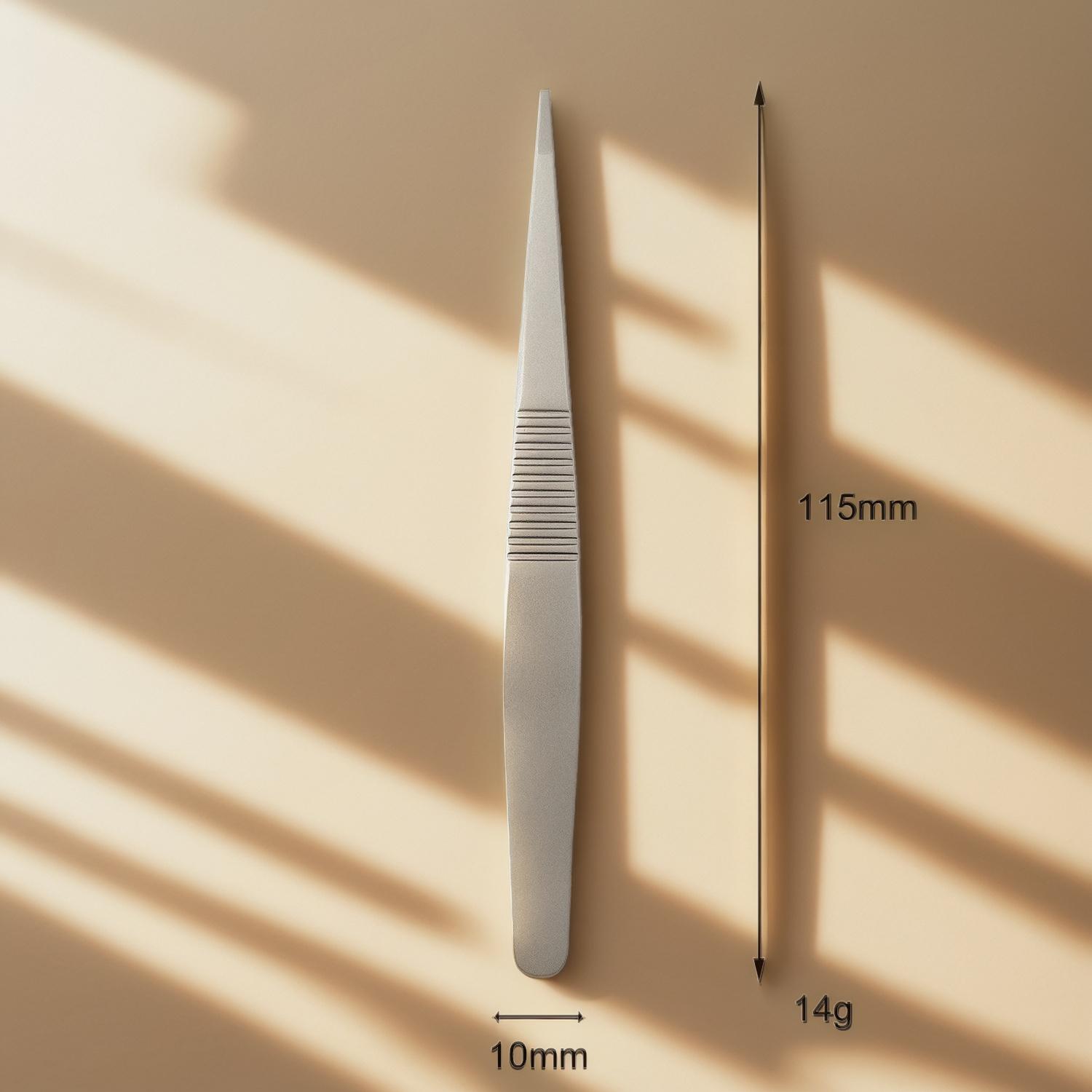
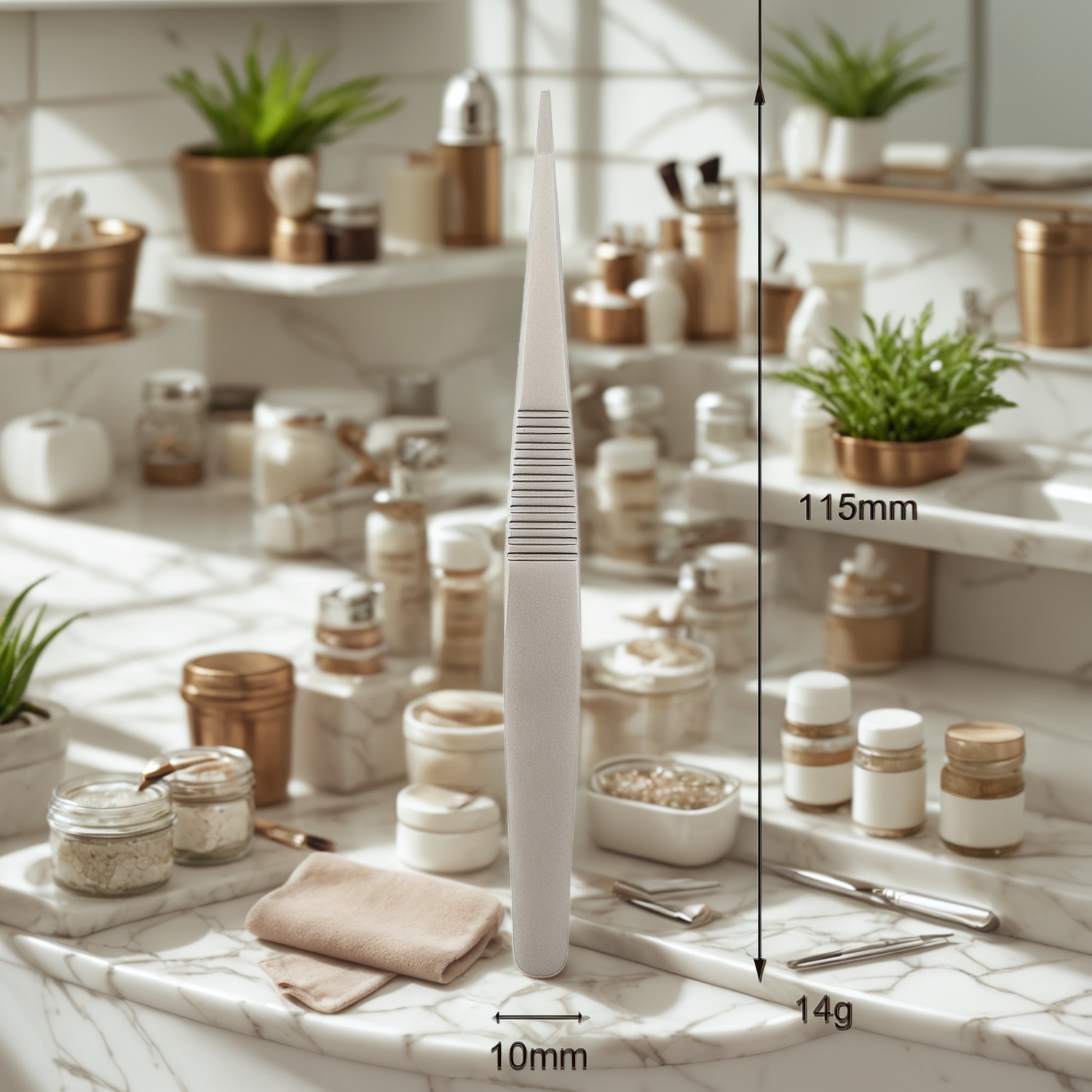
The supplied product information refers to stainless steel precision tweezers crafted for accuracy in beauty and crafting tasks. It also notes an ergonomic, durable stainless steel construction, a 115 mm length, and a lightweight design intended to reduce hand fatigue. These are useful reference points when reviewing samples because they connect product dimensions and handling with real user needs.
When building your specification, avoid vague requests such as “high quality tweezers.” Instead, describe the qualities you expect and how they should be checked. For example, ask for details on tip alignment, surface finishing, edge smoothness, packing method, and whether the design is suitable for beauty or crafting tasks. If you are still comparing categories, browse Olimor’s beauty tool products to understand how tweezers may fit within a broader sourcing plan.
Key Selection Criteria for Stainless Steel Precision Tweezers
Small tools can create large customer satisfaction issues when they are poorly made. A tweezer that looks acceptable in photos may fail when used to grip a fine hair or small decorative component. For import buyers, the goal is to turn subjective quality into simple, repeatable checks.
- Tip alignment: The two tips should meet evenly without twisting or visible gaps. Misalignment reduces grip accuracy.
- Tip finish: Tips should feel clean and controlled, not rough, sharp in unintended areas, or uneven.
- Grip tension: The tweezer should close smoothly with enough spring to return to position, without feeling too stiff during repeated use.
- Material and surface: Since the product is described as stainless steel, confirm the appearance, finish consistency, and resistance to visible marks during normal handling.
- Length and comfort: A 115 mm tweezer length can suit detailed beauty and craft tasks, but sample testing should confirm that it feels balanced for your market.
- Weight and handling: A lightweight design may help reduce hand fatigue, particularly for users who perform brow, lash, or craft work for extended periods.
- Packaging protection: Tips should be protected from bending or impact during transport, especially when shipping in cartons internationally.
How to Evaluate a Tweezers Global Supplier
A reliable supplier is not only a factory or trading partner that offers a low price. For beauty tools, the supplier should understand consistent finishing, safe packaging, and communication around order requirements. Olimor Beauty is presented as a supplier specializing in ergonomic and durable stainless steel tools, with internal quality controls. As a buyer, you should still confirm how those controls apply to your order, sample, and packaging requirements.
Use structured questions during early communication. This saves time and makes supplier answers easier to compare. You do not need to demand every technical detail immediately, but you should understand whether the supplier can support the product quality and export process you require.
| Buyer question | Why it matters |
|---|---|
| What tweezer styles, tip shapes, and finishes are available? | Helps match the product to beauty, grooming, craft, or retail use. |
| Can product samples be reviewed before a bulk order? | Allows checks for alignment, grip tension, finish, and packaging. |
| How are tweezer tips protected during packing? | Prevents damage during export handling and long-distance shipping. |
| What product information can be provided for customs and labeling? | Supports smoother import documentation and local compliance review. |
| How is consistency checked before shipment? | Reduces risk of receiving mixed quality across cartons. |
If your project involves a new retail launch, promotional set, or recurring procurement program, it is wise to organize questions before pricing negotiation. You can also contact Olimor to discuss product suitability, available information, and export communication for your market.
Request Samples and Test Them Like Your Customers Would
Samples are essential when importing tweezers from China. Product photos can show shape and finish, but they cannot prove grip accuracy or comfort. A sample review should be practical rather than decorative. Give the samples to someone who understands the intended use, whether that is eyebrow grooming, lash work, general beauty retail, or craft handling.
Create a simple test routine. Open and close the tweezer repeatedly to evaluate tension. Check whether the tips meet cleanly from different angles. Use the tweezer on fine materials to judge control. Hold it for several minutes to see whether the shape and weight feel comfortable. Inspect the surface under normal light for scratches, stains, or uneven finishing. If the product is intended for retail shelves, review the packaging from a customer perspective: Is it clean, protective, and easy to understand?
Document your comments with photos and short notes. Instead of writing “bad tip,” write “left tip extends slightly beyond right tip” or “tips meet at the edge but show a center gap.” Clear feedback helps the supplier respond accurately and helps your internal team decide whether to proceed, revise, or compare alternatives.
Plan Import Documents, Customs Codes, and Labeling Early
International tweezers trade involves more than choosing a product. Importers need to prepare documents and review destination-market requirements. Common commercial documents may include a quotation, proforma invoice, commercial invoice, packing list, and shipping documents. Depending on the country or region, customs classification, duty rates, labeling rules, and product descriptions may need review before shipment.
A practical approach is to prepare a buyer checklist before placing a bulk order:
- Confirm the product name, material description, quantity, and packaging details on the quote.
- Review customs classification with your broker or import specialist.
- Check whether your market requires specific labeling, warnings, language, or importer information.
- Confirm carton marks and packing list details before the goods leave China.
- Decide whether inspection is needed before shipment, especially for first orders.
- Keep copies of all supplier communications and approved sample references.
This process reduces avoidable delays. Small beauty tools are generally simple compared with complex electronics or cosmetics, but documentation errors can still create customs questions, delivery delays, or unexpected costs.
Choose Shipping and Packaging That Protect Small Tools
Tweezers are compact, but their precision tips can be damaged if packaging is not planned properly. A bent tip can make the product difficult to use, even if the rest of the tweezer looks acceptable. For this reason, packaging should be part of the sourcing discussion, not an afterthought.
For smaller trial orders or urgent samples, air express may be convenient. For larger commercial shipments, air freight or sea freight may be considered depending on volume, timeline, and budget. The right shipping method depends on order size, delivery schedule, and your local import process. The important point is to confirm how units are protected inside inner packaging and how cartons are arranged for export handling.
Discuss whether tips are covered, whether units are individually packed, and whether the outer cartons are strong enough for stacking and movement during transport. If tweezers are part of a larger beauty tool range, consider how they will be packed together with other items. Olimor’s product collections can help buyers think about how individual tools may be organized within a broader product offering.
Build Quality Control Into Repeat Orders
A first successful shipment is only the beginning. Import buyers often face problems when repeat orders drift away from the approved sample. To reduce this risk, keep a sealed reference sample or detailed sample approval record. When placing a repeat order, include the same product description, approved dimensions such as the 115 mm length when applicable, finish expectations, packaging requirements, and any agreed inspection points.
For quality control, a simple inspection plan can be enough for many tweezer orders. Check a defined number of units across different cartons. Review tip alignment, tension, surface finish, cleanliness, packaging condition, and carton labeling. If your team does not inspect in person, use clear photo or video requirements so the review is based on evidence rather than general assurance.
Consistency matters for brand trust. Customers may not know the details of export sourcing, but they immediately notice when a tweezer cannot grip properly or arrives with damaged tips. A disciplined repeat-order process protects both your margin and your reputation.
When to Send an Inquiry
Once you know the intended use, expected quantity, packaging direction, destination market, and sample requirements, you are ready to start a focused sourcing conversation. A good inquiry does not need to be long, but it should be specific enough for the supplier to respond accurately.
Include the product type, intended application, preferred material description, packaging needs, destination country, target timeline, and whether you need samples first. If you are comparing stainless steel precision tweezers for beauty or crafting tasks, mention the details that matter most to your customers, such as grip control, lightweight handling, and clean finishing.
Importing tweezers from China works best when buyers combine product judgment with organized export planning. By checking samples carefully, clarifying packaging, preparing documents early, and maintaining quality records, you can source tweezers that are practical for professional and retail use. To begin a product discussion, you can send an inquiry with your sourcing requirements and destination details.
Tag: