

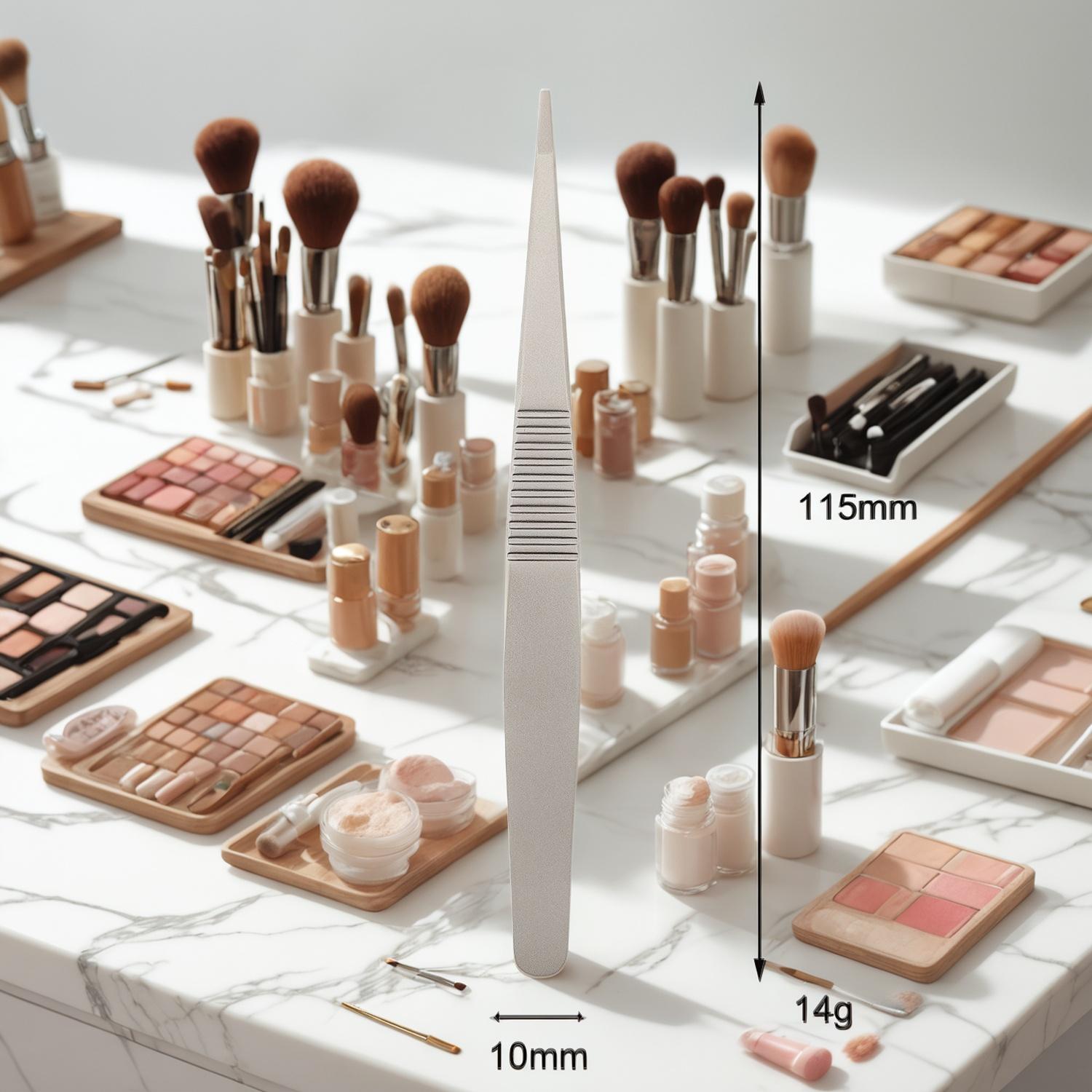
How to Import Tweezers from China for Beauty Tool Buyers
Importing tweezers from China can be a practical sourcing route for beauty brands, salon suppliers, wholesalers, online retailers, and purchasing teams that need consistent beauty tools at commercial scale. Tweezers look simple, but small differences in tip alignment, grip texture, finishing, packaging, and inspection standards can affect customer satisfaction and repeat sales. A good sourcing process should therefore look beyond unit price and focus on whether the product is suitable for its intended market.
This guide explains how to plan a tweezer import project, compare suppliers, review samples, prepare packaging requirements, and reduce common risks before shipment. It is written for buyers who want a clear workflow rather than generic import advice.
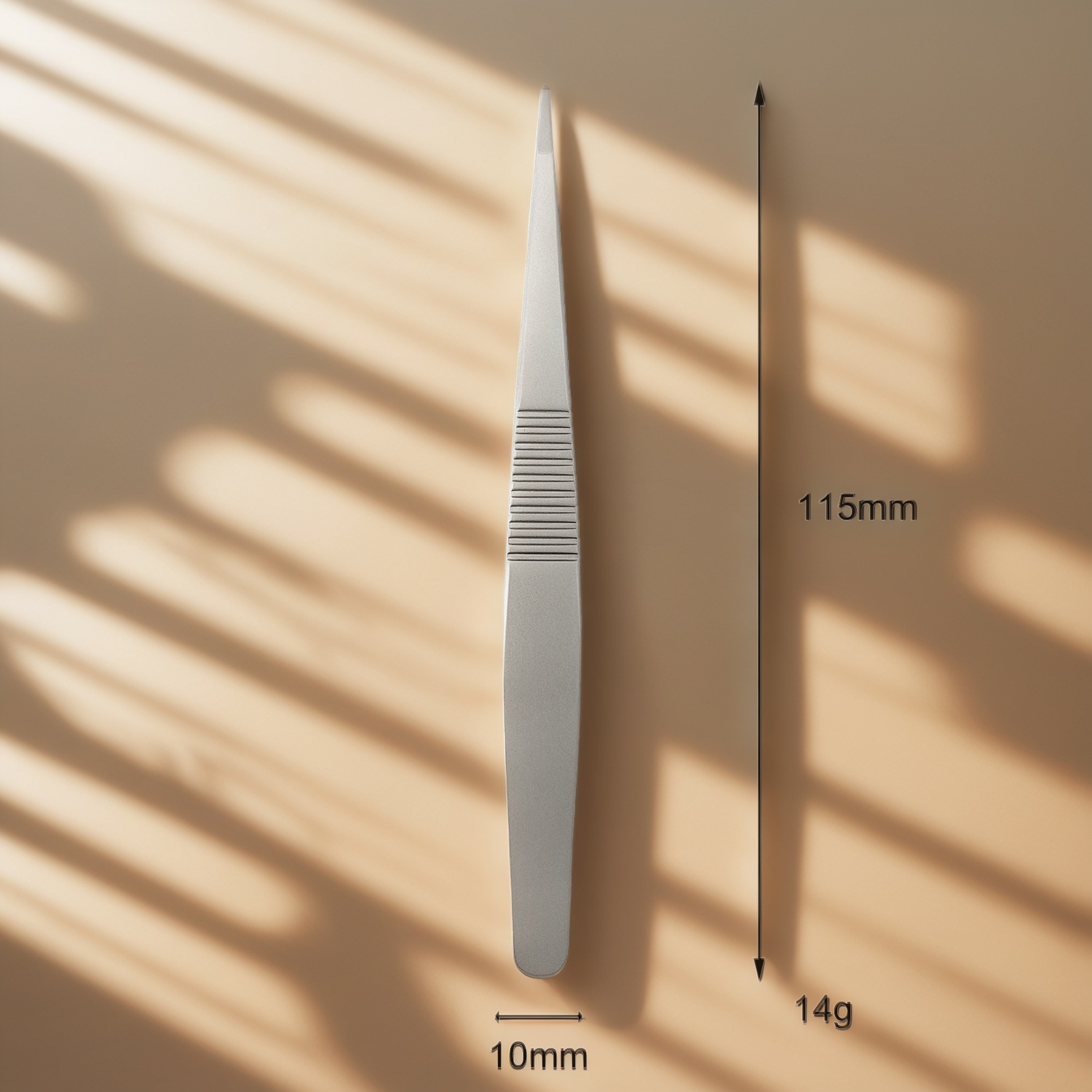
Understand the Product Before You Source
Before comparing quotations, define the type of tweezers you need and how the customer will use them. Beauty tweezers may be used for eyebrow shaping, lash work, facial hair removal, manicure details, or general grooming. Each use case places different pressure on the tip shape and hand feel.
For example, a slanted tip is commonly chosen for brow grooming because it offers visibility and controlled pulling. A pointed tip is better for very fine work but can require more careful handling. Flat and straight tips may suit general use or specific retail sets. If you are buying for a professional channel, consistency across units is often more important than decorative packaging. If you are selling through retail or e-commerce, the customer’s first impression of the finish, case, and instructions may matter more.
Useful product decisions to clarify include:
- Tip style: slanted, pointed, straight, flat, or a combination in a set.
- Grip preference: smooth, textured, coated, or shaped for easier control.
- Finish: polished, matte, colored, or another surface treatment available from the supplier.
- Packaging: individual sleeve, blister card, paper box, pouch, or retail-ready kit.
- Sales channel: salon supply, private label retail, online marketplace, gift set, or promotional bundle.
You can review broader categories of beauty tool products to see how tweezers may fit into a wider sourcing plan that includes mirrors, manicure tools, lash tools, or other grooming accessories.
Map the Import Process Step by Step
A successful tweezer import project usually follows a predictable sequence. Skipping early checks can create delays later, especially when packaging artwork, customs documents, or final inspections are handled too late.
- Create a product brief. Include the tweezer type, intended users, finish preferences, packaging concept, target market, and any labeling requirements.
- Shortlist suppliers. Compare companies based on product focus, communication quality, sampling ability, quality control process, and experience with export orders.
- Request samples. Test several styles rather than choosing from photos alone. Tip alignment and grip comfort must be checked by hand.
- Confirm packaging and artwork. Make sure packaging size, barcode placement, warning text, logo position, and language requirements are reviewed before production.
- Approve a final sample. Keep an approved sample or clear reference photos so production can be compared against the agreed version.
- Plan inspection. Define what will be checked, such as appearance, tip closure, surface finish, packaging accuracy, and carton marks.
- Arrange shipping and documents. Work with your freight partner or supplier to prepare the invoice, packing list, shipping details, and customs information required for your country.
For buyers who are still comparing product options, Olimor Beauty’s product collections can help frame tweezers as part of a larger beauty tool assortment rather than a single isolated item.
How to Evaluate a Tweezers Global Supplier
When sourcing tweezers from China, supplier evaluation should be structured. A low quote is not meaningful if the supplier cannot maintain consistent quality or communicate clearly during sample revisions. The right supplier should understand both the tool itself and the export process.
Use the following checklist during supplier comparison:
| Evaluation Area | What to Check | Why It Matters |
|---|---|---|
| Product focus | Whether the supplier regularly handles beauty tools and tweezers | Specialized experience can reduce sampling mistakes |
| Sample quality | Tip alignment, tension, grip feel, surface finish, and packaging sample | Photos do not reveal how the tweezer performs in hand |
| Communication | Clear answers, realistic timing, and careful confirmation of details | Poor communication often becomes a production risk |
| Inspection approach | How appearance, function, and packaging are checked before shipment | Small defects can affect retail reviews and returns |
| Export support | Ability to prepare basic commercial documents and coordinate shipment details | Importers need accurate paperwork for customs clearance |
Olimor Beauty works with beauty tool buyers who need practical sourcing support, product comparison, and order communication. If you are planning a project and need to clarify feasible options, you can contact Olimor with your product brief.
Sample Review: What to Test Before Ordering
Tweezer samples deserve careful inspection because many quality issues are visible before mass production begins. Do not approve a sample based only on appearance. Test how the tweezer closes, how it picks up fine hair or material, whether both tips meet evenly, and whether the tension feels comfortable after repeated use.
When reviewing samples, check these points:
- Tip meeting: The two tips should align properly when closed, without obvious gaps or crossing.
- Edge feel: Tips should be functional without feeling rough or unsafe for the intended beauty use.
- Tension: The tweezer should not require excessive force, but it should return reliably after pressure is released.
- Surface finish: Look for scratches, uneven coating, stains, burrs, or discoloration.
- Grip area: Texturing or shaping should support control rather than irritate the fingers.
- Packaging fit: The tool should sit securely in its sleeve, card, pouch, or box without damaging the finish.
If you are ordering multiple tweezer styles, label each sample clearly and record comments in a comparison sheet. This prevents confusion when revising artwork or confirming final order details weeks later.
Packaging, Labeling, and Brand Presentation
For retail and e-commerce importers, packaging is part of the product. A well-made tweezer in weak packaging can still receive poor feedback if the card bends, the sleeve scratches the finish, or the customer cannot understand the intended use. Packaging also affects shipping efficiency because bulky retail packs increase carton volume.
Before production, decide whether your customer needs minimal protective packaging or full shelf-ready presentation. For online sales, packaging must survive parcel handling and still look presentable when opened. For salon supply, simple protective packaging may be more practical if professionals reorder based on tool performance rather than display appeal.
Labeling should be reviewed for your destination market. Depending on where you sell, you may need product name, importer information, country of origin, barcode, usage notes, safety warnings, or recycling marks. Requirements vary by market and sales channel, so it is sensible to prepare your own checklist and confirm it before artwork approval.
Quality Control Before Shipment
Quality control for tweezers should focus on both function and appearance. Because tweezers are small, even minor defects are easy for customers to notice at close range. A practical inspection plan may include checking a defined quantity from different cartons, comparing goods with the approved sample, and reviewing packaging accuracy.
Common inspection points include tip alignment, tension, finish consistency, logo or artwork placement if applicable, individual packaging condition, carton labeling, and total quantity. If your order includes several colors or tip styles, carton separation and labeling become especially important.
For branded or private label projects, keep records of approved artwork files, packaging dimensions, sample photos, and inspection comments. These records make repeat orders more efficient and reduce disputes if a later batch differs from the agreed standard.
Shipping and Customs Planning
Shipping should be planned early, not after production is complete. Tweezers are compact, but packaging style, carton size, and order quantity can affect freight cost. Buyers commonly compare air freight, sea freight, courier, or consolidated shipping depending on urgency and volume. Each option has trade-offs in cost, speed, tracking, and customs handling.
Your freight paperwork will typically include a commercial invoice, packing list, shipping marks, and product description. The importer is responsible for understanding destination customs rules, duties, and any market-specific requirements. Clear product descriptions help avoid confusion during clearance; vague descriptions can cause unnecessary questions.
If you are new to importing beauty tools, start with a manageable order plan and use the first shipment to evaluate real landed cost, delivery timing, packaging durability, and customer feedback. The information gained from the first order is often more useful than chasing the lowest possible first quote.
Build a Better Long-Term Sourcing Plan
Importing tweezers from China is not only a purchasing task; it is a product management decision. The best results come from matching the tweezer design to your audience, confirming samples carefully, organizing packaging details, and setting realistic quality checks before shipment.
As your sales grow, you may want to expand from a single tweezer to a coordinated beauty tool range, a travel grooming set, or a private label assortment. In that case, keep your specifications organized and review customer feedback after each shipment. Complaints about grip, sharpness, packaging damage, or finish should be converted into measurable requirements for the next order.
Olimor Beauty supports buyers looking for beauty tool sourcing options and practical order communication. If you are preparing a tweezer import project, you can send an inquiry with your target product type, packaging idea, destination market, and expected sales channel so the discussion starts with clear purchasing criteria.
Tag: