

How to Import Nail Clippers from China Successfully
Importing nail clippers from China can be a strong option for distributors, beauty retailers, personal care brands, salon suppliers, and promotional product buyers. Nail clippers are compact, practical, and widely used, but they still require careful sourcing because the buyer is not only purchasing a metal tool. You are purchasing cutting performance, hand comfort, packaging consistency, export documentation, and a dependable production process.
China has a mature supply base for grooming tools, including nail clippers made for retail, travel kits, salon resale, and personal care assortments. The challenge is not simply finding a supplier; it is choosing a product and supply partner that fit your market, quality expectations, and import workflow. This guide explains the key decisions to make before placing an order and how to reduce risk from sample stage to delivery.
Start With the Nail Clipper Type Your Market Actually Needs
Before contacting factories or trading companies, define the product clearly. A nail clipper may look simple, but small differences affect customer satisfaction and repeat sales. Some buyers need a compact everyday clipper for retail shelves, while others want grooming kit components or professional-looking tools for beauty channels.
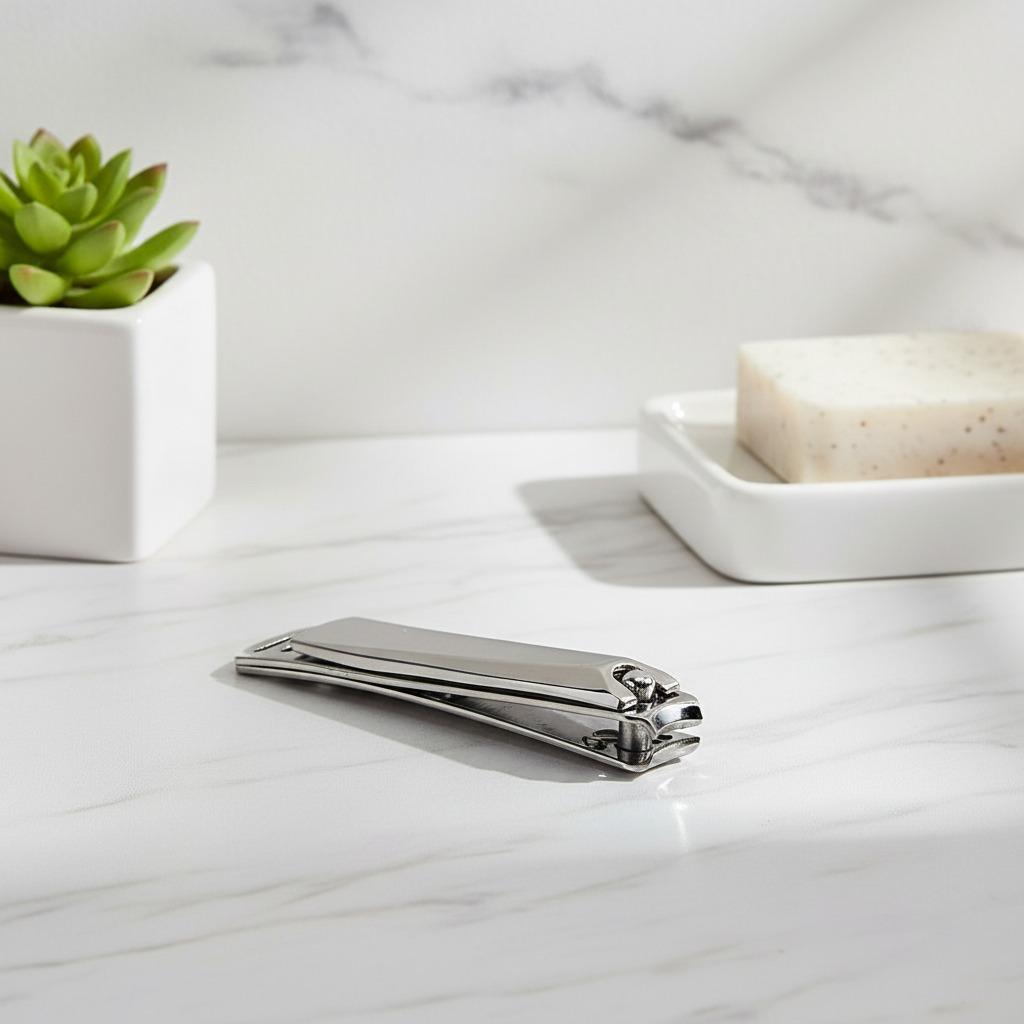
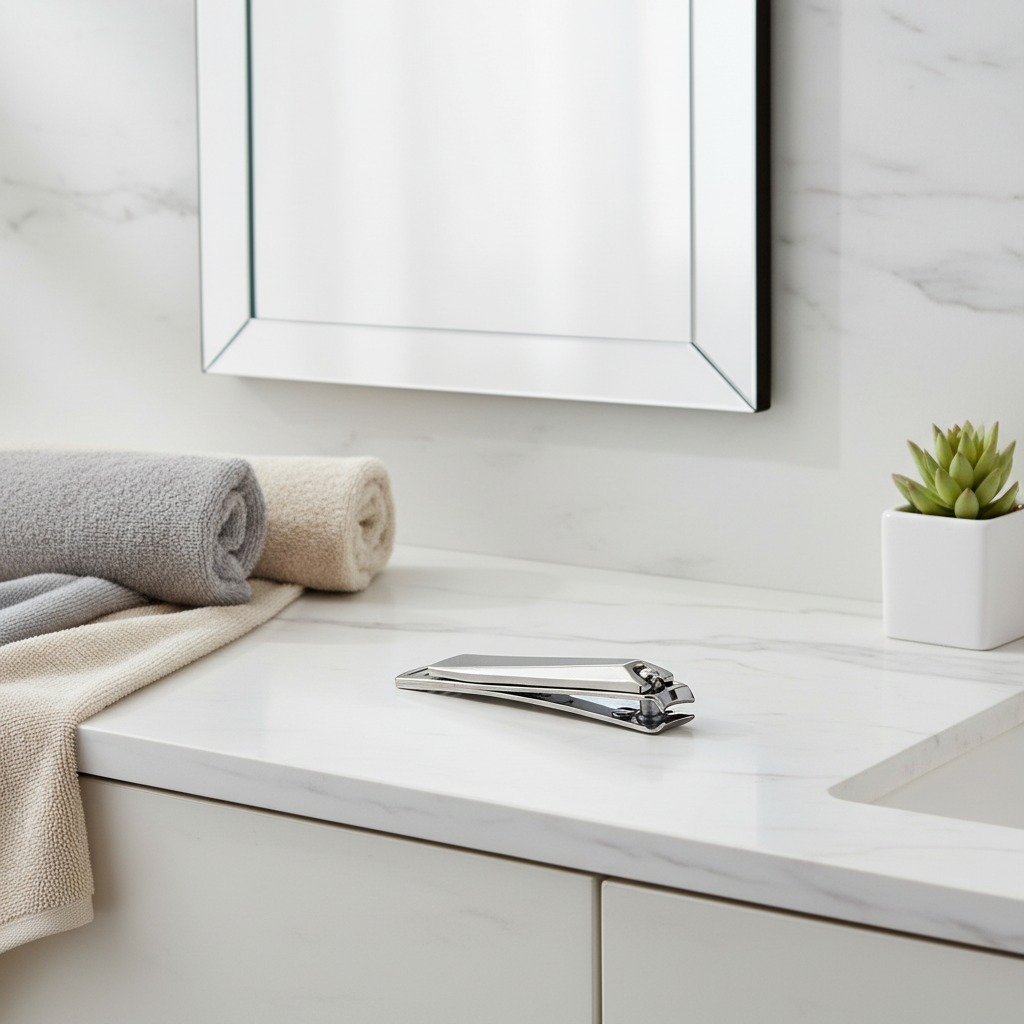
The supplied Olimor Beauty nail clipper is described as having stainless steel construction, an ergonomic design, sharp blades, and a built-in nail file. It is also described as sleek and compact, measuring 70 mm in length and weighing 30 grams. Those details matter because they help buyers position the product: compact enough for travel or daily personal care, but substantial enough to feel stable in the hand.
When comparing options, consider the end user first. A travel retail buyer may prioritize small size and low packaging weight. A salon supplier may focus more on blade sharpness and comfort during repeated use. A gift set buyer may need consistent finish and packaging appearance. If you are building a broader personal care range, review Olimor's beauty tool products to compare nail tools with other grooming accessories before finalizing your selection.
Quality Points to Check Before You Place a Bulk Order
Nail clippers are judged quickly by the person using them. If the blades are dull, misaligned, rough at the edges, or uncomfortable to press, the product will feel low quality even if the packaging looks good. For import buyers, the most important quality control work happens before mass production begins.
Request a physical sample and inspect it as a customer would. Open and close the lever several times. Clip different nail thicknesses if appropriate for your evaluation. Check whether the blades meet evenly, whether the file is usable, whether the edges feel smooth, and whether the tool sits comfortably in the hand. Stainless steel construction is a useful feature, but buyers should still assess finish, burrs, surface marks, and resistance to staining under normal handling.
- Blade alignment: The cutting edges should meet cleanly without visible gaps or twisting.
- Cutting feel: The clipper should cut with controlled pressure, not crush or tear the nail.
- Lever movement: The lever should move smoothly and return without looseness that feels unstable.
- Surface finish: Check for scratches, sharp corners, staining, uneven polishing, or rough filing surfaces.
- Ergonomics: The tool should be comfortable for the intended user group, especially if used frequently.
- Packaging fit: The clipper should sit securely in its retail or bulk packaging to reduce movement during transport.
For larger orders, define an approved sample and keep it as the reference. Your purchase order and inspection plan should refer to this approved sample so that size, weight, finish, blade feel, packaging, and labeling remain consistent.
Choose a Supplier Based on Process, Not Only Price
Low unit pricing can be attractive, especially when importing a compact item such as nail clippers. However, price alone does not tell you whether the supplier can maintain consistent blade sharpness, manage packaging details, or prepare export documents on time. A better approach is to evaluate how the supplier communicates and controls the order.
A reliable nail clipper export partner should be able to discuss material, finish, sample approval, packaging, carton details, inspection arrangements, production timing, and shipping documents in a clear way. If you need private labeling, confirm artwork requirements and approval steps before production. If you need an assortment or a grooming set, confirm how each component will be packed and identified.
Olimor Beauty focuses on beauty tools and grooming accessories, which helps buyers who want to source related items in one place rather than handling each tool category separately. You can also browse product collections to understand how a nail clipper may fit into a wider retail or salon-oriented product line.
When comparing suppliers, prepare the same question list for each one. This makes responses easier to compare and helps you identify vague answers early. Avoid judging only by catalog photos; a polished image does not confirm blade performance, packing reliability, or export readiness.
Plan Compliance, Documents, and Import Requirements Early
Import rules vary by destination country, sales channel, and packaging claim. Nail clippers are generally straightforward compared with electrical beauty devices, but buyers still need accurate commercial documentation and correct product descriptions. Delays often happen because product names, quantities, invoice values, carton counts, or country of origin details are inconsistent across documents.
Common paperwork for international nail clipper trade may include a commercial invoice, packing list, bill of lading or air waybill, and certificate of origin when required by the destination or buyer. Depending on your market, you may also need to review labeling rules, barcode placement, language requirements, and any retailer-specific packaging standards. If you are unsure which documents apply, coordinate with your customs broker or freight forwarder before production is finished rather than after the cargo is ready.
For smooth customs clearance, make sure the product description is specific. For example, describe the goods as nail clippers or stainless steel nail clippers when accurate, rather than using a vague term such as beauty accessories. Clear descriptions reduce confusion and help your logistics partners classify the shipment more efficiently.
Packaging Decisions That Affect Cost and Customer Experience
Because nail clippers are small and relatively dense, packaging decisions can significantly affect landed cost and customer perception. A retail blister card, paper card, pouch, box, or bulk pack will each influence carton size, labor requirements, shelf appearance, and freight efficiency. If the clipper includes a built-in nail file, the packaging should prevent abrasion against printed surfaces or other items.
Before approving packaging, test how the product looks after simulated handling. Retail packs may rub during shipping, and bulk-packed metal tools can mark each other if not separated properly. If the product will be sold online, packaging must also protect the item through parcel handling, not only pallet shipment.
| Packaging choice | Best use case | Buyer check |
|---|---|---|
| Bulk pack | Salon supply, kit assembly, repacking | Confirm separation method to reduce scratching |
| Retail card or blister | Store shelves and hanging displays | Check print quality, hang hole strength, and barcode position |
| Small box | Gift sets, e-commerce, premium presentation | Confirm inner fit so the clipper does not rattle or damage the box |
| Pouch | Travel kits or grooming sets | Check material durability and whether the clipper edges create wear |
Packaging is also where many avoidable errors occur. Review spelling, legal company details, importer information, product claims, barcode numbers, and country-of-origin wording before mass printing. Small artwork mistakes can become expensive if discovered after production.
Shipping, Inspection, and Risk Control for Nail Clipper Orders
For nail clippers, the right shipping method depends on order size, timeline, packaging volume, and destination. Air freight may be practical for urgent smaller orders, while sea freight can be more cost-effective for larger quantities. Because the item is compact, buyers sometimes underestimate total shipment weight; always confirm gross weight, carton dimensions, and packing method before booking.
A pre-shipment inspection can be useful when the order is large or when selling through a channel with strict returns policies. Inspection criteria should match the product risk: blade function, surface defects, lever movement, quantity, packaging accuracy, carton markings, and approved sample comparison. If the clipper is part of a kit, inspect the complete kit assembly as well as the individual clipper.
- Approve the physical sample and packaging artwork before production.
- Confirm purchase order details, including product description, quantity, packaging, and shipment terms.
- Set inspection criteria in writing before the goods are finished.
- Review packing list, invoice, carton marks, and shipping schedule before cargo pickup.
- Keep a retained sample and shipment photos for future reorders.
Payment terms, insurance, and responsibility for freight should also be clear. Your contract or purchase order should show what is included in the price and what remains your responsibility after shipment. This reduces misunderstanding when coordinating freight forwarders, customs brokers, and warehouse receiving teams.
Build a Repeatable Sourcing Workflow
The first import order often takes the most work because the buyer is confirming product expectations, documentation, packaging, and logistics all at once. The goal is to turn that first order into a repeatable workflow. Keep records of approved samples, photos, inspection reports, artwork files, carton dimensions, shipment documents, and any customer feedback after launch.
For reorders, do not assume every detail will automatically remain the same. Confirm whether the supplier will use the same material, finish, packaging structure, artwork version, carton count, and shipping method. Even small changes can affect reviews, retailer approval, or landed cost.
If you are comparing nail clippers or planning a wider beauty tool import program, you can contact Olimor to discuss available product directions or send an inquiry with your target market, packaging preference, and expected order plan. A clear inquiry helps the sourcing conversation move quickly and reduces the risk of mismatched samples.
Successful importing is not about choosing the cheapest nail clipper on a marketplace. It is about matching the tool to your customer, approving a sample that performs well, controlling packaging details, preparing accurate documents, and working with a supplier that communicates clearly from sample stage through shipment. With a disciplined process, importing nail clippers from China can become a dependable part of your beauty tools business.
Tag: