

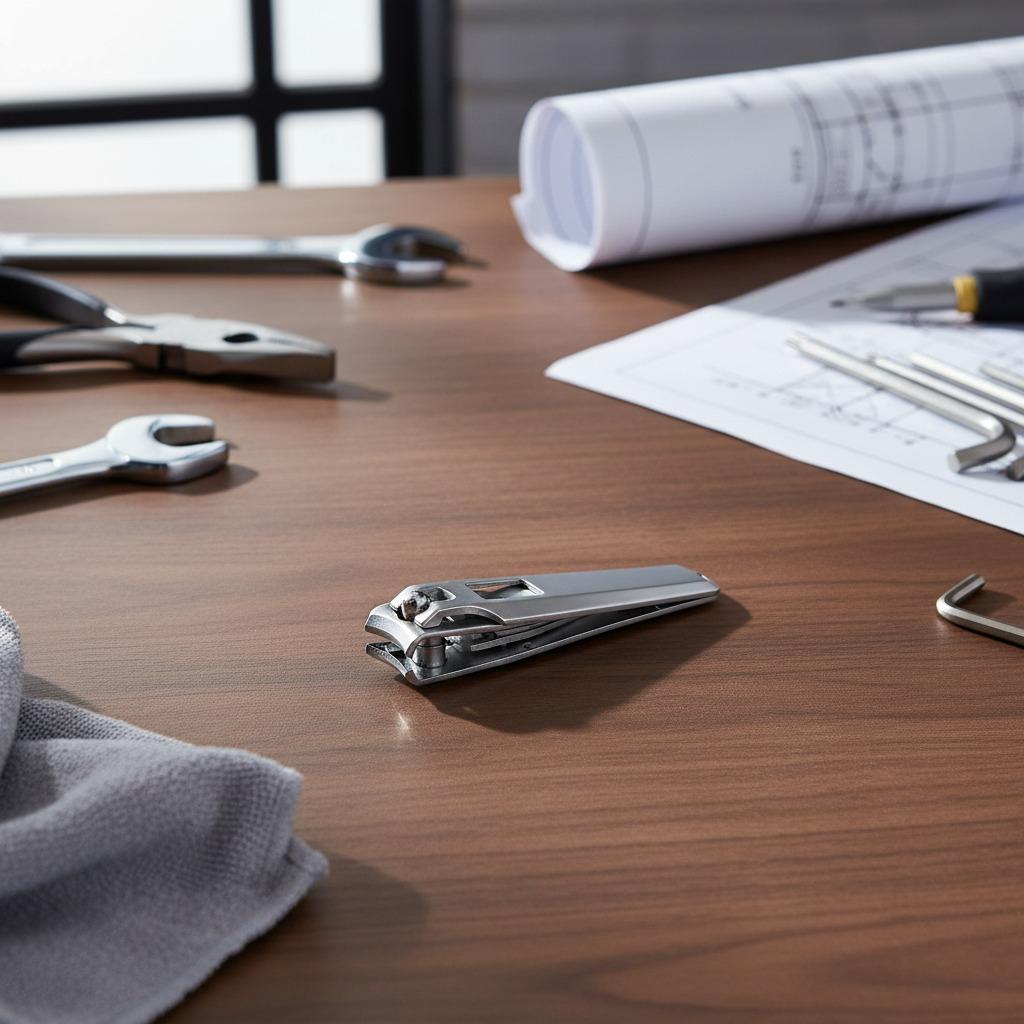
How to Import Nail Clippers from China: Practical Sourcing Guide
Importing nail clippers from China can be a smart sourcing route for beauty brands, wholesalers, grooming retailers, e-commerce sellers and promotional product buyers. Nail clippers are compact, easy to ship compared with bulky beauty equipment, and widely used across personal care, salon, travel and gift markets. The challenge is not simply finding a low price. A buyer needs to evaluate cutting performance, finish consistency, packaging suitability, export readiness and supplier communication before committing to a production order.
China remains an important manufacturing base for grooming tools because buyers can compare many factories, finishes and packaging options in one sourcing market. A simple stainless steel nail clipper may look standard at first glance, but small differences in blade alignment, lever tension, edge sharpness, plating, polishing and packing can decide whether the product feels reliable or cheap. This guide explains what to check before importing nail clippers from China and how to make sourcing decisions that support repeat sales rather than one-time purchasing.
Start with the Product Type and Use Case
Before comparing quotes, define the nail clipper you actually need. Buyers often begin with a broad request such as “stainless steel nail clipper,” but suppliers may interpret that differently. A clipper intended for a travel kit, a salon retail counter, a hotel amenity pack and a premium gift set may require different size, weight, surface finish and packaging.
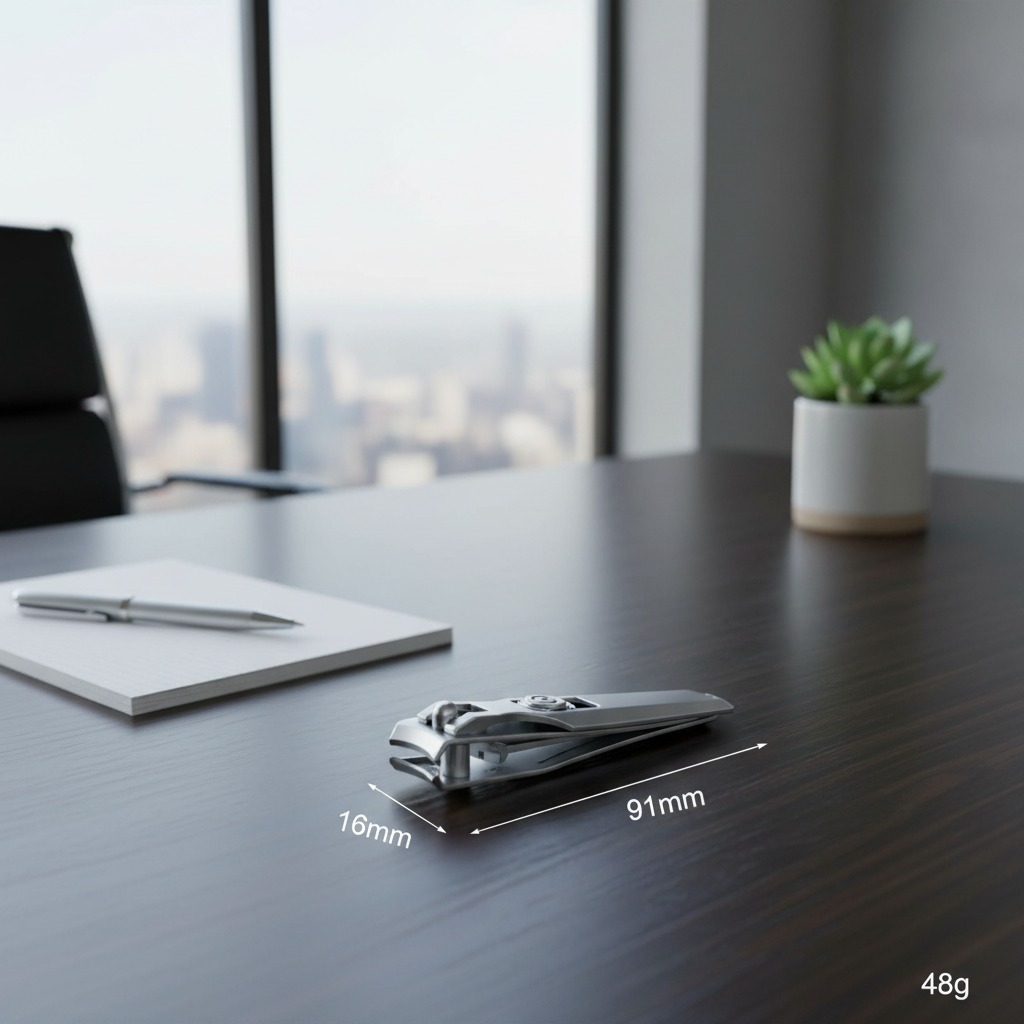
The supplied example of a sleek nail clipper measuring 91 mm and weighing 48 grams shows why dimensions matter. A 91 mm clipper may feel more substantial than a mini travel clipper, while a 48 gram weight can suggest a more solid hand feel without being difficult to carry. Those numbers are useful reference points when comparing samples because they help buyers judge whether the product suits retail, professional or portable use.
- Retail beauty brands: focus on polished appearance, comfortable grip, attractive packaging and consistent finish across batches.
- Wholesale grooming distributors: prioritize stable quality, carton durability, barcode or labeling needs and repeat-order availability.
- Travel and amenity buyers: need compact size, clean edges, protective packaging and efficient shipping weight.
- Salon and professional channels: require reliable cutting action, easy handling, resistance to everyday wear and simple sanitation.
- Gift set assemblers: should check visual matching with other tools, foam insert fit, box presentation and surface scratch resistance.
For broader sourcing context, buyers can review Olimor’s beauty tool products and compare how different personal care tools are presented for product planning.
Key Quality Checks for Nail Clippers
A nail clipper is a mechanical item, so the main quality questions are practical: does it cut cleanly, does it feel balanced, and will it remain presentable after handling, packing and transport? A low unit cost has little value if the blade crushes nails, the lever feels loose or the surface scratches easily before it reaches the customer.
When reviewing samples, test several pieces rather than one perfect sample. Pay attention to the following points:
- Blade alignment: the two cutting edges should meet evenly. Misalignment can cause tearing, uneven cutting or pressure marks.
- Cutting sharpness: the clipper should cut smoothly with moderate pressure. It should not require excessive force.
- Lever action: the lever should open and close predictably without wobbling or feeling unstable.
- Surface finish: polishing, plating or coating should appear even. Check for pits, burrs, stains, fingerprints and edge roughness.
- Hand comfort: hold the clipper in different positions to confirm grip, pressure points and ease of use.
- Consistency: compare multiple samples for size, weight, color tone, logo placement if applicable and packaging fit.
For any order, a written inspection checklist is more useful than a vague request for “good quality.” It gives both buyer and supplier a shared standard. If a nail clipper is specified as 91 mm and 48 grams, those dimensions can be added to the checklist with an acceptable tolerance agreed before production. Do not assume that every batch will match the first sample unless requirements are documented.
China Sourcing Compared with Other Regions
The international nail clipper trade includes producers in different regions, each with different strengths. European and North American sources may appeal to buyers looking for local production, shorter domestic communication chains or specific positioning. Domestic sourcing can also simplify certain regulatory and delivery questions. However, it may involve higher labor costs, fewer style options or less flexibility for multi-item beauty tool programs.
China’s advantage is the depth of its manufacturing ecosystem. Buyers can often compare multiple nail clipper shapes, lever styles, finishes, sizes and packaging methods through one sourcing channel. This can be especially useful for businesses building a grooming category rather than ordering a single item. Instead of developing only one clipper, a buyer may need related tools, matched finishes or packaging formats. Visiting Olimor’s product collections can help buyers think about how a nail clipper may fit into a wider personal care assortment.
The right region depends on the business model. A luxury niche brand may choose a smaller production route with a highly specific material story. A volume retailer may prefer a source that can support consistent replenishment, clear packing instructions and competitive landed cost. For most importers, the decision should be based on total value: product performance, failure rate, packaging damage, logistics cost, communication speed and ability to repeat the same specification later.
Supplier Evaluation Before You Place an Order
Finding a nail clipper global supplier is only the first step. The next step is confirming whether that supplier can support your commercial needs. A supplier that works well for simple bulk goods may not be suitable for retail packaging. A supplier that makes attractive samples may still need clear production controls to keep mass production consistent.
Use a structured review before confirming an order:
| Evaluation Area | What to Check | Why It Matters |
|---|---|---|
| Product sample | Size, weight, blade alignment, lever action, finish and packaging fit | Confirms the item matches your target market before production |
| Specification sheet | Dimensions, finish, packing method, labeling and acceptable tolerances | Reduces misunderstandings during mass production |
| Communication | Response clarity, ability to answer technical questions and confirmation of details | Prevents delays and errors in artwork, packing and shipping |
| Quality process | Incoming material checks, in-process checks and pre-shipment inspection approach | Helps identify issues before goods leave the factory |
| Export readiness | Carton marks, commercial documents, shipping coordination and packing durability | Supports smoother import handling and fewer warehouse problems |
If you are comparing beauty tool sourcing options or preparing a product brief, you can send an inquiry with your intended market, quantity range, packaging needs and target use case. Clear information helps narrow the options faster.
Packaging, Labeling and Retail Presentation
Packaging for nail clippers is not only about appearance. It protects the product surface, prevents movement during transport and communicates basic product information to the buyer or end user. For a sharp metal grooming tool, careless packing can lead to scratches, torn retail cards, dented boxes or loose items inside cartons.
Common packaging considerations include individual poly bags, blister cards, paper boxes, hanging cards, pouches and gift set inserts. The best choice depends on the sales channel. E-commerce sellers may need packaging that survives parcel delivery. Retailers may need hanging display options and scannable labels. Gift set suppliers may need consistent fit inside a tray or box. If the clipper has a polished or coated surface, protective film, tissue wrapping or separated compartments may be worth considering.
Labeling requirements should be checked for the destination market before printing. Buyers should prepare barcode placement, country-of-origin wording, product descriptions, warning language where relevant and any retailer-specific carton requirements. A packaging sample should be reviewed with the actual clipper inside, not only as a flat artwork file.
Compliance and Import Preparation
Importing nail clippers from China requires more than selecting a product. Buyers must prepare commercial documents, understand import duties, classify the goods correctly and ensure that packaging and labeling are acceptable in the destination market. Requirements can vary by country, sales channel and retailer, so import preparation should begin before production is finished.
Useful preparation steps include confirming the product description for customs documents, checking the harmonized tariff classification with a customs broker or qualified import professional, reviewing any retailer compliance manual, and confirming carton dimensions and gross weight for freight planning. If the nail clippers are included in a set with other beauty tools, classification and packaging requirements may differ from a single clipper shipment.
For regulated retail channels, buyers may also need product safety documentation, material declarations or packaging information. Do not wait until the goods are ready to ship before reviewing these points. Late changes to labels or cartons can create delays and extra cost.
Quality Control Before Shipment
Pre-shipment inspection is especially important when importing metal grooming tools. Once goods are shipped overseas, fixing problems becomes expensive and slow. Inspection does not need to be complicated, but it should be specific.
A practical inspection can include random sampling by carton, visual review of finish, functional cutting test, lever movement test, measurement check, logo or artwork verification, packaging drop or compression review where appropriate, and carton mark confirmation. Inspectors should check both the product and the retail packaging because a good clipper in damaged packaging may still be unacceptable for sale.
For repeat orders, keep approved samples and inspection photos. These records make it easier to compare future batches and identify whether a change is acceptable. Over time, a buyer can refine the checklist based on real customer feedback, return reasons and warehouse observations.
Building a Reliable Import Plan
The best import plan balances cost, quality, lead time and market fit. Nail clippers are familiar everyday tools, but successful sourcing still depends on careful decisions: selecting the right size and hand feel, documenting specifications, checking samples, preparing packaging, confirming import requirements and inspecting before shipment.
China can offer strong sourcing advantages for buyers who need competitive pricing, variety and export-oriented production. To get the most value, treat the nail clipper as a product with measurable performance standards rather than a generic commodity. If you are planning a new grooming tool range, comparing existing options or preparing a custom packaging brief, contact Olimor to discuss practical next steps for your beauty tool sourcing project.
Tag: