

How to Buy Tweezers in Bulk: A Retailer’s Practical Sourcing Guide
Tweezers are small tools, but they can create big differences in customer satisfaction. A pair that feels balanced, grips cleanly and holds alignment after repeated use is far easier to sell again than a cheap tool that bends, slips or arrives with uneven tips. For retailers, salons, lash studios, beauty kits and distributors, buying tweezers in bulk is not only about getting a lower unit cost. It is about building a dependable inventory of precision tools that match the way your customers actually use them.
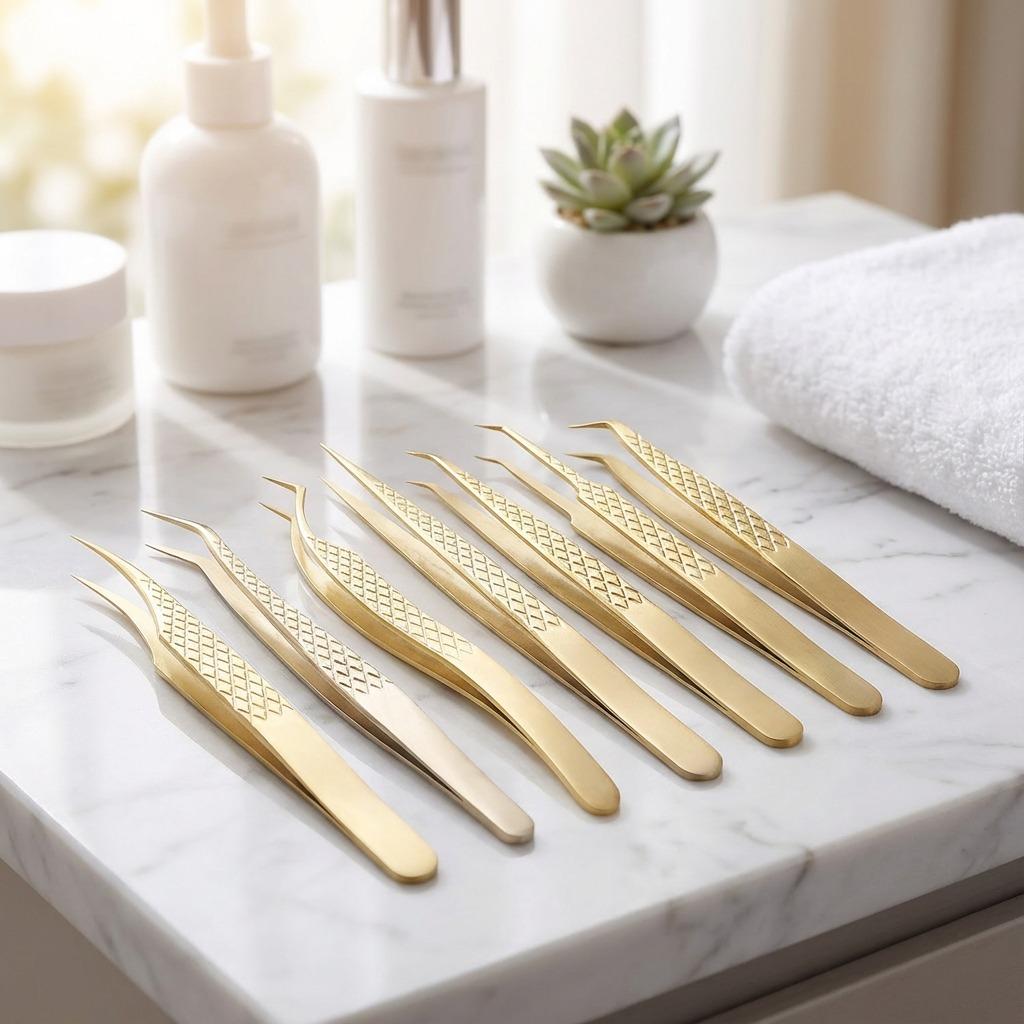
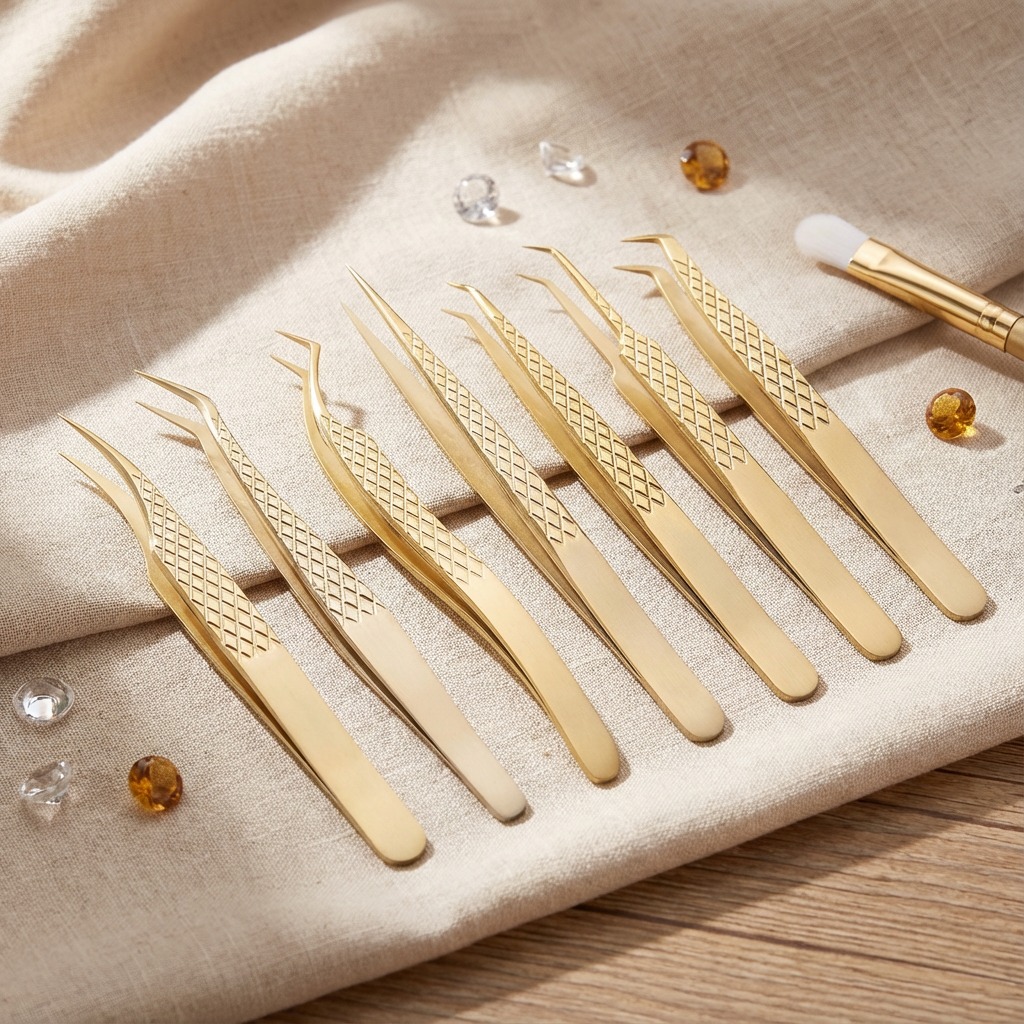
Olimor Beauty supplies beauty tools for professional and retail needs, including precision tweezers such as the Elegant Pro-Series Lux Gold Tweezer Set. The set is described with premium stainless steel, a gold finish, ergonomic design, anti-slip grips and tip options including straight, curved and hooked styles. Those details matter because different users may need tweezers for eyelash extensions, general grooming, brow shaping or professional kit assembly. This guide explains how to evaluate bulk tweezers before you commit to a wholesale order.
Start With the Buyer and Use Case
Before comparing suppliers or negotiating volume, define who will buy the tweezers from you. A retailer selling to everyday grooming customers may prioritize comfortable handling, a neat finish and easy packaging. A lash studio or beauty academy may care more about tip shape, control, grip stability and repeatable performance. A distributor may need consistent assortment planning, barcode-ready packaging or mixed tip types for different customers.
Bulk buying goes wrong when every tweezer is treated as interchangeable. In practice, tip shape, length, weight balance and surface finish affect how the tool performs. The original Olimor product information notes varied lengths from 110 mm to 135 mm, which can support different handling preferences. Shorter styles may feel more controlled for some detail tasks, while longer styles can suit technicians who prefer more reach or a different grip position.
Use your sales channel to guide the mix. If you sell to lash professionals, consider whether straight, curved and hooked tips should all be included. If you sell to consumers, a smaller assortment with clear usage guidance may reduce confusion and returns.
Compare Tweezer Types Before You Compare Prices
The cheapest wholesale tweezers are not always the best purchase. A low price only helps if the product fits your customer, passes inspection and sells through without excessive complaints. When reviewing a bulk tweezer offer, compare the construction and function first, then evaluate price.
- Material: The supplied Olimor information identifies premium stainless steel. Stainless steel is commonly chosen for beauty tools because it can support durability and clean handling when properly made and maintained.
- Finish: A gold finish can improve shelf appeal and help a product look suitable for professional kits or giftable retail presentation.
- Tip design: Straight, curved and hooked tips serve different tasks. Lash extension users may need more than one shape for classic or volume applications.
- Grip: Anti-slip grip features can be important for technicians who work for long sessions or need steady control.
- Ergonomics: A tweezer should feel balanced, not overly stiff, and not so soft that it lacks control.
- Length range: Sizes around 110 mm to 135 mm, as noted in the product information, give buyers options for different hand sizes and techniques.
When you review beauty tool products, treat the tweezer as a functional instrument, not simply a decorative accessory. A polished finish can attract attention, but the tip alignment and closing feel are what usually determine whether the customer buys again.
What Retailers Should Check in a Sample
Sampling is one of the most useful steps in bulk purchasing. A sample helps you check whether the marketing description matches the actual tool. It also gives your purchasing, sales and technical teams a shared reference point before you place a larger order.
Test the sample in the same way your customer would use it. For general grooming, check whether the tips meet evenly and can grip fine hairs without excessive pressure. For lash work, assess whether the tweezer closes predictably and supports controlled isolation or pickup according to the tip shape. For retail display, check whether the finish, packaging and product presentation match the price point you plan to offer.
| Sample check | Why it matters for bulk buying |
|---|---|
| Tip alignment | Uneven tips can reduce grip accuracy and increase complaints. |
| Closing tension | Too stiff can fatigue the hand; too loose can reduce control. |
| Surface finish | Scratches, rough edges or inconsistent color affect perceived value. |
| Grip area | Anti-slip handling supports steadier use during detailed work. |
| Packaging condition | Retailers need products that arrive ready for display or easy repacking. |
| Assortment match | Confirm that straight, curved or hooked tips match your planned range. |
Keep notes from each sample review. If you later compare multiple suppliers or different tip shapes, written evaluation criteria will make the decision more objective than relying on first impressions.
How to Evaluate a Tweezers Manufacturer or Exporter
Choosing a tweezers manufacturer or exporter is partly about product quality and partly about communication discipline. The supplied Olimor information describes internal quality controls that inspect stages from raw materials to packaging. For wholesale buyers, this kind of process focus is important because defects in small tools can be difficult to detect until they reach customers.
When evaluating a supplier, look for clear answers on product range, sample availability, packaging options, export experience and inspection procedures. If you are importing, confirm practical details such as carton labeling, shipment documentation, lead time expectations and how the supplier handles product discrepancies. Avoid relying only on a low quoted unit price. International buying also includes freight, duties, local delivery, inspection time and the cost of slow-moving inventory if the product mix is wrong.
It is also sensible to review whether the supplier can support your assortment over time. A one-time purchase may solve a short-term stock gap, but retailers and distributors usually need repeatable sourcing. Browse available product collections to understand whether the supplier’s broader beauty tool range can support future category planning.
Build a Bulk Order Plan That Protects Cash Flow
Bulk purchasing should be tied to realistic sales forecasts. Buying more can reduce unit cost, but over-ordering may lock cash into inventory that moves slowly. Start by reviewing the last three to six months of sales for similar tools, expected seasonal demand, promotional plans and whether you are introducing a new product category.
A practical order plan can divide inventory into core products and test products. Core products are the tweezer styles you expect to sell consistently. Test products are new tip shapes, finishes or sets that need market feedback before you expand the order. This approach helps you avoid filling the stockroom with products your customers have not yet validated.
- Define the channel: retail shelf, salon use, beauty school kit, online store or distributor resale.
- Choose the assortment: decide whether you need straight, curved, hooked or mixed tweezer options.
- Request and test samples: inspect tip alignment, grip, finish and packaging.
- Estimate demand: use sales history, launch plans and reorder timing.
- Compare total landed cost: include unit price, freight, import charges and internal handling.
- Set inspection rules: decide how many units to check on arrival and what defects are unacceptable.
- Track performance: monitor sell-through, reviews, returns and customer comments for the next order.
If you are uncertain about product mix or need help narrowing options, you can contact Olimor or send an inquiry with your intended market and required tweezer types.
Packaging, Merchandising and Customer Education
For retailers, the tool itself is only part of the buying decision. Packaging and product information help customers understand why one tweezer differs from another. If you offer multiple shapes, explain the likely use case in simple language. For example, a curved or hooked tip may be positioned for lash-related work, while a straight tweezer may be easier for customers to understand for general grooming or precision handling.
Clear merchandising can reduce returns. If customers buy a tip shape that does not match their task, they may blame the product even when the tool is properly made. Use shelf cards, product pages or kit inserts to explain basic care, safe handling and storage. If your buyers are professionals, include more technical notes about control, tension and intended applications.
Gold-finished tweezers can be displayed as a premium-looking tool, but avoid overpromising. Customers still need to know how to store and maintain the tool so the tips stay protected. A simple protective sleeve or careful packaging can make a meaningful difference during shipping and daily use.
Maintenance Advice to Reduce Complaints
Retailers who provide basic maintenance guidance often see better customer satisfaction. Tweezers should be kept clean, dry and protected from drops. The most common performance issue is damaged tip alignment, which may happen if the tool is dropped, stored loosely with heavier items or used for tasks beyond beauty grooming.
Encourage customers to wipe tweezers after use, follow appropriate hygiene practices for their setting and store the tips in a protected position. Professional users should follow their workplace sanitation procedures and inspect tools regularly. If a tweezer no longer grips evenly, forcing it may make performance worse.
For wholesale buyers, maintenance information can be included in online product descriptions, staff training notes or after-sale materials. This turns a simple beauty tool into a better-supported purchase and helps customers understand the value of choosing a well-made instrument.
Final Checklist Before Buying Tweezers in Bulk
Bulk tweezers can be a profitable and reliable category when the purchase is planned around real user needs. Focus on tip performance, material, finish, grip, assortment and supplier reliability before chasing the lowest possible price. A well-chosen bulk order should arrive consistently, display well, perform as expected and support repeat sales.
Before placing an order, confirm the intended use case, test samples, compare total cost, plan the product mix and prepare basic care guidance for customers. With a structured sourcing process, retailers can buy tweezers in bulk with more confidence and build an inventory that serves both everyday grooming customers and professional beauty users.
Tag: