

How to Source High-Quality Wholesale Grooming Tools from China
Wholesale grooming tools should be sourced as core beauty products, not as low-risk accessories. Tweezers, nail clippers, manicure files, scissors, cuticle tools and grooming sets are handled close to the skin and judged immediately by their grip, balance, finish and consistency. A tool that feels rough, loses alignment or arrives with uneven finishing can weaken customer trust across an entire beauty range.
For retailers, salon suppliers, distributors, e-commerce sellers and private-label beauty brands, the sourcing goal is clear: build a dependable supply of grooming tools that perform as expected, look consistent in packaging and support repeat purchases. This guide explains how to evaluate high-quality grooming tools wholesale, how to compare a beauty tools supplier in China, and how to prepare a sourcing inquiry that leads to more accurate samples and quotations.
Olimor Beauty supplies grooming essentials for beauty and personal care markets, including stainless steel tweezers, nail clippers, scissors, files and manicure sets. Buyers can review Olimor’s beauty tool products when planning a retail, salon, travel, gift or private-label assortment.
Start with One Use Case Before Comparing Products
The best wholesale grooming tool sourcing decisions begin with the end user, not the catalog page. Many tools look similar in photos, but a salon technician, a home manicure customer, a beauty academy student and a gift-set buyer will judge the same item differently.
A salon-focused buyer may prioritize repeated handling, easy cleaning, comfortable grip and dependable cutting or gripping performance. A retail buyer may also care about packaging presentation, set composition and perceived value. A travel kit buyer may need compact storage, secure closures and tools that remain protected during transport. A distributor may need a practical range that can be explained clearly to several market segments.
Common wholesale grooming tool categories
- Tweezers: Review tip shape, tip alignment, closing tension, grip texture and surface finish. The two tips should meet cleanly without twisting or leaving a visible gap.
- Nail clippers: Check cutting smoothness, lever stability, edge finishing and comfort during use. The tool should cut cleanly without excessive pressure.
- Scissors: Inspect blade movement, screw tightness, tip safety and opening and closing feel. Smooth movement contributes strongly to perceived quality.
- Nail files: Consider grit feel, edge finishing, durability and whether the file is intended for home care, salon use, travel or disposable replacement.
- Cuticle tools: Look for polished working edges and smooth non-functional edges so the tool feels controlled rather than rough.
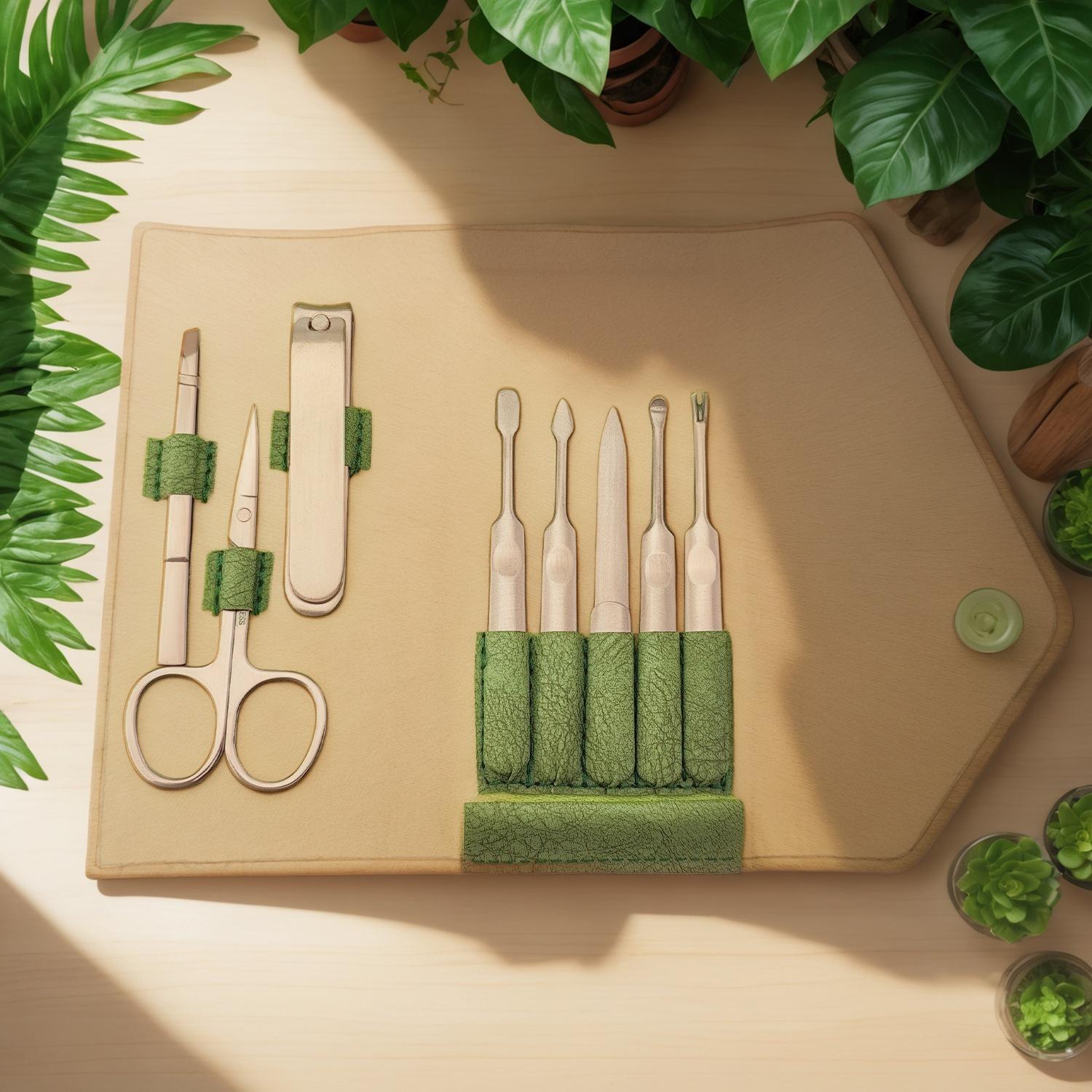
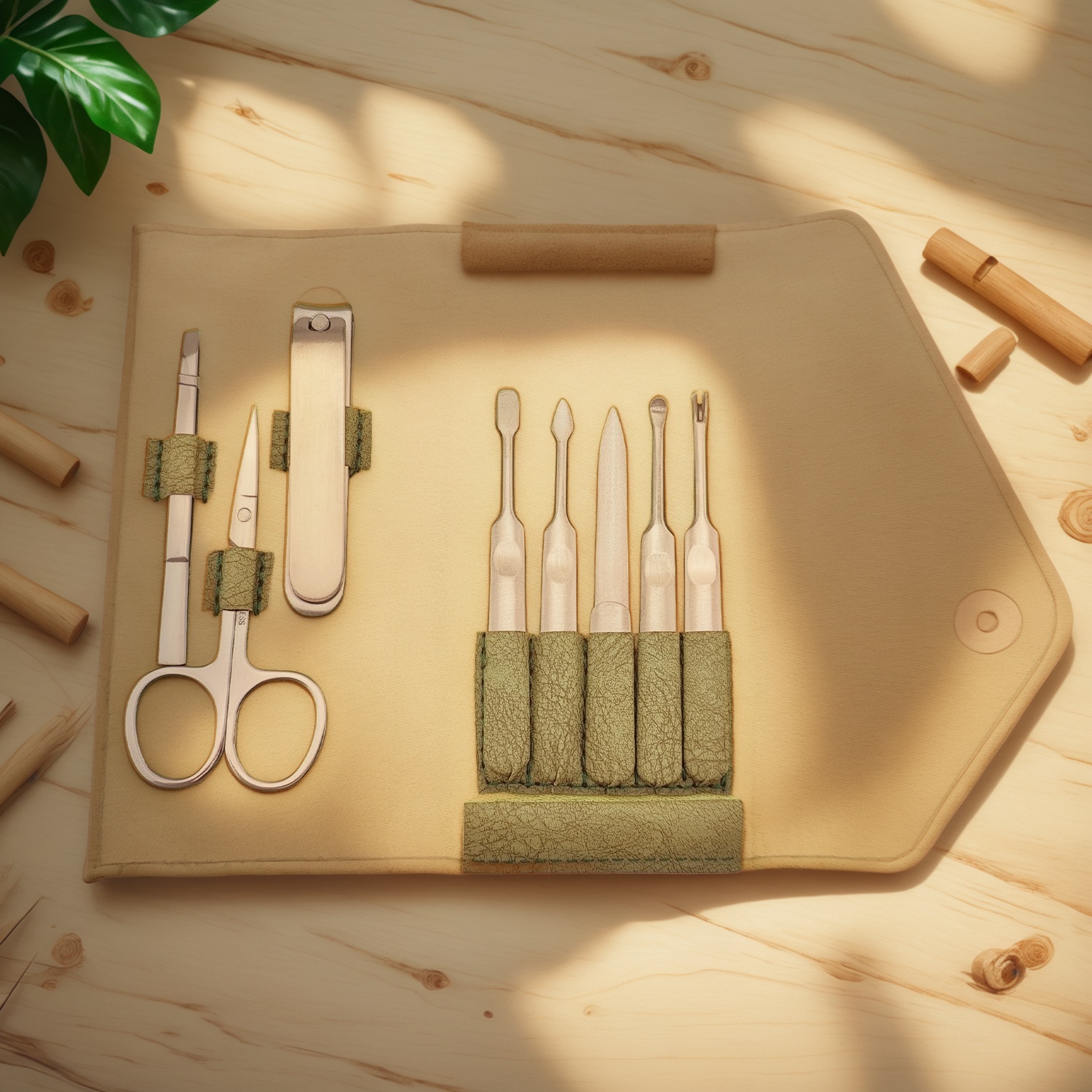
- Manicure sets: Evaluate every item in the set, not only the case. One weak component can reduce the perceived value of the entire kit.
Before sampling, create a short product brief. Include the intended user, sales channel, preferred tool types, packaging direction, finish expectations and any material or claim restrictions. This prevents a common sourcing mistake: choosing a product because it looks attractive while failing to confirm whether it fits the real market need.
What Quality Means in Wholesale Grooming Tools
Quality in grooming tools is a combination of material choice, shaping, polishing, assembly, function, inspection and packing protection. Stainless steel is widely used for grooming tools because it supports a clean appearance and practical durability when processed correctly. However, the words “stainless steel” are not enough to confirm final quality. Two tools may have similar material descriptions but feel very different after forming, polishing, edge treatment and assembly.
Buyers should examine the details customers notice during actual use. Surfaces should be free from obvious scratches, stains, burrs or uneven polishing. Edges that touch the hand should feel smooth. Working parts should be functional and controlled. Tips and cutting edges should be protected during packing so they do not arrive damaged.
Do not rely on one perfect sample. Test several pieces from the same sample batch whenever possible. Consistency is one of the most important signs of a reliable wholesale grooming tools supplier. If several tweezers from one sample set feel different from each other, a larger shipment may create unpredictable customer feedback.
Sample inspection checklist for buyers
| Evaluation area | What to review | Why it matters |
|---|---|---|
| Surface finish | Scratches, stains, burrs, rough corners, uneven polishing or coating issues | Customers notice poor finish immediately when tools are used close to the face, hands or nails |
| Functional precision | Tweezer tip meeting, scissor movement, clipper cutting action, file texture and pusher edge shape | A grooming tool must work reliably, not only look attractive in packaging |
| Hand feel | Weight, balance, grip security, edge comfort and fatigue during repeated handling | Comfort affects salon use, home satisfaction and repeat purchase potential |
| Batch consistency | Several pieces from the same sample lot compared side by side | Wholesale quality depends on repeatability across the order, not a single ideal unit |
| Packaging fit | Tool movement inside the package, tip protection, case fit and shipping durability | Good packaging prevents damage and supports retail presentation |
| Cleaning practicality | Unnecessary gaps, rough seams, difficult-to-wipe details or unsuitable accessory materials | Professional and hygiene-conscious buyers often prefer tools that are simple to maintain |
How to Compare a Beauty Tools Supplier in China
China remains an important manufacturing base for beauty tools because buyers can find broad product categories, material options, packaging support and custom development possibilities. However, choosing a beauty tools supplier in China should involve more than comparing catalog photos or the lowest quotation.
A stronger sourcing decision comes from reviewing product focus, communication, sampling accuracy, inspection approach, packaging support and long-term fit. The best supplier for your business is the one that can match your market requirements consistently, not simply the one with the longest product list.
- Product focus: Confirm that the supplier regularly works with grooming and manicure tools rather than treating them as unrelated general merchandise.
- Sample review: Test real samples for grip, cutting performance, alignment, finishing and packaging fit before confirming bulk direction.
- Inspection discussion: Ask how materials, shaping, polishing, assembly and final packing are checked. Look for practical answers rather than broad claims.
- Packaging compatibility: Confirm whether the product format suits shelf display, e-commerce shipping, gift presentation, professional resale or distribution.
- Communication clarity: Product names, quantities, materials, packing details, artwork requirements and customization decisions should be confirmed in writing.
- Repeat-order readiness: Consider whether approved samples, artwork files, set configurations and written specifications can be used to maintain consistency in future orders.
Buyers who are building a coordinated assortment can browse Olimor’s beauty tool collections to compare tool directions and identify which items fit their channel before requesting samples.
Price Comparison: Look Beyond the Unit Cost
Price matters in wholesale sourcing, but it should be reviewed after the product standard is understood. A lower quotation may reflect simpler polishing, thinner packaging, fewer inspection steps, a different finish, less protective packing or a more basic tool configuration. If buyers compare only unit prices, they may overlook the cost of returns, complaints, repacking or damaged brand reputation.
A practical cost-factor review should include the full product and service scope. Compare the tool material direction, surface finish expectations, packaging structure, logo process, set composition, inspection requirements, carton packing and documentation support. A simple, well-made tool with reliable packaging can be more commercially valuable than a complicated set with inconsistent items.
For retail and e-commerce sellers, packaging protection is especially important. Small metal tools can shift during shipping if the tray, pouch or case does not hold them securely. Movement can damage polished surfaces, bend tips or reduce the visual quality of the product when customers open it. For salon and professional channels, function and comfort should usually take priority over decorative details.
Customization Without Losing Practical Performance
Working with a custom beauty tools manufacturer can help a buyer create a more distinctive grooming line, but customization should be controlled carefully. Custom options may include finish, color direction, handle style, tip type, tool combination, logo placement, case design, packaging artwork or set configuration. These choices can support brand differentiation, but they should not interfere with the tool’s function.
Start with the practical purpose of the change. Is the handle being adjusted for better grip? Is the tip shape intended for a specific brow or facial grooming task? Is the case designed for travel protection or gift presentation? Is the finish part of a coordinated retail collection? Customization should improve usability or brand clarity, not create unnecessary production risk.
Information to prepare before a custom inquiry
- Target sales channel, such as retail, salon supply, e-commerce, promotional kits, travel sets or distribution.
- Product types required, such as tweezers, nail clippers, scissors, manicure files, cuticle tools or grooming sets.
- Market positioning, such as daily-use, professional, travel-friendly, giftable or premium.
- Preferred finish, case direction, packaging format and labeling or artwork needs.
- Any restrictions related to materials, animal-derived components, packaging claims or regional compliance expectations.
- Whether samples or pre-production approval pieces are needed for internal review.
If logos are involved, confirm size, placement, color and method before production. A logo that looks clear on a flat package may not appear the same on a narrow or curved metal tool. Physical samples are important because screen images do not always represent finishes or logo effects accurately.
Vegan-Friendly and Ethical Manicure Tool Considerations
Some beauty buyers now need grooming tools that support vegan-friendly or conscious beauty positioning. For manicure tools, this topic often relates less to the metal working part and more to the full product presentation: cases, pouches, adhesives, inserts, decorative trims and packaging materials.
If vegan positioning matters for your market, define what “vegan” means for your brand before sourcing begins. Some brands focus on avoiding animal-derived leather in cases. Others also review adhesives, coatings, printing materials and accessories. A written material checklist is more useful than a vague claim because expectations may differ by market, retailer and product type.
Buyers should also be careful with marketing language. Product claims should match the actual product composition and the documentation available from the supplier. If your region has rules for product safety or marketing claims, verify the current requirements and request the relevant supplier documentation before approving packaging copy.
Standards and Documentation Buyers Should Verify
Grooming tools are not all regulated in the same way across markets, and requirements may depend on the product design, claim, material, user group and sales region. Buyers should verify the applicable version of any standard or regulation with their compliance team, importer, retailer or local advisor before placing an order.
As a practical reference, ISO 9001 is a widely recognized quality management standard that many buyers use as a framework when evaluating supplier process control, although buyers should not assume a supplier holds certification unless documentation is provided. For general consumer product safety in the European Union, buyers may also need to consider the EU General Product Safety Regulation and confirm what obligations apply to the finished product, labeling and importer responsibilities.
Olimor does not need to make unsupported certification claims to support a professional sourcing discussion. The useful step for buyers is to ask for clear product specifications, sample approvals, packaging details and inspection points that match the intended market.
How to Prepare a Better Wholesale Grooming Tool Inquiry
A clear inquiry saves time and improves quotation accuracy. Instead of sending only a product photo and asking for a price, provide the information needed to compare options properly. Include the tool category, target user, preferred finish, packaging style, customization needs, quality concerns and expected order plan. If you have reference samples, explain what you like and what you want to improve.
For example, a buyer sourcing tweezers should state the intended tip type, target channel, finish expectation, packaging direction and whether logo placement is needed. A buyer developing a manicure set should identify each tool in the set, case style, retail presentation needs and any material restrictions. The more specific the brief, the easier it is to compare sample quality and supplier responses.
When you are ready to discuss a wholesale or private-label grooming tool project, you can send Olimor an inquiry with your product types, packaging expectations and sales channel. For broader supplier questions or project discussion, use contact Olimor Beauty to start with practical requirements rather than vague catalog selection.
Supplier Evaluation Checklist for B2B Buyers
Use the following checklist before moving from sampling to a larger order. It helps buyers compare suppliers based on practical manufacturing and commercial details rather than only product photos.
- Define the end user and sales channel before choosing the tool.
- Review several samples for function, finish, hand feel and consistency.
- Check working parts carefully: tweezer tips, clipper blades, scissor movement, file surfaces and pusher edges.
- Confirm packaging protection for tips, edges, polished surfaces and retail display.
- Ask how materials, production, finishing, assembly and final packing are inspected.
- Document approved samples, packaging artwork, logo placement and written specifications.
- Review vegan-friendly or material restrictions early if they affect product claims.
- Compare total value, not only unit price, including packaging, inspection and repeat-order reliability.
- Verify applicable standards, regulations and supplier documentation for your sales region.
FAQ: Wholesale Grooming Tool Sourcing
Can buyers request samples before placing a wholesale order?
Yes. Samples are important for checking alignment, cutting action, surface finish, hand feel and packaging fit. Buyers should review more than one piece when possible so they can judge consistency, not only a single ideal sample.
Does Olimor support custom grooming tools or private-label packaging?
Olimor can discuss custom beauty tool directions such as tool selection, finish, packaging, logo placement and set configuration. Buyers should provide the target sales channel, product brief, artwork needs and any material restrictions so the discussion is practical.
What MOQ should a buyer expect?
MOQ depends on product type, customization level, packaging format and production requirements. Buyers should avoid assuming one fixed number for all grooming tools and should confirm MOQ during the inquiry stage.
What quality checks matter most for grooming tools?
Important checks include surface finish, burrs, tip alignment, cutting performance, lever or hinge movement, hand comfort, packaging protection and batch consistency. The checklist should match the tool type and the intended user.
How should buyers discuss lead time?
Lead time can be affected by sample review, customization, packaging approval, production scheduling and final inspection. Buyers should share target timing early and confirm the expected process in writing before committing to a launch plan.
Tag: