

Wholesale Grooming Tools: How to Source Reliable Private-Label Beauty Tools
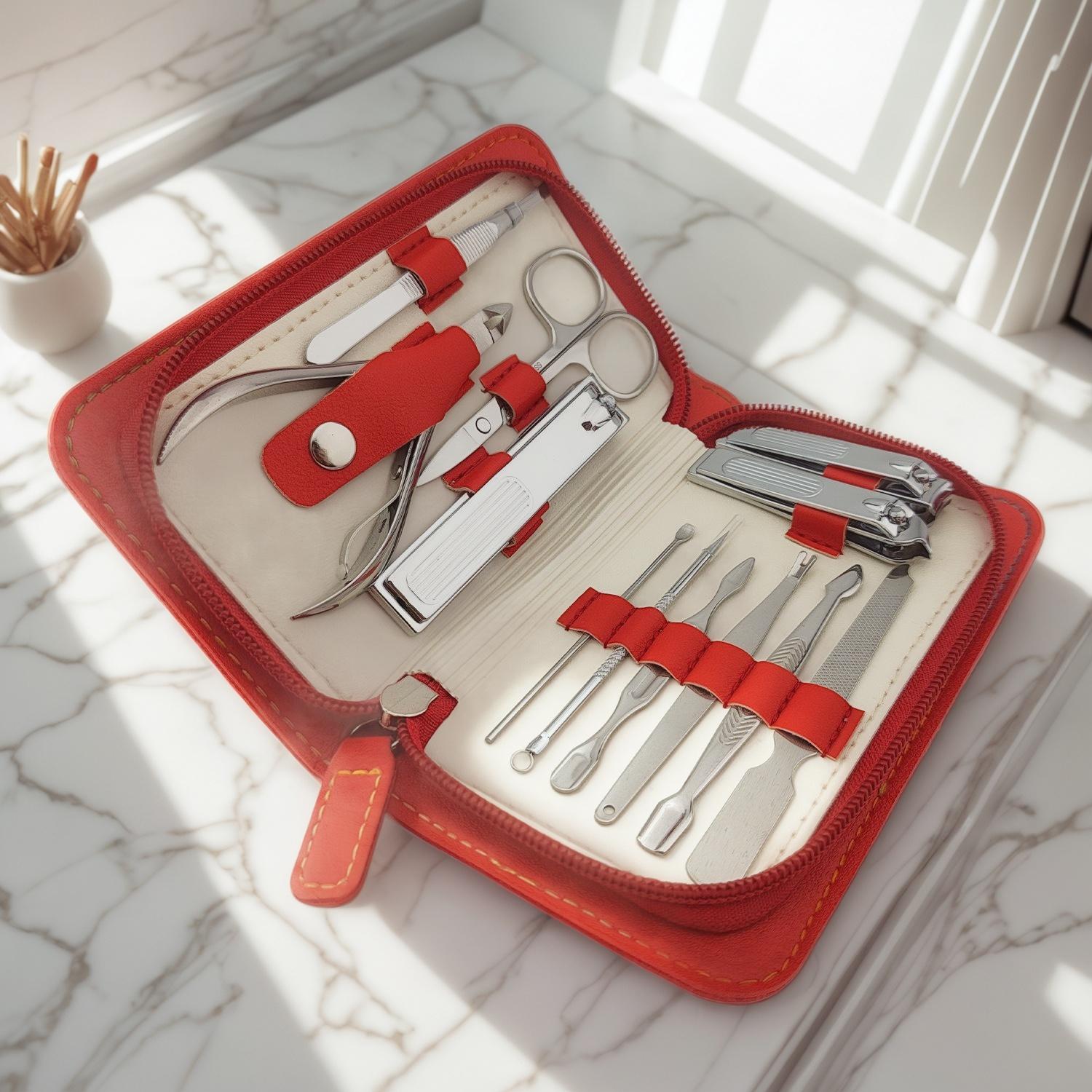
For beauty brands, salons, retailers and promotional buyers, wholesale grooming tools are not simple add-on items. Nail clippers, cuticle pushers and related manicure tools are handled closely, used repeatedly and judged quickly by the end customer. A tool that feels weak, has rough edges or loses its finish can damage trust in the brand printed on the package. A well-made tool, by contrast, supports repeat sales and helps a beauty line feel more complete.
Sourcing is difficult because many products look similar in photos. The real differences appear in the steel, finishing, grip comfort, alignment, packaging protection and consistency from one batch to the next. Olimor Beauty supports buyers who need practical, brand-ready grooming tools for wholesale programs, retail assortments or custom beauty tool projects. This guide explains what to evaluate before placing an order and how to build a product line that fits modern consumer expectations.
Why Grooming Tool Quality Matters in Wholesale Buying
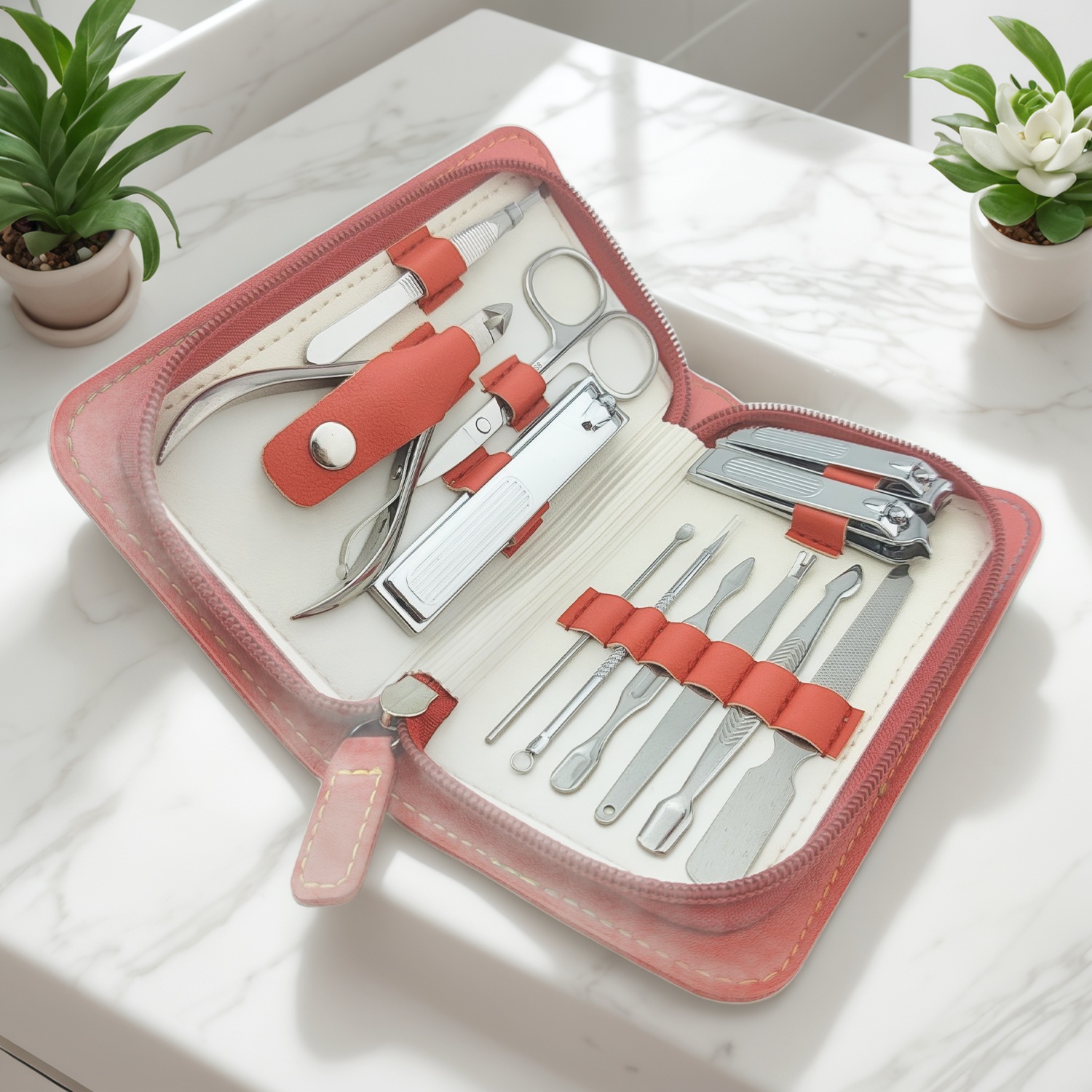
Grooming tools are small products with high customer visibility. A shopper may forgive a disposable accessory for being basic, but a metal tool is expected to work cleanly and last. When a nail clipper pinches instead of cutting, or a cuticle pusher feels sharp in the wrong place, the problem becomes personal for the user. That makes quality control especially important for beauty businesses buying at wholesale scale.
Retail buyers should look beyond a low unit price and consider the full cost of poor performance. Returns, negative reviews, damaged packaging, inconsistent finish and customer service complaints can quickly erase any savings from choosing an unsuitable supplier. For private-label brands, the risk is even greater because the customer connects the tool directly with the brand name.
A stronger sourcing approach starts with defining the exact audience. A salon-focused tool may need a professional feel and easy cleaning. A travel set may need compact sizing and secure packaging. A giftable manicure kit may require coordinated finishes and a polished presentation. Before reviewing samples, create a short product brief that describes the target user, sales channel, desired appearance, packaging format and acceptable quality level.
Material, Finish and Feel: What Buyers Should Inspect
The original quality of a grooming tool begins with its material and finishing process. Olimor Beauty describes its grooming tools as crafted from corrosion-resistant stainless steel and subject to quality checks. For buyers, that is a useful starting point, but samples should still be evaluated hands-on because surface finish, alignment and edge treatment determine how premium the tool feels in daily use.
When reviewing grooming tool samples, inspect the parts that the user touches and the parts that contact the nail or skin. Edges should feel controlled rather than rough. Moving parts should operate smoothly. A polished or satin surface should look consistent across multiple samples, not just one display piece. If a tool is intended for retail packaging, also check whether the product can be secured without scratching during transport.
Use the following checklist when comparing wholesale grooming tools:
- Surface consistency: Look for even finishing, no obvious discoloration and no visible burrs on contact areas.
- Cutting or pushing function: Test whether the tool performs its intended task cleanly without requiring excessive force.
- Grip comfort: Hold the tool in different hand positions to evaluate control, balance and pressure points.
- Joint and alignment: For clippers or hinged tools, check whether the parts meet evenly and move without looseness.
- Cleaning practicality: Consider whether the shape traps residue or is difficult for users to wipe after use.
- Packaging compatibility: Confirm that the finish will not be damaged by inserts, elastic loops, trays or retail handling.
These checks do not require laboratory equipment, but they do require consistency. Review several units, not only a single sample. If the item will be sold as part of a kit, test the tools together to confirm that the style, weight and finish feel like one coordinated product family.
Ergonomic Design for Real-World Manicure Use
Ergonomics are often mentioned in beauty tool marketing, but buyers should translate the idea into specific use cases. A grooming tool is ergonomic when it helps the user work with control and less strain. That can mean a clipper lever that is easy to press, a cuticle pusher handle that does not slip easily, or a tool length that suits both home users and trained professionals.
For wholesale selection, ask who will use the tool most often. A beginner may prefer simple, intuitive shapes. A salon user may care more about precision, cleaning and repeat handling. A travel buyer may prioritize a compact format. These needs can lead to different design choices, so it is better to select tools around the intended market rather than copying a generic set.
Practical ergonomic review should include grip, control and safety perception. A tool can look sleek but feel awkward if the handle is too narrow or the contact point is poorly shaped. Buyers can collect feedback from staff, salon partners or target customers before committing to a larger assortment. Even a brief trial can reveal whether the product feels stable, comfortable and easy to understand without extra instructions.
Customization Without Losing Product Reliability
Custom grooming tools can help a brand stand apart, but customization should not compromise performance. As a custom beauty tools manufacturer, Olimor Beauty works with businesses on beauty tool solutions that align with brand image and marketing goals. For buyers, the key is to separate decorative customization from functional changes. Logo placement, packaging design and coordinated colors may be appropriate for many programs, while changes to a tool’s working edge, hinge or overall structure require more careful evaluation.
A clear customization brief helps prevent misunderstandings. Include visual references, target retail channel, packaging expectations and the reason behind each custom request. If the tool is part of a broader assortment, compare it with existing beauty tool products to keep the brand style consistent. Buyers planning multiple items can also review product collections for ideas on how grooming tools may fit into a larger beauty accessory offer.
Before approving a customized grooming tool, review how the logo or finish will hold up in normal handling. A beautiful sample is not enough if the branding is placed where the user constantly rubs it or where packaging components cause scratches. The best custom result is one that looks distinctive while keeping the tool comfortable, practical and reliable.
Vegan Manicure Tools and Ethical Product Positioning
Consumer expectations are changing, and many beauty buyers now want products that fit cruelty-free or vegan purchasing preferences. Olimor Beauty references vegan manicure tools wholesale, which can be relevant for brands serving ethical beauty retailers, clean beauty assortments or customers who avoid animal-derived materials. For metal grooming tools, the ethical positioning often depends on the full product presentation, including packaging, cases, accessories and marketing claims.
Buyers should define exactly what “vegan” means for their assortment before creating copy or packaging. If a kit includes pouches, adhesives, inserts or decorative elements, each component should be reviewed for alignment with the claim. Clear product documentation and careful wording reduce the risk of overstatement. The goal is to offer a product that supports consumer values without making claims that the brand cannot substantiate.
Ethical positioning should also be practical. A vegan-friendly manicure tool still needs to cut, push, hold and clean well. Customers who choose ethical beauty products expect quality, not a compromise. When reviewing samples, evaluate performance first, then confirm that the materials and presentation support the intended claim.
Supplier Review Questions for Beauty Brands and Retailers
Choosing a beauty tools supplier in China or any sourcing region requires more than browsing a catalog. A dependable supplier should be able to discuss materials, quality control, packaging considerations and customization steps in a structured way. Since specifications vary by product, buyers should prepare neutral questions that help compare suppliers without assuming details that have not been confirmed.
- Which grooming tools are best suited for my channel? Retail, salon, gift and promotional programs may require different product formats.
- What sample review process is recommended? Determine how many samples to inspect and which features should be approved before production.
- What customization options affect lead time or performance? Separate logo and packaging changes from functional design changes.
- How are finished tools checked before shipment? Ask about appearance, function, alignment and packaging inspection points.
- How should the tools be packed to reduce scratches? Packaging protection matters for polished metal products.
- What information is available for vegan or cruelty-free positioning? Confirm the materials and components that support the intended claim.
These questions help create a sourcing conversation based on facts rather than assumptions. If your team is building a new private-label grooming line or comparing supplier options, you can send an inquiry with your product brief, or contact Olimor to discuss suitable directions for your market.
Building a Better Wholesale Grooming Tool Program
A successful grooming tool program is built from consistent decisions: the right tool types, dependable material selection, comfortable handling, suitable packaging and honest market positioning. It is tempting to choose products based only on appearance, but long-term performance depends on how the tool feels and functions after the customer opens the package.
For brands and retailers, the best approach is to start with the user. Define whether the product is for everyday home grooming, salon support, a travel kit, a gifting set or an ethical beauty range. Then evaluate samples against that use case, not against a generic idea of what a grooming tool should be. This makes it easier to select nail clippers, cuticle pushers and manicure tools that support the brand promise.
Olimor Beauty’s focus on corrosion-resistant stainless steel, quality checks, ergonomic design and customizable beauty tool solutions gives buyers a practical foundation for wholesale sourcing. With a clear brief and careful sample review, grooming tools can become a reliable part of a beauty product assortment rather than a risky accessory purchase.
Tag: