

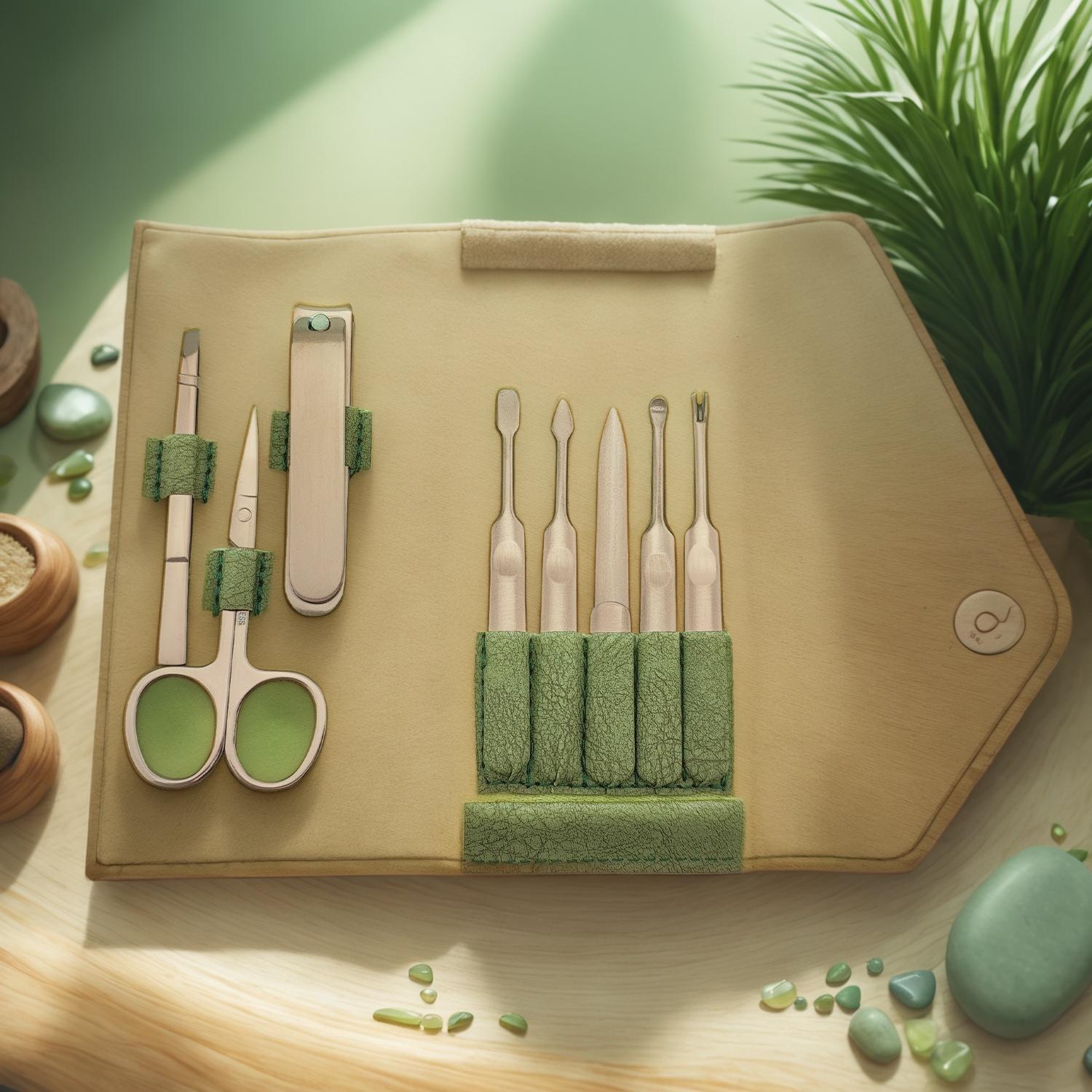
Wholesale Grooming Tools from China: How to Source Quality Manicure and Pedicure Sets
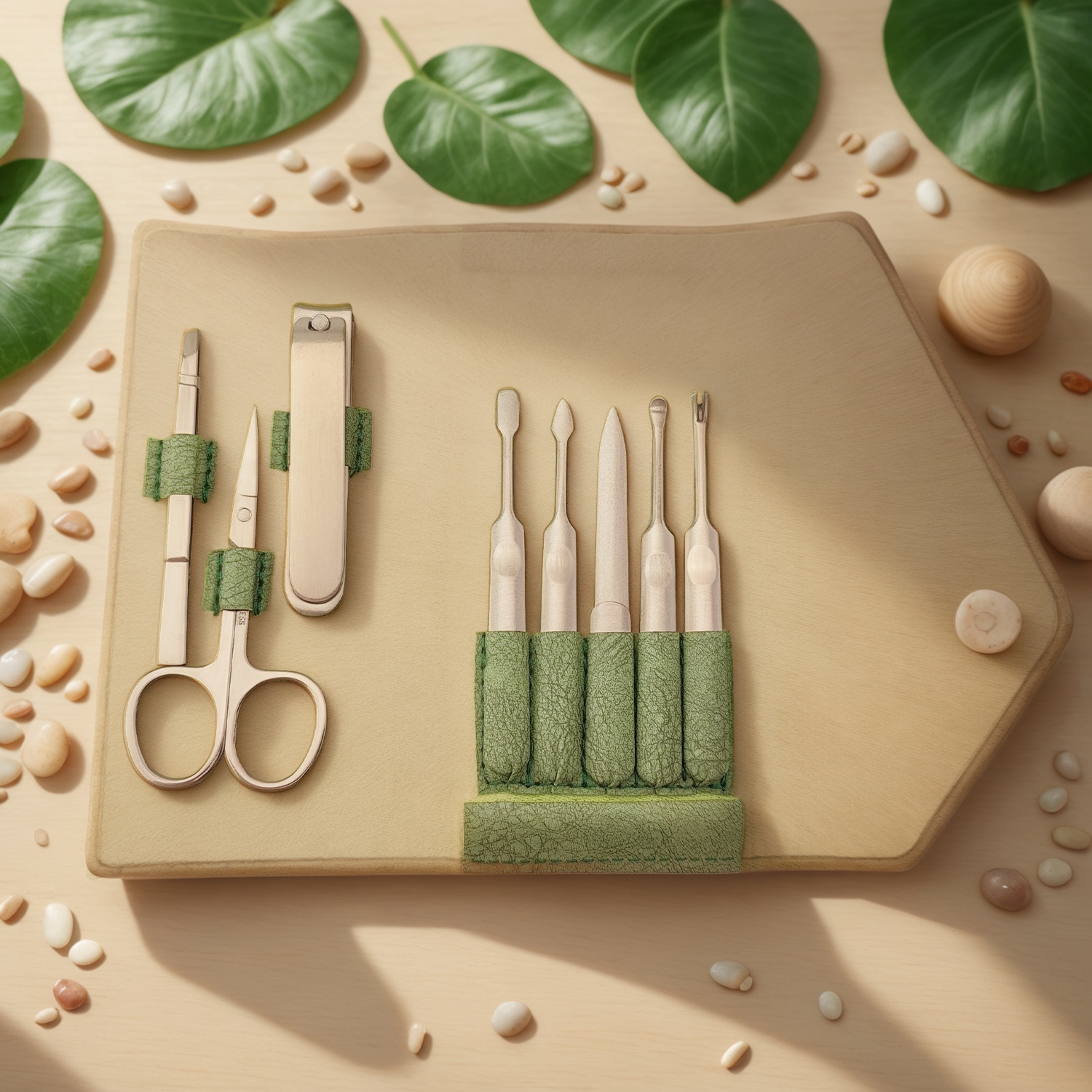
For beauty brands, salons, retailers, and distributors, grooming tools are small products with a big impact on customer trust. A manicure set, pedicure kit, nail clipper, cuticle tool, tweezers, or precision scissor is handled closely, so buyers notice weak cutting action, loose joints, rough finishes, or a case that does not protect the tools well. The right wholesale choice is not only about appearance. It is about performance, consistency, and whether the set supports your brand promise after real use.
This guide focuses on the practical sourcing questions buyers ask when comparing wholesale grooming tools from China. It explains how to evaluate materials, case options, inspection points, and private-label opportunities, and it gives a clear framework for comparing kits before you place an order. If you are reviewing assortment options, you can also browse Olimor beauty tool products to see how different grooming tool categories are presented.
Why grooming tool quality matters in wholesale sourcing
Grooming tools are not generic accessories. They are performance items that customers judge immediately. A set may look attractive in catalog photos, but if the clippers crush rather than cut, the tweezers do not align, or the finish shows scratches and spots, the product quickly loses value in the buyer's eyes.
For wholesale programs, quality affects more than one sale. It affects repeat purchases, after-sales complaints, and the perceived reliability of the entire brand. A poor tool can make a full manicure or pedicure set feel less trustworthy, even if the case and packaging look polished. That is why sourcing decisions should focus on how the tools feel in the hand, how they cut, how they close, and how they arrive protected in the carton.
When evaluating suppliers, ask whether they can discuss the production flow, expected inspection points, and packaging protection clearly. A dependable beauty tools supplier in China should be able to explain those basics without making the process confusing.
What to define before requesting samples
The easiest way to avoid misunderstandings is to prepare a short product brief before asking for samples. A brief does not need to be technical, but it should define the purpose of the set and the customer you want to serve.
Start with the end use
- Daily retail use: Buyers usually want a practical mix of clippers, files, tweezers, scissors, and cuticle tools.
- Travel kits: Compact cases, secure tool retention, and lightweight packaging matter more than a large piece count.
- Gift sets: Presentation, coordinated colors, and a neat opening experience often matter more than extra tools.
- Salon or professional backup use: Ease of cleaning, stable cutting action, and comfortable handling become more important.
- Private-label assortments: The tool mix, case style, and packaging should match your brand position and channel.
Then define the product structure
- Decide whether the set should be compact or more comprehensive.
- Confirm which tools are essential and which are optional.
- State whether the project needs a standard retail presentation or a custom beauty tool format.
- Identify where branding may appear, such as the case, insert card, sleeve, or outer box.
Olimor supports buyers who need practical wholesale grooming products for private label, retail assortment development, or salon use. If your project is already defined, you can send a sourcing inquiry with the target market, tool list, case preference, and packaging goals.
Materials and finish: what buyers should inspect
The supplied product information highlights stainless steel as a common material direction for manicure and pedicure tools. That makes sense because these items are often exposed to skin oils, moisture, and repeated handling. Buyers usually look for durability, a clean metal finish, and resistance to obvious surface issues.
However, material name alone is not enough. You still need to inspect how the tools perform and how they are finished. Two sets may both be described as stainless steel, yet one may feel smoother, cut better, and present more consistently in retail.
Practical sample checks
- Cutting action: Clippers and scissors should open and close smoothly and cut cleanly without crushing or tearing.
- Alignment: Tweezer tips, clipper jaws, and scissor blades should meet evenly.
- Grip and balance: Handles and levers should feel comfortable and controlled for the expected user.
- Surface finish: Watch for scratches, burrs, uneven polishing, stains, or rough edges.
- Tool consistency: A multi-piece set should feel like one quality level, not a mix of good and weak items.
These checks are especially important when you compare samples from different factories. A polished appearance can hide poor function, so inspect both the look and the feel of the set.
Choosing the right kit size and assortment
Not every market needs the same grooming set. The supplied source material notes that Olimor offers options such as 12-piece and 16-piece kits, which gives buyers a useful way to match product size to the sales channel. A larger set is not automatically better. The right assortment depends on who will use it and how often.
| Buying goal | What to prioritize | Supplier evaluation point |
|---|---|---|
| Compact retail or travel kit | Portable case, secure storage, essential tools only | Check how firmly the tools stay in place and whether the set looks tidy after handling |
| Home grooming set | A balanced mix of cutting, shaping, and cuticle tools | Confirm that the included pieces are practical, not just added to increase piece count |
| Gift or premium presentation | Case appearance, opening experience, coordinated packaging | Review how the set photographs, ships, and presents on shelf |
| Salon or professional backup | Stable performance, easy cleaning, reliable cutting action | Inspect alignment, feel, and repeat-use comfort |
If you are still deciding between options, compare the collection by use case rather than by piece count alone. You can compare grooming set collections to narrow the assortment that fits your market.
Case materials and vegan-friendly positioning
In grooming tool sourcing, the case often carries the brand story as much as the tools do. The metal tools are usually the functional core, while the case influences presentation, protection, and positioning.
The source material notes that faux leather cases can support vegan manicure tools wholesale programs. That can be useful for brands that want a stylish, protective, animal-free case material. Still, buyers should verify the full material specification before making any vegan claim. The packaging and case structure need to align with the message you plan to sell.
What to compare in a case
- Tool retention: Clippers, scissors, and cuticle tools should stay secure during transport and handling.
- Protection: The case should help prevent tools from rubbing against each other and getting scratched.
- Surface durability: The exterior should resist obvious scuffs or deformation under normal shipping and retail use.
- Branding area: The case should provide a clear place for logo placement or label presentation.
- Retail appearance: The case should suit the price point and customer expectations of the channel.
A case that looks good but does not hold tools well will create problems in transit and on shelf. Function should lead the decision, with appearance supporting it.
Customization and private label: where differentiation happens
Many buyers looking for a custom beauty tools manufacturer do not need a completely new product. They need a version of a proven set that fits their audience better. That may mean changing the case color, adjusting the tool mix, adding logo placement, or refining the packaging structure.
The best custom projects start with a clear commercial goal. A travel set needs a slim case and secure closures. A gift set needs a stronger presentation. A salon-focused tool set needs grip and easy cleaning. An online retail set needs packaging that protects the product during parcel delivery and still looks strong in photos.
The goal is coherence. The tools, case, and packaging should all point to the same customer and the same use case. If you are developing a private-label grooming line, ask the supplier how they handle tool selection, case options, packaging inserts, and outer boxes before you lock the design.
How to evaluate suppliers before placing a wholesale order
Supplier evaluation should go beyond a price list. For grooming tools, buyers need confidence that the factory can keep quality consistent across production and packing. This is especially important when a sample looks strong but the order will be much larger.
Questions to ask a supplier
- Can the supplier explain the material direction, finish, and tool structure clearly?
- How are cutting tools and tweezers checked before carton packing?
- What packaging protection is used to reduce scratches or movement in transit?
- Can the supplier support private-label details such as logo placement or packaging changes?
- Are sample and production versions aligned in appearance and function?
Quality documents and standards
Where relevant, buyers may also reference ISO 9001 as a quality management framework, or public guidance from their own market regulator such as the CPSC for U.S.-bound products. These references do not replace your own due diligence. Verify the applicable version, request the supplier's documentation, and confirm any market-specific requirements before ordering.
That approach is more reliable than relying on catalog language alone. For wholesale grooming tools, documentation should support the buying decision, not replace the inspection process.
A practical inspection checklist for manicure and pedicure sets
Use the same checklist for every sample so your team compares sets on equal terms. The goal is to spot weak points early, before the product reaches a customer.
| Inspection area | What to review | Why it matters |
|---|---|---|
| Cutting action | Open and close clippers or scissors several times; check for clean cutting where applicable | Shows whether the tool is usable and comfortable |
| Alignment | Inspect tweezers, clipper jaws, and scissor blades for even contact | Poor alignment reduces precision and customer confidence |
| Surface finish | Look for scratches, burrs, stains, rough corners, or uneven polishing | Finish affects both safety perception and retail value |
| Case fit | Move the closed case gently to see whether tools stay secured | Loose tools can arrive scratched or look messy in store |
| Packaging readiness | Review insert layout, label space, and outer box protection | Packaging must fit the sales channel and shipment method |
This checklist does not replace your own quality system, but it gives a practical baseline when comparing suppliers or deciding between a compact and a fuller grooming set.
When a wholesale grooming tool project is ready for quotation
If you want a focused quotation, prepare a brief that includes the target customer, expected tool list, preferred case style, branding needs, and packaging direction. That makes it easier for the supplier to respond with a realistic proposal and a more relevant sample plan.
For many buyers, the right next step is not ordering immediately. It is narrowing the product direction and checking how the set will perform in the market. Once those points are clear, the sourcing process becomes much more efficient.
To discuss a custom or wholesale grooming tool project, you can contact the Olimor team for product guidance and next-step support.
FAQ
Can I request samples before a wholesale order?
Yes. Samples are usually the best way to check cutting action, alignment, finish, and case fit before you commit to a larger order.
What should I ask about MOQ?
Ask the supplier to confirm the MOQ for the specific set you want, because it can vary by kit type, case style, and customization level.
Can grooming sets be customized for private label?
Yes. Common options include logo placement, case color, packaging structure, insert cards, and changes to the tool mix.
How do I check quality before production is packed?
Ask how samples are approved, how in-line or final inspection is handled, and what checks are done before carton packing.
How long is the lead time for a custom project?
Lead time depends on the product structure, sample approval, and packaging requirements, so it is best confirmed directly with the supplier for each project.
For a focused discussion of your grooming tool requirements, send your brief through the inquiry page and include the intended market, set style, and packaging needs.
Tag: