


Grooming Tools Wholesale: A Practical Buyer Guide for Personal Care Retailers
Grooming tools wholesale is not only about finding a low unit price. For retailers, distributors, salon suppliers and private-label buyers, the real value comes from choosing tools that feel reliable in the hand, present well on shelf, and match the expectations of the target customer. A small grooming accessory may look simple, but poor finishing, inconsistent packaging or an unclear assortment can quickly lead to returns, weak reviews and lost repeat orders.
Olimor Beauty works in the personal care tools category with a focus on practical grooming items for wholesale and OEM projects. If you are building a retail assortment, expanding a beauty accessories line or comparing personal care tools manufacturers in Asia, it helps to review each item through a structured sourcing lens: who will use it, how it will be merchandised, what quality signals matter, and how customization should support the market rather than complicate it.
What Retail Buyers Should Expect from Grooming Tools Wholesale
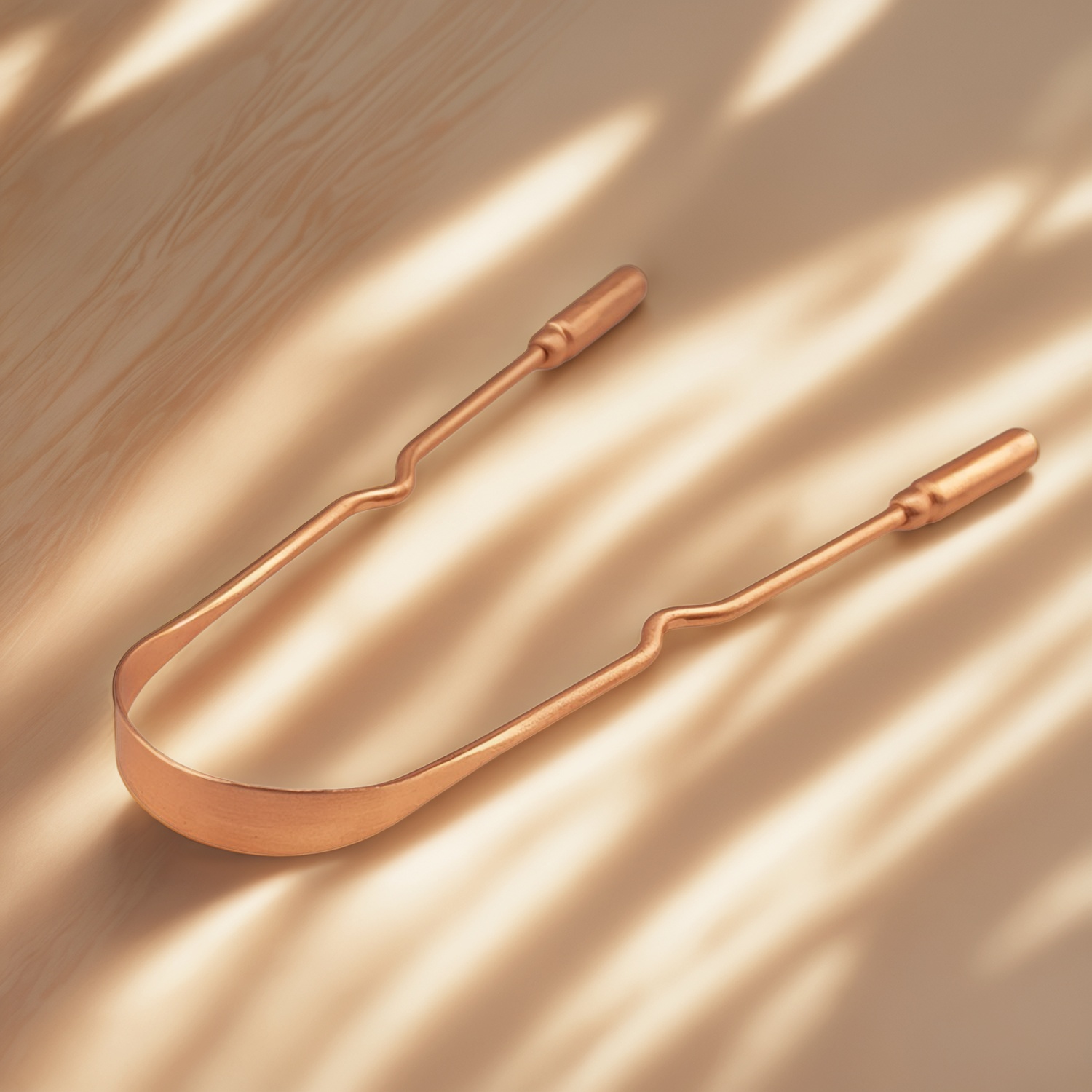
A strong grooming tools wholesale program should help buyers assemble a coherent personal care range. The products may include facial grooming accessories, nail care tools, oral care accessories, hair removal tools, mirrors, applicators or specialty items such as a Copper Tongue Scraper when that item fits the customer profile. The key is not to list every possible tool, but to create a range that solves recognizable daily grooming needs.
For retail, grooming tools should be easy to understand without heavy explanation. A customer should quickly know what the tool is for, how it is held, where it belongs in a personal care routine, and whether it feels appropriate as a repeat purchase or giftable accessory. Wholesale buyers can assess this by looking at product proportions, packaging clarity, visible finish and whether the item matches the price tier of the store.
For distributors, the priorities may be different. They often need products that are stable across repeat orders, easy to pack into cartons, and suitable for multiple channels. A distributor may prefer neutral designs that can support different retailers, while a brand owner may need a more distinctive appearance. Both approaches can work, but they require different decisions at the sourcing stage.
Quality Signals That Matter Before Placing a Wholesale Order
Quality in grooming tools is often judged through small details. A tool that touches the face, nails, tongue, brows or skin must feel smooth, controlled and hygienic. Even when final material specifications are not shown on a product page, buyers can still build a practical evaluation checklist before committing to a broader assortment.
- Surface finish: Look for smooth edges, consistent polishing, clean coating and the absence of burrs or rough seams in areas that contact the skin.
- Grip and ergonomics: A grooming tool should be comfortable to hold, especially when used with wet hands or in front of a mirror.
- Functional consistency: Tweezers, scrapers, trimmers and grooming accessories need predictable performance from piece to piece, not just one good sample.
- Cleaning practicality: Tools should be easy for the end user to rinse, wipe or store in a hygienic way according to the product type.
- Packaging protection: Retail packaging should protect visible finishes and prevent deformation or scratching during transport.
- Instruction clarity: If a tool requires technique, simple usage guidance can reduce misuse and improve customer satisfaction.
It is also useful to separate cosmetic imperfections from functional defects. A tiny packaging scuff may affect premium retail presentation, while a rough tool edge can affect user safety and product reputation. Defining acceptable and unacceptable issues early helps buyers communicate clearly with a grooming tools supplier and avoid subjective disputes later.
Working with a Personal Care Tools Manufacturer in Asia
Asia remains an important sourcing region for personal care tools because buyers can access a wide range of manufacturing capabilities, material options, surface finishes and packaging formats. However, the best sourcing results come from asking precise questions instead of assuming that all suppliers offer the same level of process control.
When evaluating a personal care tools manufacturer in Asia, consider how the supplier communicates about production steps, sample approval, packaging artwork, inspection standards and repeat-order consistency. A reliable supplier should be able to discuss the product in terms of its use case and selling channel, not only its appearance. For example, a grooming tool intended for a pharmacy shelf may need different packaging information than a tool sold through a beauty boutique or online gift set.
Buyers should also think about regional preferences. Some markets prefer minimalist personal care packaging, while others value visible product windows, richer finishes or multi-language instructions. A tool that performs well can still underperform commercially if the packaging does not match local retail expectations. Review the wider range of beauty tool products to compare how different grooming items might sit together as a practical assortment.
OEM Personal Care Tools: What to Customize and What to Keep Simple
OEM personal care tools can help a retailer or brand create a more distinctive offer, but customization should serve a clear commercial purpose. It is easy to over-customize a small grooming tool and add complexity without improving the customer experience. The most useful OEM decisions usually relate to branding, packaging, color direction, finish style, accessory pairing and usage instructions.
For an item such as a Copper Tongue Scraper, the buyer should think about how it will be positioned. Is it part of an oral care add-on range? A wellness-focused personal care set? A travel grooming kit? The answer affects packaging copy, cleaning guidance, and whether the item should be sold alone or paired with related tools. The same thinking applies across many grooming accessories: the OEM direction should support a real use case.
Before approving an OEM project, prepare a concise brief. Include the target selling channel, customer profile, desired price tier, packaging style, logo placement needs and any local labeling requirements. This helps avoid vague revisions and supports a smoother sample review process. Buyers who are comparing possible categories can also browse Olimor product collections to plan how grooming tools may connect with broader beauty and personal care assortments.
Assortment Planning for Retail, E-Commerce and Distribution
A good grooming tools wholesale order should be built like an assortment, not a random group of accessories. The right mix depends on your channel. Online sellers may need tools that photograph clearly and have easy-to-explain benefits. Physical retailers may prefer products that hang well, display neatly and communicate use at a glance. Salon suppliers may prioritize practical tools that professionals can recommend to clients for home care.
| Sales Channel | Useful Assortment Focus | Buyer Evaluation Point |
|---|---|---|
| Beauty retail store | Everyday grooming tools with clear shelf presentation | Check packaging visibility, finish consistency and easy product identification |
| E-commerce | Tools with simple usage stories and strong close-up visuals | Confirm that images, instructions and packaging reduce customer uncertainty |
| Salon or spa supply | Reliable personal care accessories for professional recommendation | Focus on hand feel, durability perception and practical cleaning |
| Private label brand | OEM-ready tools that match a defined brand position | Review branding space, packaging format and sample approval process |
Assortment planning should also include good-better-best logic where appropriate. Not every product needs to be premium, but each product should make sense in relation to the others. If all items appear too similar, customers may not understand the price difference. If the range is too fragmented, the shelf or online category page may feel confusing.
Packaging, Instructions and Presentation Details
Packaging is a major part of grooming tools wholesale because many items are small and require clear communication. Good packaging protects the tool, explains its purpose and reinforces the buyer’s brand positioning. For personal care accessories, the packaging should also help customers feel confident about hygiene and storage.
Useful packaging decisions include choosing whether the tool should be visible, whether the instructions should be printed on the back card or included as an insert, and whether the packaging should support hanging display, countertop display or e-commerce shipping. If the product has a polished or decorative finish, inner protection may be needed to reduce rubbing during transit. These details are not exciting, but they can strongly affect customer perception when the package is opened.
Instruction writing should be direct and specific. Avoid exaggerated claims and focus on safe, normal use. For international markets, leave enough artwork space for required languages, barcode placement and retailer information. A clean packaging file can prevent production delays and reduce the risk of rework.
Questions to Prepare Before You Send an Inquiry
Wholesale sourcing becomes more efficient when buyers prepare the right information before contacting a supplier. Instead of beginning with a general request for the cheapest grooming tools, define the project in practical terms. This helps the supplier recommend relevant product options and reduces the number of sample rounds.
- Which grooming category is the priority: oral care, facial grooming, nail care, hair removal, travel tools or mixed personal care accessories?
- Will the products be sold under an existing retail brand, a private label, or as general wholesale items?
- What sales channel will carry the products: online store, beauty retailer, distributor, salon supply or promotional program?
- What packaging style is preferred: simple card, box, pouch, display-ready pack or another format?
- Are there local labeling, language, barcode or retailer compliance needs that must be reflected in the artwork?
- How will samples be evaluated: appearance, function, packaging, carton protection, user instructions or all of these?
When you are ready to compare options, you can send an inquiry with your target category, packaging expectations and intended market. If you need help narrowing the right personal care tools for a wholesale program, you can also contact Olimor with your project details.
Building a More Reliable Grooming Tools Wholesale Program
The most successful grooming tools wholesale programs are built on repeatable quality, clear product positioning and practical communication. A retailer needs products that shoppers understand quickly. A distributor needs consistency across orders. A private-label buyer needs OEM choices that strengthen the brand without creating unnecessary production complexity.
By evaluating finish, function, packaging, assortment role and customization needs at the same time, buyers can make better sourcing decisions and avoid common problems. Whether you are selecting a Copper Tongue Scraper, adding daily grooming accessories or developing a broader personal care tools line, a structured approach will help create products that are easier to sell, easier to explain and easier to reorder.
Tag: