

Wholesale Grooming Tools: How to Source Reliable Personal Care Instruments
Choosing grooming tools wholesale is not only a purchasing decision; it directly affects service consistency, client comfort, retail reputation and long-term operating costs. For salons, spas, beauty retailers and private-label buyers, a tool that looks acceptable in a catalog still needs to perform reliably in daily use. Edges must feel controlled, handles must be comfortable, surfaces must be easy to clean, and materials must withstand repeated sanitation without quickly losing their finish.
Olimor Beauty focuses on manufacturing and supplying professional personal care instruments for buyers who need dependable quality at scale. The original priorities remain simple but important: precision engineering, durable materials, ergonomic design and quality checks throughout production. This guide explains how to evaluate grooming tools wholesale with a buyer’s mindset, including what to look for in stainless steel construction, how to compare spa personal care tools, and how to approach OEM projects without relying only on appearance.
Why Tool Quality Matters in Professional Grooming
Professional grooming services depend on repeatable results. A technician can be highly skilled, but inconsistent instruments make every task harder. A tool that slips, flexes unexpectedly, feels unbalanced or becomes difficult to sanitize can slow down work and affect the client’s experience. In a spa or salon environment, even small issues become expensive when they occur across many treatment rooms or many staff members.
For retailers, quality is just as important. Customers may not analyze every manufacturing detail before purchase, but they quickly notice when a tool feels flimsy, stains easily or loses performance after limited use. Wholesale buyers should therefore assess grooming tools as working instruments, not simple accessories. Good sourcing reduces returns, protects brand perception and supports more confident staff training.
When reviewing beauty tool products, consider the full use cycle: unpacking, handling, service application, cleaning, storage and replacement planning. A product that performs well across that full cycle is more valuable than one that only has a polished product photo.
Material and Finish: What to Check Before Buying in Bulk
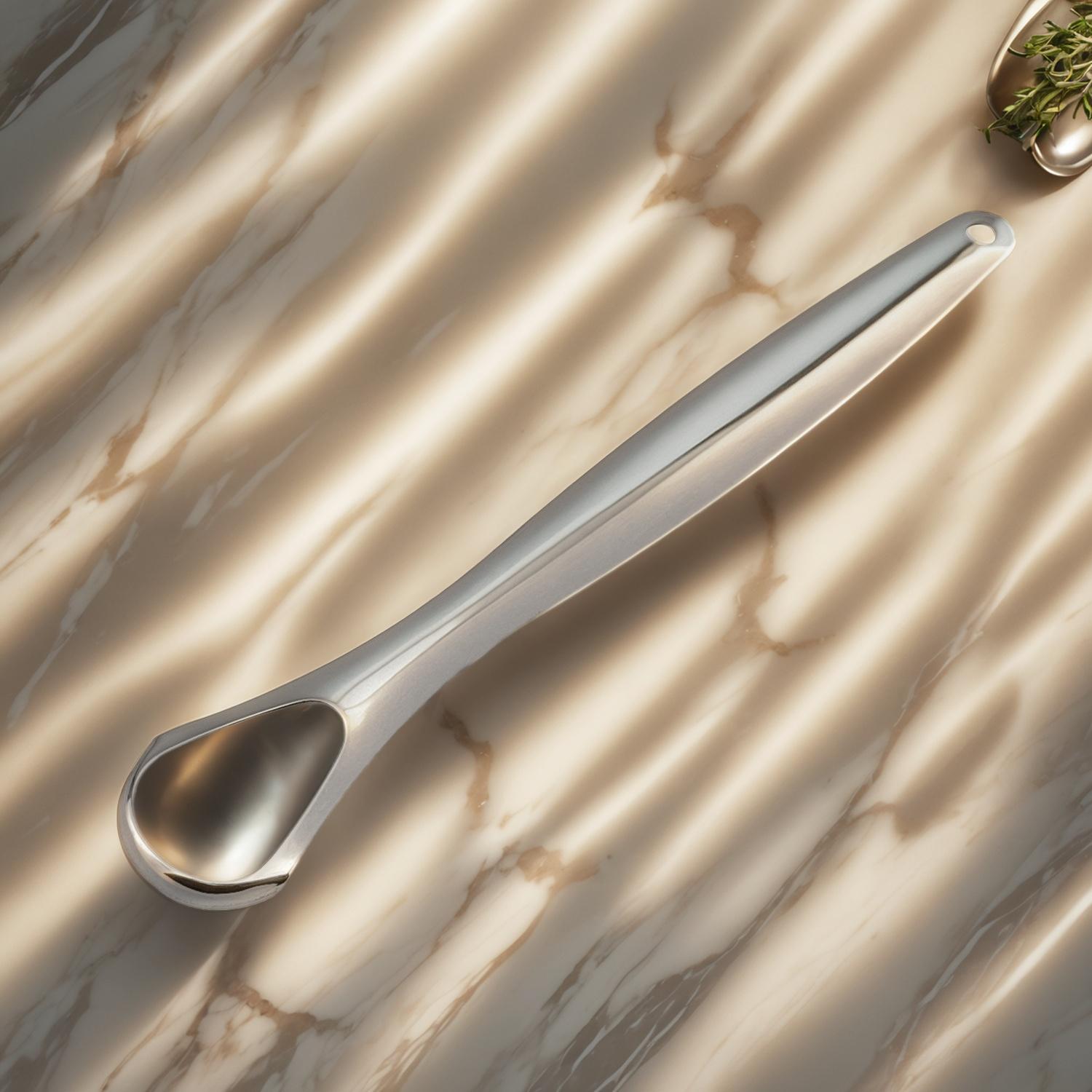
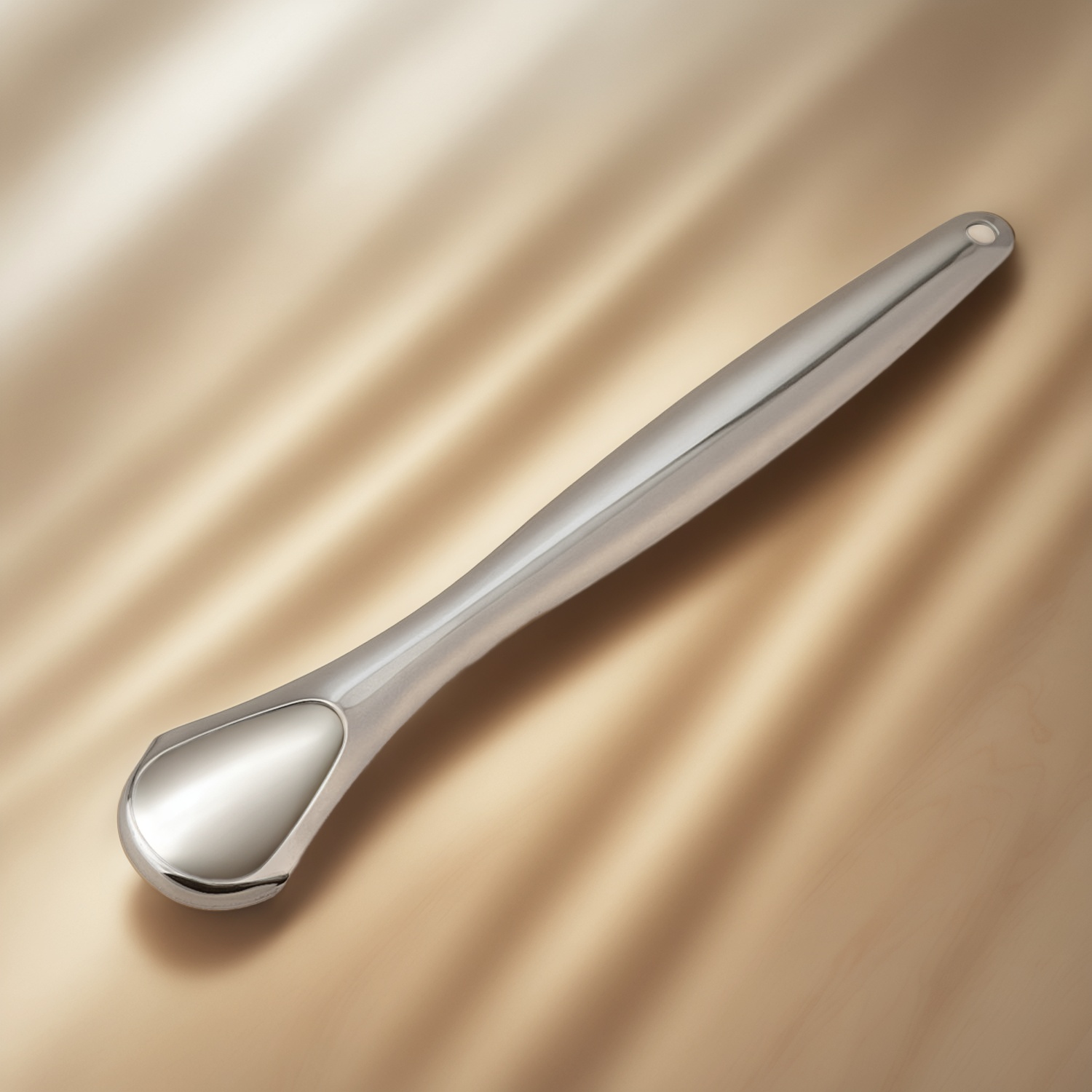
The supplied product information highlights high-grade stainless steel as a key feature, with resistance to rust and corrosion and easier maintenance and sanitation. For wholesale buyers, stainless steel is often preferred because professional tools are repeatedly exposed to moisture, skin care products, cleaning agents and handling. However, buyers still need to evaluate construction carefully.
Start with the visible finish. Surfaces should appear consistent, without rough patches, sharp burrs in unintended areas, discoloration or uneven polishing. Smooth finishing matters for comfort and cleaning. Crevices, unfinished edges and poor joins can collect residue, making tools harder to maintain between uses.
Next, check how the tool feels in hand. Stainless steel can be durable, but the shape and balance determine whether it is practical for professional use. A tool should not feel awkward, overly slippery or unnecessarily heavy for its intended task. If the tool includes a moving part, the movement should feel controlled rather than loose or stiff. If it has a grip area, the design should support stable handling even during longer services.
Useful wholesale inspection points include:
- Surface consistency: check for smooth finishing, even polish and clean edges.
- Corrosion resistance expectations: confirm the tool is suitable for environments where cleaning and moisture exposure are routine.
- Sanitation practicality: avoid designs with unnecessary gaps that make residue removal difficult.
- Handling comfort: compare grip, balance and pressure points during realistic use.
- Batch consistency: inspect multiple units, not only one sample, before approving a larger order.
Ergonomics for Salons and Spas
Ergonomic design is especially important in spa personal care tools wholesale because professionals may repeat the same motions many times per day. A poorly shaped instrument can create hand fatigue, reduce precision and make service delivery less consistent. Comfort is not a luxury detail; it is part of professional performance.
For salon and spa buyers, the best evaluation method is to involve the people who will actually use the tools. A purchasing manager may focus on price and appearance, while technicians can quickly identify grip issues, awkward angles or balance problems. Before finalizing a wholesale order, test samples in simulated service conditions. Hold the tools for more than a few seconds. Rotate them, apply normal working pressure and check whether the design supports control.
Different service environments may also require different priorities. A busy salon may value speed, easy cleaning and robust daily handling. A spa may place greater emphasis on comfort, quiet handling and a refined client-facing presentation. A retail buyer may need tools that feel intuitive to consumers who do not have professional training. The same broad category of grooming tools can therefore require different selection criteria depending on the buyer’s audience.
Wholesale Evaluation Checklist for Professional Buyers
A structured checklist helps keep sourcing decisions objective. It also makes communication easier when comparing samples from different suppliers or preparing an OEM project. The table below outlines practical checkpoints for grooming tools wholesale buyers.
| Evaluation Area | What to Review | Why It Matters |
|---|---|---|
| Material | Stainless steel quality, finish consistency and resistance to rust or corrosion | Supports durability, sanitation and long-term professional use |
| Construction | Edges, joints, moving parts, alignment and overall sturdiness | Reduces performance issues and improves user confidence |
| Ergonomics | Grip comfort, balance, control and pressure points | Helps professionals work accurately with less fatigue |
| Cleaning | Smooth surfaces and limited residue-trapping areas | Makes maintenance easier in salon and spa settings |
| Consistency | Compare multiple samples from the same batch | Protects against uneven quality in larger wholesale orders |
| Packaging Readiness | Protection, labeling space and presentation needs | Important for retail sale, storage and OEM branding |
This type of review is useful whether you are selecting stock items from product collections or planning a customized order. It also helps teams avoid choosing a tool only because it has the lowest unit price. In wholesale purchasing, the lowest initial cost may become more expensive if tools require frequent replacement, create user complaints or fail to match the expectations of your customer base.
OEM Personal Care Tools: Turning a Product Idea into a Reliable Line
For businesses building a private-label range, selecting an OEM personal care tools supplier requires more than asking whether a logo can be added. OEM work should begin with a clear understanding of the intended market. Is the product line for professional salon use, spa retail, e-commerce, travel kits or promotional sets? Each channel has different expectations for packaging, finish, perceived value and durability.
Olimor Beauty provides OEM services for partners who want to launch branded personal care instruments, applying the same attention to manufacturing quality and internal control used for its own supply work. Buyers should prepare clear requirements before development begins. Even when final technical specifications are still being refined, a practical brief can prevent confusion and reduce unnecessary revisions.
A useful OEM brief may include:
- Target user: professional technician, spa client, retail consumer or gift buyer.
- Product role: daily salon instrument, retail add-on, premium set component or entry-level assortment.
- Finish preference: the desired look and hand feel, while allowing manufacturing guidance on practicality.
- Packaging needs: protective packaging, retail display requirements or brand presentation expectations.
- Quality priorities: sanitation, corrosion resistance, ergonomic comfort, batch consistency or visual finish.
- Inspection process: sample review, pre-production approval and final packaging checks.
The more clearly a buyer defines the product’s use case, the easier it becomes to make sourcing choices that support the brand. For example, a tool sold to spa professionals may need to emphasize repeated sanitation and hand comfort, while a retail grooming set may require stronger attention to presentation and consumer-friendly handling.
Quality Control from Raw Materials to Packaging
Reliable grooming tools wholesale depends on quality control at multiple stages, not only a final glance before shipment. The supplied information notes strict internal quality control, including inspection of raw materials and approval of final packaging. This approach matters because problems can occur at different points in production. Material defects, uneven finishing, poor alignment or packaging damage can all affect the buyer’s final experience.
For professional buyers, it is helpful to think of quality control as a chain. Raw material inspection supports durability. Manufacturing checks support consistent shaping and function. Finishing inspection supports comfort, appearance and cleanability. Packaging approval helps protect the product during storage, shipping and retail presentation. If one link is weak, the buyer may still face complaints even if the tool itself was originally well designed.
When discussing a wholesale or OEM order, organize approvals around practical milestones: sample confirmation, production reference, packaging confirmation and final inspection criteria. This creates a shared standard for what is acceptable and makes it easier to compare delivered goods against the approved sample.
How to Choose the Right Wholesale Partner
A good wholesale partner should understand both manufacturing and the commercial realities of salons, spas and retail businesses. Product quality is central, but communication, consistency and realistic guidance also matter. Buyers should look for a supplier that can explain material choices, support sample evaluation and help align tools with the intended sales channel.
Before committing to a purchase, compare how each option handles the questions that affect long-term satisfaction. Can the tool be cleaned easily? Does the handle suit repeated use? Is the finish consistent across units? Does the packaging protect the product and support the intended brand position? Are OEM requirements documented clearly before production moves forward?
Olimor Beauty works with buyers seeking professional grooming supplies, spa personal care tools wholesale and OEM personal care tools. If you are planning a product range, refreshing salon instruments or comparing wholesale sourcing options, you can contact Olimor to discuss available directions or send an inquiry with your project details.
Building a Better Grooming Tool Assortment
The strongest grooming tool assortment is built around real use, not generic catalog selection. Focus on durable stainless steel construction, comfortable ergonomics, sanitation-friendly finishing, consistent inspection and packaging that fits your sales channel. For OEM buyers, define the target customer and product role early so that design, finish and presentation choices support the brand from the start.
By applying a disciplined sourcing checklist, salons and spas can equip professionals with tools that support confident service. Retailers can offer products that feel reliable in the customer’s hand. Private-label brands can build a more coherent line with fewer avoidable quality issues. Wholesale grooming tools may be small in size, but the right sourcing decisions can have a large effect on daily performance and customer trust.
Tag: